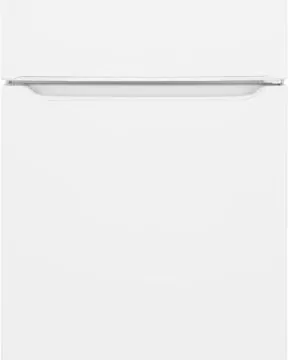
When your kitchen appliance begins to underperform, finding reliable frigidaire fftr1835vw troubleshooting steps can save you from unnecessary service calls or the expense of replacing a unit that’s still perfectly functional. This top-freezer refrigerator is a staple in many households, known for its efficiency and straightforward design, yet it remains subject to common mechanical and environmental issues that affect all cooling systems. Whether you’re dealing with a puddle on your kitchen floor, a freezer that has become a block of ice, or a refrigerator section that refuses to stay cool, a systematic approach to diagnostics will help you identify the root cause. By following standard maintenance protocols and checking specific internal components, you can often restore your appliance to optimal working order without professional assistance.
Key Takeaways
- Always disconnect the power supply before inspecting internal components to prevent electrical shock or injury.
- Clean the condenser coils at least twice a year to ensure proper heat dissipation and prevent compressor strain.
- Verify that the door gaskets are creating a tight seal by performing a simple paper test along the frame.
- Ensure the refrigerator is level, as an uneven unit can prevent the self-closing hinges from engaging correctly.
- Check temperature settings before assuming a component failure, as ambient room temperature can influence internal cooling performance.
Safety: Inside a mains-powered machine, the parts behind the outer cover can hold a dangerous electrical charge even after it has been unplugged — that’s why they sit behind a cover. Opening the housing, or testing or replacing anything behind it, is a job for a qualified technician, never a home repair.
Assessing Cooling Performance Issues
If your food is spoiling or the unit feels warm, the first step is to verify the thermostat dial settings. Many users accidentally bump the dial while loading groceries. Ensure it’s set to the manufacturer’s recommended mid-point.
If the settings are correct but the unit is warm, inspect the airflow. A common cause of poor cooling is an overstuffed refrigerator, which blocks the vents that circulate air from the freezer to the fresh food section. Never stack items directly against the back wall or the air tower.
Common Cooling Failure Indicators
| Symptom | Primary Suspect | Secondary Suspect |
|---|---|---|
| Warm Fridge, Cold Freezer | Damper Control | Evaporator Fan Motor |
| Warm Fridge, Warm Freezer | Condenser Coils | Start Relay |
| Excessive Frost Build-up | Door Gasket | Defrost Heater |
Why Is My Refrigerator Leaking Water?
Water pooling inside the fresh food compartment or on the floor is often linked to a blocked defrost drain. During the automatic defrost cycle, melted ice flows through a drain tube into a pan at the bottom of the unit. If this tube becomes clogged with food debris, ice, or mineral buildup, the water has nowhere to go but out into your kitchen.
To fix this, locate the drain hole at the back of the freezer section. You may need to remove the back panel to access it. Use a small piece of flexible wire or a turkey baster filled with warm water to flush the line until it flows freely.
Checking the Door Gasket Seal
A compromised door seal is one of the most frequent culprits behind high electricity bills and internal moisture buildup. If the rubber gasket is cracked, stiff, or loose, warm air enters the cabinet, causing the compressor to run constantly. To test the seal, close the door on a piece of standard printer paper.
If the paper pulls out with little to no resistance, the gasket is failing. You can sometimes revitalize a stiff gasket by wiping it down with warm water and a mild detergent, or by applying a thin layer of petroleum jelly to keep the rubber pliable. If it remains loose, the gasket must be replaced to prevent energy efficiency losses.
Is the Condenser Coil Dirty?
The condenser coils are responsible for releasing the heat extracted from the interior of your refrigerator. When these coils are covered in dust, pet hair, or grease, the refrigerator can’t release heat effectively. This forces the compressor to work harder, leading to premature component failure.
You should vacuum the coils located at the bottom or back of the unit at least every six months. Always use a soft brush attachment to avoid bending the delicate fins. If you own pets, you may need to perform this task more frequently to prevent airflow restriction.
Understanding Strange Noises
Refrigerators are rarely silent, but new or grinding noises often signal a mechanical issue. A ticking or clicking sound coming from the back of the unit usually indicates a faulty start relay or a struggle within the compressor. A loud humming or buzzing that stops when you open the door typically points toward the evaporator fan motor. If the fan blades are hitting ice buildup, the sound will be metallic and rhythmic.
Noise Identification Guide
- Clicking: Usually the start relay failing to engage the compressor.
- Buzzing: Often caused by a loose drain pan or a vibrating compressor mount.
- Grinding: Frequently linked to a failing evaporator or condenser fan motor.
- Hissing: Normal sound of refrigerant flowing through the expansion valve.
Frigidaire FFTR1835VW Defrost Troubleshooting
If you notice a thick layer of ice covering the back wall of your freezer, the defrost system is likely malfunctioning. The system consists of a defrost heater, a defrost thermostat, and a timer or control board. If the heater fails, the ice from the evaporator coils never melts, eventually blocking airflow. You can test the continuity of the heater using a multimeter. If the heater is open, it won’t produce heat and must be replaced.
Warning: The defrost heater is a high-temperature component. Always allow the unit to cool down completely before touching the heating element or the surrounding wiring to avoid thermal burns.
Addressing Refrigerator Temperature Fluctuations
If your refrigerator temperature fluctuates wildly, check the location of your appliance. Is it placed next to a heat source like an oven or a dishwasher? Does it receive direct sunlight throughout the day? External heat sources force the cooling system to cycle excessively.
Furthermore, ensure the unit is at least one inch away from the wall to allow for proper air circulation. If the unit is pushed flush against the wall, the heat can’t escape, which traps the heat and raises the internal temperature of the refrigerator cabinet.
How to Test the Start Relay
Managing Interior Light Problems
If the interior light fails to turn on when you open the door, first verify that the bulb is screwed in tightly or replace it with a new bulb of the exact same wattage and base type. If a new bulb doesn’t solve the issue, the door switch is likely faulty.
The door switch is a spring-loaded button located on the door frame. Press it manually; if the light doesn’t turn off and on, the switch is stuck or broken. This is an inexpensive part that’s relatively easy to replace by prying the switch out of the frame and disconnecting the wire harness.
Inspecting the Evaporator Fan Motor
The evaporator fan is located behind the back panel of the freezer. Its job is to pull cold air over the evaporator coils and distribute it throughout the refrigerator. If you don’t feel air blowing from the freezer vents, the fan motor may have died or the blades may be obstructed by ice.
If you hear the motor attempting to run but it sounds strained, check for debris or ice accumulation. If the motor is completely silent and you have verified that power is reaching the unit, the motor itself is the likely failure point.
What Causes Excessive Frost?
Excessive frost is almost always a sign of air infiltration. When humid kitchen air enters the freezer, it turns into frost instantly. Check the door gasket for gaps, as previously mentioned. Also, ensure that the freezer door isn’t being left slightly ajar by tall items.
If the ice is only present in one specific corner, check the door hinge alignment. You may need to adjust the leveling legs on the front of the refrigerator to ensure that the door swings shut naturally under its own weight.
Related guides
Frequently Asked Questions
Why is my refrigerator running constantly?
A refrigerator that runs constantly is usually trying to compensate for an inability to reach the set temperature. This is often caused by dirty condenser coils, a failing door gasket, or an overstuffed freezer that restricts airflow. Check these items first. If the coils are clean and the door seals tightly, the issue might be a faulty thermostat or a refrigerant leak, which requires professional repair.
How do I reset my refrigerator?
Most standard top-freezer models don’t have a dedicated “reset” button. To perform a hard reset, unplug the refrigerator from the wall outlet or turn off the circuit breaker for five to ten minutes. This allows the electronic control board to cycle power and clear temporary errors. After waiting, plug the unit back in and allow it several hours to stabilize the internal temperature before adding food.
Can I replace the door gasket myself?
Yes, replacing a door gasket is a common DIY task. You can purchase the replacement part online using your unit’s model number. To install it, peel back the old gasket to reveal the screws or the retaining channel. Remove the old seal, clean the surface thoroughly with mild soap, and press the new gasket into place. Using a hair dryer on low heat can help soften the new rubber for a tighter fit.
Why is there water inside the fridge?
Water inside the refrigerator section is typically caused by a clogged defrost drain or a blocked air vent. If the drain is clogged, water from the defrost cycle overflows into the cabinet. If the air vent between the freezer and fridge is blocked, cold air can’t circulate, leading to condensation and ice buildup. Clear the drain tube or remove items blocking the internal vents to resolve this.
Is it worth repairing an older refrigerator?
Whether a repair is worth it depends on the age of the unit and the cost of the replacement part. If the repair involves a simple part like a door gasket, light switch, or fan motor, it’s usually cost-effective. However, if the compressor has failed or there’s a sealed-system refrigerant leak, the repair costs often exceed 50% of the value of a new appliance, making replacement a better long-term choice.
Conclusion
Regular maintenance and timely attention to minor mechanical hitches will significantly extend the lifespan of your appliance. By monitoring the door seals, keeping the condenser coils free of debris, and ensuring the unit is properly leveled, you can prevent most common failures before they occur. If you have exhausted these troubleshooting steps and the unit still fails to cool, contact a qualified technician to assess the sealed system components.