If your range has no flame, the most effective furrion rv oven troubleshooting step is to check that your propane tank is open and the lines are purged of air. When a new tank is connected, air trapped in the fuel lines often prevents ignition, which is the most common reason for a failed pilot light. By lighting a burner on the cooktop first, you move gas through the system to the oven. If the burners don’t light, check your main propane valve or your regulator for a tripped safety device.
Why your rv oven fails to light
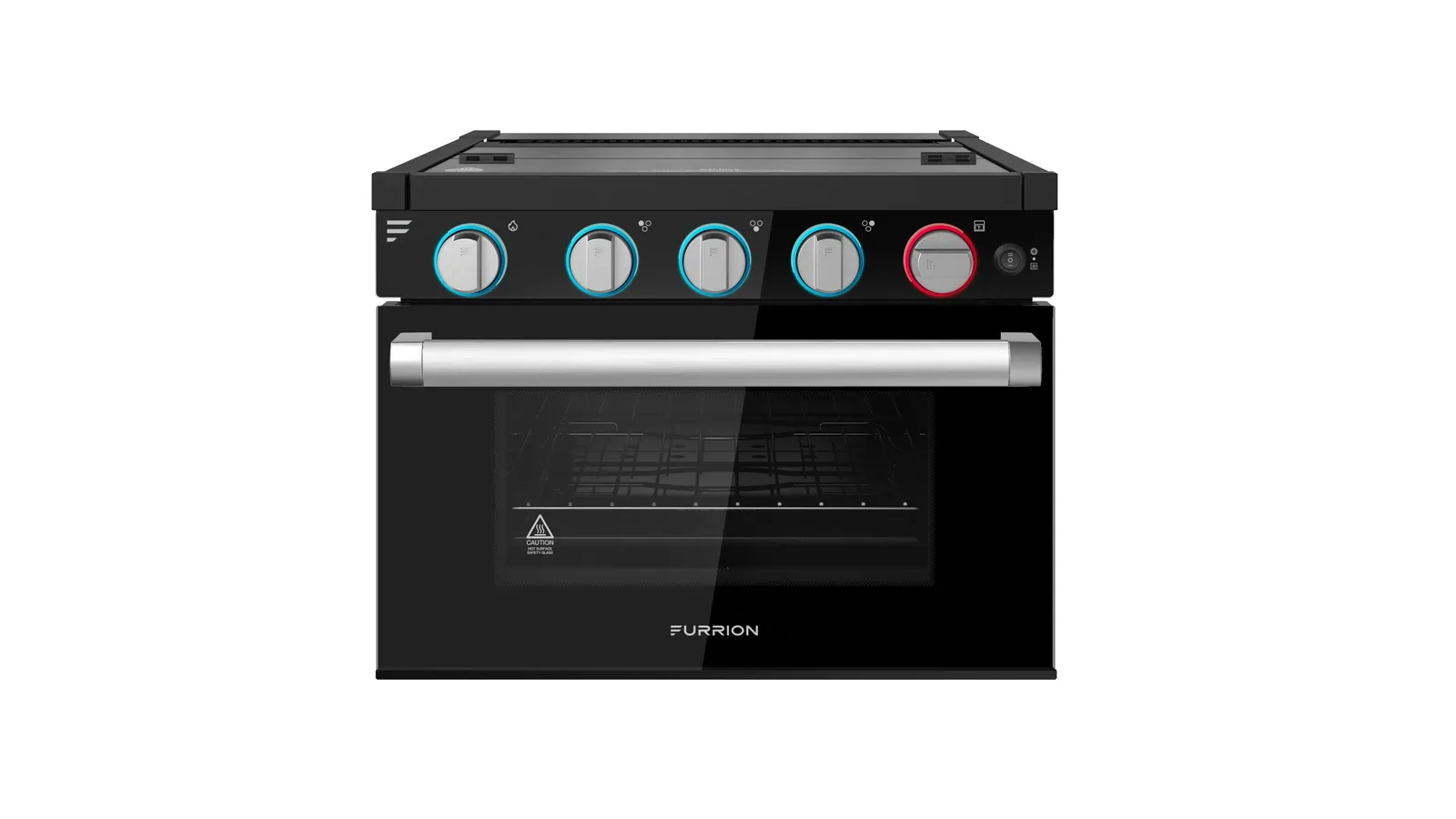
Most issues with these units stem from gas flow problems or simple ignition failures. Because RV ovens use a pilot light to signal the gas valve to open, any blockage in the pilot tube or a faulty thermocouple prevents the oven from staying lit. If you turn the knob to “pilot” and hold it, the gas should flow to the small pilot burner. If you release the knob and the flame dies, the thermocouple is likely not sensing the heat.
Another frequent cause is low pressure in the propane system. RVs use a two-stage regulator to keep gas pressure steady, but if this regulator fails, the oven may get too little gas to maintain a flame. If you’re at a high altitude, your gas pressure can also change, making it harder for the pilot to ignite.
Finally, dirt or spider webs inside the burner tubes can block gas flow. These webs are a common hazard addressed by the Consumer Product Safety Commission because they cause incomplete combustion, which leads to soot or dangerous gas leaks.
Safety: Inside a mains-powered machine, the parts behind the outer cover can hold a dangerous electrical charge even after it has been unplugged — that’s why they sit behind a cover. Opening the housing, or testing or replacing anything behind it, is a job for a qualified technician, never a home repair.
Clear the pilot tube of debris
This fix is for owners who can see a spark but can’t get a consistent pilot flame to stay lit. Use a thin, non-metallic tool like a wooden toothpick to gently clear any carbon buildup or debris from the pilot light opening. Never use a needle or wire, as these can enlarge the port and change how the gas sprays, making the flame unstable.
If the port is clear but the flame still won’t stay, the pilot tube itself might be kinked or blocked. Look behind the oven control knob panel to see if the small copper tube is bent. If you see a sharp fold in the tubing, the gas can’t reach the pilot.
If you aren’t comfortable working with gas lines or if you smell gas while the oven is off, shut off the main propane valve immediately and contact a certified RV technician. Improper repairs to gas systems can lead to leaks or fire risks.
If the pilot lights but dies the moment you turn the knob to a temperature setting, the issue is likely a loose or faulty thermocouple connection. Ensure the probe is positioned directly in the path of the pilot flame. If it’s moved even a few millimeters away, it won’t detect the heat and will shut off the gas as a safety measure.
Check the gas regulator and pressure
This fix is for when the cooktop burners also struggle to light or have a very weak, yellow flame. The regulator is the silver disc located on or near your propane tanks. If the diaphragm inside this unit is stuck, it won’t allow enough gas to reach your appliances. To reset it, turn off your propane tanks completely, wait two minutes, and then open the tank valves very slowly.
Opening the valves too quickly can trigger the “excess flow” safety feature inside the regulator, which cuts off most of the gas supply. If you hear a faint “clack” when you open the valve, you have likely tripped this safety. If the cooktop works fine but the oven remains cold, the issue is internal to the oven’s gas valve. This part requires specific tools and technical knowledge to calibrate.
If you suspect a faulty internal valve, don’t attempt to disassemble it yourself. A professional technician must verify the manifold pressure using a manometer to ensure it meets the manufacturer’s specifications. If you find the regulator is old or damaged, have it replaced by an authorized service center. Don’t attempt to use a standard residential gas regulator, as RV systems operate at different pressures and require specific components to function safely.
Adjust the burner air shutter
This fix is for an oven that lights but produces a loud, roaring noise or leaves black soot on your cookware. This happens when the air-to-gas ratio is incorrect. Locate the air shutter on the burner tube, usually found at the back of the oven near the connection point. It’s a small metal ring with slots that you can rotate.
If the flame is yellow or orange, it’s getting too little air. Loosen the small screw holding the shutter in place and rotate it to open the slots slightly. If the flame is blue but lifts off the burner, it’s getting too much air; close the slots slightly.
A perfect flame is steady, blue, and quiet. Make these adjustments in very small increments, about 1/8 of an inch at a time, and test the oven after each change. If you can’t get a stable blue flame after a few attempts, there may be an obstruction deep in the burner tube that you can’t reach.
If this happens, stop and call a professional. Never try to bypass safety sensors or modify the burner ports to increase the flame size. These safety features exist to prevent fire, and tampering with them voids your warranty and creates a significant risk of carbon monoxide buildup inside your RV.
Troubleshooting common oven symptoms
Pilot won’t stay lit: The thermocouple is likely dirty or out of position. If you hold the pilot knob for 30 seconds and the flame dies immediately upon release, the thermocouple is failing to sense heat. Clean the tip with fine-grit sandpaper to remove carbon buildup. If it still fails, the safety valve is likely shot.
Weak yellow flame: The air shutter is closed too far, or the burner tube is blocked by spider webs or debris. A healthy flame should be crisp and blue. If the flame is lazy and yellow, you’re wasting fuel and creating soot. Open the shutter slightly to increase oxygen flow.
No gas flow: The tank is empty, the valve is closed, or the regulator has tripped. If you smell nothing, reset the regulator by closing the tank valve, disconnecting the hose for 60 seconds, and reconnecting it slowly.
Inaccurate temperature: The sensor is dirty or bent. If the oven temperature is inaccurate, check the sensor probe for contact with the wall. It must sit away from the metal. If it’s clean and clear, the control board has likely lost its calibration.
Preventing future burner issues
| If you’re doing this | Do this instead | Why |
|---|---|---|
| Leaving the oven door open | Close the door during ignition | The pilot flame needs a stable air environment |
| Opening propane tanks fast | Open them very slowly | Prevents the regulator safety from tripping |
| Cleaning with heavy water | Use a dry brush or vacuum | Moisture can rust the delicate burner ports |
| Ignoring soot on pans | Clean the burner tubes | Soot indicates a gas-to-air mix problem |
Most users trip the regulator safety by opening the tank valve fully in one motion. This triggers a bypass mode that restricts gas flow to a crawl. If your flame is weak despite a full tank, close the valve, wait sixty seconds for the pressure to equalize, and reopen it slowly until fully open.
Moisture is the silent killer of burner longevity. Never use wet rags or spray cleaners directly on the ports. If water enters the tubes, it creates oxidation that narrows the holes, leading to uneven heating or dangerous yellow flames.
Finally, treat soot as a diagnostic signal. If the bottom of your cookware turns black, your air shutters are likely clogged with dust or grease. Adjust the shutter until the flame burns a crisp, steady blue. Ignoring this change forces the burner to work harder, eventually warping the metal components beyond repair.
Frequently asked questions
Can I fix a gas leak myself?
No, you should never attempt to fix a gas leak yourself. If you smell rotten eggs, turn off the main propane supply and evacuate the RV immediately. Contact a professional RV technician to inspect the system and perform a pressure test before using the oven again.
Why does my oven smell like gas when I turn it on?
A brief smell of gas is normal during ignition, but it should disappear within seconds. If the smell persists, the pilot light has failed or the burner is incomplete. Turn the knob to off immediately and call a professional for a leak check if the odor continues.
How long should I hold the pilot knob down?
You should hold the pilot knob down for at least 30 seconds after the flame appears to heat the thermocouple. This heat generates an electrical current that keeps the safety valve open. If the flame still goes out, the thermocouple is likely worn and needs replacement.
Is it safe to use the oven if the flame is orange?
No, an orange or yellow flame indicates inefficient burning and carbon monoxide production. A healthy flame should be mostly blue with a crisp, steady shape. Turn off the oven and inspect the burner tubes for debris, as blockages often prevent enough oxygen from mixing with the propane.
How often should I clean the oven burner?
You should inspect and clean the oven burner once per season. RV burner areas are prime spots for spiders and insects to build nests that block airflow. Use a soft brush or vacuum to clear any dust or debris from the assembly to ensure the burner functions safely.
Conclusion
If these simple checks don’t get your oven working, it’s time to reach out to a certified technician. Don’t try to disassemble the internal gas valves yourself, as they’re delicate and require professional tools. They’ll help you get back to baking your favorite meals safely so you can enjoy your next trip.
Related guides