The most effective way to address your galanz mini fridge troubleshooting needs is to first verify that the unit is receiving power and that the thermostat dial is set to the correct cooling level. If the fridge is plugged in but remains warm, check the power outlet with another device to ensure the circuit is live. If the outlet works, the issue often stems from poor airflow around the back coils or a door gasket that no longer seals tightly.
Troubleshooting your Galanz mini fridge cooling issues
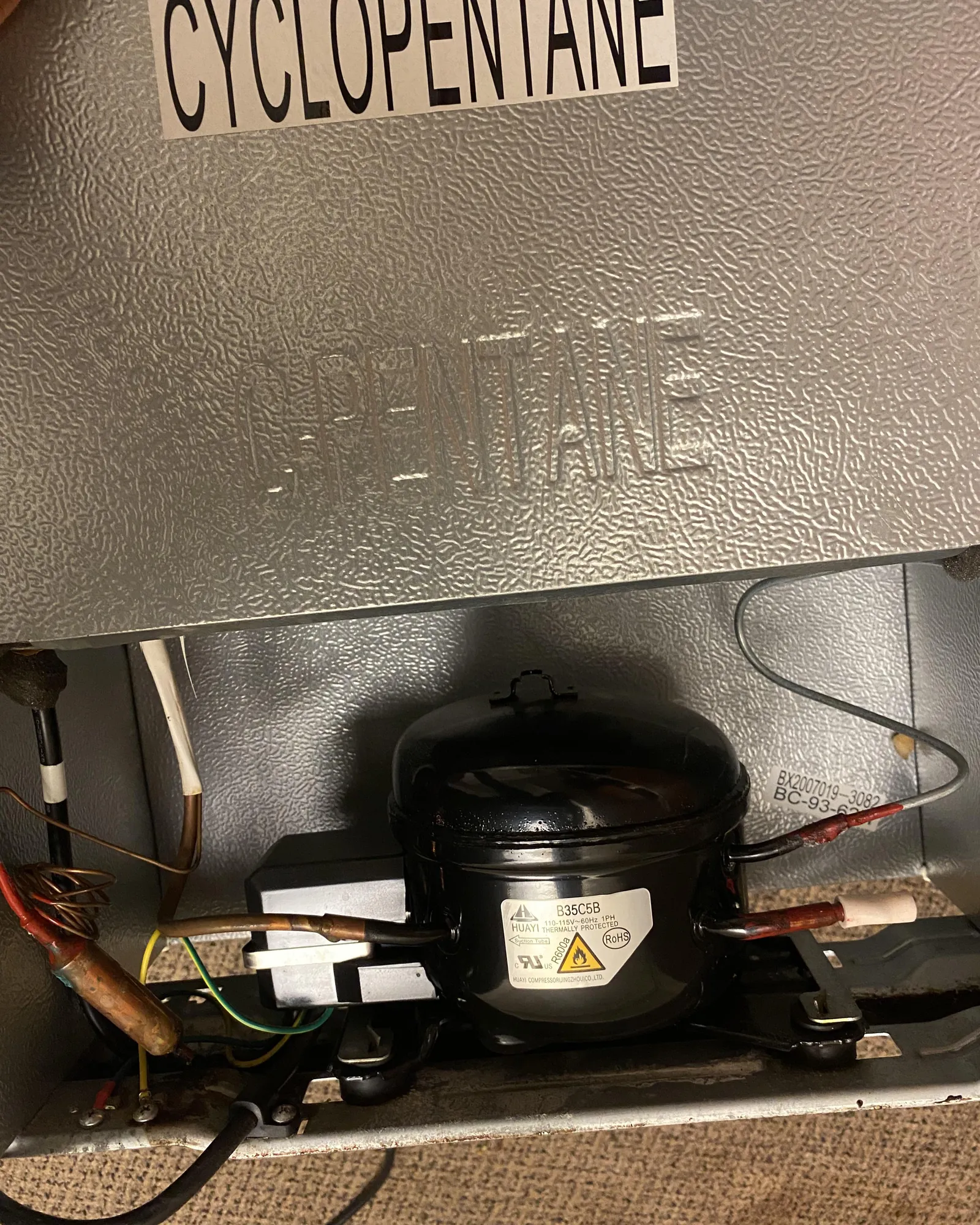
Most cooling issues happen because the appliance can’t move heat away from its internal components. A mini fridge works by pulling heat from the inside and releasing it through coils on the back or sides. If these coils are covered in dust or if the fridge is pushed too close to a wall, the heat stays trapped. This causes the compressor to run constantly while the interior temperature rises.
Another common cause involves the door seal. If the rubber gasket is cracked or dirty, cold air leaks out and warm, humid air gets in. This forces the unit to work much harder than it was designed to do. When the compressor works non-stop, it may eventually overheat and shut down to protect itself. This is a common safety feature in small refrigeration units.
Finally, the environment around the fridge plays a role. If you place the unit in a hot garage or near a heater, the cooling system will struggle to reach low temperatures. The U.S. Food and Drug Administration recommends keeping refrigerator temperatures at or below 40°F to ensure food safety. If the ambient temperature is too high, the fridge may never reach this safe range, regardless of the settings.
Safety: Inside a mains-powered machine, the parts behind the outer cover can hold a dangerous electrical charge even after it has been unplugged — that’s why they sit behind a cover. Opening the housing, or testing or replacing anything behind it, is a job for a qualified technician, never a home repair.
Clear the space for better airflow
This fix is for users who have their fridge tucked into a tight corner or against a wall. To help your appliance breathe, move it at least 4 to 6 inches away from any wall or furniture. This gap allows the heat captured from the interior to escape into the room. If you keep the fridge in a tight cabinet, it will overheat quickly because the hot air has nowhere to go.
Check the back coils for thick layers of dust or pet hair. If you see a heavy buildup, gently vacuum the area with a soft brush attachment. Never use a sharp tool or a stiff wire brush, as this can puncture the delicate tubing. If the coils are damaged, the refrigerant will leak out, and the unit will lose its cooling ability permanently.
You should also check the level of the fridge. If it tilts too far forward, the door may not shut completely on its own. Use a level tool on top of the unit to ensure it sits flat. If it’s uneven, adjust the leveling feet at the bottom by turning them clockwise or counter-clockwise. A door that hangs slightly open is a major energy drain and a common cause of frost buildup.
Replace the door gasket seal
This fix is for fridges that run constantly but never feel cold inside. Over time, the rubber gasket around the door can lose its shape or develop small tears. A simple way to test the seal is to close the door on a piece of paper. If you can pull the paper out with almost no resistance, the seal is too loose and needs attention.
Perform this test at four points: the top, bottom, and both sides. If the paper slides out easily in one spot but holds tight elsewhere, the door is likely sagging rather than the gasket being faulty. In that case, adjusting the door hinges will fix the seal without requiring a new part.
If the gasket is dirty, clean it with warm water and a mild dish soap. Sometimes, debris prevents the magnet inside the gasket from grabbing the metal frame of the fridge. If the rubber is warped or stiff, you can try to soften it using a hair dryer on a low, warm setting. Move the dryer slowly around the seal to make the rubber pliable again.
If the gasket is permanently cracked or brittle, it won’t hold a seal. You must order a replacement part specific to your model number. Don’t use generic, universal seals; they rarely maintain the precise fit required for a proper seal. If you aren’t comfortable replacing the seal yourself, any local appliance repair service can handle this task for you.
Adjust the internal thermostat settings
This fix is for units that are running but simply not cold enough for your items. Most mini fridges have a dial numbered from 1 to 5 or 7. A higher number usually means a colder setting, but many people mistakenly set it to the maximum immediately. If you set it too high, you might accidentally freeze the items near the back wall.
The mistake here is treating the dial like a power switch rather than a regulator. Setting it to the max forces the compressor to run continuously, which often causes the evaporator coils to ice over. Once those coils are encased in frost, they can’t transfer heat effectively, and the fridge actually gets warmer.
If you have a lot of items inside, the air can’t circulate effectively. Remove some items to improve airflow and see if the temperature drops after 24 hours. If the unit still doesn’t cool, turn the dial to the middle setting and wait. If you’re keeping sensitive items like milk or eggs, use a small refrigerator thermometer to confirm the actual temperature. Aim for 37 to 40 degrees Fahrenheit.
If the dial feels loose or doesn’t click when you turn it, the internal thermostat may be broken. This is a common failure point in budget-friendly appliances. If the dial is broken, you can’t adjust the cooling cycle accurately. In this case, you’ll need to contact a professional, as replacing the thermostat requires opening the control housing, which isn’t a task for a standard home user.
Common mistakes that cause cooling failure
Overloading the shelves blocks internal air vents. If you can’t see the back wall of the fridge, you have likely restricted the airflow needed to maintain a consistent temperature.
Leaving the door open forces the compressor to cycle excessively. This constant strain leads to premature mechanical failure. A good rule is to keep the door open for no more than ten seconds at a time.
Storing hot items raises the internal temperature immediately. This forces the compressor to work overtime to recover. Always wait for leftovers to reach room temperature before placing them inside.
Ignoring frost buildup creates an insulating layer on the back wall. This barrier prevents the evaporator coils from cooling the air effectively. If the frost exceeds one-quarter inch in thickness, manual defrosting is required.
Using a thin extension cord causes a dangerous voltage drop. This prevents the compressor from starting properly, often causing a clicking sound. Only use heavy-duty, short-run cords rated for high-draw appliances to avoid permanent motor burnout.
Maintenance to keep it running
| If you’re doing this | Do this instead | Why |
|---|---|---|
| Pushing the unit against a wall | Leave 6 inches of space | Heat needs space to vent |
| Keeping the door open | Close it immediately | Maintains internal temperature |
| Storing warm food | Cool food to room temp first | Prevents compressor strain |
| Ignoring dust on coils | Vacuum coils monthly | Improves heat dissipation |
If you notice the motor running constantly without cycling off, check the coils first. A quick vacuuming prevents the compressor from overheating and seizing up entirely.
If the unit sits on carpet, place a rigid board underneath to ensure airflow. Carpet fibers choke the intake vents, leading to premature mechanical failure.
You must also check the door seal for gaps. Close the door on a piece of paper; if you can pull the paper out without resistance, the gasket is failing. Replace these seals immediately to stop the unit from working double-time to compensate for leaking cold air.
Frequently asked questions
How long does it take for a mini fridge to get cold?
A mini fridge typically takes 12 to 24 hours to reach a safe, stable temperature after being plugged in. You should run the unit empty for at least 6 hours before adding food. Note that adding a large amount of warm items at once will significantly delay the cooling process.
Is it safe to leave a mini fridge on 24/7?
Yes, your mini fridge is designed to run continuously provided it has proper ventilation and a solid door seal. These units must remain plugged in to maintain a consistent internal temperature. If you notice loud grinding noises or extremely hot side panels, unplug the unit and check for airflow obstructions.
Why is there water inside my fridge?
Water inside your unit is typically caused by high humidity or a door that isn’t sealing correctly. Warm, moist air entering the fridge condenses on cold surfaces, creating water droplets. Check the door gasket for gaps or tears that allow air to leak into the cooling chamber.
Can I fix a broken compressor myself?
No, you can’t fix a compressor yourself because it involves specialized tools and handling pressurized refrigerant, which is a restricted substance. A compressor failure is almost always a job for a licensed technician. If your fridge is still under warranty, contact the manufacturer to see if they will cover the repair or replacement. If the warranty has expired, the cost of a professional repair often exceeds the price of a new unit.
What should I do if the fridge is making a loud noise?
If your fridge makes loud clicking or buzzing sounds, first ensure it’s sitting on a level surface. A wobbling fridge causes internal components to vibrate against the frame. If the noise persists, check the back for condenser fan obstructions or dust buildup that may be interfering with operation.
Conclusion
If these quick fixes don’t get your unit chilling again, don’t worry. It’s likely time to reach out to a professional technician or contact the manufacturer’s support team for a warranty claim. They’ll help you determine if a part needs replacing so you can get back to enjoying cold drinks soon.
Related guides