You can resolve most ignition failures by replacing the batteries in the receiver or the wall switch, as depleted power is the most common cause of a gas fireplace electronic ignition troubleshooting struggle. If your fireplace doesn’t click or spark when you turn it on, the control module isn’t receiving the electrical signal it needs to open the gas valve. You should always check your power source before assuming the system is broken or that you need a professional repair.
Troubleshooting gas fireplace electronic ignition failures
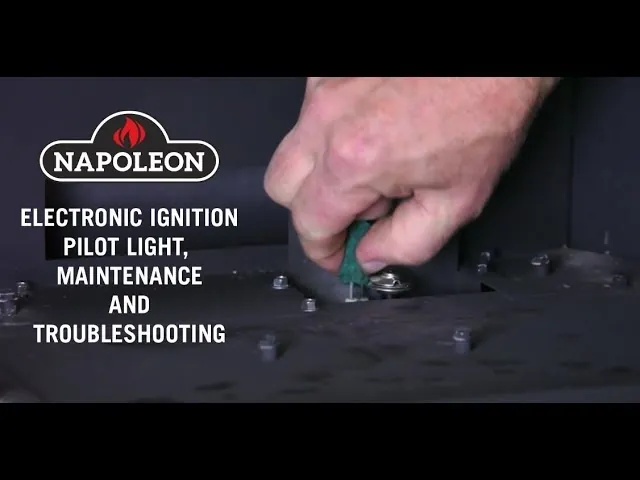
Electronic ignition systems rely on a steady flow of electricity to communicate between your wall switch or remote control and the fireplace burner. When this connection is interrupted, the pilot light can’t ignite, and the main burner remains off.
This happens most often because the battery levels have dropped below the threshold required to operate the gas valve solenoid. If the batteries are old, they may have enough power to light a small LED on a receiver but lack the strength to trigger the ignition sequence.
Another common cause is a loose or corroded wire connection within the control box. Over time, the heat from the fireplace can cause metal components to expand and contract, which occasionally loosens the push-on connectors attached to the module.
If these wires become disconnected or develop a layer of oxidation, the electrical circuit breaks. You can visually inspect the wiring for any signs of fraying or detachment, but you should never attempt to repair internal wiring or disassemble the sealed control housing yourself.
Finally, the flame sensor or the pilot assembly may be dirty. Gas fireplaces produce tiny amounts of soot or debris that can coat the sensor rod. If the sensor can’t detect the pilot flame, it will automatically shut off the gas supply as a safety measure to prevent gas buildup.
You can usually see if the pilot hood or the metal rod near the burner is covered in black dust. If you see heavy buildup, it’s time to contact a certified technician to clean the system safely.
Replace the batteries in your system
This fix is intended for homeowners who have a battery-operated receiver box located under the fireplace unit. Many modern systems use four AA batteries to power the remote receiver, and these need to be replaced at least once per season for reliable operation.
Before you start, ensure the fireplace is completely cool to the touch. Locate the black or grey receiver box, which is usually tucked behind the bottom decorative grill. Slide the battery cover off and remove the old batteries, checking for any signs of leakage or corrosion on the contacts.
Insert new, high-quality alkaline batteries into the holder, ensuring you match the positive and negative ends to the markings inside the compartment. Once the new batteries are in place, test the fireplace using your remote or wall switch. If you hear a series of rapid clicks, the system is attempting to ignite.
If the system still doesn’t light, verify that the remote control itself has fresh batteries. This fix isn’t for systems that are hardwired directly into your home’s electrical grid, as those units require a licensed electrician to handle any internal power supply issues. If your system is hardwired and has no power, check your home’s circuit breaker panel to see if the switch has tripped.
Check the gas supply and valve
If the ignition system is clicking but no flame appears, the issue may be the fuel supply rather than the electronics. First, look at the gas shut-off valve, which is typically a small handle located on the gas line near the fireplace.
Ensure the valve handle is turned parallel to the pipe, which indicates it’s in the open position. If the handle is perpendicular to the pipe, the gas flow is blocked. If the valve is open and you still have no flame, you must stop and contact your local gas utility provider.
The CPSC fireplace safety guidelines explain that gas leaks and ignition issues are serious hazards that require expert attention. Never attempt to smell for gas or manipulate the gas valve if you suspect a leak. If you smell the distinct odor of rotten eggs or sulfur, leave the house immediately and call the emergency gas line from a neighbor’s phone.
Professionals use specialized tools to check for pressure drops and blockages that a homeowner can’t safely diagnose. If the gas supply is confirmed to be working but the fireplace still fails to light, the gas valve solenoid inside the unit may have failed. This is a mechanical part that wears out over time and requires a qualified technician to verify and replace.
Reset the control module safely
Sometimes the electronic control module experiences a “glitch” and simply needs a hard reset to function again. This process clears the current state of the board and forces it to re-initialize its communication with your remote control.
To perform this reset, locate the power source for the module—either the battery pack or the power adapter—and disconnect it completely. Wait for at least 60 seconds to allow the internal capacitors to discharge fully. This short period of inactivity is necessary for the memory of the module to reset.
After the wait time, reconnect the power source. Many systems will beep or flash an indicator light to signal that they’re ready to be paired or used again. If your system requires re-pairing with a remote, follow the specific instructions provided in your fireplace owner’s manual. This reset method is generally safe for most standard electronic ignition units, but it won’t fix hardware failures like a burnt-out module or a broken igniter.
If you have performed the reset and the fireplace still doesn’t respond to a command, the internal electronics have likely reached the end of their service life. At this point, you should contact a service technician to test the output of the module.
Avoid common repair mistakes
- Don’t use rechargeable batteries: These often provide a lower voltage than standard alkaline batteries, which can cause the ignition module to malfunction or fail to trigger the gas valve.
- Never clean the pilot assembly with water: Moisture can damage the delicate electronic components and the igniter, leading to a permanent failure that requires a full system replacement.
- Don’t bypass safety switches: Attempting to bridge or bypass the thermal sensors or the pilot safety switch is dangerous and can lead to uncontrolled gas flow if the flame goes out.
- Avoid using sharp metal tools: Scraping the flame sensor with a knife or sandpaper can remove the protective coating, causing the sensor to fail prematurely and requiring a professional replacement.
Maintain your fireplace ignition system
| If you’re doing this | Do this instead | Why |
|---|---|---|
| Leaving old batteries in | Replace them every season | Prevents leakage and power drops |
| Ignoring the pilot light | Watch for a clear blue flame | Confirms gas is reaching the burner |
| Using a damp cloth to clean | Use a dry, soft-bristled brush | Prevents water damage to sensors |
| Ignoring clicking sounds | Check the remote battery level | Ensures the signal reaches the module |
Most homeowners wait for a total ignition failure before acting. This mistake costs you a service call fee, which is inexpensive relative to the cost of a full system replacement. If your pilot flame flickers yellow or orange, you have a ventilation obstruction or a dirty thermocouple. A clean, blue flame should remain steady even when the blower kicks on.
If the burner fails to ignite despite a fresh battery, check the pilot orifice for spider webs or dust buildup. Use a can of compressed air to clear the debris. If the system still clicks without sparking, the igniter probe is likely oxidized.
Don’t use sandpaper or abrasive tools on the igniter probe or flame sensor, as this can damage the component. If the flame ignites but cuts out after a few seconds, contact a certified technician to inspect the thermocouple or flame sensor.
Frequently asked questions
Can I fix a broken gas fireplace igniter myself?
No, you can’t fix a broken igniter yourself because it involves handling gas-carrying components and high-voltage electrical parts. These precision components must be replaced by a certified technician to ensure safe operation. Attempting repairs yourself can void your warranty or cause dangerous gas leaks.
How long should the batteries in a fireplace remote last?
Batteries in a standard gas fireplace remote and receiver typically last for one full heating season, or about 6 to 9 months. If the fireplace clicks slowly or the remote becomes unresponsive, replace the batteries immediately. Always use fresh alkaline batteries to ensure the ignition module functions correctly.
Why does my fireplace click but not light?
Your fireplace is likely clicking because the electronic module can’t establish a flame. This usually occurs if the gas supply is closed, the pilot orifice is clogged, or the flame sensor is dirty. If the gas valve is open, you must call a professional to diagnose internal sensor or valve issues.
Is it safe to use a fireplace that clicks repeatedly?
No, it isn’t safe to let the fireplace click repeatedly if it doesn’t light, as this can lead to a dangerous accumulation of gas. If the system fails to ignite after a few cycles, turn off the unit and stop attempting to start it. Contact a professional technician to inspect the unit.
What happens if I ignore a faulty ignition?
Ignoring a faulty ignition can lead to complete system failure or a dangerous gas leak if safety sensors are compromised. If the module stops working, the fireplace won’t turn on, but a stuck gas valve could allow gas to flow without a flame. Always have ignition problems fixed by an expert.
Conclusion
Regular maintenance of your battery supply and keeping the area around your fireplace clear of dust will prevent most common ignition issues. If you have replaced the batteries and checked the gas valve but the unit still fails to start, don’t force the system to cycle. Contact a professional fireplace technician to perform a safe diagnostic check on the control module and the gas valve assembly.
Related guides