To fix a gas fireplace troubleshooting flame goes out issue, check if the pilot light orifice is blocked by debris or if the thermocouple is misaligned. A dirty pilot assembly is the most common cause because it prevents the safety sensor from detecting heat, which tells the gas valve to shut off for your protection. If you see the flame flicker and die after you release the knob, the sensor is likely not getting enough heat to stay active.
Troubleshooting why your fireplace flame goes out
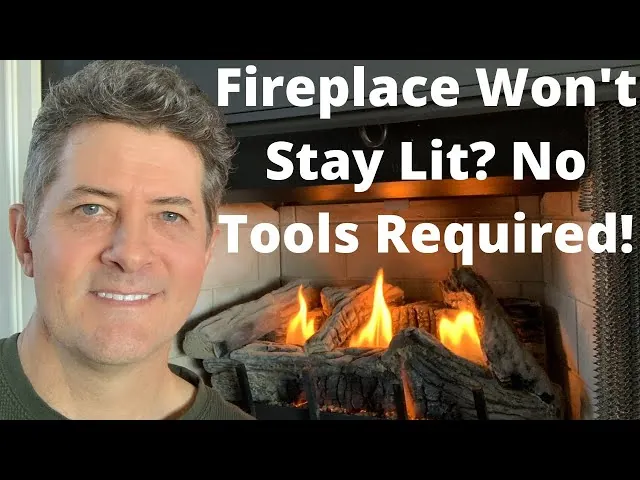
When your fireplace stops working, it’s usually because the safety system is doing its job. A gas fireplace uses a small pilot flame to heat a sensor, typically a thermocouple or thermopile. This sensor generates a tiny electrical current that holds the main gas valve open. If the pilot flame doesn’t touch the sensor directly, the current stops and the gas valve closes instantly to prevent a dangerous leak.
Debris like dust, pet hair, or spider webs often builds up around the pilot burner or sensor tip. This accumulation can block the flame or change its shape so it no longer reaches the sensor. If the flame is yellow or orange, it may not be hot enough to generate the voltage required to keep the gas flowing.
Another reason is a loose or oxidized connection between the sensor and the gas valve. Even if the sensor is working, the signal must travel through a small wire or connection point. Over time, heat causes expansion and contraction, which can loosen these parts. If the connection isn’t tight, the signal is lost, and the system assumes the pilot has gone out, so it cuts the gas supply.
Clean the pilot assembly and sensor
This fix is for homeowners who notice the pilot light ignites but dies as soon as they stop pushing the ignition button. You need to clear away any carbon buildup or dust that prevents the flame from heating the sensor. Turn the gas supply valve to the off position before you start any work. Use a soft, dry brush to gently wipe the area around the pilot burner and the tip of the thermocouple.
Don’t use liquid cleaners or water on these components, as moisture can damage the electrical sensors or cause rust. If you see heavy black soot or crusty deposits on the metal, it’s time to call a professional technician.
Attempting to scrape hard deposits off with metal tools can permanently damage the sensitive surface of the sensor. If the unit still fails to stay lit after a light dusting, the sensor has likely reached the end of its life and needs a replacement.
If you aren’t comfortable working near the gas lines, or if you smell gas at any point, stop immediately. Close the main gas shut-off valve and contact a licensed gas technician. This isn’t a task for someone without experience in appliance repair, as improper handling of gas valves can lead to leaks or fire hazards. Always prioritize your safety over a quick fix.
Tighten the thermocouple connection
If the sensor is clean but the flame still goes out, the electrical connection might be the issue. Locate the small copper wire running from the pilot assembly to the back of the gas control valve. Ensure the nut where the wire enters the valve is tight. Use a small wrench to turn it clockwise until it’s snug; don’t overtighten, as you can easily strip the threads or crush the copper line.
If the connection is tight and the flame still fails, the internal sensor is likely faulty. A bad thermocouple won’t produce the necessary millivolts to hold the valve open, even if the flame is touching it perfectly. If the flame is blue and hitting the sensor but the gas cuts out, the sensor is broken.
If you find that the connection nut is loose, tightening it should solve the problem immediately. You’ll know it worked if the pilot stays lit after you release the control knob. If you have to hold the knob for more than 60 seconds to get the pilot to stay, the sensor is likely failing. If you can’t reach the connection or the nut is stuck, don’t force it, as you could break the gas valve itself.
Inspect the venting and airflow
Sometimes the issue isn’t the pilot at all, but the airflow inside the fireplace box. If your fireplace has a glass front, ensure the gasket is sealed tightly and the glass is locked in place. If the glass is loose, the pressure balance is thrown off, which can cause the pilot flame to blow out or turn yellow. This often happens after the glass is removed for cleaning and not re-seated perfectly.
This fix is for users who have recently cleaned their fireplace or notice the glass feels loose. Check the perimeter of the glass for any gaps or damaged rope gaskets. A small gap allows air to enter or escape, which ruins the draft that keeps the pilot flame stable. If you find a damaged gasket, it needs to be replaced with the exact size specified by your manufacturer.
If the glass is secure but the flame still struggles, check the outside vent cap for blockages. Birds, nests, or leaves can block the vent, which prevents the fireplace from getting the fresh air it needs to burn. If the vent is clear and the glass is tight, the problem is deeper inside the system. In this case, you need a professional to inspect the internal venting or the burner assembly.
Common troubleshooting mistakes to avoid
- Using abrasive cleaners: Never use sandpaper or steel wool on the thermocouple, as this removes the protective coating and causes it to fail faster.
- Forcing the gas knob: Don’t turn the control knob with excessive force if it feels stuck, as this can break the internal spring mechanism.
- Bypassing safety sensors: Never try to bypass or “jump” the thermocouple wire to keep the gas on, as this removes your primary protection against gas leaks.
- Ignoring a yellow flame: A yellow, lazy flame indicates poor combustion, which means the unit isn’t venting correctly and shouldn’t be used.
Keep the fireplace running smoothly
| If you’re doing this | Do this instead | Why |
|---|---|---|
| Using rough brushes | Use a soft, dry cloth | Prevents damage to sensor surfaces |
| Leaving glass loose | Secure all latches firmly | Maintains the correct pressure for combustion |
| Forcing the gas knob | Rotate gently by hand | Protects the valve from internal breakage |
| Ignoring soot buildup | Brush away debris monthly | Ensures the pilot reaches the sensor tip |
Many homeowners mistakenly use wire brushes to clean the firebox, which creates microscopic scratches that trap carbon faster. If you see deep pitting on the metal, stop scrubbing immediately; the sensor is compromised and requires replacement.
When checking your latches, perform the “paper test” to verify the seal. Close a thin strip of paper in the door and try to pull it out. If it slides out with zero resistance, your gasket is failing. Replace the seal now to prevent carbon monoxide leaks.
Finally, distinguish between light dust and heavy soot. If the debris is grey and powdery, a soft brush is sufficient. If the soot is black, greasy, or sticky, you must use a specialized fireplace glass cleaner. Using water or ammonia on hot glass causes permanent clouding or dangerous stress fractures.
Frequently asked questions
Can I fix a gas fireplace that goes out on my own?
You can safely clean dust from the pilot assembly with a soft brush, but you must stop if the issue involves the gas valve or internal burner. If the pilot still fails to stay lit after cleaning, the problem is likely a faulty sensor. These repairs require professional tools to ensure the unit doesn’t leak gas.
Why does my gas fireplace go out after an hour?
Your fireplace likely goes out because of a failing thermopile that loses its signal once it gets hot. When components expand during operation, a weak connection or dying sensor may lose contact with the gas valve. If the unit consistently cuts out, the sensor needs replacement by a qualified professional.
How long should I hold the pilot knob?
Hold the knob for 30 to 60 seconds after the pilot ignites to allow the thermocouple to generate the electrical signal that holds the gas valve open. If you release the knob too soon, the safety system shuts off the gas. If it takes longer than 60 seconds, the sensor is likely failing.
Is it safe to use a fireplace with a yellow pilot flame?
A yellow pilot flame indicates incomplete combustion because the burner isn’t getting enough air or is covered in soot. A healthy flame should be sharp, blue, and pointed directly at the sensor. If your flame is yellow, stop using the fireplace and have a professional clean the pilot burner assembly.
What happens if I keep trying to light it?
Repeatedly trying to light a fireplace that keeps going out can lead to a dangerous buildup of gas in the firebox. If the pilot won’t stay lit after three attempts, wait 15 minutes for the gas to dissipate before trying again. If it still fails, contact a technician to address the mechanical problem.
How often should I clean the pilot area?
You should inspect and gently clean the pilot area once a year before winter to ensure reliable operation. Dust and pet hair accumulate during the off-season and can block the flame or coat the sensor. A quick, gentle dusting prevents these particles from interfering with the safety system.
Regular maintenance and keeping the area free of dust will keep your fireplace running safely.
Conclusion
If the flame still won’t stay lit after you’ve cleaned the sensor, don’t keep trying to force it. It’s best to call a certified technician to inspect the gas valve or wiring. They’ll ensure everything is working safely, so you can get back to enjoying your cozy fire without any worries.