Is your GE freezer not working the way it should? When your freezer stops cooling or makes strange noises, it can throw off your whole routine.
You rely on it to keep your food fresh and safe, so a problem can feel urgent and frustrating. But don’t worry—most freezer issues have simple solutions you can try yourself. In this guide, you’ll discover easy troubleshooting tips to get your GE freezer back to normal quickly.
Keep reading, and you’ll save time, avoid costly repairs, and restore your freezer’s performance without stress.

Common Ge Freezer Problems
GE freezers are reliable but can face some common issues. Knowing these problems helps in quick fixes. This saves time and avoids food spoilage. Below are frequent GE freezer problems you might meet.
Freezer Not Cooling
A GE freezer not cooling properly is a frequent complaint. This can happen due to dirty condenser coils. These coils need regular cleaning. Another cause is a faulty thermostat. Check if the temperature setting is correct. Also, the door might not close well, causing cold air to escape.
Frost Buildup
Frost buildup inside the freezer is a common problem. It blocks air flow and reduces cooling. Frost forms when warm air enters the freezer. This can happen if the door seal is broken. Defrost the freezer regularly to avoid thick ice layers. Make sure to keep the door closed tightly.
Unusual Noises
Strange sounds from the freezer can be alarming. Noises may come from the compressor or fan motor. A loose fan blade or motor failure causes noise. Sometimes, ice buildup around the fan makes unusual sounds. Listen carefully to identify the source and act fast.
Water Leaks
Water leaks inside or outside the freezer are common. Blocked defrost drain lines cause water to pool. Another cause is a damaged door seal. Check the drain for ice or debris and clear it. Replace the seal if it is cracked or torn.
Door Seal Issues
Door seals keep cold air inside. A worn or broken seal lets warm air in. This causes frost buildup and poor cooling. Check seals for cracks or gaps. Clean seals regularly to keep them flexible. Replace seals if they no longer close tightly.

Diagnosing Cooling Problems
Diagnosing cooling problems in a GE freezer requires a step-by-step check of key parts. Identifying the issue early can save time and money. Start with simple checks before calling a technician. This guide helps you understand what to look for.
Checking Power Supply
First, confirm the freezer is plugged in properly. Check the outlet by testing another device. Look for any tripped circuit breakers or blown fuses. A steady power supply is essential for the freezer to work.
Inspecting Thermostat Settings
Next, examine the thermostat inside the freezer. Make sure it is set to the correct temperature. The ideal setting is usually between 0 and 5 degrees Fahrenheit. A wrong setting can stop proper cooling.
Evaluating Condenser Coils
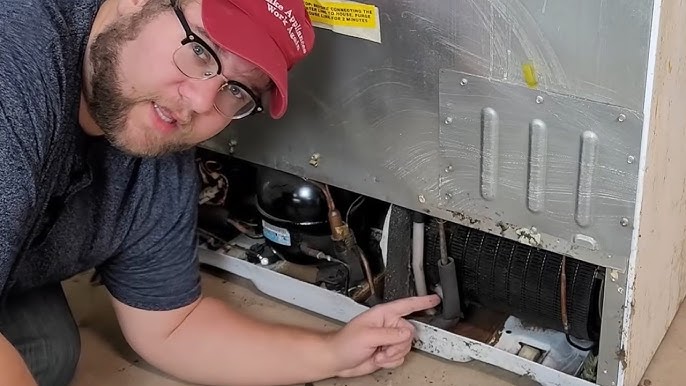
Dirty condenser coils reduce cooling efficiency. These coils are usually at the back or bottom of the freezer. Clean them gently with a brush or vacuum to remove dust and debris. Clean coils help the freezer cool better and use less energy.
Examining Evaporator Fan
The evaporator fan blows cold air inside the freezer. Listen for the fan running when the door is closed. If the fan is noisy or not spinning, it may need cleaning or replacement. A faulty fan can cause uneven cooling or warm spots.
Fixing Frost And Ice Buildup
Frost and ice buildup in your GE freezer can cause poor cooling and higher energy use. It blocks air flow and reduces freezer space. Fixing this problem keeps your freezer working well and your food fresh. Understanding simple steps helps solve frost issues quickly.
Manual Defrosting Steps
First, unplug the freezer to stop power. Remove all food and store it in a cooler. Leave the freezer door open to let ice melt naturally. Place towels around the base to catch water. Use a plastic scraper to gently remove loose ice. Avoid sharp tools that can damage the freezer. Dry the freezer interior with a cloth before restarting.
Cleaning Drain Tubes
Clogged drain tubes cause water to freeze inside. Locate the drain hole at the back of the freezer. Use warm water and a small brush to clear any blockage. Flushing the drain with a mix of baking soda and water helps remove debris. Make sure water flows freely before closing the drain. Clean tubes stop ice buildup and water leaks.
Replacing Defrost Timer
The defrost timer controls the freezer’s defrost cycles. A broken timer can cause frost buildup. Find the timer on the control panel or behind the freezer. Turn it manually to test if it starts the defrost cycle. Replace the timer if it does not advance or stop frost. Use the exact model part for your GE freezer. A working timer keeps frost under control and freezer efficient.
Resolving Noise Issues
Noise coming from a GE freezer can be annoying and may signal a problem. Fixing these noise issues quickly keeps your freezer running smoothly. This section guides you through simple steps to find and fix noisy parts.
Identifying Noise Source
Start by listening closely to your freezer. Notice where the noise is loudest. Check the back, bottom, and inside the freezer. Different sounds mean different problems. A rattling noise could be loose parts. A humming sound might come from the motor or fan. Pinpointing the noise helps target the fix.
Tightening Loose Components
Loose parts cause many noises in freezers. Unplug the freezer for safety. Use a screwdriver to tighten screws on panels and shelves. Check the fan cover and compressor mounts. Tight parts stop rattling and buzzing. Regular checks keep your freezer quiet.
Replacing Faulty Fans
The fan moves cold air inside the freezer. A broken or dirty fan makes noise. Turn off and unplug the freezer. Remove the back panel to access the fan. Look for broken blades or dirt build-up. Replace the fan if it is damaged. A new fan runs quietly and cools better.
Handling Water Leaks
Water leaks in a GE freezer cause worry and mess. Fixing leaks quickly prevents damage to floors and walls. Most leaks happen from simple problems. Checking a few parts can stop water from pooling under your freezer. This guide helps you find and fix common leak causes.
Checking Drain Pan
The drain pan catches water inside the freezer. Over time, it can crack or overflow. Pull out the pan carefully from underneath. Look for cracks or holes. Clean any dirt or debris that blocks water flow. Replace the pan if it is damaged. A clean, intact drain pan keeps water inside the freezer.
Clearing Blocked Drain Lines
Drain lines carry melted ice to the pan. These lines can get clogged with dirt or ice. Use warm water to flush the drain line gently. A thin, flexible brush can help remove stubborn blockages. Make sure water flows freely through the line. Clearing the drain line stops water from backing up and leaking.
Ensuring Proper Door Closure
The freezer door must close tightly to stop moisture buildup. Check the door gasket for tears or dirt. Clean the gasket with warm, soapy water. Press the door firmly to close it fully. Replace the gasket if it is cracked or worn out. Proper door closure keeps cold air in and water out.
Repairing Door Seal Problems
Repairing door seal problems is key to keeping your GE freezer working well. A good door seal stops cold air from escaping. This saves energy and keeps food fresh longer. Checking and fixing the door seal can prevent bigger freezer issues.
Inspecting Gasket Condition
Start by looking closely at the gasket, the rubber seal around the door. Check for cracks, tears, or worn spots. Press the door shut and see if the seal fits tightly all around. A loose or damaged gasket lets cold air out and warm air in.
Cleaning Door Seals
Dirt and grime can stop the door seal from closing properly. Use warm water and mild soap to clean the gasket. Wipe it gently with a soft cloth. Dry the seal well before closing the door. Clean seals stick better to the freezer frame.
Replacing Damaged Gaskets
If the gasket is torn or very stiff, replacement is needed. Buy a new gasket made for your GE freezer model. Remove the old seal by pulling it away from the door. Fit the new gasket into the groove firmly. Test the door seal by closing it tight.
When To Call A Technician
Knowing when to call a technician for your GE freezer saves time and prevents damage. Some problems need expert skills and tools. Handling complex issues yourself can cause more trouble. Professional help ensures safety and proper repair. Below are key signs to get a technician.
Complex Electrical Issues
Electrical problems in freezers are risky. Faulty wiring or control board failures need expert checks. Sparks or burning smells are warning signs. Avoid opening electrical parts without training. A technician can safely fix these problems.
Compressor Failures
The compressor keeps your freezer cold. If it stops working, the freezer won’t cool. Strange noises or no cooling show compressor trouble. This part is complicated and costly to fix. A technician will diagnose and replace it properly.
Refrigerant Leaks
Refrigerant leaks cause poor cooling and frost build-up. These leaks require special tools to find and repair. Handling refrigerants needs certification due to safety laws. A technician will refill and fix leaks safely.
Frequently Asked Questions
Why Is My Ge Freezer Not Cooling Properly?
A dirty condenser coil can cause poor cooling. Check if the door seals are tight and the freezer is not overfilled.
How Do I Reset My Ge Freezer After A Power Outage?
Unplug the freezer for five minutes, then plug it back in. This often resets the control board and fixes minor issues.
What Causes Frost Buildup In My Ge Freezer?
Frost forms when warm air enters through a damaged door seal or frequent opening. Defrost and check seals regularly.
Why Is My Ge Freezer Making Loud Noises?
Noises may come from the fan or compressor. Clean the fan and ensure the freezer is level to reduce noise.
How Often Should I Defrost My Ge Freezer?
Defrost when frost is more than a quarter-inch thick. Regular defrosting keeps the freezer running efficiently.
Conclusion
GE freezer problems can often be fixed with simple steps. Check power supply and temperature settings first. Clean the coils and door seals regularly. Listen for unusual noises or check for frost buildup. Small issues may not need a technician.
Regular care helps keep your freezer working well. Stay patient and follow these tips for better results. Your GE freezer can last longer with proper attention. Keep food fresh and avoid waste by troubleshooting early. Easy fixes save time and money in the long run.