To fix common issues with your machine, performing ge gdt655 dishwasher troubleshooting involves checking your power supply, water inlet, and drainage hose first. Most problems arise from a tripped circuit breaker or a clogged filter, which prevents the unit from starting or draining properly. If your dishwasher doesn’t turn on, start by checking your home’s electrical panel to see if a switch has flipped. If the unit has power but fails to wash, inspect the bottom filter for debris that might block water flow.
Troubleshooting common dishwasher power issues
Mechanical failures in this model often relate to how the unit interacts with your home’s water and power systems. A common cause is a kinked or blocked drain hose, which prevents the water from leaving the tub after a cycle. If the hose is clear, the issue may be a faulty door latch. The machine is designed to stop if the door sensor doesn’t detect a firm, locked seal.
Another frequent issue is a buildup of hard water minerals on the spray arms. These small holes are precision-engineered to distribute water at specific angles; when they become clogged, your dishes will remain dirty despite a running motor. You can check your local water quality reports to see if you have high mineral content, which often requires you to clean the spray arm ports more frequently than the standard maintenance schedule suggests.
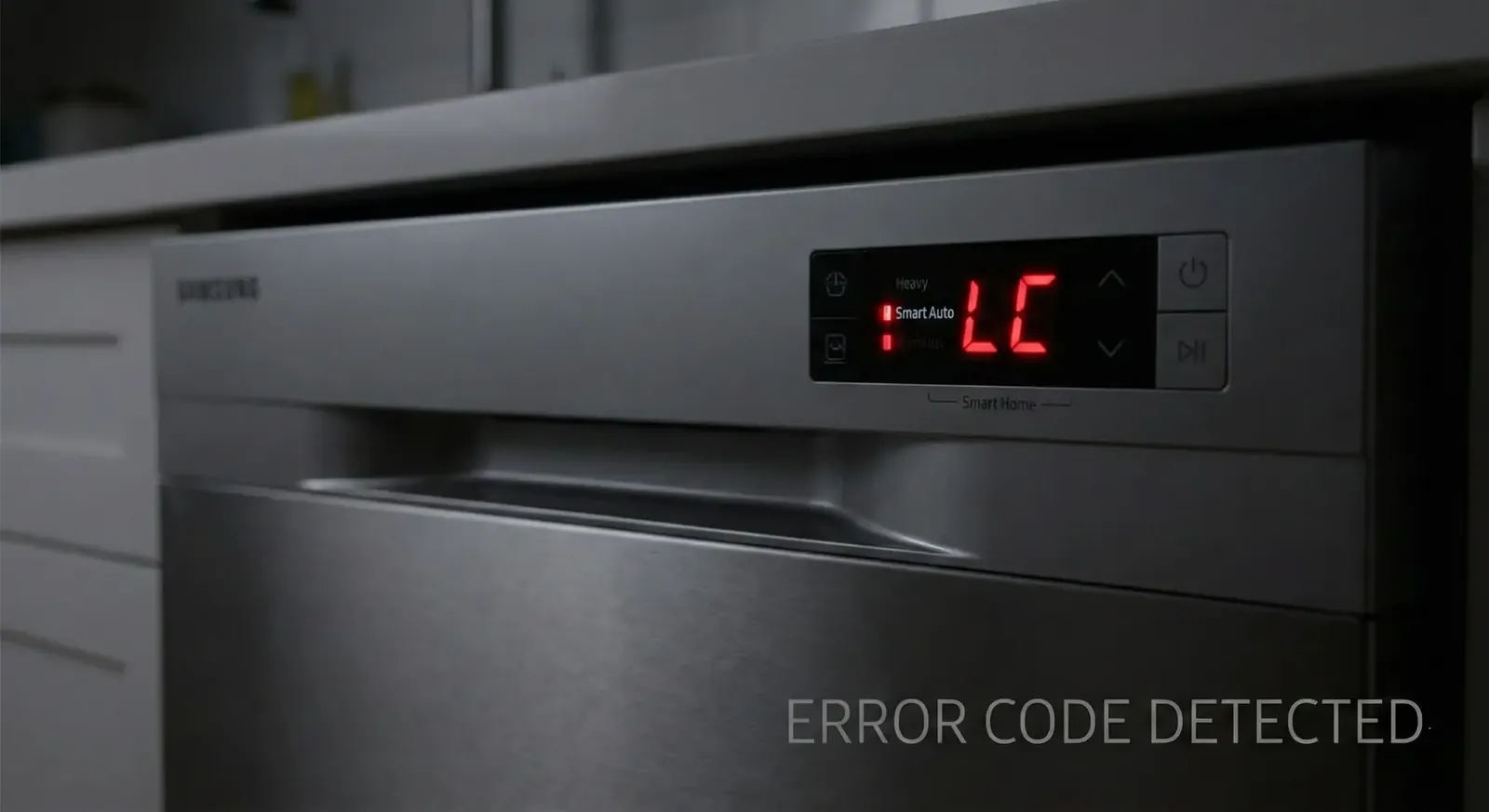
Finally, consider the control board. If the buttons on the top panel don’t respond, the unit might be in “Control Lock” mode. This is a safety feature meant to prevent accidental cycles. If the lights are flashing, the unit is likely signaling a specific error code. Refer to the GE Appliances owner manual to match the flashing light pattern to the corresponding mechanical fault.
Safety: Inside a mains-powered machine, the parts behind the outer cover can hold a dangerous electrical charge even after it has been unplugged — that’s why they sit behind a cover. Opening the housing, or testing or replacing anything behind it, is a job for a qualified technician, never a home repair.
Check the door and latch assembly
If your dishwasher refuses to start, the door latch is the most likely culprit. This part acts as a safety switch that tells the computer the unit is sealed and ready for water. If the latch is loose, the machine won’t engage. First, inspect the latch plate on the door for any visible damage or plastic debris. If the latch looks fine, ensure that no large dishes are blocking the door from closing completely flush with the frame.
This fix is for users whose dishwasher appears to have power but remains silent when the “Start” button is pressed. If you push the door firmly against the frame and the cycle begins, you know the latch is misaligned. You can try adjusting the strike plate with a standard screwdriver to ensure a tighter fit.
If the latch itself is broken or the spring feels weak, this is a part that requires replacement. Never attempt to bypass the door switch, as this safety mechanism prevents water from spraying out while the unit is open. If you can’t secure the door, contact a certified appliance technician to replace the sensor assembly.
Clear the drain and filter system
If your dishwasher finishes a cycle but leaves standing water at the bottom, your drainage path is likely obstructed. The filter assembly at the base of the tub is the primary barrier against food scraps. To clean it, rotate the filter counter-clockwise to unlock it and pull it upward. Rinse the mesh under hot running water to remove grease and food particles that have hardened over time.
Use an old toothbrush to scrub the fine mesh screen. If you see a gray film, you’re likely using too much detergent, which creates a waxy buildup that water can’t penetrate.
After cleaning the filter, check the drain hose underneath your sink. Ensure the hose isn’t pinched by other items under the cabinet. If the hose has a high-loop or air gap, verify that these aren’t blocked by debris.
If you still have standing water after cleaning the filter and checking the hose, the drain pump might be failing. A failing pump often makes a loud humming or grinding noise. If you hear these sounds, don’t attempt to open the motor housing.
Contact a professional to inspect the pump impeller, as it’s a specialized repair. If the pump is silent but the water remains, the issue is usually a blockage in the check valve, which prevents backflow into the tub. If the valve is stuck open, water from your sink drain will seep back into the dishwasher.
Reset the electronic control board
Sometimes the dishwasher’s computer gets stuck in a loop, preventing it from executing commands. A hard reset can clear temporary software errors. To do this, locate your circuit breaker and turn off power to the dishwasher for at least 60 seconds. After the minute has passed, turn the breaker back on. This allows the internal control board to discharge its stored energy and reboot to its factory state.
This step is for users who see unresponsive buttons or strange, flickering lights on the top display. It’s worth trying before you call for service because it often resolves glitches caused by minor power surges.
Don’t attempt to repair the circuit board or touch internal wiring, as these components carry a high risk of electric shock. If the reset doesn’t restore functionality, reach out to an authorized service provider to diagnose the board.
Common mistakes to avoid
Using too much detergent leaves a waxy film that clogs delicate spray arm ports. This reduces water pressure, forcing the machine to work harder to clean. Limit your soap to two tablespoons for a full load.
Pre-rinsing dishes until they’re spotless causes the internal soil sensor to trigger shorter, weaker wash cycles. If your plates are already clean, the machine assumes the job is finished early. Skip the rinse; just scrape off solids.
Adding liquid soap meant for hand-washing creates excessive suds. These bubbles can leak into the base and short out the pump motor. If you accidentally use the wrong soap, run a cycle with a cup of white vinegar to break down the foam.
Forcing the door shut when the latch is misaligned cracks the plastic housing. If the door resists, check for a misaligned rack.
Finally, ignoring the “Control Lock” feature leads many to call for repairs when the machine is simply locked.
Keep your machine running smoothly
| If you’re doing this | Do this instead | Why |
|---|---|---|
| Leaving food on plates | Scrape off large chunks | Prevents filter clogs |
| Using standard dish soap | Use high-efficiency detergent | Prevents excess suds |
| Ignoring the filter | Clean it monthly | Maintains water pressure |
| Using hard water | Add a rinse aid | Prevents mineral buildup |
Most users assume a pre-rinse is necessary, but modern sensors need actual soil to calibrate cycle length. If you scrub every dish clean, the machine may run a shortened cycle that leaves grime behind.
The most common mistake is ignoring the spray arm nozzles. If your glasses come out with white spots, check the tiny holes for trapped debris. A simple toothpick clears these blockages in seconds.
If your machine sounds like a lawnmower, check the pump housing for broken glass shards. If the noise persists after clearing the filter, the motor bearings are likely failing. In that case, stop running the unit immediately to prevent a total pump burnout, which is significantly more expensive to repair than a simple seal.
Frequently asked questions
How long does a standard wash cycle last?
A standard cycle on this model typically lasts between 90 and 120 minutes, depending on the chosen soil level and water temperature. If you select “Heavy Wash” or “Steam,” the cycle can extend by an additional 30 minutes to account for heating the water. If your machine is running for significantly longer, it may be struggling to reach the required temperature, which suggests a heating element issue that requires professional inspection.
Is it safe to run the dishwasher if it makes a grinding noise?
No, you should stop the cycle immediately if you hear a loud grinding noise, as this usually indicates a foreign object like a piece of glass or a bone is stuck in the pump impeller. Continuing to run the unit can permanently damage the pump motor and lead to expensive repairs. Check the filter area for debris, but don’t reach into the pump housing yourself to avoid injury from sharp shards.
Why does my dishwasher smell bad?
The smell is usually caused by food particles trapped in the filter or stagnant water sitting in the drain hose. You can resolve this by cleaning the filter monthly and running a cycle with a dishwasher-safe cleaning tablet. If the smell persists after a thorough cleaning, check the drain hose under the sink to ensure it’s properly vented and not holding onto old water.
What should I do if the lights are flashing?
Flashing lights indicate that the control board has detected a specific fault, such as a sensor error or a door latch failure. Turn the power off at the breaker for one minute to attempt a reset. If the lights resume flashing once power is restored, note the specific pattern or sequence of the lights, as this information helps a technician identify the exact part that needs to be replaced.
How often should I clean the filter?
You should clean the filter regularly to ensure the machine drains efficiently and washes dishes properly. Depending on your household’s usage, you may need to check it more frequently to prevent buildup, but always consult your owner’s manual for specific maintenance guidance. A clean filter is the most important factor in maintaining consistent performance and preventing the water from becoming cloudy during the rinse phase.
Can I replace the door latch myself?
Yes, you can replace the door latch if you’re comfortable with basic household tools, but always ensure the power is off at the breaker first. This is a common DIY task, but if you aren’t confident in handling the wiring harness or the plastic clips, call a professional. Never force the plastic components, as they’re fragile and can snap easily, which would make the door impossible to seal properly.
Conclusion
Regular maintenance is the most effective way to extend the life of your appliance. By keeping the filter clean, using the right amount of detergent, and performing a hard reset when the electronics act up, you can resolve most issues without needing professional help. If you ever feel unsure about a repair or if the machine doesn’t respond to these basic steps, it’s always safer to call an authorized service professional.
Related guides