If your GE ice maker is not working as expected, you are not alone. Many homeowners face problems with their ice makers, from no ice production to strange noises. Troubleshooting a GE ice maker can feel frustrating, especially if you rely on it daily. The good news is that most issues can be solved without calling a technician. With the right steps, you can fix common problems, save money, and enjoy ice again.
This guide will help you understand how your GE ice maker works, why problems occur, and how to solve them. You will find clear steps, helpful tips, and warnings about common mistakes. Whether your ice maker is in your refrigerator, freezer, or a standalone model, you will learn how to get it running smoothly again.
How A Ge Ice Maker Works
Before you start troubleshooting, it is helpful to know how a GE ice maker creates ice. This will make it easier to find and fix problems.
Basic Ice Maker Cycle
A typical GE ice maker follows these main steps:
- The ice maker receives water from the home supply through a water line.
- Water flows into the ice mold, where it freezes.
- A thermostat senses when the ice is frozen.
- The ice maker ejects the ice cubes into the bin.
- The cycle repeats until the bin is full.
Key Parts Of A Ge Ice Maker
- Water inlet valve: Controls water flow into the ice maker.
- Ice mold: The tray where water freezes.
- Thermostat: Detects ice temperature.
- Ejector arm or sweep: Pushes ice cubes out.
- Control module: Manages the cycle.
- Shutoff arm or sensor: Stops ice when the bin is full.
Understanding these parts will help you pinpoint the source of most problems.
Common Ge Ice Maker Problems And Causes
Several issues can stop your GE ice maker from making ice or working properly. Here are the most frequent problems, what causes them, and how to identify them:
- No ice production: Ice maker is not making any ice.
- Slow ice production: Ice is produced but too slowly.
- Small or misshaped ice cubes: Ice cubes are thin, hollow, or odd-shaped.
- Leaking water: Water drips inside or outside the ice maker.
- Ice maker is noisy: Clicking, grinding, or buzzing sounds.
- Ice maker not dispensing: Ice is made but will not come out.
- Ice tastes or smells bad: Ice has a strange taste or odor.
Below, each problem will be covered in detail with troubleshooting steps.
Troubleshooting Steps For Ge Ice Maker Problems
You do not need to be a professional to fix many GE ice maker issues. Here is how to approach the most common problems:
1. Ice Maker Not Making Ice
If your GE ice maker is not making any ice, check these possible causes:
A) Power Supply
- Make sure the refrigerator is plugged in and powered on.
- Check the ice maker’s power switch. Some GE models have an ON/OFF switch or a wire arm that must be down.
B) Water Supply
- Confirm the water line valve (often behind the refrigerator) is open.
- Inspect for kinks or blockages in the water supply line.
C) Ice Maker Switch
- Some GE ice makers have a switch or button. Make sure it is set to ON.
- The ice maker must be installed correctly; otherwise, it may not engage.
D) Freezer Temperature
- The freezer should be set to 0°F (-18°C) for proper ice production.
- If the temperature is too high, ice will not form.
E) Ejector Or Sensor Problems
- If the shutoff arm or sensor is stuck in the “off” position, ice production will stop.
- Move the arm gently to see if it is jammed.
F) Water Filter
- A clogged water filter can block water flow.
- Replace the filter if it has not been changed in the last 6 months.
G) Ice Bin Position
- Some GE models need the ice bin in a precise location. Check your manual for details.
Non-obvious insight: Many people overlook the importance of the ice bin’s position. If not seated correctly, the ice maker may not work even if everything else looks fine.
2. Slow Ice Production
If your ice maker is producing ice slowly, try the following:
- Lower the freezer temperature slightly (avoid going below -5°F or -20°C).
- Make sure the door seals are clean and tight. Warm air entering the freezer can slow ice making.
- Check for a partially clogged water filter.
- Ensure the water pressure to the refrigerator is at least 40 psi. Low pressure can reduce ice output.
Tip: If your area has hard water, mineral buildup can slow the ice maker. Flush the water system regularly.
3. Small Or Misshaped Ice Cubes
- Replace the water filter if it is older than 6 months.
- Check the water supply line for restrictions or leaks.
- Inspect the water inlet valve for debris or blockages.
- Make sure the freezer temperature is not too low, as this can cause smaller cubes.
Non-obvious insight: If your refrigerator was recently moved, trapped air in the water line can cause small cubes. Run several cycles to flush air out.
4. Water Leaks
- Check that the refrigerator is level. If it tilts forward or back, water can spill from the ice mold.
- Inspect the water inlet valve for cracks.
- Ensure the water line connections are tight.
- Make sure the ice bin is not overfilled.
5. Ice Maker Is Noisy
- Clicking or grinding usually means an ice cube is stuck.
- A buzzing sound can mean the water valve is trying to fill but no water is coming.
- Humming may be normal, but very loud or new sounds suggest a mechanical problem.
Tip: Remove the ice bin and check for jammed cubes or frost buildup.
6. Ice Not Dispensing
- Check if ice cubes are stuck together. If so, dump the bin, clean it, and let the maker refill.
- Make sure the ice dispenser chute is not blocked.
- If the auger (spiral in the bin) does not turn, inspect for jams.
7. Bad-tasting Or Smelly Ice
- Replace the water filter.
- Clean the ice bin and the ice maker with warm, soapy water.
- Throw out old ice (ice absorbs odors).
- Check for spoiled food in the freezer.
Step-by-step Guide To Fixing Your Ge Ice Maker
Now that you know the main problems, let’s go through a practical troubleshooting process. Each step addresses a common cause, so follow them in order.
Step 1: Check Power And Settings
- Make sure the ice maker is ON.
- Verify the freezer is set to 0°F (-18°C).
- If your GE model has a reset button, press and hold it as per your manual.
Step 2: Inspect The Water Supply
- Confirm the water valve is open.
- Check for leaks or kinks in the water line.
- Test the water dispenser (if your refrigerator has one). If no water comes out, the problem is with the supply.
Step 3: Replace Or Reset The Water Filter
- Locate the filter (usually inside the refrigerator compartment or at the base).
- Replace it if it is older than 6 months, or try removing and reinstalling it if newly installed.
- Run water through the dispenser for 2-3 minutes to clear air and debris.
Step 4: Examine The Ice Maker Mechanism
- Look for ice jams or frost buildup.
- Gently move the shutoff arm up and down.
- Remove the ice bin and check for stuck cubes.
Step 5: Test The Water Inlet Valve
- Unplug the refrigerator.
- Find the valve (usually behind the unit).
- Inspect for leaks or mineral buildup.
- If you are comfortable, use a multimeter to test for electrical continuity.
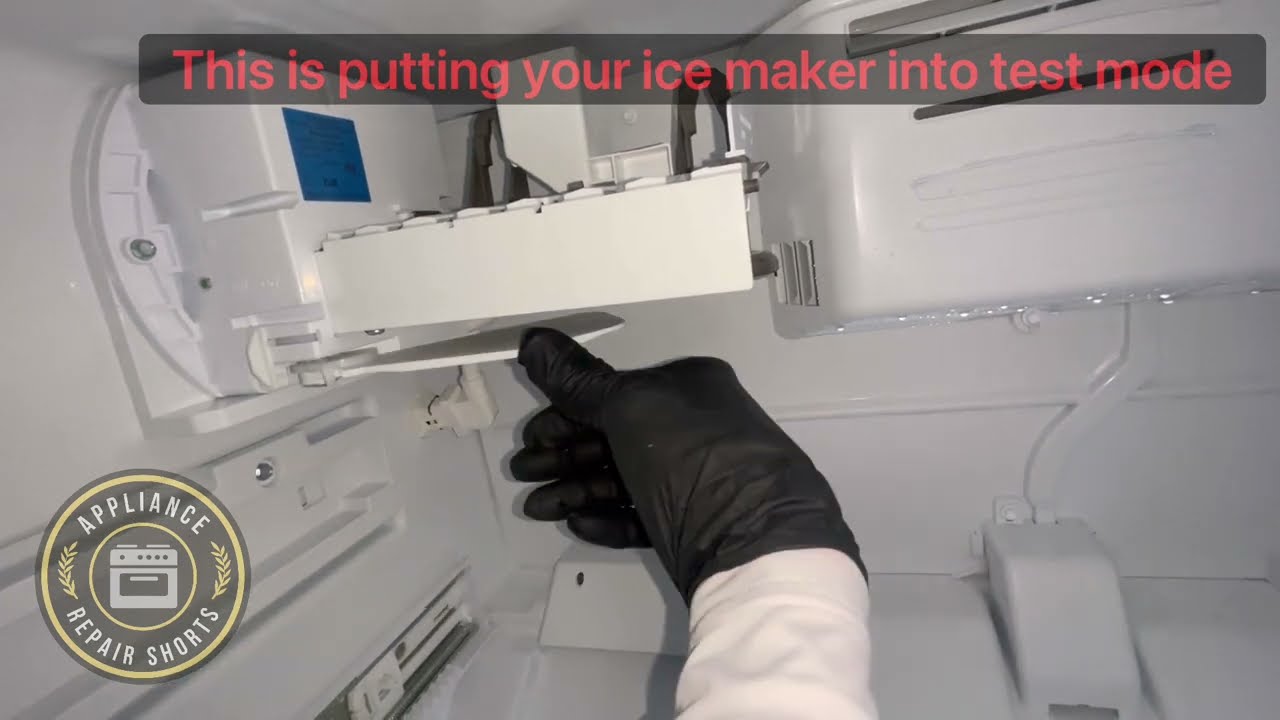
Step 6: Reset The Ice Maker
- Some GE ice makers can be reset by turning them off and then on again, or by holding a reset button.
- After resetting, wait several hours to see if ice production resumes.
Step 7: Clean The Ice Maker
- Remove the bin and wash it with warm, soapy water.
- Use a soft cloth to clean the ice maker’s surfaces.
- Rinse and dry before replacing.
Step 8: Professional Help
If you have tried all steps and your ice maker still does not work, it may need repair. Common issues that require a technician:
- Faulty thermostat
- Broken motor or control board
- Damaged water valve
- Electrical wiring issues
Comparing Ge Ice Maker Models And Troubleshooting Complexity
Different GE ice makers can have unique features and troubleshooting steps. Here is a comparison of common types:
| Model Type | Common Features | Difficulty of Troubleshooting | Notes |
|---|---|---|---|
| Side-by-Side Refrigerator | In-door ice, water dispenser | Moderate | Check door switches and bin position |
| Top Freezer Refrigerator | Ice maker in freezer compartment | Easy | Simple mechanism, easy access |
| Standalone Ice Maker | Large bin, high capacity | Challenging | More complex, may need professional help |
| French Door Refrigerator | Ice and water in door, bottom freezer | Moderate | Check for ice buildup in dispenser chute |
Tip: Always check your specific model’s manual for unique features or troubleshooting advice.
Preventive Maintenance For Your Ge Ice Maker
Regular care can prevent many ice maker problems. Here’s how to keep your GE ice maker running smoothly:
- Replace water filters every 6 months.
- Clean the ice bin monthly with warm, soapy water.
- Inspect and clean the water line yearly to prevent mineral buildup.
- Check freezer temperature monthly to ensure it stays at 0°F (-18°C).
- Use ice regularly to prevent cubes from fusing together.
- Defrost freezer if you notice ice or frost buildup.
Non-obvious insight: If you leave your home for more than a week, turn off the ice maker and empty the bin to prevent stale ice and odors.
When To Replace Your Ge Ice Maker
Sometimes, repairs may not solve the problem. Consider replacing your ice maker if:
- The unit is more than 10 years old.
- Parts are no longer available.
- The ice maker needs frequent repairs.
- You notice water leaks that cannot be fixed.
Cost tip: A replacement ice maker for most GE refrigerators costs between $80 and $200, not including labor. Compare this with repair costs before deciding.
Advanced Troubleshooting: Solving Hard-to-find Problems
If you have tried all basic steps and your GE ice maker still fails, these advanced checks may help.
Testing Water Inlet Valve With A Multimeter
- Unplug your refrigerator.
- Remove the back panel to locate the water inlet valve.
- Disconnect the wiring harness.
- Set your multimeter to Ohms (Ω) and test the solenoid terminals.
- Reading should be between 200 and 500 ohms. If “0” or “infinite,” replace the valve.
Checking The Ice Maker Module
- Remove the ice maker from the freezer.
- Inspect for burned or damaged contacts.
- If the gears are stripped or the module is cracked, replacement is likely needed.
Diagnosing Thermostat Issues
- Use a thermometer to check the temperature near the ice maker.
- If above 10°F (-12°C), the thermostat may be faulty.
- Replacing the thermostat usually requires a technician.
Control Board Problems
Ge Ice Maker Error Codes And What They Mean
Newer GE ice makers may display error codes if there is a problem. Here are some common codes and what they indicate:
| Error Code | Meaning | Recommended Action |
|---|---|---|
| E2 | Ice maker not harvesting | Reset or replace ice maker |
| E3 | Ice bin sensor problem | Check sensor, clean or replace |
| E4 | Water supply error | Check water line and valve |
| E8 | Temperature out of range | Adjust freezer temperature |
| F3 | Ice maker fan error | Inspect and replace fan if needed |
Tip: Always unplug your refrigerator before working on electrical parts.
How Water Quality Affects Ge Ice Maker Performance
The quality of your home’s water supply has a big impact on ice maker performance.
- Hard water (high in minerals) can cause scale buildup, clogging valves and lines.
- Chlorine in water can affect ice taste.
- Sediment can block filters quickly.
Solutions:
- Use the correct GE water filter for your model.
- Consider a whole-house water softener if you have hard water.
- Flush the system after changing filters.
Ge Ice Maker Warranty And Customer Support
Most GE ice makers come with a 1-year warranty for parts and labor. Some models offer extended protection plans. If your ice maker is under warranty:
- Do not attempt repairs that require opening sealed parts.
- Contact GE customer support for guidance.
Contact options:
- GE Appliances website
- Customer support phone number (found in your manual)
- Local authorized service providers
For more details, visit the official GE Appliances Support page.
Safety Precautions When Troubleshooting
Whenever you work on your GE ice maker, follow these safety tips:
- Unplug the refrigerator before working with electrical parts.
- Wear gloves to protect your hands from sharp edges.
- Avoid using metal tools inside the freezer to prevent damage.
- Do not force parts; if something does not move easily, check for hidden screws or clips.
- Check for water leaks after reassembling.
Real-world Examples: Ge Ice Maker Problems Solved
Example 1:
A homeowner noticed their GE side-by-side refrigerator stopped making ice. After checking, they found the water line behind the fridge was kinked. Straightening the line restored ice production in a few hours.
Example 2:
Another user had small, hollow ice cubes. Replacing the water filter and flushing the system fixed the issue, as the filter was clogged with sediment.
Example 3:
A loud clicking noise turned out to be a jammed cube in the ejector arm. Removing the ice bin and clearing the jam solved the noise and restored normal operation.
Non-obvious insight: Sometimes, a simple reset or filter change solves a problem that seems serious.
Frequently Asked Questions
Why Is My Ge Ice Maker Making Noise But Not Producing Ice?
If your ice maker is noisy but not making ice, it often means the motor or ejector arm is running but there is a blockage or no water is entering. Check for ice jams, make sure the water line is open, and replace the filter if needed.
How Often Should I Change My Ge Ice Maker’s Water Filter?
Replace the water filter every six months or when the “replace filter” light comes on. If your water has a lot of sediment or you notice a drop in ice quality, change it sooner.
Can I Use My Ge Ice Maker Without A Water Filter?
Some GE models allow you to run the ice maker without a filter by using a bypass plug. However, this is not recommended if your water has chlorine, sediment, or hardness, as it can affect ice quality and damage parts.
How Do I Reset My Ge Ice Maker?
Most GE ice makers can be reset by turning the unit off, waiting 30 seconds, and turning it back on. Some models have a reset button—press and hold it for 10 seconds. Check your manual for the exact method.
Is It Normal For The Ice Maker To Pause Production Sometimes?
Yes. When the ice bin is full, the shutoff arm or sensor will pause ice production. Production will resume when the bin has space. If your ice maker pauses without a full bin, check for stuck arms or blocked sensors.
CONCLUSION
Fixing your GE ice maker does not have to be difficult. By following the steps above, most problems can be solved at home. Regular maintenance and understanding how your model works will help you avoid costly repairs and keep your ice supply steady. If you ever feel unsure or the issue remains, do not hesitate to call a professional. Your ice maker is a small but important part of your kitchen—keep it clean, inspect it often, and enjoy cold drinks year-round.