A GE washer is a reliable machine, but like all appliances, it can sometimes stop working as expected. When your laundry piles up and your washer shows a strange error code or makes odd sounds, frustration rises quickly. This troubleshooting manual is your clear, step-by-step guide to solving common and not-so-common GE washer problems. You’ll learn how to identify issues, what tools you might need, and when it’s time to call a professional.
Many problems are easy to fix if you know where to look. However, some solutions need more than just a quick button press. In this guide, you’ll find practical instructions, real-life examples, and tips that even experienced users sometimes miss.
Let’s make your GE washer run like new again.
Understanding Your Ge Washer Model
Before you start troubleshooting, it’s important to know your washer model. GE makes several types, including top-load, front-load, and high-efficiency (HE) machines. Each has unique features and error codes.
- Top-load washers have a lid on top and are often simpler to repair.
- Front-load washers are known for efficiency but may develop different issues, such as door locks or drainage problems.
- HE washers use less water and energy but require special detergent.
Find your model number on a sticker inside the door or on the back of the unit. This number helps you look up the right parts and repair instructions.
Common Ge Washer Series
- GTW: Standard top-load
- GFW: Front-load, HE
- WCVH: Compact front-load
- GFWS: Premium front-load
Knowing your model helps you match the error codes and troubleshooting steps in this manual.
Basic Troubleshooting Steps
Start with simple checks before moving to complex repairs. Sometimes, the problem is something small.
1. Check Power Supply
Make sure the washer is plugged in and the outlet works. Try plugging in another device to confirm.
2. Examine Water Supply
Both hoses should be connected and valves turned on. Look for kinks or leaks.
3. Inspect Door/lid
The washer won’t start if the door or lid is not completely closed. Check for obstructions or broken latches.
4. Control Settings
Double-check you have chosen the right cycle and settings. Sometimes, controls can get bumped or reset.
5. Pause And Reset
Unplug the washer for one minute, then plug it in again. This can clear some temporary errors.
These steps fix many common problems. If your washer still doesn’t work, look for error codes or signs listed in the next sections.
Ge Washer Error Codes And What They Mean
Modern GE washers display error codes when something is wrong. These codes save you time and point directly to the problem.
Common Error Codes
| Error Code | Meaning | Possible Fix |
|---|---|---|
| IE | Water inlet error | Check hoses and water supply |
| OE | Drainage problem | Clean drain filter, check hose |
| LE | Door lock issue | Check door latch, wiring |
| UE | Unbalanced load | Redistribute clothes |
| PF | Power failure | Restart washer |
Always refer to your user manual for codes specific to your model. Some error codes may combine letters and numbers, such as E43 or F34. You can search for your model and code online for more details.
Non-obvious insight: Not all error codes need a part replacement. Some only require a reset or clearing a blocked filter.
Washer Won’t Start
If your GE washer won’t start, don’t panic. This is usually caused by simple things.
Step-by-step Solutions
1. Check The Power
Ensure the plug is secure and the outlet is working. Try a different outlet if possible.
2. Door Or Lid Switch
Most washers will not run with the door open. Listen for a click when you close it. If there is no sound, the door switch may be faulty.
3. Control Lock
Some models have a child lock feature. Look for a small lock icon on the display. Hold the designated button for three seconds to unlock.
4. Cycle Selection
Make sure you have pressed the Start/Pause button firmly. Some models need an extra push.
Advanced tip: If the washer beeps but does not start, the main control board may need a reset. Unplug for one minute, then hold Start for 10 seconds after plugging back in.
Washer Not Filling With Water
A washer that does not fill is frustrating. There are several causes and easy checks.
1. Water Hoses
Check both hot and cold hoses for kinks or blockages.
2. Water Valves
Turn both faucets all the way on.
3. Inlet Filters
Small screens inside the hoses can clog. Unscrew the hoses and remove any debris from the filter screens.
4. Water Pressure
Low pressure can stop the washer. If other faucets in your home have weak flow, call your water provider.
5. Faulty Water Inlet Valve
If you hear clicks but no water flows, the inlet valve may need replacement.
Beginner mistake: Many people forget to check if the water is shut off at the wall. Always check both hoses.
Washer Not Draining
If water stays in the drum after a cycle, focus on drainage.
Troubleshooting Steps
1. Drain Hose
Make sure the hose is not kinked or blocked. Remove it and check for clogs.
2. Drain Pump Filter
Most GE front-loaders have a filter in the lower front panel. Open the small door, twist out the filter, and clean it.
3. Drain Pump
If you hear a humming but no water moves, the pump may be jammed or broken.
4. Clogged Sump Or Tub
Coins, socks, or debris can block the system. Inspect inside the drum with a flashlight.
5. Control Board Issue
If the drain pump does not run at all, the problem may be electronic.
Pro insight: Always keep a towel handy when checking the filter. Water will spill out.
Washer Won’t Spin Or Agitate
Clothes that come out soaking wet often mean the spin cycle failed. Here’s what to check:
1. Unbalanced Load
Too many or too few clothes can cause the washer to stop spinning. Rearrange items evenly.
2. Door/lid Lock
The washer will not spin if the door is not fully locked.
3. Drive Belt
On older models, a broken or loose belt will stop the drum from spinning. Remove the back panel to check.
4. Motor Problems
Listen for humming or grinding sounds. These point to a failing motor.
5. Control Board
No response at all may indicate a faulty main control board.
Hidden detail: Overloading is the most common cause of spin problems. Keep loads moderate and never pack the washer.
Washer Leaks Water
Leaks can cause damage to your floor and may signal bigger problems.
Where To Check
1. Hoses And Connections
Look for drips at the back of the machine. Tighten any loose fittings.
2. Door Seal (front-load)
Inspect the large rubber gasket for tears or dirt. Clean regularly and replace if damaged.
3. Detergent Drawer
Using too much soap can cause overflow. Use only HE detergent if your washer requires it.
4. Pump And Tub Seals
Water under the machine may mean a failing pump or tub seal.
5. Drain Hose Position
The hose should be above the water level in the washer. A hose pushed too far into the drain can siphon water out.
Expert tip: Always dry the door seal after use. This prevents mold and extends its life.

Washer Makes Unusual Noises
Strange noises can be alarming but often have simple fixes.
| Noise Type | Likely Cause | How to Fix |
|---|---|---|
| Grinding | Drum bearing or foreign object | Check for coins, inspect bearing |
| Banging | Unbalanced load | Redistribute clothes |
| Clicking | Buttons, zippers, or loose parts | Remove hard objects, tighten screws |
| Humming | Drain pump or motor | Check for obstructions |
Non-obvious insight: Small objects like bra wires or coins often get trapped between the drum and tub, causing ongoing noise.
Washer Smells Bad Or Has Mold
A musty odor is common, especially in front-load washers. This happens because of trapped moisture.
How To Fix And Prevent Odors
1. Regular Cleaning
Run a monthly empty cycle with hot water and a cup of white vinegar. This cleans residue and kills bacteria.
2. Clean Door Seal
Wipe the rubber gasket after every use. Pull back the seal to check for trapped lint or hair.
3. Leave The Door Open
Let the drum air out after each load. This is the easiest way to prevent smells.
4. Clean Detergent Drawer
Remove and wash the drawer once a month.
Pro tip: Use only the recommended amount of detergent. Too much soap causes residue, making smells worse.
Washer Stops Mid-cycle
A washer that suddenly stops can ruin your laundry routine.
What To Check
1. Power Interruptions
A brief outage or surge can pause the cycle. Press Start/Pause to resume.
2. Unbalanced Load
The washer may try to rebalance itself. Rearranging clothes can help.
3. Drainage Issues
If water is not draining, the washer will stop. Check the hose and pump.
4. Control Panel Malfunction
If the panel is unresponsive, unplug for one minute and try again.
Expert warning: If your washer often stops at the same point, the control board or timer may be failing.
Washer Door Or Lid Won’t Unlock
This is common in front-load washers after a cycle.
Steps To Unlock
1. Wait A Few Minutes
The door stays locked for 2–5 minutes after the cycle ends.
2. Check For Water
If water is still in the drum, drain it. The door will not unlock with water inside.
3. Emergency Release
Some models have a manual release under the bottom panel. Pull the small tab gently.
4. Reset The Washer
Unplug for one minute, then try again.
Hidden tip: Never force the door open. This can break the latch and cause expensive repairs.
Washer Display Lights Flashing
Flashing lights mean the washer is trying to tell you something.
What They Mean
- All lights flashing: Possible control board issue.
- Spin or cycle light: Unbalanced load or door not closed.
- Lid lock light: Door/lid switch problem.
If the lights don’t stop flashing after a reset, check the user manual for your specific model or contact GE support.
Washer Overfills Or Underfills
Incorrect water levels can damage clothes or the washer.
Causes And Solutions
1. Water Inlet Valve Stuck Open
If water keeps running, the valve may be faulty and should be replaced.
2. Pressure Switch
This device tells the washer when to stop filling. A blocked hose can cause problems.
3. Control Board Fault
If the board sends the wrong signals, water levels may be off.
Beginner mistake: Using the wrong cycle for your load can also cause overfilling or underfilling.
Washer Vibrates Or Shakes Excessively
Strong vibrations can be noisy and even move the washer.
How To Fix
1. Level The Washer
Adjust the feet until the washer sits flat. Use a bubble level for best results.
2. Balance The Load
Wash similar items together. Don’t mix heavy and light fabrics in one load.
3. Check Floor Stability
Weak floors can increase vibration. Place a thick mat under the washer if needed.
4. Shipping Bolts
On new washers, always remove shipping bolts before first use.
Pro tip: Tighten each leveling foot by hand, then lock in place with a wrench.
Washer Won’t Dispense Detergent
If detergent stays in the drawer, clothes won’t get clean.
What To Check
1. Clogged Drawer
Remove and clean the detergent drawer.
2. Low Water Pressure
Insufficient water can prevent detergent from being flushed out.
3. Wrong Detergent
Use only HE detergent for HE washers.
4. Blocked Dispenser Nozzle
Clean with a small brush or toothpick.
Hidden detail: Powder detergent can cake and block the drawer, especially in humid climates.
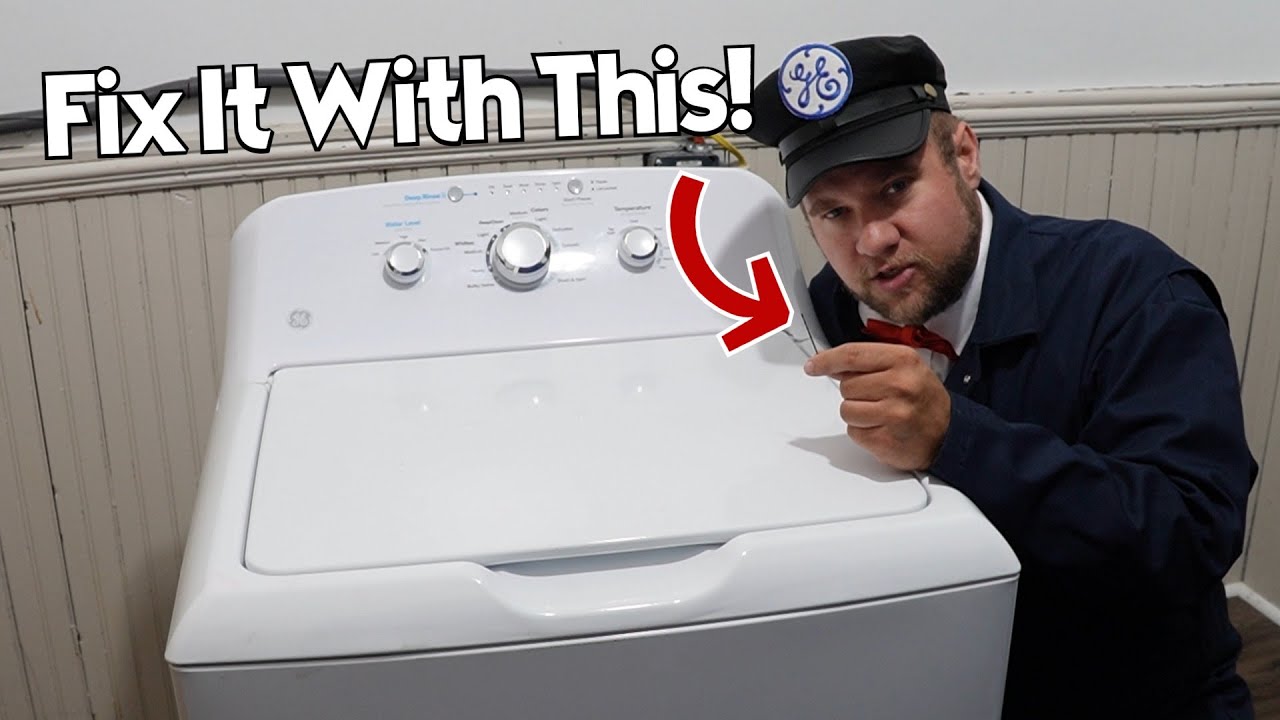
Washer Door Seal Mold Or Damage
A damaged seal can leak and grow mold.
Solutions
1. Clean Regularly
Wipe the seal with a vinegar solution every week.
2. Inspect For Tears
Replace the seal if you see cracks or holes.
3. Dry After Use
Always leave the door open to let the seal dry.
Pro insight: Never use bleach too often on rubber seals—it can make them brittle.
Washer Gives Burning Smell
A burning odor is a serious warning sign.
What To Do
1. Stop The Washer
Unplug immediately.
2. Check For Obstructions
Look for trapped clothing near the drum or motor.
3. Inspect Power Cord
Look for frays or scorch marks.
4. Drive Belt
On belt-driven models, a slipping belt can create a burning smell.
5. Call A Professional
Electrical issues or motor problems need expert repair.
Expert warning: Never ignore a burning smell. It can signal a real fire risk.
Washer Control Panel Not Responding
If buttons don’t work, the problem may be simple or complex.
Steps To Try
1. Power Cycle
Unplug for 60 seconds, then plug back in.
2. Check Child Lock
Disable by holding the lock button.
3. Test Outlet
Confirm the outlet is live.
4. Inspect For Moisture
Wipe the control panel dry. Water can cause short circuits.
5. Main Control Board
If none of these work, the board may need replacement.
Non-obvious insight: Static electricity can sometimes freeze the panel. Touching a metal object before pressing buttons may help.
Advanced Troubleshooting: When To Call For Service
Some problems need a trained technician. Don’t risk further damage.
- Control board replacement
- Drum or tub bearing issues
- Major leaks from underneath
- Persistent error codes after resets
- Washer trips circuit breakers
If your washer is under warranty, contact GE customer support or an authorized service center. They have tools and diagnostic equipment not available to homeowners.
For genuine parts and support, visit the official GE Appliances Service page.
Diy Maintenance Tips For Long Washer Life
Regular care prevents most problems and keeps your GE washer in top shape.
- Clean the drum and seal monthly
- Check and clean the drain pump filter every 3–6 months
- Inspect hoses for leaks or cracks twice a year
- Level the washer yearly
- Use only HE detergent if required
- Wipe the control panel and exterior with a damp cloth
- Leave the door open after use
Pro insight: Replace inlet hoses every five years, even if they look fine. Old hoses can burst suddenly.
Quick Reference: Common Problems And Solutions
Here’s a handy summary you can print and keep near your washer.
| Problem | Likely Cause | Fast Solution |
|---|---|---|
| Washer won’t start | Power, door switch, control lock | Check power, unlock control, close door |
| Not filling | Water supply, inlet filter | Open valves, clean filters |
| Not draining | Clogged hose, pump filter | Clear hose, clean filter |
| Leaking water | Hose, door seal, detergent | Tighten, clean, use less detergent |
| Bad smell | Moisture, residue | Clean drum, leave door open |
| No spin | Unbalanced load, drive belt | Redistribute, check belt |

Frequently Asked Questions
How Do I Reset My Ge Washer?
Unplug your washer for one full minute. Plug it back in, then open and close the door or lid six times within 12 seconds. This resets many GE models. For newer models, hold Start/Pause for 10 seconds after plugging back in.
Why Does My Ge Washer Smell Musty?
A musty smell means moisture is trapped inside. Clean the drum and seal with white vinegar, and always leave the door open after use to let air circulate.
What Does It Mean If My Ge Washer Is Not Draining?
If water stays in the drum, check for clogs in the drain hose or pump filter. Remove debris and reset the washer. If it still won’t drain, the pump may be faulty.
Why Won’t My Ge Washer Spin?
Common reasons include unbalanced loads, a faulty door switch, or a broken drive belt. Evenly distribute clothes and check the door. If it still won’t spin, a service call may be needed.
How Often Should I Clean My Ge Washer?
Run a cleaning cycle with hot water and vinegar or a washing machine cleaner once a month. Clean the door seal and detergent drawer regularly, and check the drain filter every 3–6 months.
CONCLUSION
With these steps and tips, you’re ready to handle most GE washer troubles on your own. Remember, regular maintenance is the key to years of clean, trouble-free laundry. If you ever feel unsure, reach out to a professional or the official GE Appliances Service for help.
You can keep your washer running smoothly and your laundry days stress-free.