When your unit stops mid-cycle or displays an error code, the most effective way to start ge profile washing machine troubleshooting is to unplug the power cord for 60 seconds to reset the control board. If the machine doesn’t restart or remains stuck, the most common cause is a clogged drain pump filter or a kinked hose blocking water flow. These simple steps often resolve minor glitches without needing a professional technician to visit your home.
Fixing common washing machine cycle issues
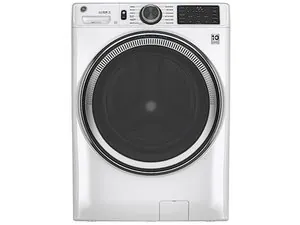
Most performance issues stem from simple blockages or power fluctuations rather than broken internal parts. If your machine stops suddenly, check the display for a flashing error code. These codes are specific signals from the computer, and you can find the official GE Appliances troubleshooting guide to see exactly what each code means for your model.
The second common cause is a build-up of debris in the drain pump. Small items like coins, buttons, or loose hairpins often bypass the drum and settle in the pump filter. This blocks the water from leaving the tub, which forces the safety sensor to pause the cycle to prevent flooding. Always check that your drain hose isn’t pushed too far into the standpipe, as this creates a siphon effect that drains water as fast as it enters.
Finally, consider the weight of your load. If you’re washing heavy items like blankets or rugs, the drum may become unbalanced. The machine will attempt to redistribute the load, but if it can’t find balance, it will stop to prevent the drum from hitting the sides of the cabinet. This is a safety feature, not a mechanical failure.
Clean the Drain Pump Filter
This task is for owners who notice water sitting in the bottom of the drum after a cycle ends. To start, locate the small door at the bottom front of your machine. Keep a shallow pan or a few old towels ready, as some residual water will spill out once you loosen the cover.
Turn the filter cap counter-clockwise slowly. If you feel strong resistance, stop and check for debris that might be wedged in the threads. Once the cap is loose, pull it out and rinse away all trapped lint, coins, or small objects under a warm faucet. Inspect the cavity inside the machine to ensure no small pieces remain stuck in the impeller blades.
This isn’t for you if you have a physical condition that makes kneeling or reaching the floor difficult, or if you aren’t comfortable handling water near electrical plugs. If the filter is perfectly clean but the water still won’t drain, you likely have a blockage deeper in the house plumbing. In that case, call a local plumber to clear the drain line instead of trying to force the machine to work.
Reset the Control Board and Sensors
If the control panel is frozen or the buttons don’t respond, a hard reset is often the only step you need. Unplug the machine from the wall outlet completely. Wait at least one full minute to allow the capacitors on the internal board to discharge. This clears the temporary memory and forces the machine to reboot its software.
Plug the machine back in and run a “Drain and Spin” cycle to test if the controls are functional. If the display lights up but the machine makes a humming noise without spinning, you might have a blown fuse or a door lock that failed to engage. Check that the door is pushed firmly shut until you hear a click.
This fix is ideal for software glitches, but it won’t repair hardware damage. If the machine still shows an error code after the reset, the internal board or a sensor may have reached the end of its life. If you aren’t confident in testing the door latch or the power supply, stop here. A licensed technician should handle any internal electrical diagnostics to avoid the risk of shock.
Inspect the Water Inlet Hoses
When the machine doesn’t fill, the problem is often in the supply lines rather than the machine itself. Check the back of the unit to ensure the hot and cold water hoses aren’t bent or pinched against the wall. Even a small kink can restrict the pressure enough to trigger an error code for a slow fill.
Unscrew the hoses from the back of the machine and check the small mesh screens inside the inlet valves. These screens catch sediment from your home pipes and can become completely blocked over time. Use a soft brush to clear the mesh under running water. If you see white mineral deposits, you may need to soak the screens in white vinegar for 30 minutes to dissolve the buildup.
This is a great step for households with hard water or older plumbing. If you see signs of rust or cracks on the rubber hoses themselves, replace them immediately. A leaking hose can cause significant water damage to your floors. If you don’t have the proper wrench to safely tighten these connections without stripping the threads, ask a professional to help with the installation.
Avoid Common GE Profile Washing Machine Troubleshooting Mistakes
Don’t pour harsh chemical drain cleaners into the washing machine drum. These liquids are designed for sink pipes and will destroy the rubber seals and internal pump components of your appliance. A single application can cause permanent leaks that cost hundreds in repairs.
Never try to bypass the door lock switch with wire or tape. This switch is a critical safety device that prevents the drum from spinning while the door is open. Bypassing it carries a high risk of injury, especially if children are nearby.
Don’t use an extension cord to power your washer. These machines draw high amperage, and a standard household cord can easily overheat and start a fire. If your outlet is too far, hire an electrician to install a dedicated circuit rather than relying on a temporary fix.
Avoid overloading the drum with too many heavy items. The machine is calibrated for a specific weight limit. Exceeding this limit causes the motor to strain and eventually fail. If the drum struggles to rotate during the wash cycle, remove half the load immediately to prevent permanent damage.
Maintain Your Machine for Longevity
| If you’re doing this | Do this instead | Why |
|---|---|---|
| Leaving the door shut | Leave it cracked open | Prevents mold and bad odors |
| Using too much soap | Use high-efficiency detergent | Prevents excess suds and residue |
| Ignoring small leaks | Tighten or replace hoses | Stops major water damage |
| Washing heavy rugs | Use a local laundromat | Protects the drum and motor |
Most users mistakenly believe that more detergent cleans clothes better. In reality, excess suds trap dirt in the machine’s internal bellows, creating a breeding ground for bacteria. If your clothes feel stiff or smell sour after a cycle, you’re likely using too much soap.
Regarding leaks, never ignore a slow drip from the supply line. If you see moisture on the floor, shut off the intake valve immediately.
Finally, follow the weight limit. If you can’t fit your hand between the laundry and the top of the drum, the load is too heavy. Overloading causes the suspension springs to fail, leading to costly drum misalignment. If your machine vibrates violently during the spin cycle, stop the load and remove items.
Frequently asked questions
Can I fix a ge profile washing machine that won’t spin?
You can often fix a non-spinning machine by redistributing the load or clearing a drain blockage. Machines refuse to spin if the load is unbalanced to prevent vibration damage. If the drum is balanced and the pump is clear, you may have a mechanical issue requiring professional repair.
How long does a ge profile washing machine usually last?
A standard machine typically lasts between 8 and 12 years with regular maintenance. Lifespan depends heavily on usage frequency and the quality of your local water supply. Hard water mineral deposits can shorten the life of your inlet valves and pump.
Is it safe to use a screwdriver to open the machine?
It’s never safe for a home user to open the machine housing. Internal components like the motor and capacitor can hold a dangerous electrical charge even after unplugging the unit. Opening the cabinet also voids your manufacturer’s warranty and risks electric shock.
Why is my ge profile washing machine leaking from the bottom?
Leaks are usually caused by a torn door seal or a loose drain filter cap. Inspect the rubber door gasket for holes and ensure the bottom filter door is screwed in fully. If water leaks from the back, check hose connections for loose washers or cracked lines.
What happens if I ignore the error code on the display?
Ignoring an error code will likely cause the machine to stop mid-cycle and suffer permanent damage to the motor or control board. These codes act as early warnings to prevent minor issues from becoming major repairs. Address the code immediately to avoid overheating or water backup.
How often should I clean the drain pump filter?
Clean it immediately if the machine drains slowly or clothes remain excessively wet. Keeping this filter clear is the most important step for preventing common drainage errors.
Conclusion
Regular cleaning and basic checks will keep your machine running for years. If you follow the steps above and the problem persists, don’t force the machine to run, as this may lead to costly damage. Contact the support team at your local appliance service center to have a pro look at the internal components.
Related guides