
You can address most common performance issues with GE GUD27ESSJ1WW troubleshooting by checking the power supply, the door latch, and the lint filter for blockages. If your unit isn’t turning on or failing to heat, the most likely cause is a tripped circuit breaker or a blocked exhaust vent. If you suspect a major internal fault, contact a licensed appliance repair technician.
Troubleshooting common GUD27ESSJ1WW failures
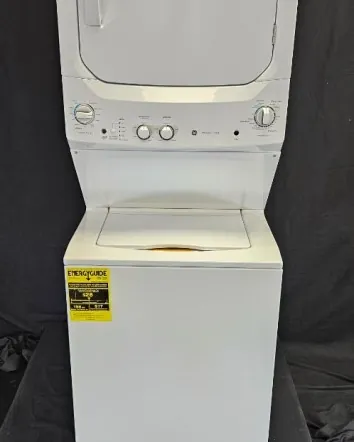
When your laundry center stops working as expected, the issue often stems from simple mechanical or electrical interruptions. The most frequent culprit for a unit that runs but doesn’t heat is a restricted airflow path. If the dryer vent is clogged with lint, the internal safety thermostat will cut the heat to prevent a fire. You can verify this by checking the exhaust flow at the exterior vent cap while the machine is running.
Another common cause involves power delivery issues. Because this unit is a stacked appliance, it requires a dedicated 240-volt circuit to power both the washer and the dryer components. If the dryer runs but the washer won’t fill, or vice versa, one leg of your power supply may be disconnected at the breaker box.
Always confirm that both circuit breakers are in the “on” position before inspecting the machine. You can find specific electrical requirements and safety guidelines for your model in the GE Appliances owner manual.
Inspecting the door switch mechanism
If your dryer refuses to start even when the power is on, the door switch is a likely point of failure. This component acts as a safety gate; if the machine doesn’t detect that the door is firmly shut, it won’t engage the motor. This is a common issue if the door hinge has become slightly misaligned over time.
To check this, open and close the dryer door several times while listening for a distinct clicking sound from the switch area. If you don’t hear a click, or if the door feels loose when closed, it may not be pressing the switch button deep enough to trigger the circuit.
A common mistake is assuming the switch is dead when the issue is actually the door strike. Inspect the plastic tab on the door frame. If it’s cracked or worn down by even two millimeters, it will fail to depress the switch fully.
If the switch itself is damaged or stuck in the open position, the dryer will remain silent. A technician can confirm whether the part has failed. Don’t attempt to bypass this switch, as it’s a vital safety feature. If it remains unresponsive, replace the switch assembly.
Clearing the exhaust ventilation system
A dryer that takes too long to dry clothes or stops mid-cycle is often struggling with trapped heat. When the exhaust path is restricted by lint buildup, the internal temperature rises rapidly. The unit’s high-limit thermostat will then trigger an automatic shutdown to protect the appliance from overheating. This isn’t a defect in the machine but a response to poor ventilation.
To resolve this, disconnect the flexible vent hose from the back of the laundry center and inspect it for heavy lint deposits. Use a vacuum to clear any debris from the hose and the wall outlet. If the hose is crushed or kinked, replace it with a new, rigid or semi-rigid metal vent pipe. Avoid using white plastic vent hoses, as these are a significant fire hazard.
If the airflow remains weak after cleaning the hose, the blockage may be deep within the wall ducting, which requires professional duct cleaning services. A simple way to check your progress is the “hand test.” Hold your hand near the exterior vent hood while the dryer runs on a high-heat cycle.
If you feel only a faint breeze rather than a strong, warm gust, the blockage is likely in the wall duct. Ignoring this restriction forces the motor to work harder, which can lead to a blown thermal fuse or a costly belt failure.
Verifying the water supply and drain
If the washer portion of your unit is failing to operate, start by confirming the water supply valves are fully open. Sometimes, a valve can be bumped partially closed, restricting the flow enough to cause a “no fill” error. Check the back of the machine to ensure the hoses aren’t kinked or crimped against the wall.
Additionally, ensure the drain hose isn’t pushed too far into the standpipe. If the hose sits too deep, it can create a siphon effect that drains the water as fast as it enters the drum. A simple rule: the hose should extend no more than six inches into the pipe. If you see water constantly trickling into the drain during the fill cycle, your hose is likely submerged too deeply.
If the machine fills but won’t agitate or spin, check the load balance. If you’re washing a single heavy item, like a rug or a large blanket, the internal sensors may prevent the spin cycle to protect the motor from excessive vibration.
Redistribute the load evenly and attempt to restart the cycle. If the machine still refuses to spin while empty, the motor or the drive belt may require professional inspection. Ignoring these balance warnings often leads to premature failure of the suspension springs.
Mistakes that cause further damage
Bypassing the door switch: Never tape down or wire around the door switch. This removes the safety mechanism that stops the drum when the door opens. If you bypass this, a child or pet could be pulled into the spinning drum, which is a lethal hazard.
Overloading the drum: Filling the washer or dryer past the recommended capacity puts extreme strain on the drive motor and belt. If you can’t fit your hand in comfortably, you’re overloading the unit. This mistake often leads to premature belt snapping, which costs three times more to repair than a simple motor reset.
Ignoring error codes: If your control panel flashes a specific sequence of lights, don’t simply turn the machine off and on. Note the pattern for your technician. Resetting the machine clears the diagnostic memory, forcing the technician to run a full cycle just to recreate the fault.
Using improper venting: Installing a long, convoluted, or plastic vent pipe creates a fire risk. Rigid metal ducting is the only safe standard. Plastic vents trap lint, which ignites when the motor overheats.
Preventing future laundry center issues
If you’re following a specific cleaning schedule, you can keep your machine running efficiently for years. The key is to match your maintenance tasks to your actual usage frequency.
| If you’re doing this | Do this instead | Why |
|---|---|---|
| Cleaning lint once a week | Clean the lint filter after every load | Prevents airflow restriction |
| Leaving the door closed | Leave the washer door cracked open | Prevents mold and mildew growth |
| Using “heavy” cycles always | Use appropriate cycles for the load | Reduces motor and belt wear |
| Ignoring vibration | Level the feet of the machine | Prevents internal component damage |
Most owners fail by overloading the drum. If you can’t fit a vertical hand between your clothes and the top of the tub, you’re straining the bearings. This mistake is expensive to repair relative to the cost of the unit.
Use this decision rule: if your machine makes a rhythmic thumping sound, check the leveling feet immediately. If the noise is a high-pitched squeal, the belt is likely slipping. Addressing these specific sounds early prevents the catastrophic failure of the motor assembly.
Frequently asked questions
Can I fix a broken drive belt myself?
No, replacing a drive belt on this model requires disassembling the entire cabinet housing, which is a complex job for a professional. Because the motor is mounted near high-voltage components and the drum is under spring tension, attempting this without training poses a risk of personal injury. If your drum doesn’t turn while the motor hums, contact a certified appliance repair service to perform the replacement safely.
Why does my dryer stop after 10 minutes?
Your dryer is likely overheating due to a restricted exhaust vent or a clogged lint screen. When airflow is blocked, the high-limit thermostat trips to prevent fire, causing the unit to shut down. Clear the external exhaust duct and vent hose to restore proper airflow. If the unit still shuts down, a professional may need to replace the thermostat.
How do I know if the motor is burned out?
A burned-out motor typically produces a strong burning plastic smell or a loud, persistent humming sound without the drum moving. If you smell smoke or burning, unplug the unit immediately and don’t use it again. This is a critical electrical failure that requires a service technician to inspect the motor.
Is it safe to use an extension cord for this unit?
No, it’s never safe to use an extension cord with this laundry center because it requires a high-amperage 240-volt circuit. Extension cords aren’t rated for the power draw of a combined washer and dryer and will quickly overheat, creating a severe fire hazard. The unit must be plugged directly into a properly installed, grounded wall receptacle that matches the plug configuration of your specific power cord.
How often should I clean the dryer vent?
You should inspect and clean the dryer vent system at least once every 12 months for standard usage. If clothes remain damp after a full cycle, the vent requires immediate cleaning. Maintaining a clear vent path is the most effective way to prevent motor strain and reduce the risk of fire.
Conclusion
The performance of your laundry center relies on the health of your home’s electrical and ventilation systems as much as the machine itself. By keeping the intake and exhaust paths clear and respecting the capacity limits of the drum, you can avoid most common service calls. If you ever hear unusual grinding noises or detect burning odors, stop use immediately and seek professional help.