A GE stove is a central part of many kitchens. It helps you cook meals, bake treats, and boil water for tea or coffee. But when your stove stops working right, it can ruin your day. You might face problems like burners not lighting, uneven heating, error codes, or even electrical issues.
Fixing these problems can feel confusing, especially if you haven’t dealt with appliances before.
This guide gives you clear steps to solve the most common GE stove problems. You’ll learn how to check burners, understand error codes, fix uneven heating, and handle electrical faults. With practical advice, real examples, and helpful tables, you’ll feel more confident about troubleshooting your stove—even if English is not your first language.
Whether you have a gas or electric GE stove, this article shows you how to find and fix issues, avoid mistakes, and keep your kitchen running smoothly.
Understanding Your Ge Stove
Before you start fixing problems, it helps to know your GE stove’s basic parts and how they work. GE makes gas stoves, electric stoves, and dual-fuel models. Each type has its own features and common issues.
Main Parts Of A Ge Stove
- Burners: Where you cook food. Gas stoves use flame; electric stoves use heating coils.
- Ignition system: Starts the flame in gas models.
- Control knobs: Let you adjust temperature and power.
- Oven: For baking and roasting.
- Display panel: Shows settings or error codes (especially in newer models).
- Heating element: In electric stoves and ovens.
- Thermostat: Controls oven temperature.
Knowing these parts will help you find the problem faster. For example, if the burner won’t light, the issue might be with the ignition system or the gas supply.
Common Ge Stove Types
| Model Type | Main Features | Common Issues |
|---|---|---|
| Gas Stove | Uses flame, quick heating | Ignition problems, gas leaks |
| Electric Stove | Heating coils, even heat | Element failure, uneven heating |
| Dual-Fuel | Gas cooktop, electric oven | Complex repairs, error codes |
Diagnosing Common Problems
When your stove stops working, start by checking the basics. Many issues are caused by simple things, like a loose plug or dirty burner. Here are the most common GE stove problems and how to diagnose them.
Burner Won’t Light
If your gas burner won’t light, it’s usually one of these:
- No gas supply: Make sure the gas valve is open.
- Ignition system failure: Listen for a clicking sound when you turn the knob. No click means the igniter isn’t working.
- Dirty burner: Food or grease can block gas flow.
- Loose wiring: Check under the stove for disconnected wires.
Electric burners that don’t heat up often have:
- Broken heating element: The coil may be burnt or cracked.
- Bad connection: Remove the coil and check the socket.
- Power supply issues: Make sure the stove is plugged in and the circuit breaker is on.
Oven Not Heating Properly
If your oven doesn’t heat, look for these:
- Faulty heating element: The element may be broken.
- Broken thermostat: The oven might not know the correct temperature.
- Control panel issues: Error codes may appear.
- Door not sealing: Heat escapes if the door gasket is damaged.
Error Codes On Display
Newer GE stoves have digital displays. If you see an error code, check your manual. Some common codes:
- F1: Oven sensor problem
- F2: Overheating
- F3/F4: Temperature sensor error
- F9: Door lock issue
If you don’t have the manual, you can find most codes online or through the GE Appliances support site.
Uneven Heating
Your stove may cook food unevenly if:
- Heating element is weak
- Oven fan is broken
- Burner holes are blocked
Stove Not Turning On
If nothing works, check:
- Power supply: Plug and outlet
- Circuit breaker: Has it tripped?
- Fuse: Some stoves have internal fuses.
Step-by-step Troubleshooting For Ge Gas Stoves
Gas stoves have unique problems. Here’s how to fix the most common ones.
How To Fix A Burner That Won’t Light
- Check gas supply: Make sure the main gas valve is open. If you smell gas, stop and call a professional.
- Clean the burner: Remove the burner cap. Use a brush to clean any food or grease.
- Check ignition: Turn the knob and listen for a click. If you hear nothing, the igniter may be faulty.
- Inspect wiring: Unplug the stove and look for loose wires under the cooktop.
- Replace igniter: If the igniter is broken, you can buy a new one. Make sure you get the correct part for your model.
Dealing With Weak Or Uneven Flame
A weak flame can make cooking slow. Try these steps:
- Clean burner holes: Use a needle to clear any blockages.
- Check gas pressure: Low pressure can cause weak flames.
- Look for leaks: Spray soapy water on connections. Bubbles mean a leak.
Oven Not Heating
If your gas oven won’t heat:
- Check the igniter: It should glow before the gas starts.
- Test the safety valve: If the igniter works but no heat, the valve may be faulty.
- Inspect thermostat: The oven may not know when to turn on.
Gas Leaks
If you smell gas:
- Turn off the stove
- Open windows
- Do not use electrical devices
- Call your gas company or a technician
Never try to fix a gas leak yourself.
Step-by-step Troubleshooting For Ge Electric Stoves
Electric stoves are common in many homes. Problems are often related to power or heating elements.
Burner Not Heating
- Check coil element: Remove the coil and look for cracks.
- Test socket: Use another coil. If it works, the socket is fine.
- Check power: Make sure the stove is plugged in.
- Circuit breaker: Reset if needed.
Oven Not Heating
Electric ovens have two main elements:
- Bake element: Bottom of the oven
- Broil element: Top of the oven
If the oven doesn’t heat:
- Inspect both elements: Look for burns or breaks.
- Test with a multimeter: Elements should show continuity.
- Check control panel: Error codes may help you find the problem.
Oven Door Won’t Close
A door that won’t close can cause heat loss.
- Check gasket: Replace if damaged.
- Inspect hinges: Tighten or replace if loose.
Oven Temperature Too High Or Low
If your oven cooks food too quickly or slowly:
- Test thermostat: Use an oven thermometer.
- Calibrate oven: Some models let you adjust temperature settings.
- Replace thermostat: If calibration fails.
Troubleshooting Digital Controls And Error Codes
Modern GE stoves have digital displays and touch controls. Problems with these can be tricky.
Common Error Codes And Fixes
Below is a quick reference for common GE stove error codes and their meanings.
| Error Code | Meaning | Action |
|---|---|---|
| F1 | Sensor or control failure | Reset stove, replace sensor if needed |
| F2 | Oven overheated | Check thermostat and cooling fan |
| F3 | Temperature sensor open | Replace sensor |
| F9 | Door lock issue | Check lock mechanism |
Resetting Your Ge Stove
Sometimes, resetting fixes the problem:
- Unplug stove
- Wait 5 minutes
- Plug back in
If error codes return, you may need to replace parts.
Touchpad Or Display Not Working
- Check power
- Inspect for moisture: Water can damage the touchpad.
- Replace touchpad: If it stays unresponsive.
Fixing Uneven Heating And Cooking
Uneven heating can ruin recipes. Here’s how to fix it:
For Stovetop Burners
- Clean burner holes: Blockages cause uneven flames.
- Check pan size: Use the correct size for the burner.
- Inspect burner cap: It should sit flat.
For Ovens
- Fan problems: Convection ovens use a fan. If broken, heat isn’t spread well.
- Element issues: If one element is weak, heat is uneven.
- Overcrowding: Too many pans block airflow.
Practical Example
If cookies burn at the back but stay raw in front, check:
- Oven rack position
- Fan operation
- Door seal
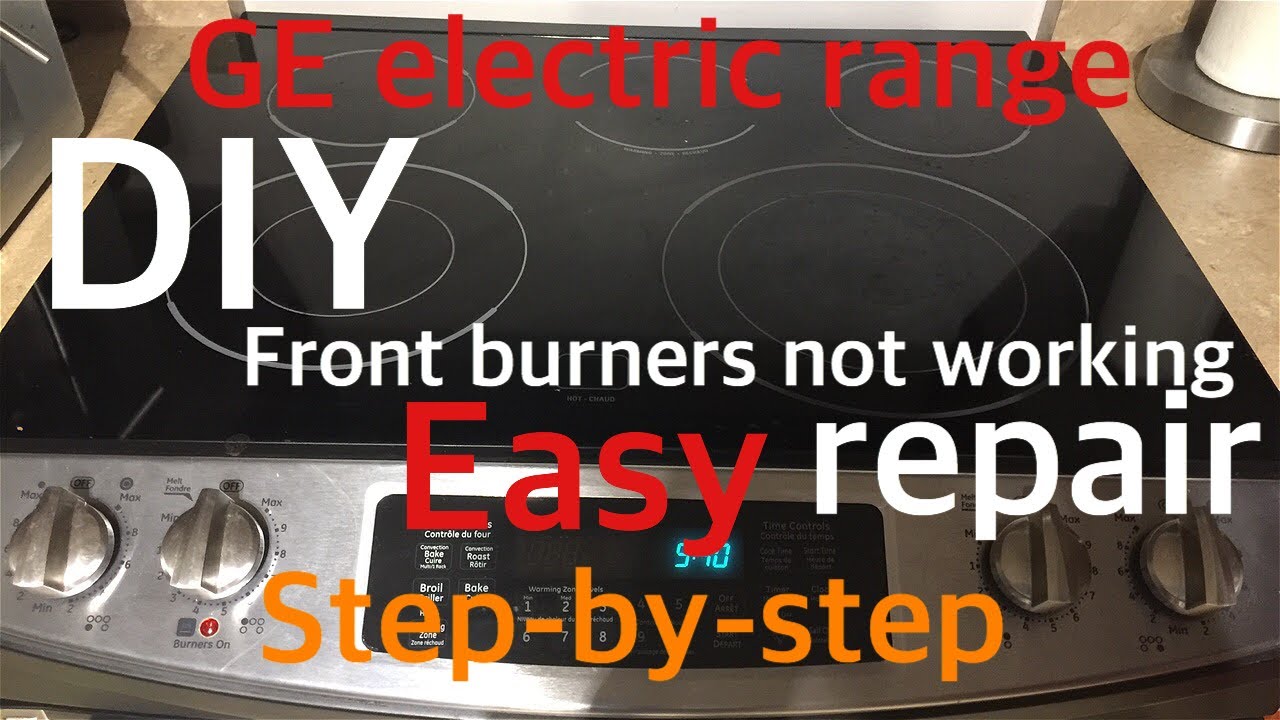
Stove Not Turning On: Electrical Troubleshooting
When your stove won’t turn on, electrical issues are often the cause.
Check Power Supply
- Plug and outlet: Try another device in the outlet.
- Circuit breaker: Flip it off and on.
- Fuse: Some stoves have a fuse inside.
Inspect Internal Wiring
- Loose connections: Look for disconnected wires.
- Burnt wires: Replace if damaged.
Comparing Gas Vs. Electric Stove Troubles
Understanding which type of stove you have helps you solve problems faster. Here’s a quick comparison.
| Issue | Gas Stove | Electric Stove |
|---|---|---|
| Burner won’t light | Ignition or gas supply | Heating element or socket |
| Oven not heating | Igniter or valve | Heating element or thermostat |
| Error codes | Less common | More common |
| Electrical issues | Rare | Common |
Maintenance Tips To Prevent Stove Problems
Regular care keeps your stove working longer and avoids many issues.
Cleaning
- Burners and grates: Clean weekly with soap and water.
- Oven interior: Wipe spills quickly.
- Control panel: Use a damp cloth, avoid harsh cleaners.
Inspection
- Check for loose wires
- Look for cracks in heating elements
- Inspect door gasket
Simple Maintenance Tasks
- Replace burner caps if damaged.
- Check igniters once a month.
- Calibrate oven each season.
Non-obvious Insight
Many people forget to clean under the stove top. Food and grease collect here, causing blockages and even fire risk. Lift the cooktop (if possible) and clean underneath every month.
When To Call A Professional
Some problems are too dangerous or complex to fix yourself.
Signs You Need Help
- Gas smell
- Electrical sparks
- Repeated error codes
- Internal wiring issues
Trying to fix these yourself can cause injury or damage. Call a certified GE technician for serious problems.
How To Find A Good Technician
- Check reviews
- Ask for certification
- Get a quote first
A good technician will explain the issue and offer options.
Safety Precautions For Troubleshooting
Working on stoves can be risky. Always follow safety rules.
Before You Start
- Unplug electric stoves
- Turn off gas supply
- Wear gloves
- Keep children away
During Troubleshooting
- Don’t use water on electrical parts
- Avoid touching wires
- Don’t force parts
After Repairs
- Test all functions
- Check for leaks
- Watch for error codes
Common Mistakes To Avoid
Even experienced users make mistakes. Here are a few to watch out for:
- Skipping basic checks: Always start with power and gas supply.
- Using wrong parts: Only use GE-approved replacements.
- Ignoring safety: Forgetting to unplug or turn off gas is dangerous.
- Overcrowding oven: Too many pans cause uneven heat.
- Trying to fix gas leaks yourself: Always call a professional.
Real-life Examples
Let’s look at a few real situations and how to handle them.
Example 1: Burner Won’t Light After Cleaning
You cleaned your gas burners, but now they won’t light. Check if you put the burner caps back correctly. They must sit flat. If still not working, check the igniter wire.
Example 2: Oven Shows Error Code F3
Your GE oven shows “F3” after you try to bake. This means a temperature sensor problem. Try resetting the stove. If the error returns, replace the sensor.
Example 3: Electric Burner Heats Unevenly
An electric coil burner cooks food unevenly. Remove the coil and check for cracks. If it looks fine, try it in another socket. If still uneven, the socket may be faulty.
Example 4: Oven Not Heating After Power Outage
After a storm, your stove won’t turn on. Check the circuit breaker first. If it’s fine, unplug the stove for 5 minutes, then plug in again. This resets the control panel.
Example 5: Gas Smell During Cooking
You smell gas while cooking. Turn off the stove, open windows, and leave the house. Call your gas company. Never try to fix this yourself.
Upgrading Or Replacing Your Ge Stove
Sometimes, fixing isn’t worth it. If your stove is old, parts are hard to find, or repairs cost more than a new stove, consider replacing it.
Signs It’s Time To Replace
- Stove is over 15 years old
- Repairs are frequent
- Parts are unavailable
- Safety issues
Choosing A New Ge Stove
Look for:
- Fuel type: Gas, electric, or dual-fuel
- Size: Fits your kitchen
- Features: Self-cleaning, convection, digital controls
Compare energy usage. New stoves are often more efficient.
Ge Stove Troubleshooting Checklist
Here’s a quick checklist you can use before calling for help:
- Is the stove plugged in?
- Is the gas supply on?
- Are burners clean?
- Is the circuit breaker on?
- Are heating elements intact?
- Are error codes showing?
- Is the oven door sealing well?
- Is the control panel working?
Frequently Asked Questions
How Can I Reset My Ge Stove If It Shows An Error Code?
To reset your GE stove, unplug it from the outlet and wait about five minutes. Plug it back in and check if the error code is gone. If the code returns, you may need to replace a sensor or call a technician.
Why Does My Ge Gas Stove Have A Weak Flame?
A weak flame can be caused by blocked burner holes, low gas pressure, or a faulty regulator. Try cleaning the burner with a needle and check that the gas valve is fully open. If the problem continues, call your gas supplier.
How Do I Know If My Ge Stove’s Heating Element Is Broken?
Look for visible burns, cracks, or breaks in the heating coil. You can also use a multimeter to check for continuity. If the element does not heat and shows no continuity, it needs to be replaced.
What Should I Do If My Oven Cooks Unevenly?
Check the oven’s fan, heating elements, and door seal. Make sure you are not overcrowding the oven with pans. Sometimes, placing the rack in the center helps distribute heat better.
Is It Safe To Fix A Gas Leak On My Own?
No. If you smell gas, leave the house and call your gas company or a professional technician. Never try to fix gas leaks yourself, as it can be dangerous.
Fixing a GE stove can be simple or complex, depending on the issue. Start with basic checks, follow safety rules, and use the troubleshooting steps in this guide. Regular cleaning and careful use prevent most problems. If you face gas leaks, severe electrical faults, or repeated errors, call a professional.
With these tips, your GE stove will stay reliable and safe for years to come.