If your ge washer troubleshooting won’t spin, the most common cause is an unbalanced load that triggers the machine’s safety sensors to stop the cycle. You can fix this by pausing the washer, redistributing the wet laundry evenly around the drum, and restarting the spin cycle. If the clothes are still dripping wet after a manual restart, the issue may stem from a faulty lid switch or a worn drive belt that requires professional inspection.
GE washer troubleshooting when it won’t spin
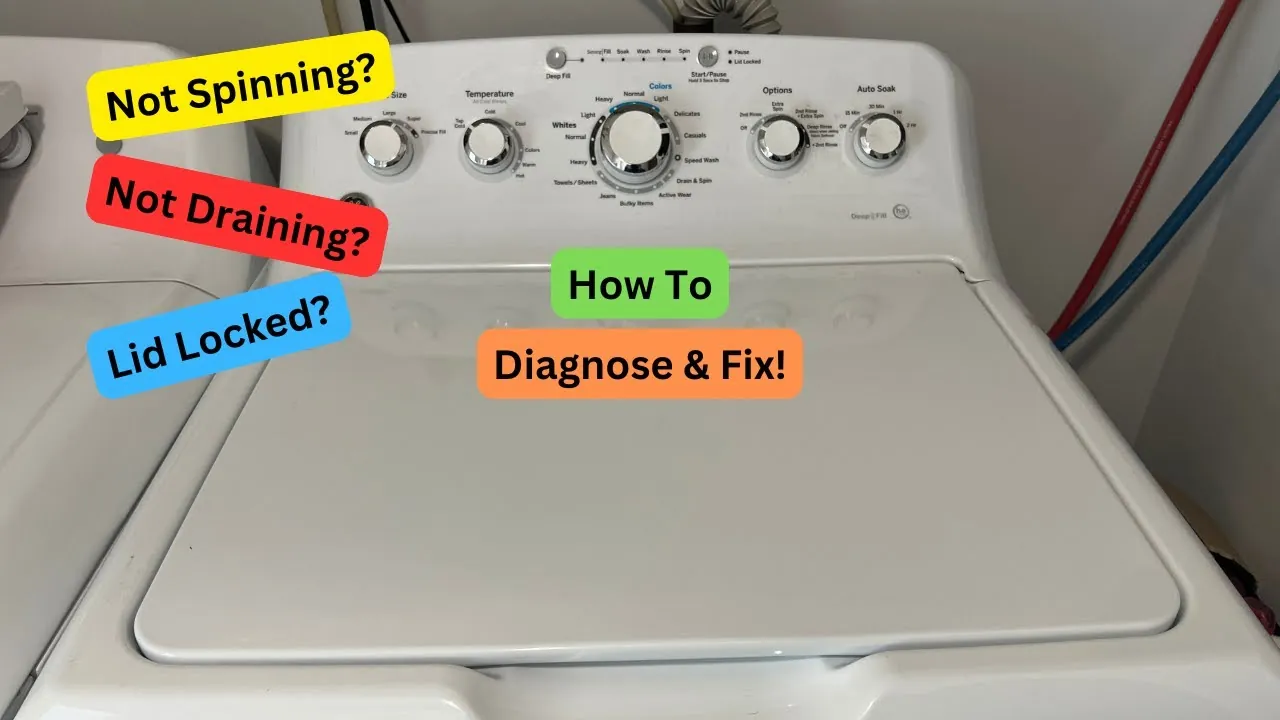
When a washing machine stops during the spin phase, it’s almost always responding to a mechanical or electronic safety limit. These sensors protect the motor and the tub from damage when the internal components can’t move as intended.
The most frequent reason for this behavior is an uneven weight distribution inside the stainless steel basket. When the load is too heavy on one side, the tub shakes violently, and the control board shuts down the cycle to prevent the machine from walking or vibrating off its base.
Another common cause involves the lid switch or door lock mechanism. For safety reasons, the motor won’t engage if the machine doesn’t detect that the door is firmly closed and locked. If the latch is broken or the sensor is covered in soap residue, the washer will assume the door is open and refuse to spin.
Finally, internal wear and tear can cause a total loss of spin. The drive belt connects the motor to the transmission or pulley; if this belt snaps or slips, the motor may run, but the drum will remain stationary. This usually happens after several years of heavy use or if the washer is consistently overloaded. If you hear the motor humming but see no movement, the belt is likely the culprit.
Safety: Inside a mains-powered machine, the parts behind the outer cover can hold a dangerous electrical charge even after it has been unplugged — that’s why they sit behind a cover. Opening the housing, or testing or replacing anything behind it, is a job for a qualified technician, never a home repair.
Redistribute the load manually
If you notice your washer stops mid-cycle, the first step is to check if the laundry is tangled or bunched on one side. Open the lid once the machine has safely come to a complete stop. Take a moment to pull the wet clothes apart and spread them out into a balanced, circular layer around the agitator or the center of the drum. This simple adjustment often resolves the issue instantly.
If you have a large blanket or a heavy rug in the washer, these items tend to absorb too much water and become extremely heavy on one side. If the load is too large for the tub, remove one or two heavy items and try running the spin cycle again with a lighter load. Always ensure you aren’t exceeding the manufacturer’s recommended capacity for your specific model.
You’ll know this fix worked if the machine begins to spin steadily without loud banging or shaking noises. If the washer still refuses to spin after you have balanced the clothes, the problem is likely not the load itself.
In that case, you should move on to checking the electrical controls or the door locking system. If you aren’t comfortable working with machine components or if the unit is under warranty, contact a certified technician to avoid accidental damage or personal injury.
Reset the control board
Sometimes the electronic brain of the washer simply gets stuck due to a temporary power fluctuation or a minor glitch. You can perform a hard reset by unplugging the power cord from the wall outlet for at least 60 seconds. This allows the capacitors on the control board to discharge fully, which clears any temporary error states that might be preventing the motor from engaging.
After one minute, plug the washer back into the outlet and select the “Drain and Spin” cycle. Don’t try to run a full wash cycle immediately; testing only the spin function helps you confirm if the electronic control is now communicating correctly with the motor. If the drum begins to spin, the reset was successful and the machine is ready for use.
If the machine remains silent or displays the same error code after the reset, the issue is likely a hardware failure. A faulty lid lock or a burnt-out motor control board can’t be fixed by a simple reset. If you’re handy, you can check the door latch for visible debris or damage, but never attempt to bypass safety switches or open the motor housing yourself. A technician must handle internal wiring repairs to ensure the machine remains safe to operate.
Many users mistakenly assume that turning the machine off via the front panel button is sufficient. This is incorrect because the control board remains powered in standby mode. You must physically disconnect the plug to break the circuit. If the display remains lit while the cord is unplugged, it’s due to residual energy in the capacitors; wait until the screen goes completely dark before plugging it back in.
Inspect for external obstructions
A washer that can’t drain properly will often refuse to spin as a safety precaution. If there’s water standing in the bottom of the tub, the machine won’t attempt a high-speed spin because the extra weight of the water could damage the suspension system. Check the drain hose behind the washer to ensure it isn’t kinked, pinched, or clogged with lint.
Make sure the drain hose isn’t pushed too far into the standpipe, as this can create a siphon effect that prevents the water from leaving the machine. If the hose is clear, check the drain pump filter if your specific model has a visible access panel. A buildup of coins, hairpins, or small pieces of fabric in the pump can prevent the water from draining, which effectively disables the spin cycle.
This fix is worth the effort if you find a simple blockage that you can clear by hand. However, if the drain pump itself is making a grinding noise or is cracked, it must be replaced. If you find that the drain pump is the source of the issue, you should call a professional service provider. Attempting to disassemble the pump or the plumbing connections can lead to significant water leaks if not sealed correctly during reassembly.
Common mistakes to avoid
Forcing the lid open: Never pry the lid while the cycle is active. This snaps the plastic latch or misaligns the locking sensor. A broken sensor often triggers a permanent “door open” error that requires a professional technician to reset.
Overloading the drum: Filling the washer to the top leaves no room for clothes to shift. If you can’t fit your hand vertically between the laundry and the top of the drum, you have overloaded it. This causes unbalanced load errors that strain the motor bearings.
Using too much detergent: Excess suds create a false foam sensor error. This forces the machine to pause spinning to prevent an overflow. If you see suds near the door seal, run an extra rinse cycle immediately to prevent residue buildup on the internal pump.
Ignoring error codes: Search for the specific code online. If the code persists after a hard reset, check the drain filter for debris before calling a repair service.
How to stop it happening again
Staying on top of simple maintenance keeps your washer running smooth. Most spin issues are caused by habits that put unnecessary strain on the motor and suspension.
| If you’re doing this | Do this instead | Why |
|---|---|---|
| Washing heavy rugs | Wash one at a time | Prevents extreme imbalance |
| Using “extra” soap | Use the recommended amount | Prevents sensor-triggering suds |
| Leaving coins in pockets | Empty all pockets first | Protects the drain pump |
| Slamming the lid | Close the lid gently | Protects the locking sensor |
The most common mistake is overloading the drum with mixed fabric weights. If you wash heavy jeans alongside light cotton shirts, the machine can’t balance the load during the high-speed spin cycle. This causes the tub to bang against the frame, eventually triggering a permanent error code.
Use this decision rule: if the wet clothes feel like a dense, solid mass, remove half the load. If you hear a rhythmic thumping noise during the spin, pause the cycle immediately. Rearranging the items manually prevents the suspension springs from stretching, which saves you a costly repair bill.
Frequently asked questions
Can I fix a broken lid switch myself?
No, you shouldn’t replace a lid switch yourself unless you have specific training. These components are integrated into the machine’s safety system, and improper installation can prevent the lid from locking. Please call a qualified service technician to ensure all safety features remain fully functional.
How long does a spin cycle usually take?
A standard spin cycle lasts between 8 and 15 minutes depending on your model and fabric settings. If your machine stops after a few seconds, it’s likely detecting an imbalance or sensor error. Check the drain hose for clogs if the cycle consistently takes longer than 20 minutes.
Why does my washer make a thumping noise before it stops?
A thumping noise occurs when the internal basket hits the outer tub due to an unbalanced load. The machine automatically stops the spin to prevent damage to the tub or motor. Pause the cycle and rearrange the clothes to distribute the weight evenly before restarting.
Is it safe to use the washer if it won’t spin?
It isn’t safe to continue using a washer that fails to spin, as this often indicates a deeper mechanical failure. Running a machine that’s struggling with its motor or locking mechanism can lead to water leaks, electrical shorts, or damage to the floor beneath the unit. You should stop using the washer and troubleshoot the cause before attempting another load of laundry to avoid causing further damage to the appliance.
How many clothes should I put in the washer?
Fill the washer only three-quarters of the way to allow for proper movement during cycles. Overstuffing is the most frequent cause of spin failure because clothes can’t balance during high-speed rotation. Wash bulky items like comforters one at a time to ensure the machine maintains its balance.
Conclusion
If your machine still refuses to cooperate, don’t hesitate to reach out to a local technician for help. They’ll have the right tools to check the motor or internal sensors for you. It’s better to get a pro’s opinion than to risk damaging the drum further while you’re trying to finish your laundry.