You can fix most issues by checking the power supply, door latch, and water inlet hoses, which are the primary steps for ge top loading washing machine troubleshooting. If your unit stops mid-cycle, it’s often because the lid sensor can’t detect that the door is closed. Always ensure the machine is plugged into a grounded outlet and that the water valves are fully open before assuming a mechanical failure.
Troubleshooting common washing machine failures
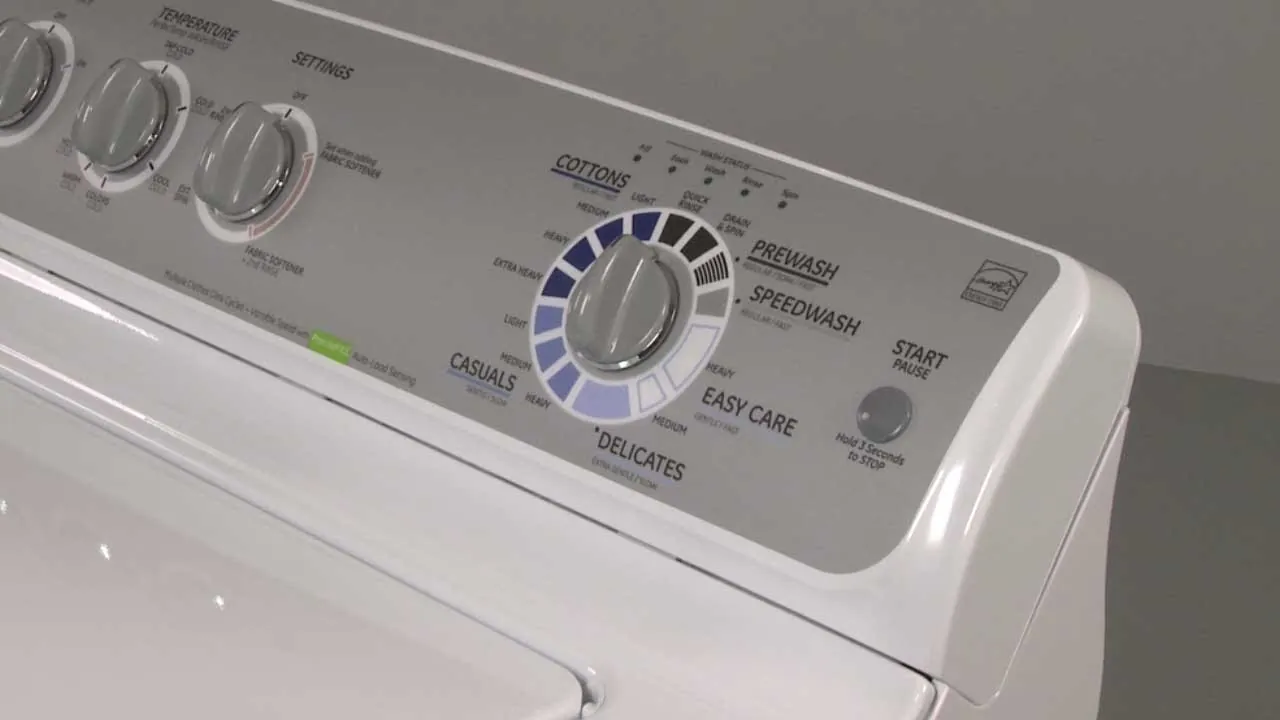
Most problems with these washers stem from simple external factors rather than internal parts breaking. The machine relies on a series of sensors to confirm safety, such as the lid lock and the water level switch. If any of these sensors fail to send a signal to the control board, the cycle will pause or refuse to start entirely.
Test these sensors by listening for a distinct click when the lid closes. If you hear nothing, the latch mechanism is likely obstructed by detergent buildup or a misaligned strike plate. Clean the area with a damp cloth before calling for service.
Another frequent cause is an unbalanced load. If the clothes are bunched to one side, the drum will shift during the spin cycle and trigger an error code. This safety feature prevents the machine from vibrating excessively and damaging its internal components. To fix this, redistribute the items evenly and select a “Drain and Spin” cycle.
Finally, check for debris in the drain hose. Even a small object like a coin or a button can block the water flow. If the water remains in the tub, the control board will prevent the next cycle from beginning to avoid a flood. Before disconnecting the hose, place a shallow pan underneath to catch the trapped water.
Safety: Inside a mains-powered machine, the parts behind the outer cover can hold a dangerous electrical charge even after it has been unplugged — that’s why they sit behind a cover. Opening the housing, or testing or replacing anything behind it, is a job for a qualified technician, never a home repair.
Correcting power and door issues
If your machine has no lights and shows no sign of life, start by checking your home’s electrical panel. If the breaker has tripped, flip it back to the “on” position to restore power. If the lights are on but the machine won’t start, examine the lid assembly for any loose plastic or trapped fabric.
Check the lid latch. If the latch is dirty, it can’t click into place. Wipe the area with a damp cloth to remove soap residue. If you hear a faint clicking sound but the cycle fails to engage, the latch sensor is likely obstructed by debris.
Reset the control board. Unplug the unit for 60 seconds, then plug it back in. This clears minor glitches in the software. If the display flashes an error code after this reset, consult your manual to identify the specific fault.
Inspect the outlet. If you have a multi-plug adapter, remove it. The machine requires a dedicated circuit to handle the high power draw during the spin cycle. Using an extension cord is a common mistake that causes voltage drops, often leading to premature motor failure or blown fuses.
If the machine still doesn’t respond, the issue might be a faulty control board or a damaged power cord. Never attempt to open the control panel housing yourself, as internal capacitors can store a dangerous charge even when unplugged. If the problem persists, contact a licensed repair technician. If the machine hums but won’t spin, the drive belt may have slipped; this requires a professional to ensure proper tensioning.
Resolving water and drainage errors
Water issues usually relate to the hoses behind the unit or the pressure sensor inside. If the water isn’t filling the tub, check that the hot and cold water supply valves on the wall are fully open. If they’re open, unscrew the hoses at the back of the washer and inspect the small mesh screens inside the inlet valves for sediment buildup.
- Clear the drain path: Ensure the drain hose isn’t kinked or pushed too far into the standpipe. If the hose is pushed too deep, it can create a siphon effect that prevents the water from staying in the tub.
- Balance the load: If the machine stops during the rinse, pause the cycle and redistribute the clothes evenly.
- Verify water pressure: If your home has low water pressure, the fill cycle may time out. Test your sink faucet to see if the flow is strong.
These steps cover the most common external causes for water-related errors. If the tub still refuses to fill or drain after cleaning the filters and checking the hoses, the issue is likely a failed pump or a faulty pressure switch. These parts require professional tools to diagnose and replace safely.
Handling balance and vibration problems
Excessive shaking usually happens because the machine isn’t level on the floor. Use a spirit level on top of the machine to confirm it’s perfectly flat. If it tilts, adjust the leveling feet at the bottom by turning them clockwise or counter-clockwise until the machine stops wobbling.
Tighten the feet: Once the unit is level, ensure the locking nuts on the feet are tight against the base. A loose nut allows the foot to rotate during cycles, undoing your work within days.
Check the floor: If the floor is soft or uneven, place a piece of 3/4-inch plywood under the machine to provide a stable surface. Don’t use rubber pads alone, as they often compress unevenly and worsen the tilt.
Limit load size: Don’t overload the drum. A load that’s too large or too heavy will always cause an imbalance during high-speed spins. If you can’t fit a hand vertically between the top of the clothes and the drum ceiling, the load is too dense.
If you hear a loud grinding noise while the drum moves, this could indicate worn-out suspension rods. This is a common wear item that changes based on how often you wash heavy blankets or rugs. If the machine continues to shake violently after leveling, stop using it immediately. If you see the drum hitting the outer casing, the suspension is likely already compromised.
Mistakes to avoid during maintenance
Using too much detergent: This foam confuses the water level sensor, often triggering a mid-cycle stall. It also leaves a waxy residue on the drum that traps odors and promotes mold growth.
Ignoring error codes: These codes are precise diagnostic messages. Always check your manual’s index before calling a technician. If the code persists after a hard reset, you’re likely dealing with a failing control board rather than a simple sensor glitch.
Forcing the lid: If the door remains locked, never pull on it. You’ll snap the plastic strike plate or the mechanical solenoid. Replacing these parts often requires a full teardown, which is expensive compared to the cost of a simple repair.
Using extension cords: Standard cords can’t handle the high amperage draw. Using one risks internal overheating and permanent damage to the machine’s main power harness.
Keeping the machine running smoothly
| If you’re doing this | Do this instead | Why |
|---|---|---|
| Leaving the lid closed | Keep the lid open | Prevents mold and mildew growth |
| Using generic soap | Use HE detergent | Standard soap creates too many suds |
| Washing heavy rugs | Wash in small batches | Prevents severe load imbalance |
Most users neglect the drain pump filter until the machine throws an error code. This mistake often costs hundreds in technician fees for a simple clog. If your machine vibrates excessively during the spin cycle, the load is likely unbalanced. Stop the cycle immediately and redistribute the wet items.
If you notice a persistent damp smell, check the rubber gasket seal for trapped water. Wipe this area dry after every load to stop bacteria from colonizing the crevices. For descaling, the frequency depends on your specific usage and the owner’s manual is the authority. When in doubt, follow the weight limit printed on the inner drum; overloading forces the motor to work harder, shortening its lifespan.
Frequently asked questions
How do I reset a ge washing machine?
You can reset the machine by unplugging it for 60 seconds to clear the control board’s memory. This allows the control board to reset. If the machine still shows an error code after plugging it back in, the problem is likely a hardware failure requiring a professional diagnosis.
Is it safe to fix a leaking washer myself?
No, it isn’t safe for a non-technician to attempt internal repairs on a leaking unit. Leaks inside the cabinet often involve the water pump or seals, and opening the housing exposes you to dangerous electrical charges. Turn off the water supply and call a qualified appliance repair service.
Why does my washer stop during the spin cycle?
The machine stops during the spin cycle because the load is unbalanced or the lid sensor has lost connection. The sensor detects drum impact and pauses the motor to prevent damage. Redistribute the clothes evenly and ensure the machine is perfectly level on the floor.
How long should a wash cycle take?
A standard cycle typically takes 45 to 60 minutes, depending on the model and soil level. If the machine runs longer, it may be struggling to drain or fill due to clogged hoses. Check the inlet screens and drain hose for blockages if the timer is constantly adding minutes.
What happens if I use the wrong detergent?
Using standard detergent in a high-efficiency machine creates excessive suds that the system can’t drain. These suds coat internal sensors, leading to false error codes. Always use detergent labeled “HE” to ensure the soap breaks down correctly, or run an empty cycle with vinegar to dissolve residue.
Conclusion
If you can’t identify the problem after checking the power, the water supply, and the load balance, contact an authorized service provider. Trying to disassemble the machine or bypass safety sensors can lead to permanent damage or personal injury. Professional technicians have the correct diagnostic tools to identify internal faults without risking your safety or the machine’s warranty.
Related guides