If your Polaris 280 pool cleaner isn’t working the way it should, you’re probably feeling frustrated—and you’re not alone. Many pool owners face common issues like slow movement, poor suction, or the cleaner not covering the entire pool.
But here’s the good news: most problems with your Polaris 280 are easier to fix than you might think. In this guide, you’ll find simple, step-by-step troubleshooting tips that will help you get your cleaner back in action fast. Whether it’s checking the wheels, inspecting the hoses, or adjusting the booster pump pressure, you’ll learn exactly what to do—and why it matters.
Keep reading, and you’ll save time, avoid costly repairs, and enjoy a sparkling clean pool all season long.
Common Polaris 280 Issues
The Polaris 280 is a popular pool cleaner known for its efficiency. Despite its reliability, some common issues can affect its performance. Understanding these problems helps maintain smooth operation and keeps your pool clean.
Below are frequent problems users face with the Polaris 280. Each issue has specific causes and simple fixes to try.
Cleaner Not Moving
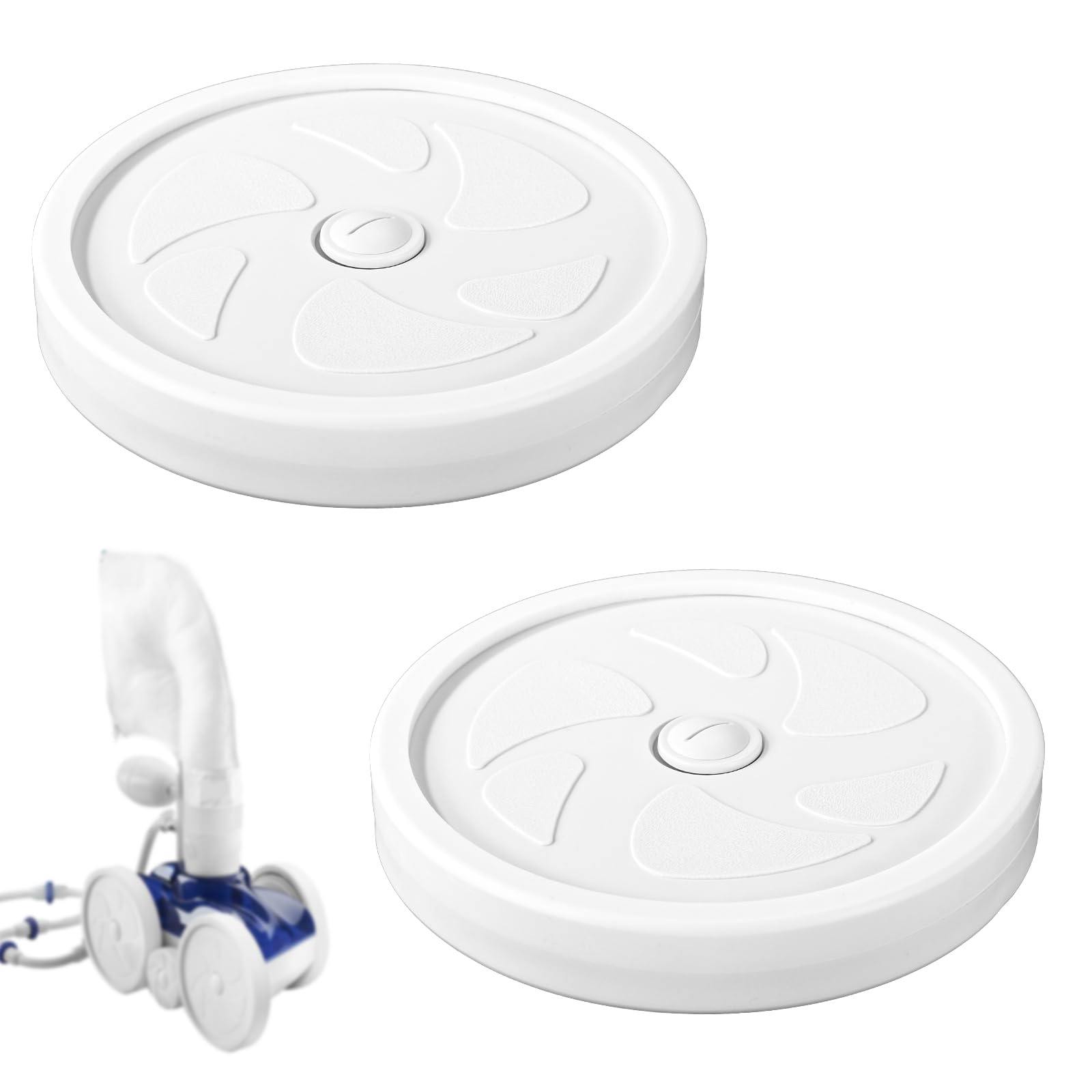
A Polaris 280 that does not move often has wheel or bearing problems. Check if the wheels spin freely. Worn or damaged tires cause slippage and stop movement. Inspect bearings for rust or damage. Replace any worn parts to restore motion.
Also, verify that the backup valve is working properly. A stuck valve can block water flow and stop the cleaner.
Slow Movement
Slow movement usually means low water pressure. Check the booster pump to ensure it runs at the correct speed. Clean the filter screen and skimmer basket to improve water flow. Blocked or kinked hoses reduce pressure and slow the cleaner.
Inspect the hoses and connections for leaks. Even small leaks reduce power and slow down the Polaris 280.
Poor Cleaning Performance
Poor cleaning often happens when the debris basket is full or the filter is dirty. Empty the basket regularly to keep suction strong. Clean or replace the pool filter as needed. Worn tires or a damaged drive belt also reduce cleaning ability.
Make sure the cleaner’s wheels are gripping the pool surface well. Smooth or slick tires reduce traction and cleaning quality.
Hose And Swivel Problems
Hose leaks or broken swivels cause loss of water pressure. Inspect the hose for cracks, holes, or loose fittings. Replace damaged hose sections. Check the swivel for smooth rotation. A stuck swivel twists the hose and limits cleaner movement.
Proper hose length is crucial. Too short or too long hoses affect cleaner performance. Adjust the hose length to the manufacturer’s recommendation for best results.
Pressure And Water Flow Checks
Proper wheel and tire maintenance keeps your Polaris 280 running smoothly. The wheels and tires face constant wear in pool environments. Regular checks prevent breakdowns and improve cleaning performance. Focus on tire condition, wheel bearings, and wheel speed to ensure optimal operation.
Inspecting And Replacing Tires
Check tires for cracks, wear, or missing tread. Worn tires reduce grip and cause slipping. Replace tires if they look bald or damaged. Use genuine Polaris tires for best fit and durability. Proper tires help your cleaner move steadily across pool surfaces.
Checking Wheel Bearings
Wheel bearings let wheels spin freely on the axle. Inspect bearings for rust or stiffness. Remove wheels and spin the bearings by hand. If they feel rough or noisy, replace them. Lubricate new bearings before installation to prevent early wear.
Measuring Wheel Rpm
Wheel RPM affects the cleaner’s movement speed and cleaning pattern. Use a tachometer or count wheel rotations in a set time. Compare the RPM to Polaris specifications. Low RPM may signal worn tires, bearings, or low water pressure. Adjust or replace parts as needed to keep RPM steady.
Wheel And Tire Maintenance
The backup valve in the Polaris 280 is a small but vital part. It helps control water flow inside the cleaner. This valve keeps the cleaner moving and cleaning efficiently. If the valve stops working well, the cleaner may not move or clean properly.
Understanding the backup valve’s function can save time and money. It can prevent bigger problems with your pool cleaner. Knowing how to spot issues and fix them helps keep your Polaris 280 running smoothly.
How The Backup Valve Works
The backup valve controls water pressure inside the cleaner. It opens and closes to direct water flow. This action helps the cleaner move around the pool. The valve also prevents water from flowing backward. Without it, the cleaner could lose suction and stop working.
The valve works with the booster pump pressure. It reacts to changes in water flow. This helps the cleaner change direction when needed. The backup valve is a key part of the cleaner’s movement system.
Identifying Backup Valve Issues
Look for signs the backup valve is not working well. The cleaner may stop moving or move slowly. It might get stuck in one spot. You may hear unusual noises from the cleaner. Water flow might seem weak or uneven.
Check if the valve looks worn or damaged. Cracks or tears can cause leaks. Dirt and debris can block the valve, reducing its function. A faulty backup valve often causes the cleaner to lose power.
Cleaning And Replacing The Valve
Turn off the pool pump before handling the valve. Remove the backup valve from the cleaner carefully. Rinse the valve under clean water to remove dirt. Use a soft brush to clean stubborn debris. Avoid harsh chemicals that may damage the valve.
If the valve is cracked or worn, replace it. Use parts designed for the Polaris 280 model. Install the new valve by following the cleaner’s manual. Test the cleaner to ensure it moves properly after replacement.

Backup Valve Function
Adjusting your Polaris 280 cleaner settings helps improve its cleaning performance. Small changes can make a big difference in how well it sweeps and covers your pool. Proper adjustments save time and ensure your pool stays spotless.
Tail Adjustment For Better Sweep
The tail controls the cleaner’s direction and balance. Adjust the tail length to change the cleaner’s sweep path. A longer tail makes wider circles, while a shorter tail tightens the sweep. Find the right length by testing different settings. This adjustment helps the cleaner reach all pool corners.
Optimizing Hose Length
Correct hose length is key for smooth operation. Too long or too short hoses affect the cleaner’s movement. Measure your pool size to set the hose length properly. Cut or add sections as needed. Proper hose length prevents tangling and improves cleaning efficiency.
Setting Sweep Circles
Sweep circles define the cleaner’s path around the pool. Adjust the tail and hose to control these circles. The goal is to cover the entire pool surface evenly. Watch the cleaner’s movement and tweak settings to avoid missed spots. This ensures thorough cleaning every time.
Cleaning And Filter Care
Tackling Polaris 280 issues yourself saves time and money. Regular care keeps your pool cleaner working well. Simple fixes often solve common problems. Staying on top of maintenance prevents bigger troubles. Know when to handle repairs and when to seek help.
Simple Repairs You Can Do
Check the booster pump pressure first. Clear debris from the filter screen and baskets. Inspect hoses for cracks or leaks. Replace worn tires to improve traction. Lubricate the swivel joints to prevent stiffness. Tighten loose connections to restore proper flow. Clean the backup valve to ensure smooth operation. These small repairs often restore performance quickly.
Regular Maintenance Schedule
Clean the filter screen weekly. Remove debris from skimmer and pump baskets every week. Inspect tires and bearings monthly. Replace worn parts before they fail. Check hose connections for leaks regularly. Run the booster pump daily during pool use. Store the cleaner out of direct sun when not in use. Follow this schedule to keep your Polaris 280 in top shape.
When To Call A Professional
Contact a technician if the cleaner does not move at all. Seek help if the booster pump pressure is too low or too high. Get expert service for complex belt or motor issues. Call a pro if water flow seems blocked inside the cleaner. Professionals have tools to diagnose hidden problems. Avoid forcing parts to prevent further damage. Knowing when to call saves time and cost.

Frequently Asked Questions
What Are The Common Problems With The Polaris 280?
Common Polaris 280 problems include worn tires causing wheel slippage, faulty wheel bearings jamming movement, low water pressure, and backup valve issues. Regularly check and clean filters, hoses, and connections to maintain proper function and prevent slow or stopped movement.
How To Fix Polaris 280 If Not Getting Proper Pressure?
Check and clean the filter screen, skimmer, and pump baskets. Inspect hoses, connections, and swivels for leaks. Verify wheel tires, bearings, and backup valve condition. Ensure booster pump pressure is adequate and reading correctly. Replace worn parts to restore proper Polaris 280 pressure.
Why Is My Polaris 280 Not Moving?
Check the filter screen, skimmer, and pump baskets for clogs. Inspect hoses, swivels, and backup valve for leaks or damage. Verify booster pump pressure and wheel condition. Replace worn tires or bearings to restore proper movement.
How To Adjust Polaris 280 Pressure Relief Valve?
To adjust the Polaris 280 pressure relief valve, locate the valve on the booster pump. Turn the adjustment screw clockwise to increase pressure or counterclockwise to decrease it. Test the cleaner’s movement and repeat as needed for optimal pressure and performance.
How Do I Fix A Polaris 280 That Won’t Move?
Check the wheels and bearings for damage or wear. Replace any worn tires or stuck bearings. Also, inspect the booster pump pressure and hoses for leaks.
Conclusion
Troubleshooting your Polaris 280 can save time and money. Regular checks on tires, belts, and valves keep it working well. Clean filters and baskets often to maintain good water flow. Watch for worn parts and replace them promptly. Simple fixes often restore your cleaner’s performance quickly.
Stay patient and follow step-by-step solutions carefully. Your pool will stay cleaner with proper care and attention. Keep these tips handy for easy Polaris 280 troubleshooting.