
Ryobi 40V lawn mowers are popular for their power and convenience. But like any tool, they can have issues.
This guide will help you troubleshoot common problems. Lawn care can be frustrating when your mower doesn’t work. You expect a smooth cut, but instead, face a stubborn machine. Whether it’s a battery issue, blade problem, or a motor that won’t start, knowing how to fix it yourself saves time and money.
In this post, we’ll explore common issues with Ryobi 40V lawn mowers. We’ll provide practical solutions to get your mower running smoothly. This guide aims to make troubleshooting easy and effective, even if you’re not a lawn care expert. Let’s dive in and solve those mower problems together.
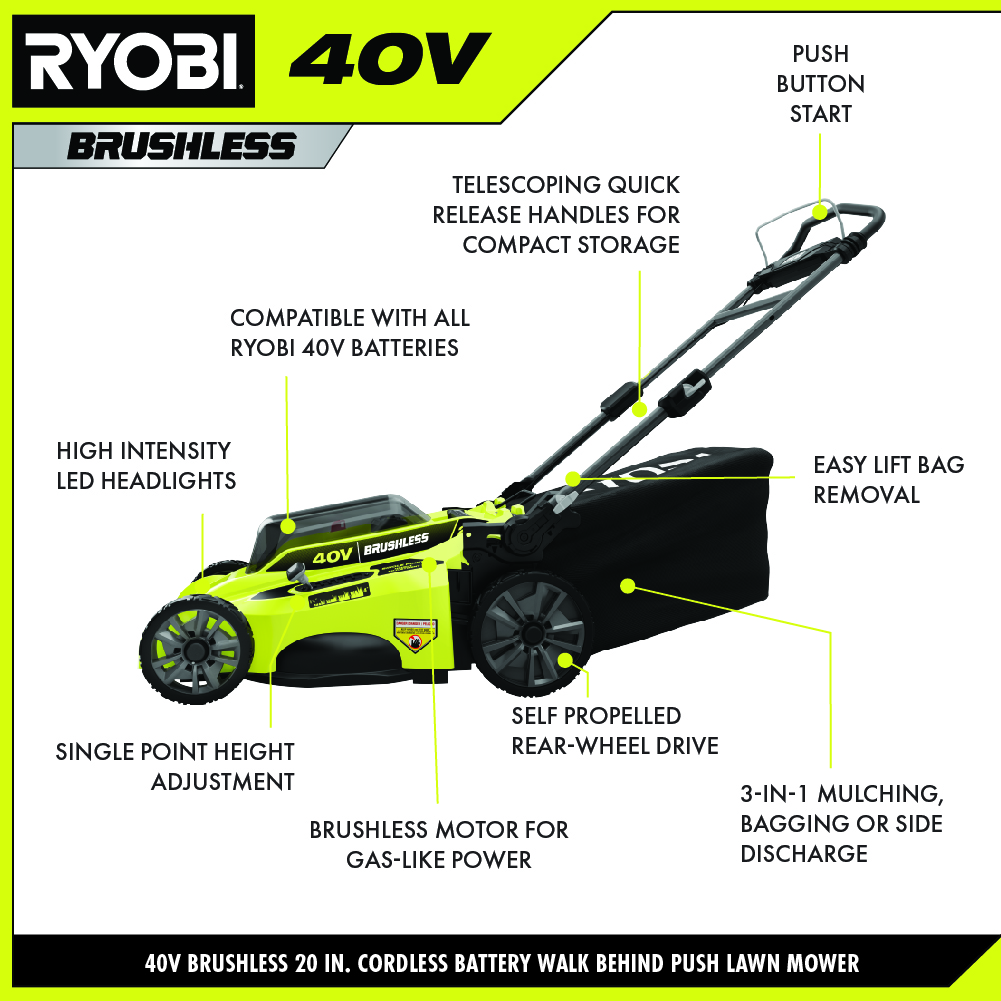
Credit: www.ryobitools.com
Common Startup Issues
Starting your Ryobi 40V lawn mower should be easy. But sometimes, problems happen. If your mower doesn’t start, don’t worry. This guide will help you fix common startup issues.
Battery Problems
Battery problems are common with electric lawn mowers. Start by checking the battery charge. Make sure the battery is fully charged. A low battery can prevent the mower from starting.
Inspect the battery for any visible damage. If you see cracks or leaks, replace the battery. Damaged batteries can cause startup problems.
Clean the battery terminals. Sometimes, dirt or corrosion can block the connection. Use a dry cloth to clean the terminals.
Battery placement is another issue. Ensure the battery is properly seated in the mower. If the battery is loose, the mower won’t start.
Power Button Malfunctions
Sometimes, the power button can malfunction. First, check if the button is stuck. Press it a few times to see if it releases.
Inspect the power button for any damage. If the button is broken, you may need to replace it.
Another common issue is a faulty connection. Ensure all wires are connected properly. Loose wires can prevent the power button from working.
Test the safety key. The mower won’t start without the safety key in place. Make sure the key is inserted correctly.
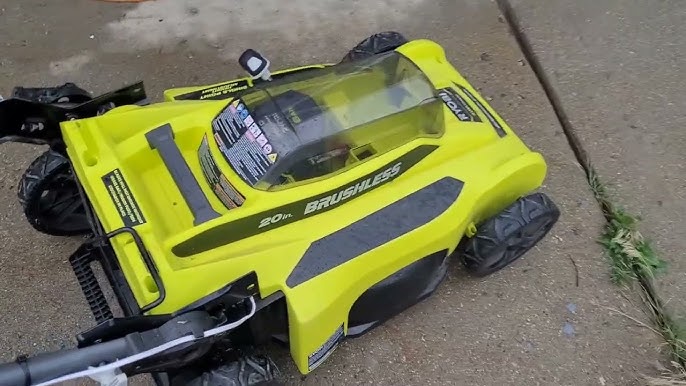
Credit: www.youtube.com
Battery Charging Solutions
Maintaining a Ryobi 40V lawn mower involves ensuring the battery is always charged. Proper battery care can extend the mower’s life and efficiency. This section covers essential battery charging solutions to keep your Ryobi 40V lawn mower running smoothly.
Proper Charging Techniques
Proper charging is crucial for the longevity of your Ryobi 40V battery. Follow these steps to ensure correct charging:
- Remove the battery from the mower after each use.
- Inspect the battery for any visible damage.
- Use only the Ryobi 40V charger provided.
- Insert the battery into the charger properly.
- Plug the charger into a standard outlet.
- Allow the battery to charge fully before use.
Avoid overcharging by unplugging the charger once the battery is fully charged. Overcharging can reduce battery life.
Diagnosing Charger Issues
If the battery does not charge, the problem might be with the charger. Here are steps to diagnose charger issues:
- Ensure the charger is plugged into a functional outlet.
- Check the charger’s indicator lights. Green means ready, red means charging.
- If no lights are on, test the outlet with another device.
- Inspect the charger and battery contacts for dirt or debris.
- Clean the contacts with a dry cloth if needed.
- Try charging another battery with the same charger.
If the charger still does not work, it might be faulty. Consider contacting Ryobi support for a replacement.
Cutting Performance Problems
Ryobi 40V Lawn Mowers are known for their reliability. But, like any machine, they can have issues. One common problem is cutting performance. If your lawn looks uneven or the mower struggles to cut, some troubleshooting is needed.
Uneven Cutting
Uneven cutting can make your lawn look bad. It can also harm the grass. To fix this, check the following:
- Check the Blade: Make sure the blade is sharp and undamaged. A dull blade can tear the grass instead of cutting it.
- Adjust the Cutting Height: Ensure the mower’s cutting height is set correctly. Different grass types need different heights.
- Inspect the Wheels: Uneven wheel height can cause uneven cuts. Adjust them to ensure all wheels are at the same height.
| Problem | Possible Cause | Solution |
|---|---|---|
| Uneven Cutting | Dull Blade | Sharpen or replace the blade |
| Uneven Cutting | Incorrect Cutting Height | Adjust the cutting height |
| Uneven Cutting | Uneven Wheels | Adjust wheel height |
Blade Maintenance
Maintaining the blade is crucial. A sharp blade ensures a clean cut. Follow these steps to keep the blade in good condition:
- Disconnect the battery before any maintenance.
- Remove the blade carefully. Use a wrench to loosen the bolt.
- Check the blade for damage. Look for nicks or bends.
- Sharpen the blade using a file or a grinder. Ensure the blade is balanced.
- Reattach the blade. Tighten the bolt securely.
Regular blade maintenance extends the life of your mower. It also ensures your lawn looks its best.
Motor And Drive Concerns
Dealing with motor and drive concerns on your Ryobi 40V Lawn Mower can be challenging. These issues can affect the mower’s performance. Understanding common problems can help you troubleshoot effectively.
Motor Overheating
Motor overheating is a common problem. It can cause your Ryobi 40V Lawn Mower to stop suddenly. This usually happens when the motor works too hard. Tall or thick grass can cause this. A dirty motor can also overheat easily.
To avoid overheating, keep the motor clean. Remove any grass clippings or debris. Check the air vents regularly. Make sure they are not blocked. If the motor still overheats, it may need a rest. Let it cool down before using it again.
Drive System Malfunctions
Drive system malfunctions can affect mower movement. If your mower struggles to move, there might be a drive issue. Check the drive belt first. It should be tight and in good condition. A loose or worn belt can cause problems.
Another common issue is the drive cable. If the cable is damaged, the mower won’t move correctly. Inspect the cable for any signs of wear. Replace it if necessary. Regular maintenance can prevent most drive system issues.
Make sure to keep the drive system clean. Remove any dirt or debris that may cause blockages. Regular checks can help you catch problems early. This will keep your Ryobi 40V Lawn Mower running smoothly.
Handling Unexpected Shutdowns
Handling unexpected shutdowns of your Ryobi 40V lawn mower can be frustrating. But understanding the potential causes can help you troubleshoot effectively. Below are some common reasons and solutions to get your mower running smoothly again.
Overload Protection
Your Ryobi 40V lawn mower has an overload protection feature. This feature prevents damage to the motor. If the mower encounters thick or wet grass, it may shut down. This is to avoid overheating. Wait a few minutes, then try to restart it. Cutting grass in smaller sections can help prevent this.
Circuit Breaker Resets
Sometimes, the mower shuts down due to a tripped circuit breaker. This can occur if the mower is overworked. To reset, first, ensure the mower is turned off. Then, locate the circuit breaker button on the mower. Press it to reset. Restart the mower after resetting the breaker.
Addressing Strange Noises
Strange noises from your Ryobi 40V lawn mower can indicate problems. Check for loose parts or debris stuck in the blades. Regular maintenance can help prevent these issues.
Strange noises from your Ryobi 40V Lawn Mower can be troubling. These sounds often indicate underlying issues. Addressing them promptly can prevent further damage. Let’s explore how to tackle this problem.Identifying Source
Strange noises can come from various parts of the mower. First, check the blade area. Loose or damaged blades often cause rattling sounds. Next, inspect the motor. Unusual whirring or grinding noises can indicate motor problems. Also, check the wheels and handle. They might need tightening or adjustment.Lubrication Tips
Lubrication can often resolve strange noises. Apply oil to the mower’s moving parts. Focus on the blade and motor areas. Use a lubricant recommended by Ryobi. Avoid over-lubricating as it can attract dirt. Regular lubrication keeps the mower running smoothly. It also extends the mower’s lifespan. “`Improving Battery Life
Maintaining the battery life of your Ryobi 40V lawn mower is crucial. Proper care can extend its lifespan and save you money. Let’s explore some effective ways to improve battery life.
Storage Guidelines
Store the battery in a cool, dry place. Avoid extreme temperatures. Always remove the battery from the mower before storage. Keep it at room temperature for best results. Charge the battery to around 50% if storing for long periods. This helps maintain its health.
Usage Best Practices
Always charge the battery fully before use. Avoid draining it completely. Partial discharges and frequent charging are better. Clean the battery contacts regularly. Dirt can affect performance. Use the appropriate charger designed for the Ryobi 40V battery. This ensures optimal charging and safety.
Credit: www.reddit.com
Regular Maintenance Tips
Maintaining your Ryobi 40V lawn mower ensures it works efficiently and lasts longer. Regular maintenance helps prevent common problems and keeps your mower in top shape. Follow these tips to keep your mower running smoothly.
Cleaning Procedures
Cleaning your Ryobi 40V lawn mower is essential for its performance. Begin by removing any debris from the deck and blades. Use a brush or cloth to wipe away grass clippings and dirt. Ensure the mower is turned off and the battery is removed before cleaning.
After each use, inspect the air filter. A clean air filter improves engine performance. Tap the filter gently to remove dust. Replace it if it looks damaged. Clean the underside of the mower to prevent grass build-up. This prevents rust and keeps the blade sharp.
Part Replacements
Regularly check the mower’s parts for wear and tear. Replace the blade if it becomes dull or damaged. A sharp blade cuts grass more efficiently. Ensure the battery is in good condition. A weak battery affects the mower’s performance.
Inspect the wheels for damage. Replace them if they show signs of wear. Check the screws and bolts periodically. Tighten any loose parts to keep the mower stable. Keeping spare parts handy can help you avoid downtime during the mowing season.
Frequently Asked Questions
Why Is My Ryobi 40v Lawn Mower Not Starting?
Check the battery charge. Ensure it’s fully charged and properly connected. Also, check for any debris.
How Can I Fix Uneven Cutting With My Ryobi 40v Lawn Mower?
Check the blade for damage. Ensure it is sharp and properly installed. Adjust the cutting height.
Why Is My Ryobi 40v Mower Losing Power Quickly?
Inspect the battery. Make sure it’s fully charged. Clean the mower deck to reduce resistance.
What Should I Do If My Ryobi 40v Mower Is Making Strange Noises?
Turn off the mower. Check for debris or damage under the deck. Tighten any loose parts.
How Do I Reset My Ryobi 40v Lawn Mower?
Turn off the mower. Remove the battery. Wait 10 seconds, then reinsert the battery and start it.
Conclusion
Troubleshooting your Ryobi 40V Lawn Mower can be simple. Follow the tips above. Regular maintenance is key. Check connections, battery, and blades often. Always keep your mower clean. Address issues promptly. This ensures longer life and better performance. Happy mowing!


The minute I put in the battery something is running, the blade is not turning and when I grip the wheel drive lever and engadge it takes off like a rocket ripping the mower right out of my hands. WTFO
That sounds like a very dangerous and unsettling experience with your mower. This kind of behavior definitely indicates a serious issue that needs immediate attention for your safety.
Always remove the battery before performing any inspection or troubleshooting on the mower.
Here are some steps to check:
Given that the mower is taking off so aggressively, this sounds like a significant malfunction of the self-propel system. It’s a major safety concern, and it is strongly recommended to contact Ryobi customer support or take it to an authorized service center immediately. This situation might warrant a professional repair or even a warranty claim, especially if it’s a newer mower, as it poses a significant risk during operation.
I have a Ryobi 21″ 40V brushless self-propelled dual blade lawn mower that jumps when engaging drive. I have tried to be prepared to move forward after starting the mower and I also need to pull up on the handle to keep lawn mower flat. I need something to add to the front of the lawn mower to keep it from jumping at start.
When your Ryobi self-propelled mower gives a jolt as the drive engages, and you need to adjust your stance to keep it flat, that can definitely make starting tricky. Here are a few things that might help you get a smoother start:
where is the tilt switch
The tilt switch, or a similar safety sensor, helps ensure the mower is in a safe operating position before it starts. On many Ryobi 40V models, a distinct, externally visible tilt switch isn’t usually present. These safety mechanisms are often integrated directly into the mower’s main electronics or are part of the handle’s safety bail system.
If you’re having trouble with your mower starting due to a potential safety interlock, focus on these common areas:
These points cover the primary safety checks for many electric mowers, including those that might have internal tilt detection.
My mower runs slowly.
That’s frustrating when your mower isn’t running at full speed. Here are a few things to check:
Hopefully, one of these tips helps get your mower back up to speed!
ry401104us lite will not come on at all. owner manual does not address this issue
For your Ryobi RY401104US where the ‘lite will not come on at all’, this usually indicates a complete lack of power to the mower. Here are some key areas to check:
James Borg on October 8, 2026 6:48 pm
You forgot one other possibility about the Ryobi fails. It is a weak and usless machine. Unless you have a perfectly flat yard under 100 square feet, my Roybi 40V self propelled drive mower is useless. I have a larger yard and Ryobi is not up to the task. It constantly stops with a new battery and dry grass. I made a big mistake buying this battery lawnmower. I love my Ryobi Weedeater, Chainsaw, Pole Saw, and leaf blower. Ryobi has failed miserably with their attempt to create a battery lawnmower. I had to go out and buy a gasoline powered push mower as the Ryobi quits after cutting three blades of grass. I will NEVER buy another battery operated lawnmower again. Pay half the price of this useless battery machine and buy a gas powered push mower. Our technology is not capable of designing a battery lawnmower. I made a big mistake buying this substandard machine.
Your comment is awaiting moderation.
Thanks for the honest feedback, James. Sounds like you got a lemon or your deck is clogging up instantly under heavy load. Check out Handling Unexpected Shutdowns if it keeps bogging down on dry grass, though it sounds like you already gave up on it and switched back to gas.
For what it is worth, those self-propelled models pull serious amps when the grass gets thick, and thermal overload trips the motor fast if the blades are dragging. Appreciate you stopping by the site anyway.