Are you struggling with your HVAC system and suspect the TXV might be the cause? The Thermal Expansion Valve (TXV) plays a crucial role in keeping your air conditioner or refrigerator running smoothly.
When it malfunctions, your system can lose efficiency, leading to discomfort and higher energy bills. But don’t worry—understanding how to spot TXV problems and fix them can save you time, money, and stress. You’ll discover clear, easy steps to troubleshoot your TXV and get your system back on track quickly.
Keep reading to take control of your cooling system and avoid costly repairs.

Common Txv Problems
Thermostatic Expansion Valves (TXVs) are key in controlling refrigerant flow in cooling systems. Problems with TXVs can cause poor system performance and higher energy use. Recognizing common issues helps in quick troubleshooting and repair. This section explains typical TXV problems, their signs, and causes.
Symptoms Of A Faulty Txv
A failing TXV can cause several noticeable problems. One common symptom is uneven cooling. Some areas might be cold, while others stay warm. Frost may form on the evaporator coil when the valve sticks open.
Another sign is fluctuating system pressure. The pressure may drop or spike without warning. This leads to poor temperature control and discomfort. The system might also run longer than usual, using more energy.
Leaks around the valve or unusual noises are warning signs. A hissing or clicking sound can mean the valve is malfunctioning. These symptoms often indicate the TXV needs inspection or replacement.
Causes Of Txv Failures
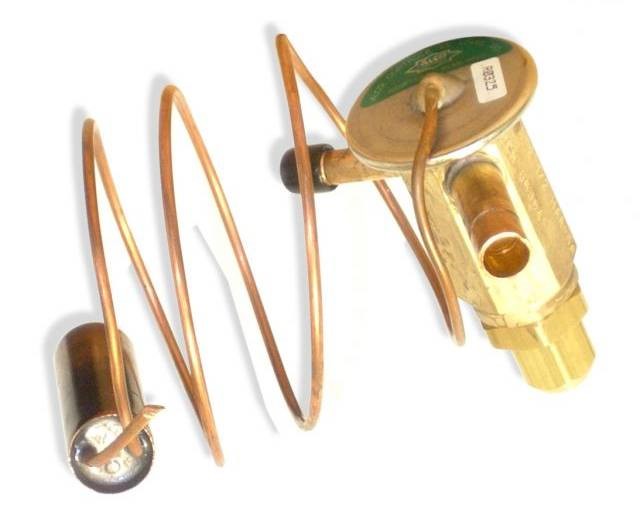
TXVs fail due to several reasons. Dirt and debris can clog the valve, blocking refrigerant flow. This causes the valve to stick or not open fully. Moisture in the system can freeze inside the valve, damaging its parts.
Improper system charging or wrong refrigerant type also harms the TXV. Overcharging or undercharging affects valve operation and system balance. Mechanical wear over time reduces valve efficiency and leads to failure.
Heat or vibration near the valve can damage its components. Poor installation or lack of maintenance also increases failure risk. Regular checks and cleaning help prevent most TXV problems.
Tools Needed For Txv Troubleshooting
Troubleshooting a Thermostatic Expansion Valve (TXV) requires the right tools. These tools help find issues quickly and fix the valve accurately. Using proper equipment saves time and ensures safety during the process.
Essential Diagnostic Tools
A digital manifold gauge set is vital for checking pressure levels. It measures the refrigerant pressure on both high and low sides of the system. A temperature probe helps check the temperature difference across the TXV. This tool shows if the valve is regulating refrigerant correctly.
A micron gauge is useful for vacuum testing the system. It ensures no air or moisture affects the TXV operation. A refrigerant scale helps measure the exact amount of refrigerant added or removed. Accurate refrigerant levels are key to TXV performance.
Safety Equipment
Safety glasses protect eyes from refrigerant splashes and debris. Gloves guard hands from cold burns and sharp components. Wearing protective gear reduces injury risk during troubleshooting.
Proper ventilation is necessary to avoid inhaling harmful gases. A carbon monoxide detector ensures the workspace remains safe. Always prepare with safety equipment before starting TXV troubleshooting.
Step-by-step Txv Inspection
Inspecting a Thermal Expansion Valve (TXV) carefully helps find common problems fast. This step-by-step guide makes the process clear and simple. Follow each step to check the TXV correctly.
Visual Checks
Start with a close look at the TXV and nearby parts. Look for signs of damage, leaks, or corrosion. Check if the valve looks loose or dirty. Clean dirt or debris gently to avoid damage. Make sure all connections are tight and secure.
Pressure Testing
Use a pressure gauge to test the system pressure. Connect the gauge to the service port near the TXV. Note the pressure readings during normal operation. Compare the readings with the manufacturer’s specifications. Low or high pressure may show a valve issue or system leak.
Temperature Measurements
Measure temperatures at the TXV inlet and outlet. Use a digital thermometer or temperature probe. A large difference between the two temperatures can indicate blockages. Check if the valve maintains proper superheat levels. Proper temperature control means the TXV works well.
Fixing Txv Issues Quickly
Fixing TXV issues quickly helps keep your HVAC system running well. The TXV controls refrigerant flow to maintain proper cooling. Problems with the TXV can cause poor performance or system damage. Acting fast prevents bigger issues and saves money.
Adjusting The Txv Superheat
Superheat is the difference between refrigerant temperature and pressure. Adjusting the TXV superheat ensures the right amount of refrigerant flows. Start by measuring the superheat with proper tools. Turn the adjustment screw slowly to increase or decrease superheat. Small changes make a big difference in system performance.
Cleaning Or Replacing The Txv
Dirt or debris can block the TXV, causing it to malfunction. Cleaning the valve removes buildup and restores flow. Use a gentle cleaner and soft brush for this task. If cleaning does not help, replace the TXV. A new valve improves system reliability and cooling efficiency.
Checking Refrigerant Levels
Incorrect refrigerant levels affect the TXV’s ability to regulate flow. Low refrigerant causes the valve to starve the system. High refrigerant leads to flooding and poor cooling. Use gauges to check pressure and add or remove refrigerant as needed. Proper levels keep the TXV working smoothly.
Preventive Measures For Txv Longevity
Keeping a thermostatic expansion valve (TXV) in good condition helps your HVAC system work well. Preventive care stops problems before they start. It also saves money on repairs and replacements. Understanding simple steps helps the TXV last longer and perform better.
Regular Maintenance Tips
Check the TXV regularly for dirt and debris. Clean the surrounding area to avoid blockages. Inspect the valve for signs of wear or damage. Replace worn parts quickly to avoid bigger issues. Make sure the refrigerant levels are correct. Low or high levels can harm the valve. Schedule yearly professional inspections to catch hidden problems early.
Avoiding Common Mistakes
Do not ignore unusual noises or temperature changes. These can signal TXV trouble. Avoid using the wrong refrigerant type or mix. This damages the valve and reduces efficiency. Never skip maintenance tasks or ignore leaks. Small leaks cause bigger system failures over time. Handle the valve gently during repairs or checks. Rough handling can break sensitive parts inside the TXV.
When To Call A Professional
Knowing when to call a professional for TXV troubleshooting is crucial. Some problems need expert tools and skills. Trying to fix them yourself can cause more damage. Professionals can spot hidden issues quickly. This saves time and money in the long run.
Signs Beyond Diy Repair
Strange noises from your HVAC system mean trouble. Frequent system shutdowns show serious problems. Frost buildup on the TXV is a warning sign. Unusual temperature changes in your home need expert checks. Refrigerant leaks require a licensed technician. If your system runs but does not cool well, call a pro.
Choosing The Right Hvac Expert
Pick someone with proper licenses and good reviews. Ask if they have experience with TXV issues. Ensure they use modern diagnostic tools. A good expert explains problems in simple words. They should offer a clear cost estimate before work. Quick response time is important for emergencies.

Frequently Asked Questions
What Are Common Signs Of A Faulty Txv Valve?
A faulty TXV valve can cause poor cooling and uneven temperature. You might notice ice on the evaporator coil or noisy operation. These symptoms indicate the valve is not regulating refrigerant properly.
How Do I Test A Txv Valve For Proper Function?
Check the temperature difference across the TXV bulb and valve. Use a temperature gauge to measure the superheat level. If readings are too high or low, the TXV valve may need adjustment or replacement.
Why Is My Ac Freezing Up With A Txv Valve?
Freezing often happens when the TXV valve restricts refrigerant flow too much. This causes low pressure and ice buildup on coils. Cleaning or replacing the valve usually fixes this issue.
Can A Txv Valve Cause High Energy Bills?
Yes, a malfunctioning TXV valve can reduce system efficiency. It may cause the compressor to work harder and longer. This leads to increased energy consumption and higher bills.
How Often Should A Txv Valve Be Inspected Or Replaced?
TXV valves should be checked during regular HVAC maintenance, about once a year. Replacement is needed if the valve is stuck, leaking, or damaged. Proper care extends the life of your AC system.
Conclusion
Troubleshooting a TXV can seem tough at first. Start by checking common issues like blockages or leaks. Clean or replace parts when needed to keep the system running well. Regular checks help catch problems early and save money. Remember, small fixes often prevent big repairs later.
Stay patient and follow simple steps carefully. This way, your TXV will work smoothly and keep your system efficient.