If you own or operate a boat with a Volvo Penta engine, you know how important it is for the engine to run reliably. Volvo Penta engines are famous for their quality, but like any mechanical system, they can develop problems. Troubleshooting these engines may seem complicated at first, especially if you are new to marine engines or if English is not your first language. But with a clear approach and some basic knowledge, you can solve most common issues yourself or know when to call a professional.
This guide will help you understand how to troubleshoot a Volvo Penta engine. You will learn about the most common problems, how to check each system, what tools to use, and which warning signs to watch for. You will also find tables comparing symptoms and solutions, step-by-step checks, and tips that even experienced boaters sometimes miss. Whether you use your boat for fun, fishing, or work, this article will help you keep your Volvo Penta engine running strong and avoid costly repairs.
Understanding Volvo Penta Engine Basics
Before you start troubleshooting, it helps to know the basic parts of your Volvo Penta engine and how they work together. Volvo Penta produces both gasoline and diesel engines, but most troubleshooting steps are similar. The main systems include:
- Fuel system: Delivers fuel from the tank to the engine.
- Electrical system: Powers the starter, controls, and sensors.
- Cooling system: Prevents the engine from overheating.
- Lubrication system: Keeps engine parts moving smoothly.
- Exhaust system: Removes gases safely.
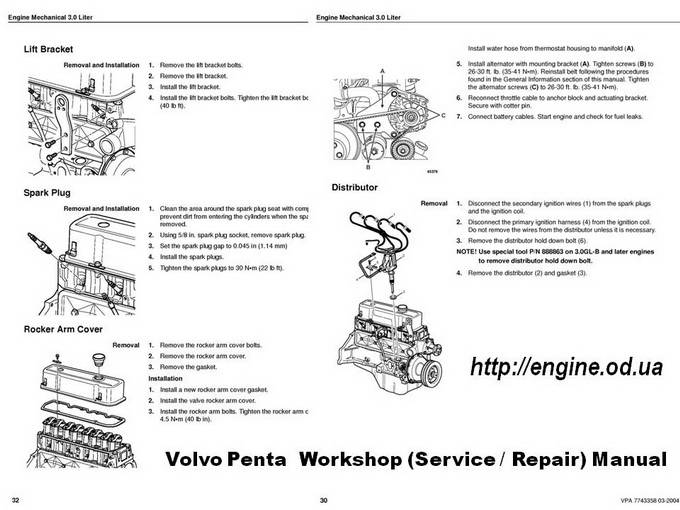
Each system has common failure points. Knowing which part is likely to cause a problem can save hours of guessing. Always keep your engine’s manual close by, as it has important diagrams and specifications.
Safety First: What To Do Before Troubleshooting
Working on an engine can be dangerous. Always follow these safety tips:
- Turn off the engine and remove the key.
- Let the engine cool before touching any parts.
- Disconnect the battery to prevent electrical shock.
- Ventilate the area to avoid breathing fumes.
- Wear gloves and eye protection.
Never ignore a burning smell, smoke, or fuel leaks. These are signs of a serious problem.
Common Volvo Penta Engine Problems
Most Volvo Penta issues fall into a few categories. Here are the most common symptoms and what they often mean:
| Symptom | Possible Cause | First Check |
|---|---|---|
| Engine won’t start | Electrical, fuel, or starter problem | Battery, fuel supply, starter motor |
| Engine overheats | Cooling system failure | Coolant, seawater intake, impeller |
| Loss of power | Fuel, air, or exhaust issue | Fuel filter, air filter, turbo (diesel) |
| Unusual noise | Mechanical problem | Belts, mounts, drive shaft |
| Smoke from exhaust | Incomplete combustion or oil leak | Fuel quality, oil level, injectors |
Understanding these symptoms will help you decide where to begin.
Step-by-step Troubleshooting For Volvo Penta Engines
Let’s go through each major system and see how to check for problems.
Checking The Fuel System
Fuel problems are one of the most common reasons an engine won’t start or runs poorly. Here’s what to do:
- Check the fuel tank: Make sure there’s fuel and that it’s not contaminated with water or dirt.
- Inspect fuel lines: Look for cracks, leaks, or blockages.
- Replace the fuel filter: A clogged filter will cause starting and running problems.
- Prime the system: On diesel engines, use the manual pump to remove air from the lines.
- Examine injectors: Dirty or faulty injectors cause rough running and smoke.
A common mistake is forgetting about the fuel vent. If it’s blocked, the engine will starve for fuel even if the tank is full.
Checking The Electrical System
Electrical issues can be tricky because they cause a wide range of symptoms. Here’s a clear way to check:
- Test the battery: Use a voltmeter. The voltage should be around 12.6V for a fully charged battery.
- Inspect battery terminals: Clean any corrosion and tighten loose connections.
- Check fuses and breakers: A blown fuse can stop the whole system.
- Test the starter motor: Listen for clicks or slow cranking.
- Look at control panels: Error codes or warning lights can point you to the problem.
Many boaters miss checking the ground connections. A poor ground is a common cause of electrical faults.
Checking The Cooling System
Overheating can ruin an engine quickly. For Volvo Penta engines, the cooling system usually mixes seawater with coolant.
- Check coolant level: Top up if low, but look for leaks if you add often.
- Inspect the seawater intake: Remove debris or growth from the intake screen.
- Check the impeller: A worn impeller is a leading cause of overheating. Replace if damaged.
- Inspect hoses and clamps: Look for leaks or cracks.
- Flush the system: Salt and dirt can block internal passages.
Don’t forget to check the heat exchanger. It can clog with salt or scale, especially in older engines.
Checking The Lubrication System
Without oil, an engine will fail quickly. Here’s what to do:
- Check the oil level: Always use the dipstick when the engine is cold.
- Look at the oil color: Milky oil means water is entering the engine. Black, dirty oil needs changing.
- Check for leaks: Oil under the engine or in the bilge is a bad sign.
- Inspect the oil filter: Replace at regular intervals.
Some ignore the oil pressure gauge—if it drops suddenly, stop the engine immediately.
Checking The Exhaust System
Problems here can lead to dangerous fumes or poor performance.
- Look for blockages: Animals or debris sometimes block the exhaust outlet.
- Check for leaks: Listen for hissing and look for soot or water around joints.
- Inspect water injection: Make sure cooling water is mixing with exhaust to prevent overheating.
A less obvious issue: if the boat sits low in the water, waves can force water back into the exhaust, risking serious damage.
Diagnosing Unusual Symptoms
Sometimes, the problem is not obvious. Here are some less common symptoms and what they can mean:
White Smoke From Exhaust
- Cold engine: Some white smoke is normal at startup.
- Coolant leak: If it smells sweet, coolant may be entering the combustion chamber.
- Injector issues: Poor spray pattern in diesel engines can cause white smoke.
Black Smoke From Exhaust
- Dirty air filter: Replace if clogged.
- Over-fueling: Too much fuel or a stuck injector.
- Heavy load: Propeller may be fouled or too large.
Blue Smoke From Exhaust
- Burning oil: Check oil level and look for leaks.
- Worn piston rings: May need professional repair.
Sudden Loss Of Power
- Turbocharger failure: Common in diesel engines.
- Blocked fuel filter: Replace and check for water in fuel.
- Propeller damage: Inspect underwater for fishing line or debris.
Alarms Or Error Codes
Most modern Volvo Penta engines show warning codes on the display. These codes point to specific issues, like low oil pressure or overheating. Always write down the code and check your manual.
Tools You Need For Volvo Penta Troubleshooting
Having the right tools makes troubleshooting safer and easier. At minimum, you should have:
- Basic hand tools: Wrenches, screwdrivers, pliers.
- Multimeter: For checking voltage and continuity.
- Fuel filter wrench: Makes changing filters easier.
- Impeller puller: For removing the water pump impeller.
- Spare fuses and bulbs.
- Service manual: The official Volvo Penta manual is essential.
A small spray bottle with soap and water is handy for finding air leaks in hoses.

Preventive Maintenance: Stopping Problems Before They Start
Regular maintenance is the best way to avoid breakdowns. Here is a schedule recommended by most experts:
| Task | Interval | Tips |
|---|---|---|
| Change oil and filter | Every 100 hours or annually | Warm engine before draining |
| Replace fuel filter | Every 100 hours | Carry spares on board |
| Inspect belts and hoses | Every 50 hours | Replace if cracked or soft |
| Check coolant level | Each trip | Look for leaks after running |
| Check impeller | Every season | Replace if worn or missing fins |
| Test battery | Monthly | Clean terminals and check water |
Surprisingly, one thing many people miss is checking engine mounts. Loose or damaged mounts cause vibration and can break other parts.
Troubleshooting Volvo Penta Diesel Vs. Gasoline Engines
While many steps are similar, there are some key differences between diesel and gasoline Volvo Penta engines. Understanding these will help you focus your troubleshooting.
| System | Diesel Engines | Gasoline Engines |
|---|---|---|
| Fuel System | High pressure, sensitive to air leaks | Lower pressure, more tolerant of small leaks |
| Ignition | No spark plugs; uses compression | Uses spark plugs and ignition coils |
| Starting | Needs strong battery, glow plugs in cold | Usually starts easily if battery is good |
| Exhaust | Turbochargers common | Usually naturally aspirated |
| Common Issues | Injector problems, turbo failure | Spark plug fouling, vapor lock |
Diesel engines are less forgiving of dirty fuel and air leaks. Gasoline engines often have problems with ignition components.
Advanced Troubleshooting Tips
For more complex issues, or if simple fixes do not work, these advanced tips can help:
Use Diagnostic Software
Many modern Volvo Penta engines have electronic control units (ECUs). You can connect diagnostic software to read error codes and live data. This can save hours of guesswork. You may need a special cable and software, but this is often available from dealers or marine shops.
Listen And Observe
Engines often give clues before they break down. Listen for new noises, such as knocking, rattling, or hissing. Watch for changes in smoke color or oil level. Keep a log of any changes, even if they seem minor.
Isolate The Problem
If you suspect a specific system, try to isolate it. For example, if you think the fuel filter is blocked, try running from a portable fuel tank. If the engine runs better, you have found the issue.
When To Call A Professional
Some problems are too complex or dangerous to fix on your own. Call a professional if:
- You see metal shavings in the oil (possible internal damage).
- The engine makes loud knocking or banging noises.
- You find water in the fuel system (diesel engines are especially sensitive).
- There are repeated electrical faults after checking all connections.
- You’re unsure about a repair or lack the proper tools.
A good technician will have access to the latest Volvo Penta updates and tools.
Real-world Example: Diagnosing An Overheating Volvo Penta Engine
Imagine you are out on the water, and suddenly the engine temperature rises above normal. The alarm sounds. Here’s how you might solve the problem step by step:
- Reduce speed and shut down the engine as soon as it’s safe.
- Check the seawater intake for blockages (seaweed, plastic bags).
- Look at the impeller: Remove the cover and check for missing fins.
- Inspect hoses and clamps: Tighten or replace if leaking.
- Check the coolant level: Add if needed, but look for leaks.
- Restart the engine and monitor temperature. If it rises again, the heat exchanger may be blocked.
A non-obvious insight: If the impeller is missing fins, search the cooling hoses—they can travel and block water flow elsewhere.
How To Read Volvo Penta Error Codes
Modern Volvo Penta engines show error codes on the control panel or display. Each code is a clue to the problem. Codes might look like “P0123” or “E001. ” Your engine manual will list what each code means.
If you see a code, follow these steps:
- Write down the code and when it appears.
- Look it up in your manual or on the Volvo Penta website.
- Fix the basic issue (for example, add oil if the code is for low oil pressure).
- Clear the code using the display or by cycling the ignition.
Do not ignore warning codes, even if the engine seems to run fine.
Common Mistakes When Troubleshooting Volvo Penta Engines
It’s easy to make mistakes, even for experienced boaters. Avoid these common errors:
- Guessing without checking: Always follow a logical process.
- Ignoring warning signs: Small problems can become big ones fast.
- Skipping regular maintenance: Most breakdowns are preventable.
- Using the wrong parts: Only use genuine or high-quality replacements.
- Forgetting about fuel age: Old fuel can cause hard starts and poor running.
A useful tip: If you need help, take clear photos of the problem area. This makes it easier for a technician or online forum to assist you.
Essential Resources For Volvo Penta Owners
Staying informed and having the right support makes troubleshooting easier. Here are some resources:
- Official Volvo Penta manuals: Always keep a digital and paper copy.
- Online forums: Many boaters share experiences and solutions.
- Authorized service centers: Find them on the official Volvo Penta website.
- Mobile apps: Some apps track maintenance and offer troubleshooting guides.
For more detailed technical information, the Volvo Penta Manuals page is an excellent source.
Frequently Asked Questions
What Is The First Thing To Check If My Volvo Penta Engine Won’t Start?
Start with the battery and fuel supply. Make sure the battery is fully charged and the fuel tank is not empty. Next, check the main power switch and look for any loose connections. If these are fine, inspect the starter motor and fuses.
How Do I Know If My Impeller Needs Replacing?
A failing impeller causes overheating and poor water flow. Signs include higher-than-normal engine temperature and weak water output from the exhaust. Check the impeller every season or after running in dirty water. Replace it if it shows cracks, missing fins, or feels soft.
What Does White Smoke From The Exhaust Mean On A Volvo Penta Diesel?
White smoke can be normal at startup, but if it continues, it often means coolant is entering the combustion chamber, possibly from a leaking head gasket. It can also mean a faulty injector. If you smell a sweet odor, check the coolant system for leaks.
How Often Should I Change The Oil In My Volvo Penta Engine?
Change the oil and oil filter every 100 hours of operation or once a year, whichever comes first. Always use the oil type recommended in your manual, and warm up the engine before draining to remove more contaminants.
Can I Use Car Parts For My Volvo Penta Engine?
It’s not recommended. Marine engines face harsher conditions than car engines. Using car parts can lead to faster wear or safety risks. Always use marine-grade or genuine Volvo Penta parts for best performance and reliability.
conclusion
Keeping your Volvo Penta engine healthy is not just about fixing problems—it’s about understanding your boat and taking action before trouble starts. With the right knowledge and tools, you can solve most issues yourself and enjoy many safe days on the water. Remember: regular checks and careful troubleshooting are the keys to a long engine life.