Is your water heater acting up when you need it the most? Cold showers and unexpected breakdowns can quickly turn your day upside down.
But before you call a professional or replace your unit, there are simple steps you can take to find out what’s wrong. This guide will help you troubleshoot your water heater with easy tips and clear advice. By understanding the common issues and quick fixes, you can save time, money, and avoid unnecessary stress.
Ready to get your hot water flowing again? Let’s dive into the most effective water heater troubleshooting tricks you can do yourself.
Credit: reduz.com.br
Identifying Common Water Heater Problems
Water heaters are essential for daily comfort. Problems can stop hot water flow or affect its quality. Knowing common issues helps fix them faster. It also prevents bigger damage and saves money.
Below are frequent water heater problems and signs to watch for. Spotting these early can keep your water heater working well longer.
No Hot Water
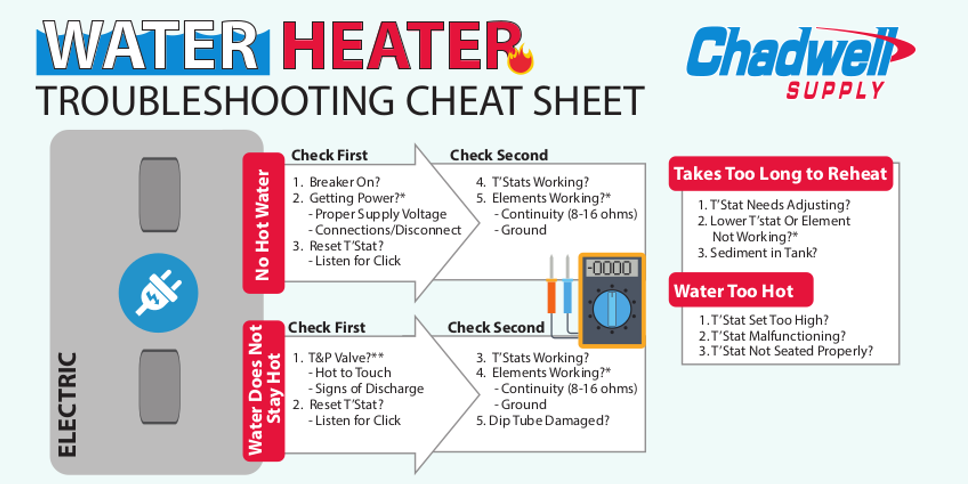
No hot water is the most obvious problem. It can happen if the heater is off or the pilot light is out. Electric heaters may have a tripped breaker or faulty heating element. Check these parts to find the cause quickly.
Insufficient Hot Water
Not enough hot water means the tank is too small or the heater is failing. Sediment buildup can reduce heating efficiency. A thermostat set too low also limits hot water supply. Adjust settings or clean the tank to improve performance.
Water Temperature Fluctuations
Hot water that changes temperature suddenly is frustrating. This can happen from a broken thermostat or mixing valve. Sometimes, the heater overheats water, then cools it down. Testing and replacing faulty parts usually fixes this.
Strange Noises
Rumbling, popping, or banging sounds signal trouble. Sediment at the tank bottom causes these noises. It traps heat and makes the water boil unevenly. Flushing the tank removes sediment and stops the noise.
Water Leaks
Leaks can appear around the tank or pipes. They waste water and may cause damage. Leaks come from loose connections, corrosion, or a cracked tank. Tightening fittings or replacing parts solves leaks.
Discolored Or Smelly Water
Rust-colored or foul-smelling water is unsafe. It means the tank is corroding or bacteria are inside. Flushing the tank and changing the anode rod can clear this issue. Regular maintenance keeps water clean and fresh.
Basic Troubleshooting Steps
Basic troubleshooting steps help fix common water heater problems. These steps guide you through simple checks. They often solve issues without calling a technician. Follow these steps carefully to understand your water heater better.
Checking The Power Supply
Start by checking the power supply to the water heater. Ensure the unit is plugged in securely. Look at the circuit breaker to see if it has tripped. Reset the breaker if needed. A power issue is a common cause of water heater failure.
Inspecting The Thermostat
Next, inspect the thermostat settings. Make sure the temperature is set properly. The ideal setting is usually between 120 and 140 degrees Fahrenheit. Check for any visible damage or wear on the thermostat. A faulty thermostat can prevent the water from heating.
Resetting The Water Heater
Resetting the water heater can clear minor faults. Locate the reset button on the unit. Press and hold the button for a few seconds. This step often restores normal function. Only reset the heater if it has a reset button.
Examining The Pilot Light
For gas water heaters, check the pilot light. It should burn steadily with a blue flame. If the light is out, follow the instructions to relight it safely. A pilot light that won’t stay lit may indicate a gas supply or thermocouple problem.
Testing The Heating Elements
Electric water heaters use heating elements to warm water. Test these elements with a multimeter for continuity. Replace any elements that show no continuity. Damaged heating elements stop the water from heating properly.
Quick Fixes For Electric Water Heaters
Electric water heaters can stop working properly for simple reasons. Many problems have quick fixes. These fixes save time and money. Understanding how to solve common issues helps keep hot water flowing.
Here are easy steps to fix common electric water heater problems. These tips work for many households.
Replacing A Faulty Heating Element
The heating element warms the water in the tank. If water is cold, the element might be broken. Turn off the power first. Drain the tank below the element level. Remove the old element with a wrench. Install a new element of the same type. Refill the tank and restore power. Test if the water heats properly.
Adjusting The Thermostat Settings
Sometimes water is too hot or too cold. The thermostat might need adjustment. Locate the thermostat under the access panel. Use a screwdriver to turn the dial. Set the temperature between 120°F and 140°F. Wait an hour and check water temperature. Adjust again if needed for comfort and safety.
Fixing Tripped Circuit Breakers
Electric water heaters run on a dedicated circuit. A power surge may trip the breaker. Find the breaker box. Look for the switch marked for the water heater. Flip it off and then back on. This resets the circuit. If it trips again, call an electrician. Avoid repeated resets to prevent hazards.
Quick Fixes For Gas Water Heaters
Gas water heaters can stop working suddenly. Many problems have simple fixes. Quick fixes save time and money. You can try these easy steps before calling a plumber. Follow safety rules to avoid accidents. These tips help you get hot water fast.
Relighting The Pilot Light
The pilot light may go out sometimes. First, find the pilot light cover. Turn the gas valve to “off” and wait five minutes. Press and hold the reset button or gas control knob. Use a lighter to light the pilot. Keep holding the button for 30 seconds. Release the button slowly. The pilot light should stay on.
Cleaning The Burner
A dirty burner stops the heater from working well. Turn off the gas and power supply. Remove the burner cover carefully. Use a brush or vacuum to clean dust and debris. Make sure the burner holes are clear. Replace the cover and turn the gas back on. Check if the heater works better now.
Checking The Gas Supply
Gas supply issues cause many heater problems. Look at the gas valve; it must be open. Check the gas meter for any alerts. Smell for gas leaks near the heater. If you smell gas, do not turn on anything. Call your gas company immediately. Ensure the gas line is not blocked or damaged.
Preventive Maintenance Tips
Keeping your water heater in good condition helps avoid many common problems. Simple maintenance steps can extend its life and improve efficiency. Regular care saves money and prevents unexpected breakdowns.
Flushing The Tank Regularly
Flushing removes sediment buildup inside the tank. Sediment reduces heating efficiency and can damage the unit. Drain a few gallons of water from the tank every six months. This keeps the system clean and working well.
Inspecting The Anode Rod
The anode rod protects the tank from rust. Check it once a year for wear and tear. Replace it if it is heavily corroded. This small part helps prevent leaks and extends the heater’s life.
Insulating The Water Heater
Adding insulation keeps heat inside the tank. This reduces energy use and lowers utility bills. Use an insulation blanket designed for water heaters. Cover the tank but avoid blocking vents or controls.
Scheduling Professional Checkups
Experts can find hidden problems early. Have a professional inspect your water heater once a year. They test safety controls and clean hard-to-reach parts. This helps keep your heater safe and efficient.

Credit: www.vetrallaservizi.it
When To Call A Professional
Knowing when to call a professional for water heater issues can save time and prevent damage. Some problems need expert help to fix safely and correctly. Small repairs might be okay to try on your own. Serious issues require a skilled technician’s attention.
Persistent Leaks
Leaks that do not stop after tightening or simple fixes are serious. Water dripping from the tank or pipes can cause damage to your home. A professional can find the exact leak source and repair or replace parts. Ignoring leaks can lead to bigger problems and higher repair costs.
Major Component Failures
Broken heating elements or faulty thermostats affect water temperature and safety. If your heater does not warm water or shuts off unexpectedly, parts may fail. Professionals have tools to test and replace these components safely. Trying to fix major parts without knowledge may cause more damage.
Gas Smell Or Safety Concerns
Smelling gas near a gas water heater is an emergency. Gas leaks can cause fires or explosions. Turn off the gas supply and leave the area immediately. Call a professional technician or your gas company for help. Never try to fix gas problems yourself.

Credit: www.theenergyexperts.com
Frequently Asked Questions
Why Is My Water Heater Not Producing Hot Water?
A common cause is a faulty heating element or thermostat. Check the circuit breaker and reset if needed.
How Do I Fix A Leaking Water Heater Tank?
Leaks often come from loose connections or a damaged tank. Tighten fittings or call a professional for tank issues.
What Causes Strange Noises In A Water Heater?
Sediment buildup inside the tank creates popping or rumbling sounds. Flushing the tank can help reduce noise.
How Often Should I Flush My Water Heater Tank?
Flushing once a year helps remove sediment and improves efficiency. It extends the heater’s life and performance.
Why Does My Water Heater Smell Bad?
Bacteria in the tank cause bad smells, often sulfur or rotten egg odor. Flushing and cleaning the tank can fix this.
Conclusion
Troubleshooting your water heater can save time and money. Start by checking simple issues like power and water supply. Regular maintenance helps prevent many common problems. Always follow safety steps to avoid accidents. When problems persist, calling a professional is wise.
A working water heater ensures comfort every day. Keep these tips in mind to handle issues with ease. Stay safe and enjoy hot water without stress.