If you own a 2004 Nissan Xterra, you know how reliable and tough it can be. But like any vehicle, it can run into problems that leave you frustrated and unsure what to do next.
You might be hearing strange noises, dealing with warning lights, or facing performance issues that slow you down. This guide is here to help you quickly identify and fix common troubles with your Xterra. By the end, you’ll feel more confident handling issues on your own and keeping your truck running smoothly.
Keep reading to unlock simple solutions that save you time and money.
Common Engine Issues
The 2004 Nissan Xterra is a solid SUV, but some engine problems are common. Knowing these issues helps keep your vehicle running smoothly. This guide covers frequent engine troubles and what causes them.
Starting Problems
Many Xterra owners face trouble starting the engine. This can happen due to a weak battery or a faulty starter motor. Sometimes, the ignition switch wears out and stops working properly. Fuel delivery issues, like a clogged fuel filter, can also prevent the engine from starting. Checking these parts is a good first step.
Overheating Causes
Overheating is a serious engine issue in the 2004 Xterra. A broken thermostat can stop coolant flow, causing the engine to get too hot. Leaks in the radiator or hoses reduce cooling efficiency. A failing water pump also leads to overheating. Keep an eye on the temperature gauge and coolant levels regularly.
Engine Misfires
Engine misfires cause rough running and lower power. Worn spark plugs or bad ignition coils often cause this issue. Dirty fuel injectors may disrupt fuel spray, leading to misfires. Vacuum leaks and faulty sensors can also affect engine performance. Regular maintenance helps prevent these problems.

Transmission Troubles
The 2004 Nissan Xterra is a reliable SUV, but transmission issues can arise. These problems affect driving comfort and safety. Understanding common transmission troubles helps owners maintain their vehicle better. Below are some typical transmission problems and how to spot them early.
Shifting Difficulties
Shifting gears smoothly is crucial for any vehicle. The Xterra may show hard shifts or delays. Sometimes, the transmission slips between gears unexpectedly. These signs indicate worn parts or low transmission fluid. Ignoring these symptoms can cause bigger damage.
Fluid Leaks
Transmission fluid is vital for proper gear operation. Leaks often appear as red or brown puddles under the vehicle. Low fluid levels lead to overheating and poor shifting. Check fluid regularly and fix leaks quickly to avoid costly repairs.
Clutch Wear
Manual transmission Xterras may face clutch wear over time. A slipping clutch causes a loss of power during acceleration. It also makes shifting gears rough or noisy. Replacing the clutch on time keeps the vehicle running smoothly.
Electrical System Faults
The 2004 Nissan Xterra can face several electrical system faults. These issues affect the vehicle’s performance and safety. Understanding these faults helps in quick troubleshooting. Some problems are simple to fix, while others need expert care.
Battery And Alternator
The battery and alternator are key parts of the electrical system. A weak battery causes starting problems and dim lights. The alternator charges the battery while driving. If it fails, the battery drains quickly. Check the battery terminals for corrosion. Test the alternator with a voltmeter to ensure proper voltage output. Replace faulty parts promptly to avoid breakdowns.
Lighting Problems
Lighting issues are common in the 2004 Xterra. Headlights and brake lights may flicker or fail. Loose or damaged wiring often causes these problems. Check all light bulbs and fuses. Clean connectors to improve electrical contact. Faulty switches or relays might need replacement. Proper lighting ensures safe driving, especially at night.
Power Window Malfunctions
Power windows may stop working or move slowly. This problem usually comes from a bad window motor or switch. Dirt and debris can block the window tracks, causing resistance. Inspect the wiring harness for damage or loose connections. Lubricate the window tracks regularly. Fixing power windows restores convenience and comfort.
Suspension And Steering
The suspension and steering systems of the 2004 Nissan Xterra play a key role in safe driving. They keep the vehicle stable and control how it handles on roads. Problems in these areas can cause discomfort and even danger. Knowing common issues helps with quick fixes and better maintenance.
Noisy Suspension
Noise from the suspension often means worn or damaged parts. Listen for clunks, squeaks, or rattles during driving. Bad shocks or struts can cause these sounds. Check bushings and mounts for wear. Fixing these parts improves ride comfort and safety.
Steering Wheel Vibration
Vibration in the steering wheel signals a problem. It might come from unbalanced tires or bent wheels. Worn tie rods or ball joints also cause shaking. This issue affects control and can be unsafe. Inspect steering components and tires for damage to solve it.
Alignment Issues
Misaligned wheels cause uneven tire wear and pulling to one side. Poor alignment makes steering harder and tires wear faster. It may happen after hitting potholes or curbs. Regular alignment checks keep the vehicle driving straight and extend tire life.
Brake System Concerns
The brake system is a crucial part of the 2004 Nissan Xterra. It keeps you safe on the road. Problems with the brakes can cause serious risks. Knowing common brake issues helps you fix them early. This keeps your vehicle running smoothly and safely.
Brake Noise
Strange sounds from the brakes often mean trouble. Squeaking or grinding noises show worn brake pads. Metal touching metal can damage rotors. Listen carefully for any unusual sounds. Early noise detection prevents costly repairs later.
Reduced Braking Power
If your Xterra takes longer to stop, it signals brake problems. Soft or spongy brake pedals reduce control. Air in brake lines or worn parts cause this. Reduced braking power increases stopping distance. Check brakes immediately to avoid accidents.
Brake Fluid Maintenance
Brake fluid helps move force from the pedal to the brakes. Old or low brake fluid harms brake performance. Check fluid levels regularly. Change brake fluid every two years or as needed. Clean fluid ensures proper brake function and safety.
Fuel System Problems
The fuel system in the 2004 Nissan Xterra is key to its smooth running. Problems here can cause many issues. These problems affect engine power, starting, and fuel use. Understanding common fuel system issues helps you spot trouble early. It also guides you to fix them quickly and safely.
Fuel Pump Failure
The fuel pump sends gas from the tank to the engine. Over time, it can wear out or fail. Signs include engine stalling, no start, or loss of power. A failing pump may make a whining noise. Check the fuel pump if your Xterra has these symptoms.
Clogged Fuel Filter
The fuel filter cleans dirt and debris from the gas. It can get clogged after long use. This reduces fuel flow and engine performance. Symptoms include rough idling, misfires, or hesitation during acceleration. Replacing the fuel filter can restore smooth engine operation.
Poor Fuel Economy
Fuel system problems often lead to poor fuel economy. A dirty filter or weak pump causes the engine to work harder. This burns more fuel and lowers mileage. Keep your fuel system clean and well-maintained to save fuel and money.
Cooling System Fixes
The cooling system in the 2004 Nissan Xterra keeps the engine at a safe temperature. Problems in this system can cause overheating and engine damage. Fixing these issues quickly helps your vehicle run smoothly and last longer.
Common cooling system problems include leaks, faulty thermostats, and old coolant. Each issue needs a specific fix to prevent bigger troubles.
Radiator Leaks
Radiator leaks cause coolant to escape, lowering the cooling power. Check for wet spots or puddles under your Xterra. Small leaks can be sealed with radiator sealant. Larger leaks may need a radiator replacement. Always inspect hoses and connections for cracks or wear.
Thermostat Replacement
The thermostat controls coolant flow. A stuck thermostat causes overheating or poor heating inside the car. Remove the old thermostat carefully. Replace it with a new one that fits your 2004 Nissan Xterra. Make sure the gasket is sealed to avoid leaks.
Coolant Flush Tips
Old coolant loses its ability to cool and protect the engine. Flush the coolant system every 30,000 miles or as recommended. Drain the old coolant completely. Use a radiator flush product to clean inside. Refill with the correct coolant mix for your Xterra. Check for air bubbles before closing the system.

Exhaust System Checks
The exhaust system in the 2004 Nissan Xterra plays a key role in engine performance and safety. Regular checks help keep it working well and reduce harmful emissions. Detecting issues early can save money and avoid bigger repairs.
Checking the exhaust system means looking at parts like pipes, the catalytic converter, and emissions controls. Each part can cause specific problems that affect your vehicle’s running and the environment.
Exhaust Leaks
Exhaust leaks often cause loud noises and reduce engine power. Leaks usually happen at pipe joints or where rust has eaten holes. You might smell strong fumes inside the car if there is a leak. Fixing leaks quickly prevents dangerous gases from entering the cabin and protects your engine.
Catalytic Converter Issues
The catalytic converter cleans harmful gases before they leave the tailpipe. A clogged or damaged converter can cause poor engine performance and higher emissions. Signs include a drop in fuel efficiency and a rotten egg smell. Testing the converter helps catch problems before they cause engine damage.
Emissions Troubleshooting
Emissions problems often trigger the check engine light. Common causes include faulty oxygen sensors or bad gas caps. Emission tests can show if your Xterra meets standards. Repairing emissions faults keeps the vehicle legal and helps the environment.
Interior And Comfort Issues
The 2004 Nissan Xterra offers a tough and reliable ride. Still, some interior and comfort issues can affect your driving experience. These problems often relate to heating, cooling, dashboard alerts, and seat comfort. Understanding these issues helps keep your Xterra comfortable and safe.
Ac And Heater Problems
Many Xterra owners report trouble with the air conditioning and heater. The AC might blow warm air or stop working completely. This could be due to low refrigerant or a faulty compressor. The heater may not warm up well because of a broken thermostat or heater core. Check these parts if your cabin temperature feels off.
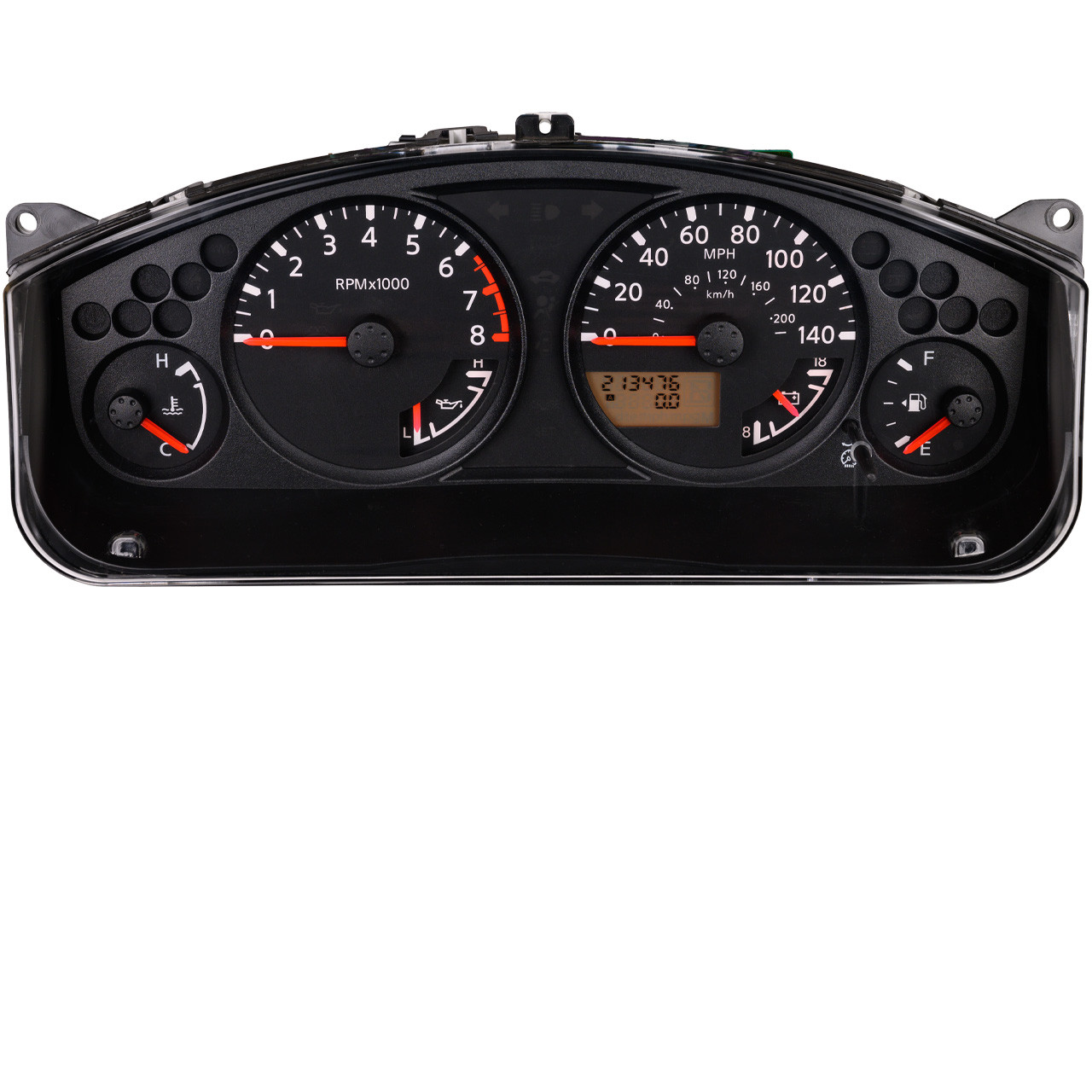
Dashboard Warning Lights
The dashboard warning lights can turn on without clear reasons. Common lights include the check engine and ABS lights. These signals often point to sensor or wiring issues. Ignoring these lights may cause bigger problems. Use a code reader to find the exact cause quickly.
Seat And Upholstery Care
The seats in the Xterra can wear out or stain easily. Leather seats may crack over time without proper care. Fabric seats can fade or tear from heavy use. Regular cleaning and conditioning help maintain the interior. Use gentle cleaners and avoid harsh chemicals to protect your upholstery.
Routine Maintenance Tips
Keeping your 2004 Nissan Xterra in good shape takes regular care. Routine maintenance helps avoid common problems and keeps your SUV running smoothly. Simple steps can save money and time on repairs later. Follow these basic tips for better performance and longer vehicle life.
Oil Change Schedule
Change the oil every 3,000 to 5,000 miles. Use the correct oil type for your engine. Fresh oil keeps the engine clean and cool. It also improves fuel efficiency. Check the oil level monthly and top off if needed. Clean oil protects engine parts from wear.
Tire Rotation And Care
Rotate tires every 6,000 to 8,000 miles. This helps even out tire wear. Uneven tires cause poor handling and reduce life. Check tire pressure monthly. Proper pressure improves fuel economy and safety. Inspect tires for damage or uneven wear regularly.
Filter Replacements
Replace air and cabin filters every 15,000 to 30,000 miles. Clean filters improve engine air flow and cabin air quality. A dirty air filter lowers fuel efficiency. A clogged cabin filter reduces airflow inside. Check filters more often in dusty areas.
Frequently Asked Questions
What Are Common Engine Problems In A 2004 Nissan Xterra?
The 2004 Nissan Xterra may face issues like rough idling and stalling. These problems often result from dirty fuel injectors or a faulty ignition system.
Why Does My 2004 Nissan Xterra Overheat Frequently?
Overheating can happen due to a low coolant level or a broken thermostat. Checking the radiator and coolant system helps prevent engine damage.
How To Fix Transmission Issues In A 2004 Nissan Xterra?
Transmission problems may include slipping or hard shifting. Regular fluid changes and inspections can keep the transmission working well.
What Causes Electrical Problems In A 2004 Nissan Xterra?
Electrical faults often come from worn battery cables or a bad alternator. Ensuring clean connections and battery health can reduce these issues.
How To Troubleshoot Brake Problems In A 2004 Nissan Xterra?
Brake noises or poor response may indicate worn pads or low brake fluid. Timely replacement and fluid checks improve safety and performance.
Conclusion
The 2004 Nissan Xterra can face common issues over time. Knowing basic troubleshooting saves time and money. Regular checks keep your Xterra running smooth. Simple fixes often solve many problems quickly. Stay patient and follow clear steps carefully. Your efforts help extend the truck’s life.
Keep learning about your vehicle’s needs. This knowledge makes driving safer and easier. Trust your skills to handle small issues. A well-maintained Xterra gives better performance every day.