Is your AC unit acting up just when you need it most? You’re not alone, and the good news is—most problems can be fixed without calling a technician.
Imagine staying cool and comfortable all summer long without unexpected breakdowns or soaring repair bills. In this guide, you’ll discover simple, step-by-step troubleshooting tips that anyone can follow. Whether your unit won’t turn on, isn’t cooling properly, or making strange noises, we’ll help you find the cause and solution fast.
Ready to take control of your comfort and save money? Let’s dive in and get your AC running smoothly again.

Signs Of Ac Problems
Knowing the signs of AC problems helps save time and money. Early detection stops small issues from becoming big repairs. Watch your AC closely for unusual changes. These signs show the system needs attention.
Unusual Noises
Strange sounds from your AC are warning signals. Grinding, squealing, or rattling noises mean parts may be damaged. These sounds often come from loose or worn components. Ignoring noises can lead to bigger problems and costly fixes.
Weak Airflow
Weak airflow reduces your comfort inside the house. The air coming out feels soft or barely moves. This could mean a clogged filter or a blocked vent. Sometimes, the fan motor or blower may not work well. Fixing airflow issues improves cooling and saves energy.
Inconsistent Cooling
Your AC should keep the room temperature steady. If some rooms are cold and others warm, there is a problem. This issue could come from low refrigerant or dirty coils. Thermostat problems also cause uneven cooling. Consistent cooling keeps your home comfortable all day.
Water Leaks
Water leaking around your AC unit is a serious sign. Leaks often happen due to a clogged drain pipe or frozen coils. Standing water can damage floors and walls. Check for water stains or puddles near the unit. Fix leaks quickly to avoid bigger damage.
Basic Checks Before Repairs
Before calling a technician, try some basic checks on your AC unit. These simple steps can save time and money. They help you find small problems early. This way, you can fix issues without full repairs.
Power Supply And Thermostat
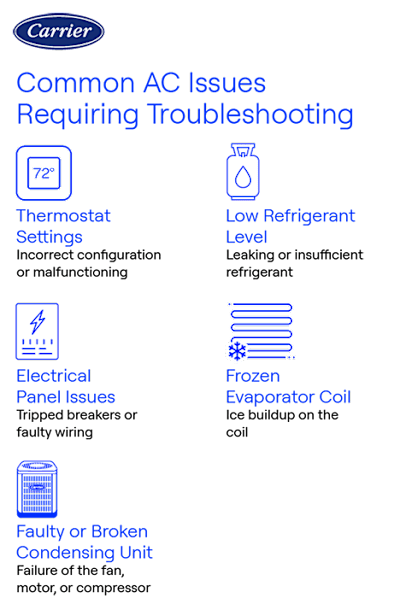
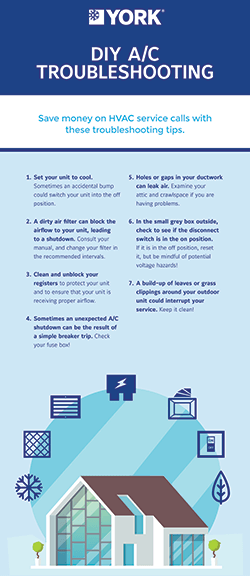
First, check the power supply. Make sure the AC is plugged in and switched on. Look at your circuit breaker or fuse box. A tripped breaker can stop the AC from working. Next, check the thermostat settings. Ensure it is set to cool and the temperature is lower than room temperature. Replace batteries if needed.
Air Filter Condition
Dirty filters block airflow and reduce cooling. Remove the air filter and inspect it. If it looks dusty or clogged, replace or clean it. Clean filters help the AC work better and save energy. Check the filter every month during heavy use.
Outdoor Unit Inspection
Look at the outdoor unit for dirt and debris. Clear leaves, grass, and dirt around it. Make sure nothing blocks the airflow. Inspect the fan for damage or strange noises. A clean and clear outdoor unit improves cooling and efficiency.
Fixing Common Cooling Issues
AC units can face common cooling problems that reduce comfort. Fixing these issues can bring cool air back quickly. Simple checks and fixes often solve the problem without calling a technician.
Follow easy steps to keep your AC running smoothly and efficiently. These fixes save energy and avoid costly repairs.
Cleaning Or Replacing Filters
Dirty filters block airflow and reduce cooling power. Check the filter every month during heavy use. Clean washable filters with water and let them dry completely. Replace disposable filters every 1 to 3 months. Clean filters improve air quality and make the AC work better.
Clearing Blocked Condenser Coils
Condenser coils outside can get clogged with dirt and debris. Turn off the AC before cleaning the coils. Use a soft brush or garden hose to remove dirt gently. Clear space around the unit to help airflow. Clean coils improve heat exchange and cooling efficiency.
Resetting The Thermostat
Thermostat errors can stop the AC from cooling properly. Turn off the thermostat and remove batteries if possible. Wait a few minutes before replacing batteries and turning it back on. Set the temperature lower than room temperature to test. Resetting helps clear minor electronic glitches.
Unclogging Drain Lines
Drain lines remove moisture from the AC unit. Clogged lines cause water leaks and reduce cooling. Locate the drain pipe and check for blockages. Use a wet/dry vacuum or a pipe cleaner to clear clogs. Keep drain lines clean to prevent water damage and mold growth.
When To Call A Professional
Knowing when to call a professional for AC unit troubles is important. Some problems need expert help to avoid damage or injury. Small issues might seem easy to fix but can hide bigger problems. A trained technician can find and fix these safely and quickly.
Refrigerant Leaks
Refrigerant leaks lower cooling power and waste energy. This gas is harmful to the environment and your health. Finding leaks requires special tools and knowledge. Only a professional can safely handle refrigerants and fix leaks properly.
Electrical Problems
Electrical issues cause the AC to stop working or work poorly. Faulty wiring or blown fuses can be dangerous. Electricity risks shocks or fires if handled wrongly. A licensed electrician or AC technician can safely inspect and repair electrical faults.
Compressor Failures
The compressor is the heart of the AC system. If it fails, the unit will not cool at all. Replacing or fixing compressors is complex and costly. A professional can diagnose the problem and suggest the best solution to save money and time.
Maintenance Tips To Prevent Issues
Proper maintenance helps keep your AC unit running smoothly. It prevents breakdowns and costly repairs. Simple habits can extend your unit’s life and improve its efficiency. Follow these easy tips to avoid common AC problems.
Regular Filter Replacement
Dirty filters block airflow and reduce cooling. Replace filters every 1 to 3 months. Use the right size and type for your unit. Clean filters improve air quality and save energy.
Seasonal System Checks
Check your AC before summer and after winter. Look for leaks, unusual noises, or weak airflow. Test the thermostat and clean coils. Early checks catch small issues before they become big problems.
Keeping Outdoor Unit Clear
Clear leaves, dirt, and debris from the outdoor unit. Keep plants and objects at least two feet away. A clean outdoor unit cools better and lasts longer. Regular cleaning prevents overheating and damage.
Frequently Asked Questions
Why Is My Ac Unit Not Cooling Properly?
Poor cooling can be caused by dirty filters or low refrigerant. Check these first to improve performance. Sometimes, the thermostat setting may also be incorrect.
What Causes Strange Noises In An Ac Unit?
Noises often come from loose parts or debris in the unit. A humming sound may mean electrical issues. Regular cleaning and tightening can help.
How Do I Reset My Ac Unit Safely?
Turn off the power at the breaker for about one minute. Then, switch it back on to reset the system. This can clear minor errors.
Why Is My Ac Unit Leaking Water Inside?
Clogged drain lines or frozen coils often cause leaks. Clear the drain pipe or check for airflow problems. Water should drain outside, not inside.
How Often Should I Clean Or Replace Ac Filters?
Filters should be checked monthly and cleaned or replaced every 1-3 months. Dirty filters reduce airflow and efficiency. Regular care keeps your AC working well.
Conclusion
AC unit problems can feel frustrating and confusing. Simple checks often solve common issues fast. Regular cleaning and filter changes keep your AC running well. Don’t ignore strange noises or weak airflow. Small fixes save money and prevent bigger repairs later.
Remember to call a professional for complex troubles or safety concerns. Staying aware helps your unit work longer and better. Keep cool and comfortable all season long. Troubleshooting your AC is easier than you think.