Is your AC blowing warm air instead of cooling your room? It’s frustrating when your air conditioner stops working properly, especially on a hot day.
But before you call a repair technician or spend money on a new unit, there are simple steps you can take to fix the problem yourself. In this guide, you’ll learn easy and effective troubleshooting tips to get your AC cooling again quickly.
Keep reading to discover how to bring back that refreshing chill and make your home comfortable once more.
Common Ac Cooling Issues
Air conditioners can stop cooling properly for many reasons. Knowing common AC cooling issues helps you fix problems fast. Many problems are simple and easy to check. This saves time and money on repairs. Here are some common issues that cause poor cooling.
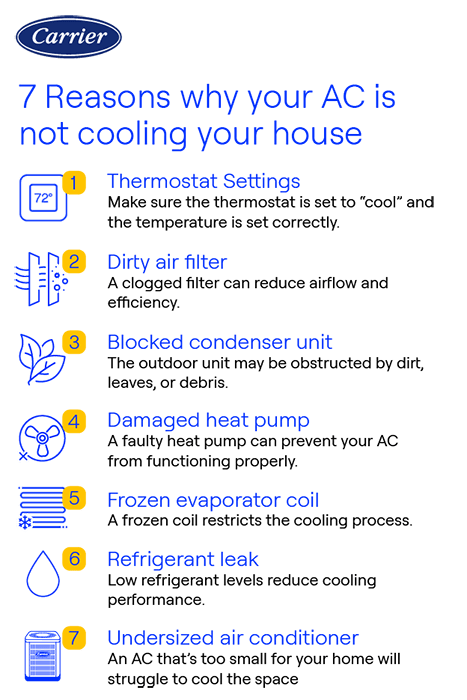
Insufficient Airflow
Airflow is key to good cooling. Blocked vents or dirty ducts reduce airflow. Fans that do not work well also cause weak airflow. When air moves slowly, your room stays warm. Check vents and fans for dust and blockages. Clear any objects in front of vents.
Frozen Evaporator Coil
The evaporator coil cools the air inside your AC. If it freezes, cooling stops. Ice forms when airflow is low or refrigerant is low. A frozen coil looks like white ice on the unit. Turn off the AC and let the ice melt. Fix airflow or refrigerant issues to stop freezing.
Dirty Air Filters
Air filters trap dust and dirt. Dirty filters block air and reduce cooling. They also make the AC work harder. Check filters every month during hot seasons. Clean or replace filters for better airflow and cooling.
Refrigerant Leaks
Refrigerant cools the air inside your AC. Leaks reduce refrigerant levels and cooling power. Low refrigerant makes your AC run longer but cool less. Signs include hissing sounds or oily spots near pipes. Call a professional to find and fix leaks safely.

Quick Checks Before Calling A Technician
Before calling a technician for AC not cooling issues, try some quick checks. These steps can save time and money. Many problems have simple fixes you can do yourself. Follow these easy tips to find common issues fast.
Thermostat Settings
Check if the thermostat is set to “cool” mode. Make sure the temperature is lower than the room temperature. Replace the batteries if the thermostat screen is blank. Clean the thermostat to remove dust that may affect readings.
Power Supply And Breakers
Verify the AC unit is plugged in properly. Look at the circuit breaker panel for tripped switches. Reset any breaker that has flipped off. Check the fuse box for blown fuses that need replacement.
Outdoor Unit Inspection
Inspect the outdoor AC unit for dirt or debris. Clear leaves, grass, and dust around the unit. Make sure the fan is spinning freely. Remove any blockages that could stop airflow. Check for ice buildup on coils, which may need professional care.
Diy Fixes To Improve Cooling
When your AC is not cooling well, simple fixes can help. These easy steps save time and money. Most people can do them without special tools.
Try these DIY fixes to improve your AC’s cooling. They keep your system working better and longer.
Replacing Air Filters
Dirty air filters block airflow and reduce cooling. Replace them every 1-3 months for best results. Use the correct size filter for your AC. Slide out the old filter carefully. Insert the new one in the same direction. Clean filters help air flow freely and cool your home better.
Cleaning The Condenser Coils
Condenser coils gather dirt and dust outside. This lowers cooling efficiency. Turn off power to the unit first. Use a soft brush or coil cleaner to remove dirt. Rinse gently with water but avoid high pressure. Clean coils help your AC release heat quickly.
Clearing Blocked Vents
Blocked vents stop cool air from moving. Check all vents and remove any objects covering them. Clean dust from vents using a vacuum or cloth. Open vents fully for good airflow. Clear vents help air flow evenly in your home.
Resetting The System
Sometimes your AC needs a reset to work right. Turn off the thermostat and power at the breaker. Wait about 5 minutes. Turn the power and thermostat back on. This can fix minor glitches and restore cooling fast.

When To Recharge Refrigerant
Knowing when to recharge your air conditioner’s refrigerant is key to keeping it cool. Low refrigerant levels stop the AC from working well. It causes your home to feel warm and uncomfortable. Checking for signs of low refrigerant helps you decide if a recharge is needed. Understanding risks of handling refrigerant yourself keeps you safe and prevents damage.
Signs Of Low Refrigerant
Look for weak or warm airflow from the vents. The AC may run longer but still fail to cool. Ice can form on the coils or refrigerant lines. You might hear hissing sounds from the unit. High electricity bills can also mean low refrigerant. These signs suggest the AC is struggling to cool properly.
Risks Of Diy Refrigerant Handling
Refrigerant is a harmful chemical. Handling it without training can cause injury or illness. Incorrect recharging can damage the AC system. It may lead to leaks or further cooling problems. Laws often require certified technicians to handle refrigerant. Professional help ensures safety and proper AC function.
Preventive Tips To Keep Ac Efficient
Keeping your air conditioner running well saves money and keeps your home cool. Small actions can stop big problems. Follow these easy tips to help your AC work better for longer.
Regular Maintenance Schedule
Check your AC regularly to avoid breakdowns. Clean or change filters every month. Clear debris around the outdoor unit. Schedule a professional check-up twice a year. This keeps parts working well and improves air flow.
Sealing And Insulating Your Home
Seal cracks and gaps in doors and windows. Use weather stripping or caulk to block air leaks. Proper insulation keeps cool air inside. It lowers the AC’s workload. This helps your unit cool faster and use less energy.
Using Fans To Boost Airflow
Use ceiling or portable fans to move air around. Fans help spread cool air evenly. They make rooms feel cooler without extra AC use. Turn fans off when you leave a room to save energy.
Energy-saving Cooling Alternatives
Energy-saving cooling alternatives help reduce electricity use and lower bills. These options keep your home cool without overworking your air conditioner. They also extend the life of your AC unit by reducing strain.
Using smart cooling methods can keep you comfortable and save money. Small changes add up to big savings over time. Explore some easy and effective ways to cool your home efficiently.
Programmable Thermostats
Programmable thermostats adjust the temperature automatically. You can set them to cool only when needed. This prevents wasting energy on an empty house. They help keep your home comfortable and save power. Many models are easy to use and affordable.
Shade And Window Treatments
Windows let in sunlight that heats your home. Using shades or curtains blocks this heat. Keep blinds closed during the hottest parts of the day. Planting trees or using awnings also reduces heat inside. These simple steps lower the need for air conditioning.
Energy-efficient Ac Models
Energy-efficient AC units use less electricity to cool your home. They have better technology and improved designs. Look for models with a high SEER rating. Replacing old units with energy-efficient ones saves money. This switch reduces your home’s carbon footprint as well.
Frequently Asked Questions
Why Is My Ac Not Cooling The Room Properly?
Your AC may have a dirty filter or low refrigerant. Both reduce cooling power and need cleaning or refilling.
How Can I Fix An Ac That Is Blowing Warm Air?
Warm air can mean a clogged filter or a frozen coil. Check and clean the filter, and allow the coil to thaw.
What Causes Ac To Stop Cooling Suddenly?
Sudden stops often come from power issues or a tripped circuit breaker. Check your power supply and reset breakers if needed.
Can A Dirty Ac Filter Affect Cooling Performance?
Yes, a dirty filter blocks airflow, making your AC work harder. Replace or clean the filter every 1-3 months for best results.
How Often Should I Service My Ac To Maintain Cooling?
Service your AC at least once a year. Regular check-ups keep parts clean and catch problems early.
Conclusion
AC not cooling can be frustrating. Check basic issues like dirty filters and blocked vents. Make sure the thermostat is set correctly. Clean the outdoor unit to improve airflow. Sometimes, simple fixes solve the problem fast. If the AC still does not cool, call a professional technician.
Regular maintenance helps keep your AC running well. Stay cool and comfortable all summer long. Small steps can save you from big repairs. Keep your home fresh and cool with proper care.