The most common way to fix an ego blower troubleshooting issue is to check that the battery is fully locked into place and the contacts are clean. If the unit still doesn’t start, it’s almost always due to a dirty battery terminal or a depleted charge. You should inspect the battery slot for debris and ensure the latch clicks firmly. If you suspect a deeper issue, you can check your EGO Power+ support page for specific guidance on your model’s warranty and service steps.
Troubleshooting a blower that won’t start
When a leaf blower fails to power on, the issue is usually related to the connection between the battery and the tool. Dust, grass clippings, or small twigs often get trapped inside the battery port. This debris prevents the metal pins from making a solid electrical connection. If the connection is weak, the tool won’t draw power even if the battery has a full charge.
Another common cause is a battery that has entered a protection mode. These lithium-ion batteries have internal circuits that guard against overheating or deep discharge. If the battery was stored in extreme heat or left completely drained for a long time, the internal computer may prevent it from outputting power. You can often reset this by placing the battery on its charger until the light indicates a full state.
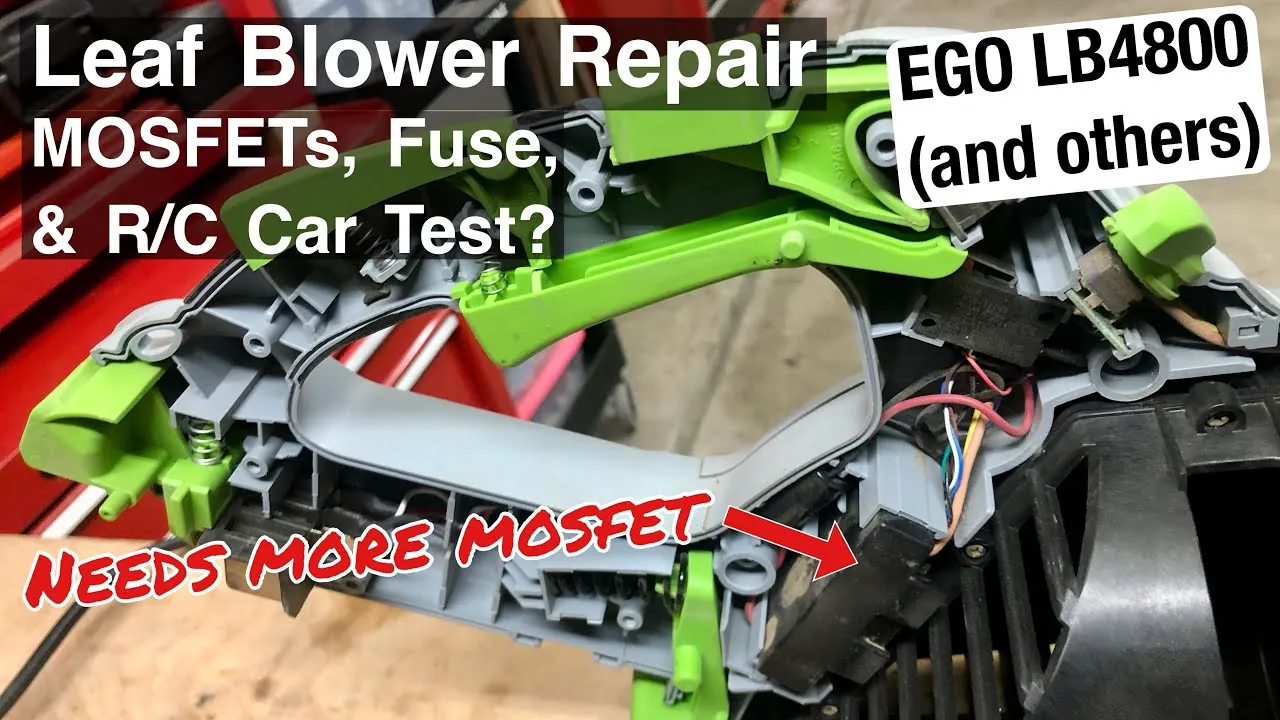
Finally, consider the state of the trigger switch. If the blower was dropped or hit against a hard surface, the internal trigger mechanism might be misaligned. You might hear a faint click when pulling the trigger, but if the internal contact doesn’t engage, the motor will remain silent. This is a mechanical failure that requires a professional to open the housing safely.
Clean the battery terminals
The first step is to remove the battery and look inside the tool’s port. Use a dry, soft cloth or a clean, soft-bristled brush to remove any loose dirt or grass. Never use water or liquid cleaners, as moisture can cause a short circuit in the electrical pins. If you see heavy buildup, gently wipe the metal contacts on both the tool and the battery.
This fix is intended for users who notice visible dirt or debris in the connection area. If the contacts look shiny and clean, don’t force them or try to bend them. Bending the pins can cause them to snap, which will permanently break the connection.
If you see white or blue crusty deposits, use a pencil eraser to gently buff the surface. This removes oxidation without scratching the conductive plating. If the residue remains stubborn, use a cotton swab dipped in 90% isopropyl alcohol. Ensure the area is bone dry before reinserting the pack.
If you have multiple batteries, try a different one to see if the tool runs. If it works with another pack, the issue is with the first battery’s internal health rather than the terminal connection.
Check for battery charge levels
If the blower runs for a few seconds and then shuts off, the battery is likely low or failing to hold a charge. Place the battery on the official EGO charger and watch the LED indicator lights. A solid red light or a blinking red light often indicates that the battery is too hot or too cold to charge. Move the charger to a room with a stable temperature between 40°F and 100°F.
If the charger shows no lights at all, try plugging it into a different wall outlet to rule out a power issue at the source. If you have access to a second battery, test it to determine if the charger is the problem. If the charger is warm to the touch but doesn’t charge the battery, it may be time to contact an authorized service center.
Always use the specific charger model that came with your unit. If the LED flashes green, the battery is currently charging. Leave it connected for at least two hours to allow the internal cells to balance their voltage.
Inspect the air intake vents
A blower that loses power during use or vibrates excessively may have a clogged air intake. Turn the unit off and check the plastic grate on the side or rear of the blower. Over time, leaves and dust can block these holes, which causes the motor to overheat and shut down to protect itself. Use a brush to clear the exterior of the intake vent.
This fix is for users who notice the blower getting hot or losing speed after several minutes of use. It’s a simple maintenance task, but it’s vital for the life of the motor. If you operate the unit in dry, dusty conditions, inspect the vents every thirty minutes of runtime. A failure to clear this debris forces the motor to draw more current, which can permanently degrade the internal windings.
Never attempt to remove the plastic housing to clean the inside. If the intake is clear but the blower still sounds strained or makes a grinding noise, stop using it immediately. Continued use of a failing motor can lead to a total burnout. If the unit is still under warranty, consult the manual before attempting any internal repairs.
Common mistakes to avoid
Using water to clean the battery port: This creates a high risk of corrosion on the metal pins, which will permanently ruin the connection. Never use liquid cleaners or damp cloths inside the port. If you see dust or lint, use a dry, soft-bristled brush or a blast of compressed air held at least six inches away to avoid moisture condensation.
Forcing the battery into the slot: If it doesn’t slide in smoothly, debris is likely blocking it. Forcing the fit can snap the plastic locking tabs, which are rarely replaceable. If you feel resistance, stop immediately. Check the channel for obstructions and ensure the battery is aligned with the guide rails before trying again.
Leaving the battery on the charger indefinitely: While modern chargers have auto-shutoff features, leaving a battery plugged in for months can degrade the cell chemistry. If you plan to store the unit for more than thirty days, remove the battery and keep it at a fifty percent charge level to maintain optimal internal resistance.
Using non-compatible chargers: Each voltage level requires a specific charger. Using the wrong one can trigger a safety lockout or cause thermal runaway, which permanently damages the cells. Always use an official EGO charger designed for the EGO battery platform.
Maintaining your blower correctly
Proper care keeps your tool running at peak efficiency for years. Compare your current habits with these recommended practices to prevent future power failures.
| If you’re doing this | Do this instead | Why |
|---|---|---|
| Storing battery in shed | Store in a climate-controlled area | Extreme temps damage lithium cells |
| Leaving battery empty | Charge to 50% for storage | Prevents deep discharge failure |
| Pushing into thick piles | Use a sweeping motion | Avoids clogging the intake vents |
| Leaving battery on tool | Remove after every use | Prevents slow power drain |
Most owners ignore the intake screen until the motor begins to whine. If your blower feels sluggish, inspect the mesh for fine debris. A clogged screen forces the motor to work harder, which rapidly depletes your battery life.
If you notice a burning smell, stop immediately. This indicates the motor is straining against a blockage. Clear the intake and check the impeller for jammed twigs.
Use this decision rule: if your battery feels hot to the touch, wait thirty minutes before plugging it into the charger. Charging a hot battery permanently reduces its total capacity. If you store your tool for more than three months, check the charge level every sixty days to ensure it stays near that 50% mark.
Frequently asked questions
How long should an ego battery last?
Most batteries last between 3 and 5 years depending on usage and storage. If runtime drops significantly after a full charge, the internal cells have reached the end of their cycle life. You can verify this by checking the fuel gauge; if no lights appear after charging, the battery must be replaced.
Is it safe to open the blower housing?
No, it isn’t safe to open the plastic housing of your blower. The internal components, including the motor and circuit board, are sensitive and can be damaged by static or improper handling. Opening the unit also voids your manufacturer warranty. If you can’t fix the issue by cleaning the external terminals or clearing the air intake, you must take the unit to an authorized service dealer for repair.
Why does the blower stop after a minute?
The blower shuts down after a minute due to overheating or low-voltage protection. Blocked air intakes cause the motor to overheat, triggering an automatic safety shutdown. Ensure the intake vent is clear of debris and the battery is fully seated to prevent this issue from occurring during operation.
Can I use a different brand charger?
No, you should never use a charger from a different brand or a different voltage class. EGO chargers are designed to communicate with the specific battery management system inside their own packs. Using an incompatible charger can cause the battery to overheat, swell, or even catch fire. Always use the specific charger model that was included with your tool or an exact replacement part from the manufacturer.
What happens if the motor makes a grinding noise?
A grinding noise indicates that the motor bearings or internal fan blades are damaged. This physical failure requires professional repair, as it can’t be resolved through cleaning. Stop using the tool immediately to prevent further damage and contact an authorized service center to determine if the unit can be repaired.
Conclusion
If your blower is under warranty, check your original purchase receipt or the online registration portal to confirm your coverage. Most manufacturer warranties cover defects in materials and workmanship, but they don’t cover damage caused by improper storage or accidental drops. If you have verified that the battery is clean and charged, but the tool remains unresponsive, the best path is to visit an authorized dealer for a professional diagnostic check.