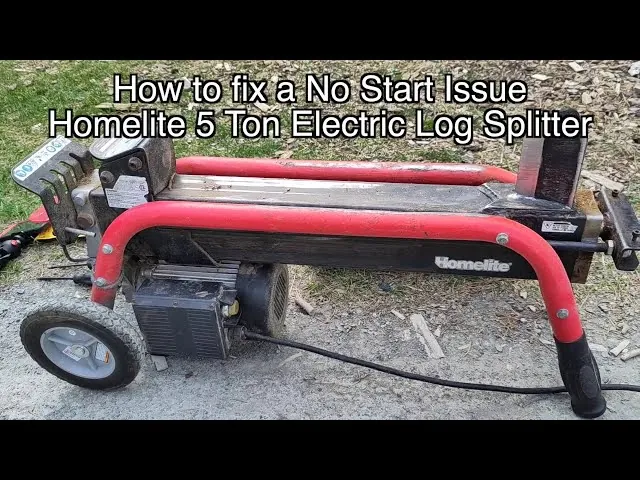
If your machine stops pushing, you can perform electric log splitter troubleshooting by checking the power source, the hydraulic fluid levels, and the relief valve settings first. Most issues start with a tripped circuit breaker or an extension cord that’s too long or too thin to carry the required current. Before you try anything else, ensure the plug is pushed firmly into a grounded outlet and that your power supply matches the motor specifications on the machine’s data plate.
Troubleshooting electric splitter power and movement issues

When a machine fails to engage, the cause is usually related to electrical resistance or a lack of hydraulic pressure. If the motor hums but the ram doesn’t move, the pump may be struggling due to cold oil or an air pocket in the system. High viscosity oil, common in freezing temperatures, often prevents the pump from building enough pressure to push a log.
Another frequent cause is the use of an undersized extension cord. Electric motors draw a high surge of power at startup; if the cord is too long, the voltage drop prevents the motor from reaching its full torque. This creates an internal heat buildup that can trigger the motor’s thermal protection switch. If the motor shuts off during operation, wait 15 minutes for the thermal switch to reset before you attempt to start it again.
Finally, check your hydraulic fluid level. If the reservoir is low, the pump draws in air, which causes the ram to move in a jerky, uneven motion. Always check the fluid level on a flat, level surface while the ram is fully retracted. For specific maintenance intervals and oil types, follow the Consumer Product Safety Commission general guidance on managing power tools safely and ensuring proper electrical connections.
Reset the power and circuit connections
This fix is for users who find their machine is completely unresponsive when they press the start button. First, inspect the power cord for any signs of fraying or damage, as a broken wire prevents the flow of electricity. If the cord looks healthy, look at your home’s main breaker panel to see if a switch has flipped to the “off” or “middle” position.
If the breaker is fine, check the GFCI outlet or the reset button on the machine’s power cord itself. Many modern splitters feature an inline GFCI that trips to protect you from shock. Press the “reset” button on the plug unit; if it clicks and stays in, the power should return immediately. If it trips again instantly, you have a ground fault, and you must stop using the machine until a qualified electrician inspects the unit.
You should never attempt to open the motor housing or the switch box to bypass safety interlocks. These components contain capacitors that can store a lethal electrical charge even when the unit is unplugged. If the power issue persists after you have verified the outlet and the cord, the fault lies within the internal motor or the start relay. This is professional-grade work; take the unit to an authorized service center to avoid voiding your warranty or causing serious injury.
Adjust the hydraulic pressure and ram speed
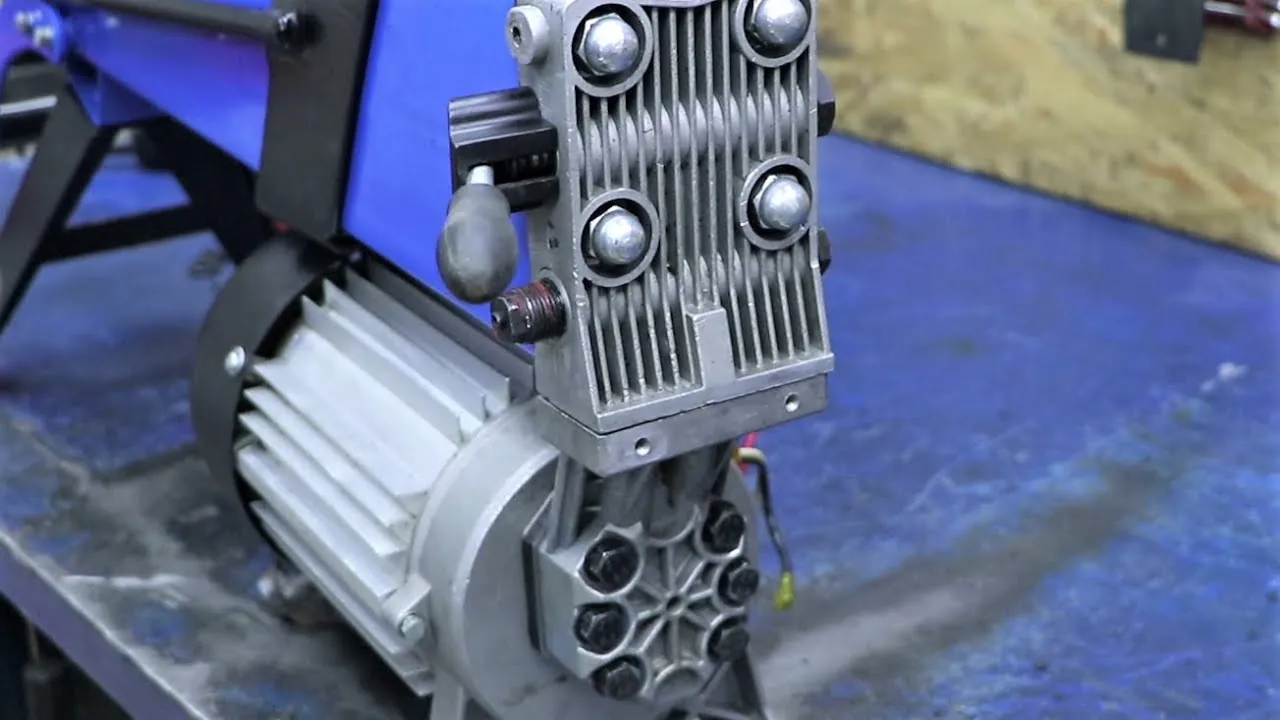
This process is for when the motor runs perfectly, but the ram is slow or fails to split the log. The primary goal is to ensure the hydraulic system has no air trapped inside and the fluid is moving freely. First, loosen the bleed screw on the hydraulic tank by two or three turns while the machine is off. This allows any trapped air to escape as you cycle the ram forward and backward.
Once you have finished bleeding the air, tighten the screw firmly. If the ram remains sluggish, check that the log you’re trying to split isn’t too dense or too large for your specific model’s tonnage rating. If you see the ram stop mid-way through a log, don’t force it by holding the lever longer. Instead, release the control, remove the log, and try splitting it from the edge rather than the center.
The relief valve is the final lever you can pull, but it’s a precision component. If you suspect the valve is set too low, consult your owner’s manual for the location of the pressure adjustment screw. Only adjust this if you have a hydraulic pressure gauge to verify the setting against the manufacturer’s maximum PSI. If you lack this equipment, don’t turn the screw, as incorrect pressure can cause the hydraulic hoses to burst under load.
Clear blockages and maintain the cutting wedge
When the ram moves but fails to complete the split, the issue is often a dull wedge or debris stuck in the guide rails. A dull wedge requires significantly more force to push through the wood fiber. If your wedge has nicks or burrs, use a fine-tooth metal file to smooth the edges. This reduces friction and allows the metal to slide through the wood grain without hanging up.
You must also keep the beam rails clean. Over time, sap, bark, and dirt build up on the steel tracks where the ram slides. This debris creates drag that slows the motor down. Wipe the rails with a clean rag and apply a light coat of high-quality machine oil or silicone lubricant. This keeps the ram moving smoothly and protects the metal from rust during storage.
This fix is for users who have verified the electrical and hydraulic systems are working correctly. If the machine continues to struggle with small logs, the internal pump is likely worn out and can’t maintain the necessary pressure. Replacing a hydraulic pump requires specialized tools and knowledge of fluid systems. If you aren’t comfortable working with high-pressure hydraulics, contact a professional small engine repair shop to have the pump pressure tested and replaced.
Avoid common mistakes that damage the splitter
- Don’t use an extension cord longer than 25 feet, as it will cause a voltage drop that burns out the motor.
- Never attempt to split logs that are wet or frozen, as these require much more force than the machine is designed to handle.
- Avoid using the splitter on an uneven surface, which puts extra stress on the ram and can cause the machine to tip over.
- Don’t bypass the two-handed safety switch, as this removes your primary protection against accidental finger or hand crushing injuries.
- Never leave the machine running while unattended, as this can lead to overheating if the thermal protection switch fails to engage.
Keep your equipment in top condition
| If you’re doing this | Do this instead | Why |
|---|---|---|
| Splitting wood in the rain | Move to a dry, covered area | Water causes electrical shorts |
| Forcing a jammed log | Stop and reverse the ram | Prevents motor burnout |
| Using a thin, long cord | Use a heavy-gauge cord | Maintains consistent voltage |
| Storing it outside | Keep it in a shed or garage | Prevents rust and seal decay |
| Ignoring oil leaks | Tighten fittings or replace seals | Low fluid causes pump failure |
Most users mistake a sluggish ram for a dull blade, but the culprit is usually voltage drop. If your cord exceeds 50 feet, you must use a 10-gauge wire to prevent the motor from overheating during heavy cycles.
Check your hydraulic fluid levels every ten operating hours. If the fluid appears milky, water has entered the reservoir, which will destroy the internal pump seals within a single season.
Distinguish between a simple jam and a mechanical failure by listening to the pitch. A high-pitched whine indicates a blockage, while a low, labored hum suggests the motor is starving for power. If you hear the hum, cut the power immediately.
Continuing to push the motor under these conditions will cause the thermal overload switch to trip, requiring a cool-down period before the motor can be restarted. Always prioritize a level surface, as operating on a slope causes the pump to cavitate and lose pressure.
Frequently asked questions
How long should an electric log splitter last?
An electric log splitter typically lasts 5 to 10 years with regular maintenance. Lifespan depends on the volume of wood processed and storage conditions. If the ram slows significantly, the pump may be reaching the end of its service life.
Why is my log splitter leaking oil?
Oil leaks usually occur because a seal has dried out or a hydraulic hose fitting has loosened from vibrations. Check all hose connections for tightness, as internal seal wear often causes leaks at the ram cylinder. Don’t operate the machine while leaking, as low fluid levels can cause pump failure.
Is it safe to use a splitter in the cold?
It’s safe to use the machine in the cold, but you must allow the hydraulic fluid to warm up by cycling the ram without a log for 5 minutes. Cold oil is thicker and puts extra strain on the motor and pump seals. If the temperature is below freezing, your machine will run better if you store it in a heated garage before you start your work for the day.
How often do I need to change the hydraulic fluid?
You should change the hydraulic fluid based on your usage patterns, as the owner’s manual is the final authority on service intervals. Check your manual to find the exact brand and viscosity of oil required for your specific model. Always drain the old fluid into a container and recycle it at a local automotive shop.
What happens if I use an extension cord that’s too long?
Using an extension cord that’s too long causes a voltage drop that forces the motor to work harder to maintain speed. This creates excess heat in the motor windings, which can melt the insulation and permanently destroy the motor. If your outlet is far from your work area, it’s better to move the wood to the power source rather than using a very long, thin extension cord.
How do I know if the motor is burned out?
A motor is likely burned out if it emits a burning smell or fails to turn under no load. First, verify the outlet has power and the GFCI plug is reset. If the unit hums but doesn’t spin, the start capacitor may be faulty and require professional repair.
Conclusion
Regular care keeps your equipment running smoothly and prevents the need for expensive repairs. Always listen to the sound of the motor while you work; a healthy machine has a consistent, steady pitch, while a struggling motor will change tone as it hits resistance. If you notice a change in how the machine sounds or moves, stop immediately to investigate the cause before you continue your work.