Is your Electrolux washer acting up when you least expect it? You’re not alone.
When your laundry machine stops working properly, it can throw off your entire routine and cause unnecessary stress. But before you call a repair technician or consider buying a new one, there are simple troubleshooting steps you can take yourself.
This guide will walk you through common Electrolux washer problems and easy fixes you can try right now. Keep reading to save time, money, and get your laundry back on track quickly.

Common Electrolux Washer Problems
Electrolux washers are reliable machines, but they sometimes face common problems. Knowing these issues helps with quick fixes and avoids long waits. This guide covers frequent Electrolux washer problems and simple ways to spot them.
Washer Won’t Start
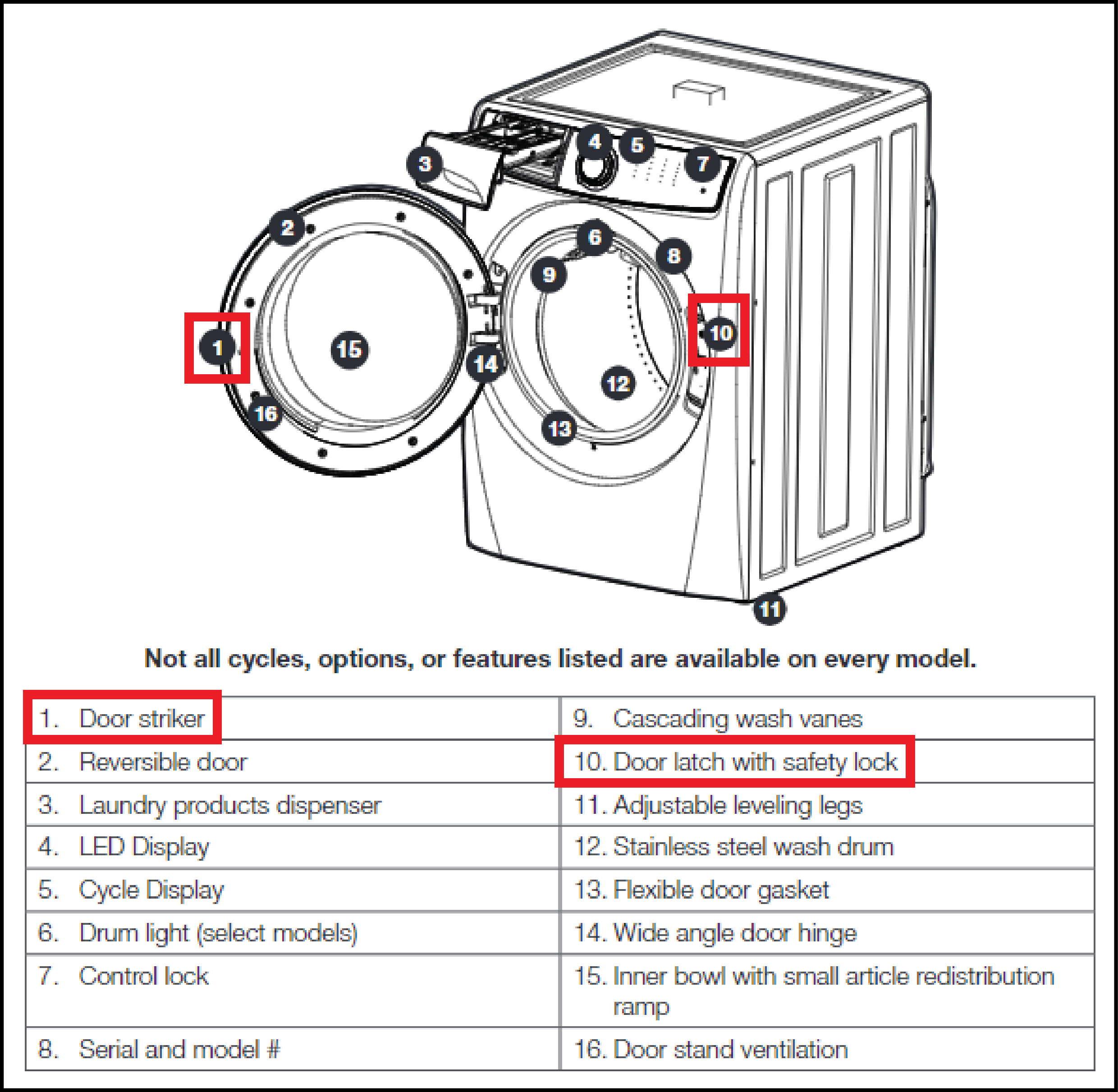
The washer may fail to start due to power issues. Check if the machine is plugged in and the outlet works. Door latch problems can also stop the washer from running. Make sure the door closes tightly.
Water Not Filling
Water might not enter the drum if the water supply is off or the hoses are kinked. The water inlet valve could be faulty and need replacement. Sometimes, the water level sensor does not detect water properly.
Drum Not Spinning
The drum may not spin if the belt is broken or loose. Motor problems can also stop the drum from turning. A blocked drain pump can cause the washer to stop mid-cycle, preventing spin.
Washer Leaking Water
Leaks often come from damaged hoses or loose connections. The door seal can wear out and let water escape. Overloading the washer may also cause water to spill out during cycles.
Unusual Noises
Strange sounds can mean foreign objects are stuck in the drum. Worn bearings or loose parts inside the washer can cause noise. Some noises come from an unbalanced load during the spin cycle.
Washer Not Draining
Drainage problems happen if the drain hose is blocked or bent. The drain pump may be clogged or broken. Sometimes, the washer’s filter needs cleaning to allow proper water flow.
Error Codes Displayed
Electrolux washers show error codes to signal issues. Each code points to a specific problem, such as door lock or water supply errors. Check the user manual to understand and fix these errors quickly.
Basic Checks Before Repairs
Before starting any repairs on your Electrolux washer, perform some basic checks. These checks help find simple issues that are easy to fix. They save time and prevent unnecessary repairs. Follow these steps carefully to ensure your washer works properly.
Power Supply And Connections
Check if the washer is plugged in securely. Make sure the power outlet works by testing another device. Inspect the power cord for any visible damage. Reset the circuit breaker if needed. A stable power supply is essential for the washer to run.
Water Supply And Hoses
Ensure both water faucets are fully open. Check the hoses for kinks, leaks, or blockages. Clean the inlet filters inside the hose connections. Replace damaged hoses immediately. Proper water flow is needed for washing cycles.
Door Lock And Seal
Verify the washer door closes firmly. Look for any debris or damage on the door seal. Clean the seal to remove dirt or soap residue. The washer won’t start if the door lock is faulty or the seal is broken.
Load Balance And Overloading
Distribute clothes evenly inside the drum. Avoid putting too many items in one load. Overloading causes the washer to stop or vibrate excessively. Balanced loads help the washer perform better and last longer.
Quick Fixes For Starting Issues
Electrolux washers sometimes fail to start. This issue can cause frustration and delay your laundry. Many starting problems have simple solutions. Quick fixes can save time and avoid costly repairs.
Resetting The Washer
Resetting the washer often resolves starting issues. Begin by unplugging the machine from power. Wait for one minute to clear any errors. Plug the washer back in and try to start it. This process resets the control board and clears minor faults.
Inspecting The Door Lock
The washer will not start if the door is not locked. Check the door carefully for any gaps. Make sure it closes firmly and clicks shut. Clean the door latch and lock area from dirt. Replace the door lock if it appears broken or worn.
Checking The Control Panel
Faulty control panels may stop the washer from starting. Look for unresponsive buttons or error lights. Press each button to test if they react. Clean the panel gently to remove dust and moisture. A damaged control panel may need professional repair.
Resolving Water Filling Problems
Water filling issues are common in Electrolux washers. They stop the washing cycle and delay laundry. Fixing these problems helps your washer run smoothly again. The steps below focus on simple checks and fixes for water filling troubles.
Cleaning Water Inlet Filters
Water inlet filters catch dirt and debris from your water supply. Over time, these filters get clogged. This blocks water from entering the washer properly. Turn off the water supply before you start. Remove the hoses from the back of the machine. Check the small screens inside the hose connectors. Use a soft brush or cloth to clean them gently. Rinse with water to clear any remaining dirt. Reattach the hoses firmly and turn the water back on. This often restores proper water flow.
Examining Water Pressure
Low water pressure can cause slow or no water filling. Test your home’s water pressure using a pressure gauge. It should be between 20 and 120 psi for the washer. Check if other taps in your home have low pressure too. Make sure the water valves to the washer are fully open. Sometimes, pipes may be blocked or leaking, lowering pressure. Fixing these plumbing issues can improve water filling speed. Call a plumber if pressure problems continue.
Replacing Faulty Valves
The water inlet valve controls water flow into the washer. If it fails, water may not enter at all. Signs of a bad valve include no water or leaking during filling. Unplug the washer before checking the valve. Remove the back panel to access the valve. Test the valve with a multimeter for electrical faults. Replace the valve if it shows no continuity or is damaged. Use a compatible Electrolux valve for the best fit. Installing a new valve often solves water filling issues completely.
Fixes For Drum And Spinning Issues
Drum and spinning problems are common in Electrolux washers. These issues affect washing performance and cause noise or vibration. Fixing them can save you time and money.
Simple checks and repairs often resolve these problems. Focus on three key areas: load balance, drive belt, and motor function. Each plays a vital role in drum movement and spinning efficiency.
Balancing The Load
An unbalanced load stops the drum from spinning properly. Clothes may clump on one side, causing noise and poor spin cycles. Spread clothes evenly inside the drum. Avoid overloading your washer. Smaller loads spin better and reduce wear on parts.
Inspecting The Drive Belt
The drive belt turns the drum during the spin cycle. A worn or loose belt causes slipping and weak spinning. Unplug the washer and remove the back panel. Check the belt for cracks or looseness. Replace it if damaged or stretched.
Testing The Motor
The motor powers the drum’s rotation. Faulty motors stop the drum from spinning. Use a multimeter to test motor continuity. Listen for unusual sounds during operation. Call a professional if the motor shows signs of failure.
Stopping Leaks And Water Damage
Stopping leaks and water damage is crucial for keeping your Electrolux washer working well. Leaks can cause costly damage to your home and reduce the washer’s life. Finding the source early helps prevent bigger problems.
Many leaks come from seals, hoses, or worn parts. Checking these areas regularly helps keep your washer dry. Simple fixes often stop leaks fast.
Checking Door Seals
The door seal keeps water inside during a wash cycle. Dirt or damage can cause leaks. Look closely at the rubber seal around the door. Clean any dirt or soap build-up with a soft cloth.
If you see cracks or holes, the seal needs replacing. A tight seal stops water from escaping and protects your floor.
Inspecting Hoses And Connections
Hoses carry water to and from the washer. Check the hoses for cracks, bulges, or leaks. Make sure all hose connections are tight and secure.
Loose connections cause water to drip or spray out. Use pliers to gently tighten any loose fittings. Replace hoses that look worn or damaged to avoid leaks.
Replacing Damaged Parts
Damaged parts like seals, hoses, or pumps cause leaks. Replace broken parts quickly to stop water damage. Use parts made for Electrolux washers to ensure a good fit.
Turn off the water supply before replacing any parts. This step keeps you safe and prevents more leaks during repairs.
Eliminating Noise And Vibrations
Noise and vibrations can make your Electrolux washer annoying and less effective. These issues often signal small problems that need quick fixes. Fixing noise and vibrations helps protect the machine and improves its performance. Here are simple steps to reduce noise and stop shaking during wash cycles.
Leveling The Washer
A washer that is not level shakes more. Check all four feet of the washer. Use a spirit level to see if it is even. Turn the feet to raise or lower corners. Keep adjusting until the washer stands firm and steady. A balanced washer reduces noise and moves less.
Removing Foreign Objects
Small objects like coins or buttons can get stuck inside the washer. These items cause loud noises during spinning. Check the drum and rubber seal for stuck items. Clear any debris found in the drain pump filter. Removing these objects stops banging sounds and protects the washer’s parts.
Lubricating Moving Parts
Parts like bearings and pulleys need smooth movement. Dry parts create noise and wear out faster. Apply a small amount of suitable lubricant to these parts. Use a lubricant recommended in the washer’s manual. Lubrication keeps the washer running quietly and extends its life.
Fixing Drainage Problems
Drainage problems can stop your Electrolux washer from working properly. Water may stay inside the drum after a cycle. This can cause clothes to be wet or cause bad smells. Fixing drainage issues often saves time and money. Many drainage problems have simple solutions you can try at home.
Clearing The Drain Pump Filter
The drain pump filter catches dirt and small items. Over time, it can get blocked. This stops water from draining out. To clear the filter, first unplug your washer. Find the filter cover at the bottom front. Open it carefully and place a towel underneath. Slowly unscrew the filter to remove water. Clean out any lint, coins, or debris. Screw the filter back tightly. This can fix most drainage problems quickly.
Checking The Drain Hose
The drain hose carries water from the washer to the drain. It can get bent, clogged, or blocked. Check the hose for any sharp bends or kinks. Straighten the hose to allow water flow. Disconnect the hose from the washer and drain. Look inside for any blockages. Use a long brush or running water to clear the hose. Reattach the hose securely. Proper hose function is key to fast drainage.
Testing The Drain Pump
The drain pump moves water out of the washer. It may stop working if it is broken or stuck. Listen for a humming sound when draining. No sound might mean a faulty pump. Test the pump with a multimeter for electrical issues. Remove the pump if needed and inspect for blockages. Replace the pump if it does not work. A good drain pump keeps your washer running smoothly.
Decoding Electrolux Error Codes
Electrolux washers display error codes to show problems clearly. These codes help users identify issues fast. Understanding the codes means quicker fixes. It saves time and avoids guesswork. This section explains common error codes and how to solve them.
Common Error Codes
Electrolux washers use letters and numbers for errors. E10 means water fill problem. E20 shows a drainage issue. E40 signals a door lock fault. E90 points to motor or sensor trouble. Knowing these codes aids in quick problem spotting.
Steps To Resolve Errors
First, turn off the washer and unplug it. Check if water supply is connected for E10. Clear any blockage in the drain hose for E20. Make sure the door closes properly for E40. Reset the machine by plugging it back in. Run a test cycle to check if error clears.
When To Call For Service
Call a professional if errors stay after basic fixes. Avoid trying to repair electrical parts yourself. Persistent E90 or other complex codes need expert help. Service technicians have tools to diagnose and fix issues safely. This protects your washer and keeps it working well.
Frequently Asked Questions
Why Is My Electrolux Washer Not Draining Water?
A clogged drain hose or pump filter often causes drainage issues. Check and clean these parts to fix the problem. Also, ensure the drain hose is not kinked or blocked.
What To Do If Electrolux Washer Won’t Spin?
The washer may not spin due to an unbalanced load or lid lock problem. Try redistributing clothes evenly and make sure the lid is closed properly. Check for any error codes on the display.
How To Reset An Electrolux Washing Machine?
Unplug the washer from the power source for about one minute. Plug it back in to reset the system. This often clears minor errors and restarts the machine.
Why Does My Electrolux Washer Make Loud Noises?
Loud noises can come from worn bearings, loose parts, or foreign objects inside the drum. Inspect the washer drum and remove any stuck items. Tighten loose components to reduce noise.
How To Clean Electrolux Washer Drum Effectively?
Use a washing machine cleaner or run a hot water cycle with vinegar and baking soda. This helps remove dirt and odors. Clean the detergent drawer and door seal regularly too.
Conclusion
Electrolux washer issues can feel frustrating. Simple checks often fix many problems quickly. Keep the user manual nearby for guidance. Clean filters and hoses regularly to avoid clogs. Listen for unusual sounds during cycles. Small steps can save time and money.
When problems persist, call a professional technician. Regular care helps your washer last longer. Trust your instincts and act early. A well-maintained washer keeps your laundry routine smooth.