The quickest way to solve an electrolux washing machine troubleshooting issue is to check the drain filter for debris and ensure the door latch is fully engaged. Most common problems, such as error codes or drainage failures, stem from a clogged pump filter or an unbalanced load that prevents the cycle from starting. If your machine shows an error code, note the specific letters and numbers, as these indicate exactly which component needs attention. You can find your specific model’s manual and error code definitions on the Electrolux official support portal.
Troubleshoot your Electrolux washing machine stopping
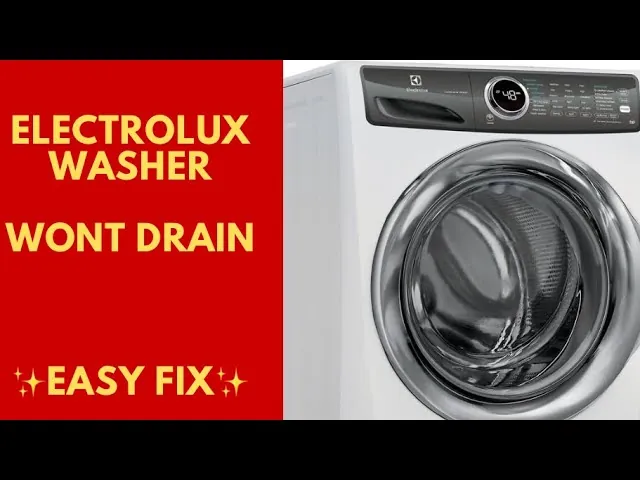
When a machine fails to operate, the cause is often a simple mechanical block or a sensor error. The most frequent issue is a buildup of lint, coins, or small items in the drain pump filter. This filter sits behind a small door at the bottom front of the unit. If water can’t exit the drum, the machine will pause or display an error code because it can’t progress to the next phase of the wash cycle.
Another common cause is an uneven load inside the drum. Modern machines use sensors to detect balance; if you wash a single heavy item like a rug or a large towel, the drum will struggle to spin safely.
The machine will then stop or fail to reach high speeds to prevent vibration damage. In some cases, the door lock sensor is the culprit. If the door doesn’t click into place, the safety switch prevents the machine from filling with water. This is a deliberate safety feature, not a mechanical failure.
If you notice the machine doesn’t start at all, check the power supply first. Ensure the plug is firm in the outlet and the circuit breaker hasn’t tripped. If the unit has power but shows no lights, the control board may have stopped responding, though this is rare compared to simple filter or balance issues.
Safety: Inside a mains-powered machine, the parts behind the outer cover can hold a dangerous electrical charge even after it has been unplugged — that’s why they sit behind a cover. Opening the housing, or testing or replacing anything behind it, is a job for a qualified technician, never a home repair.
Clear the drain pump filter
This fix is for anyone whose machine is stuck with water in the drum or shows a drain-related error code. You’ll need a shallow tray or a flat pan to catch water, plus a towel for the floor.
First, turn the power off at the wall to ensure safety. Locate the small door at the bottom right or left corner of the front panel. Open it and place your tray directly under the filter cap. Slowly unscrew the cap counter-clockwise.
Expect about 1 to 2 cups of water to flow out immediately, so keep the tray positioned well. Once the water stops, pull the filter out completely. Remove any debris, such as hair, coins, or buttons, from the filter mesh and the internal cavity.
After cleaning, rinse the filter under a tap. Reinsert the filter into the housing and tighten it firmly by turning it clockwise. If you don’t tighten it enough, water will leak during the next cycle. Close the door and run a short “drain and spin” cycle to verify that the water pumps out properly.
If the machine still displays an error, the pump itself might be damaged. Because internal pump replacement involves electrical components, you must call a qualified service technician if the drain remains blocked after cleaning the filter.
Adjust the machine balance
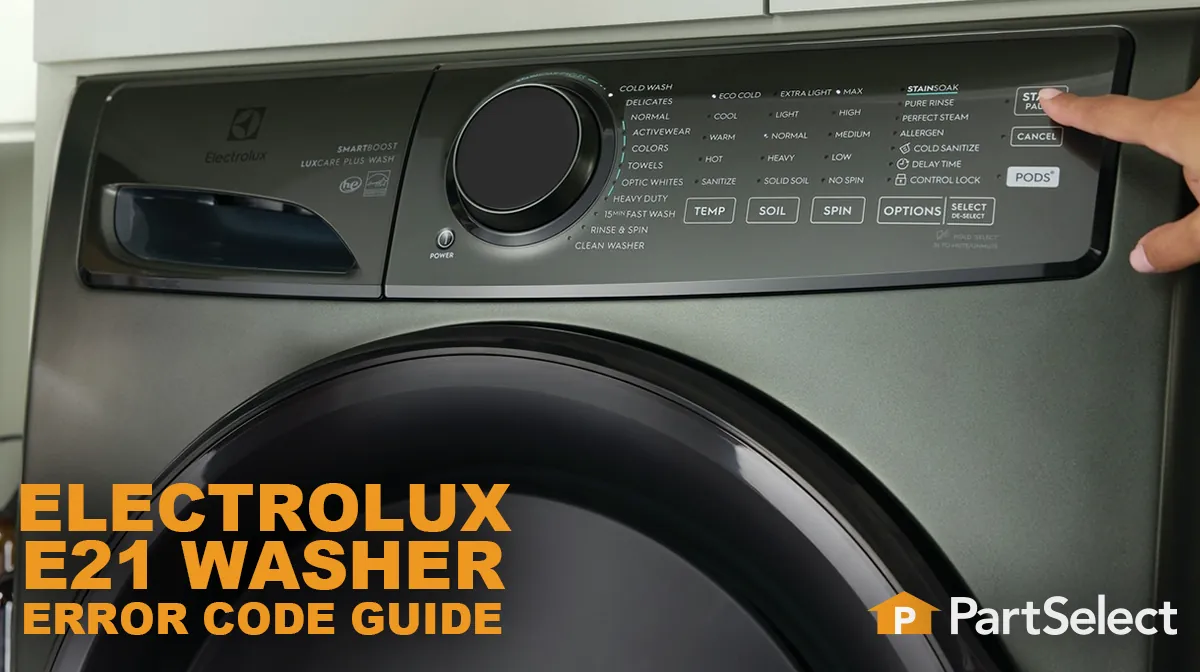
This method helps when the machine stops during the spin cycle or moves loudly across the floor. It’s essential for machines that vibrate excessively or fail to complete the drying phase.
Start by pausing the machine and opening the door. Redistribute the wet clothes evenly around the drum. If you’re washing one heavy item, add two or three smaller towels to help the machine balance the weight. Close the door and restart the spin cycle.
If the machine continues to vibrate, check the feet at the bottom corners. Use a spirit level on top of the machine to see if it sits flat. If one corner is high, turn the adjustable foot clockwise to lower it or counter-clockwise to raise it until the unit is level.
This step isn’t for those who suspect a broken suspension spring. If you hear a loud banging sound that doesn’t stop after adjusting the laundry, the internal suspension may be worn. A machine that isn’t level will cause the drum to hit the outer casing, which can lead to permanent damage if left uncorrected. If the feet are adjusted and the load is balanced but the banging persists, contact a repair professional to inspect the internal dampers.
Reset the control board
Use this process if the machine is completely unresponsive or stuck on a specific cycle time. It’s a simple step that resolves minor software glitches in the control unit.
Unplug the washing machine from the wall outlet completely. Leave it disconnected for at least 10 minutes to allow the internal capacitors to discharge. This time is necessary for the memory to clear. After 10 minutes, plug the machine back in and select a new wash cycle. If the display lights up and the machine responds to your input, the error was likely a temporary software freeze.
This fix isn’t for machines that have physical damage, such as a broken door handle or a leaking hose. If the machine remains blank or continues to show an error code after the reset, the control board itself might be faulty.
Replacing a control board requires specific diagnostic equipment and knowledge of high-voltage internal wiring. Because of the risk of electric shock, don’t attempt to open the top or back panel to access the board. If the reset fails, you should reach out to an authorized service center.
Common repair mistakes
- Forcing the door open: People often pull the door handle when the machine is locked, which breaks the plastic latch. The door remains locked until the internal computer confirms the water is drained and the temperature is safe.
- Using too much detergent: This creates excess suds that confuse the water level sensor. Use only the amount recommended on the detergent bottle for your load size.
- Ignoring the spin speed: Running every load at the maximum spin speed causes unnecessary wear on the bearings. Use lower speeds for delicate items to extend the machine’s life.
- Leaving the door shut: Always leave the door slightly ajar after a wash to let the drum dry out. This prevents mold and bad smells from forming in the rubber gasket.
Ways to maintain your machine
If you’re currently ignoring the machine’s cleanliness, change your habits now to avoid future service calls. Small changes in how you handle the laundry prevent the most common mechanical failures.
| If you’re doing this | Do this instead | Why |
|---|---|---|
| Leaving coins in pockets | Empty all pockets before washing | Coins damage the pump and drum |
| Overloading the drum | Fill to 3/4 capacity only | Overloading stresses the motor |
| Using cold water only | Run a hot cycle once a month | Hot water removes soap buildup |
| Wiping the door seal | Use a dry cloth after every wash | Moisture in the seal causes mold |
Most users mistake a quiet machine for a healthy one. If you notice a faint grinding sound during the spin cycle, stop immediately. This usually indicates a foreign object is already lodged in the filter. Ignoring this noise for even three cycles can snap the drive belt, turning a five-minute fix into a costly professional repair.
If your laundry room feels damp, leave the door slightly ajar between loads. This simple decision rule prevents mildew from compromising the rubber gasket. If you see black spots on the seal, you should clean them with a mild detergent or a specialized mold-removing cleaner. If the mold has penetrated the rubber, no amount of scrubbing will save it; you must replace the seal to prevent it from staining your clothes.
Frequently asked questions
How long does a typical wash cycle take?
Most cycles take 45 to 90 minutes, depending on load size and temperature settings. If your machine consistently takes longer, it may be struggling to drain water or balance the load. Check the drain filter for blockages, as slow drainage forces the machine to recalculate time.
Is it safe to use the machine if it leaks?
You should stop using the machine immediately if you notice water leaking onto the floor. Water near electrical components creates a significant shock hazard and can damage your flooring. If the leak originates from underneath the unit, the internal pump or a hose may be punctured.
Why is my machine making a loud grinding noise?
A loud grinding noise often indicates that a foreign object is trapped in the pump or drum. Stop the machine immediately to prevent damage to the drum or pump impeller. If the drain filter is clear but the noise persists, the issue may be a worn bearing.
How often should I clean the drain filter?
You should clean the drain filter every 3 to 6 months to ensure the machine drains correctly. If you wash items that produce a lot of lint, such as towels or pet blankets, check it more frequently. A clogged filter is the primary reason for “drain error” messages. If you notice the clothes are still very wet at the end of a cycle, the filter is likely blocked and needs immediate attention.
What happens if I use the wrong detergent?
Using standard detergent in a high-efficiency machine creates excess suds that can trigger sensor errors. These machines are specifically designed for low-sudsing detergent that rinses away easily. If you accidentally used the wrong soap, run an empty rinse and spin cycle to clear the bubbles.
How do I know if the door lock is broken?
If the door doesn’t click shut, the lock mechanism is likely faulty. Ensure no laundry is caught in the door seal, as even small fabric pieces prevent the latch from engaging. If the door remains clear and still doesn’t lock, don’t force it.
Conclusion
Proper care and regular cleaning of the filter will keep your machine running smoothly for many years. Always prioritize safety by turning off the power before performing any manual checks. If you ever feel unsure about a task or if the machine shows a complex internal error, contact the manufacturer’s support or a certified repair expert to avoid voiding your warranty or causing accidental injury.