
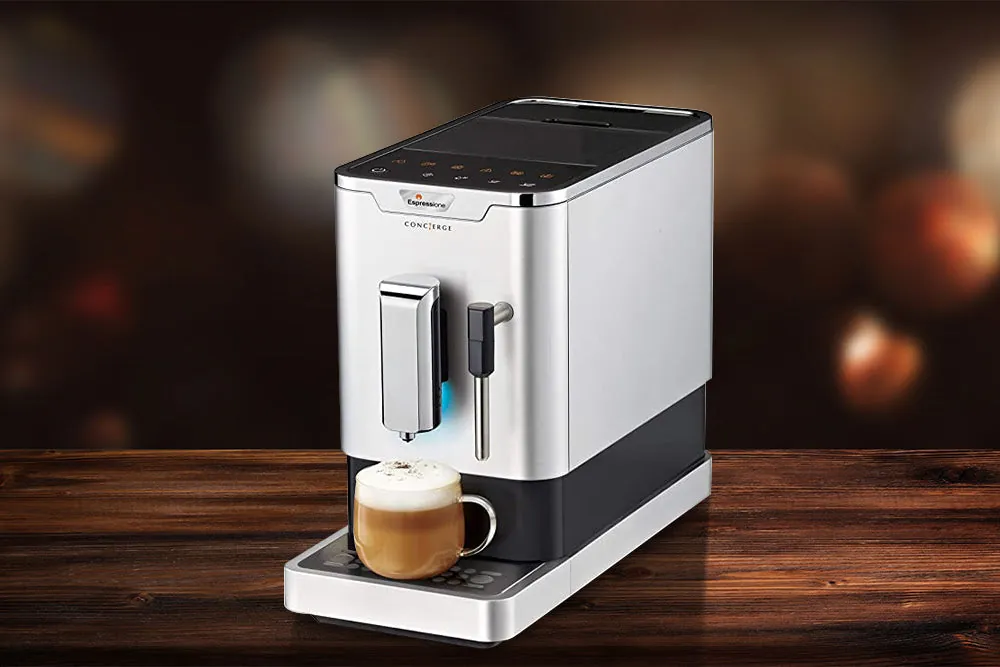
When your high-end espresso machine stops delivering the perfect shot, performing an espressione concierge troubleshooting routine is the most efficient way to restore its functionality. These machines are sophisticated appliances that rely on precise water pressure, temperature stability, and clean internal pathways to operate correctly. Whether you’re dealing with a lack of pressure, a leaking seal, or an unresponsive interface, identifying the root cause quickly saves time and prevents further damage to the internal components. By following a structured approach, you can resolve most common operational failures without needing professional intervention.
Key Takeaways
- Regular descaling is the primary defense against internal blockages and pump failure.
- Check the water reservoir and gasket seals first when experiencing pressure loss.
- Always ensure the portafilter is locked into the group head correctly to prevent leaks.
- Use filtered water to prevent mineral buildup in the boiler and heating elements.
- Consult the manufacturer’s guide for specific error codes or electronic reset procedures.
Common Symptoms and Causes
Understanding why a machine fails helps you pinpoint the exact issue. Most problems stem from either mechanical wear or environmental factors like water hardness. The following table outlines the most frequent performance issues and their likely origins.
| Symptom | Likely Cause | Solution |
|---|---|---|
| No water flow | Clogged group head | Backflush and clean |
| Weak espresso shot | Incorrect grind size | Adjust grinder setting |
| Leaking from portafilter | Worn group gasket | Replace rubber seal |
| Machine won’t heat | Blown thermal fuse | Internal repair needed |
| Loud pump noise | Air lock in lines | Prime the system |
Troubleshooting Espressione Concierge Pump Issues
The pump is the heart of your machine, responsible for pushing water through the coffee puck at the required pressure. If you hear a grinding noise or no water comes out, the pump may be struggling with an air pocket or a blockage.
Clearing Air Locks
An air lock often occurs if the machine has been sitting empty for a long period. To clear this, run the hot water function for 30 seconds while gently tilting the machine. This allows trapped air to escape the intake tube.
Inspecting Intake Lines
If the pump sounds normal but no water flows, check the intake hose inside the water reservoir. Ensure the filter isn’t obstructed by debris. Pro Tip: If the reservoir filter is discolored or clogged, replace it immediately to maintain consistent flow rates.
Fixing Pressure Problems
Pressure is measured in bars, and most espresso machines require 9 to 15 bars to extract a quality shot. If your gauge shows low pressure, or the coffee comes out as a thin drip, the issue is usually related to the coffee grind or the basket.
Checking Grind Consistency
If the grind is too coarse, water passes through too quickly. If it’s too fine, the water can’t pass through at all. Always test with a medium-fine grind that resembles table salt.
Evaluating Basket Condition
Small metal holes in the filter basket can become plugged with coffee oils. Soak the basket in a solution of warm water and espresso machine cleaner to dissolve stubborn residue.
Resolving Leaks and Seals
Leaks are common in older machines where rubber components have dried out. The most frequent leak occurs at the group head, where the portafilter meets the machine.
Replacing Group Gaskets
Rubber gaskets harden over time due to repeated heating and cooling cycles. If you see water spraying from the sides of the portafilter, the gasket is likely brittle. Warning: Always wait for the machine to cool completely before attempting to remove or replace the group head gasket to avoid severe burns from steam or hot water.
Checking Internal Hoses
If water pools beneath the machine, open the casing and inspect the internal silicone tubing. Look for cracks or loose clamps. If a hose has come loose, simply reseat it on the nipple and secure it with a new zip tie or metal clip.
Managing Electronic Failures
Modern espresso machines use sensors to monitor water levels and temperature. When these sensors fail, the machine may refuse to turn on or display a flashing light sequence.
Resetting the Control Board
Many machines have a soft reset feature. Unplug the unit for ten minutes, then plug it back in while holding the “Brew” button. This often clears temporary errors in the logic board.
Inspecting Thermal Sensors
If the machine never reaches the brewing temperature, the thermal sensor may be faulty. This requires a multimeter to test for electrical continuity. If the sensor shows no reading, it must be replaced to allow the boiler to engage.
Importance of Regular Descaling
Mineral buildup is the silent killer of espresso machines. As water heats, calcium and magnesium leave deposits on the heating element and inside the pipes. According to the National Coffee Association, using filtered water and performing regular maintenance significantly extends the lifespan of brewing equipment.
Selecting Descaling Agents
Use only manufacturer-approved descaling solutions. Avoid using vinegar, as its high acidity can corrode the internal rubber seals and stainless steel boilers over time.
Descaling Schedule
The frequency of descaling depends on your water hardness. Use the following guide to determine your needs:
| Water Hardness | Descaling Frequency |
|---|---|
| Soft | Every 6 months |
| Moderate | Every 3 months |
| Hard | Every month |
Improving Extraction Quality
Sometimes the machine is working perfectly, but the coffee still tastes poor. This is usually a sign that your maintenance routine needs a slight adjustment.
Cleaning the Shower Screen
The shower screen distributes water evenly over the coffee bed. If this screen is dirty, the water will channel through one spot, leading to sour or bitter shots. Remove the screen screw and scrub it with a nylon brush during your weekly cleaning.
Flushing the Group Head
Always run a short burst of water through the group head before and after pulling a shot. This flushes out leftover grounds and ensures the temperature is stable for the next extraction.
Maintenance Tools Checklist
To keep your machine running smoothly, keep these items on hand. Having the right tools makes troubleshooting significantly faster and prevents the need for specialized repair services.
- Nylon group brush for cleaning the shower screen.
- Backflush disc for clearing the three-way solenoid valve.
- Food-safe silicone grease for lubricating O-rings.
- Espresso machine detergent specifically designed for coffee oils.
- Small screwdriver set for accessing internal components.
Preventing Future Breakdowns

The best way to avoid troubleshooting is to implement a strict maintenance schedule. Daily habits prevent the buildup of oils and minerals that lead to long-term mechanical failure.
- Wipe the steam wand immediately after every use.
- Empty the drip tray daily to prevent mold growth.
- Use a high-quality water filtration pitcher if your local tap water is hard.
- Leave the machine off when not in use for extended periods to save energy and reduce wear.
Frequently Asked Questions
Why is my espresso machine leaking from the bottom?
Leaking from the bottom is usually caused by a loose internal hose or a cracked water tank. First, check that the reservoir is seated correctly. If the leak persists, unplug the machine, remove the outer casing, and inspect the tubing for signs of wear or disconnection. If the water originates from the boiler, it may indicate a failing gasket that requires professional service.
How do I clear a pump that’s making loud noises?
A loud, vibrating pump often indicates an air lock. Remove the water reservoir and ensure the intake valve is fully submerged. Use the hot water wand to draw water through the system, which forces the trapped air out. If the noise remains, the pump may be failing due to mineral deposits and may require a thorough descaling or replacement.
Can I use vinegar to descale my machine?
Using vinegar is generally discouraged because it’s difficult to rinse out completely and can leave a lingering taste in your coffee. Furthermore, the high acidity of vinegar can degrade internal rubber gaskets and seals, leading to future leaks. Always use a descaling solution specifically recommended by the manufacturer to ensure the safety and longevity of your machine’s internal components.
What should I do if the portafilter is hard to lock in?
If the portafilter feels difficult to turn, the group head gasket is likely dirty or worn out. Clean the area around the group head with a brush to remove old coffee grounds. If cleaning doesn’t help, the gasket has likely hardened from heat and needs to be replaced. Never force the portafilter, as this can damage the locking lugs on the group head.
How often should I perform a backflush?
If your machine is equipped with a three-way solenoid valve, you should backflush with a cleaning powder once every two weeks or after every 50 to 100 shots. This process cleans the internal pipes and the valve itself, preventing coffee oils from turning rancid and clogging the flow. Frequent backflushing is essential for maintaining the quality and flavor of your espresso.
Conclusion
Regularly monitoring your machine’s performance ensures that you catch small issues before they manifest as expensive repairs. By keeping the brew path clean and ensuring the water system remains free of mineral deposits, you protect your investment and guarantee the quality of your daily coffee. If these steps don’t solve the problem, contact the manufacturer for specific replacement part numbers.