You can fix common cooling issues by checking the power connection and clearing the air intake, as simple eurocave troubleshooting often resolves temperature fluctuations caused by blocked airflow. Most cooling failures happen because the unit cannot “breathe.” If your wine cellar feels warm or shows an error code, ensure the plug is pushed firmly into the wall outlet and that there’s at least two inches of space between the back of the unit and the wall.
Troubleshooting Eurocave cooling issues
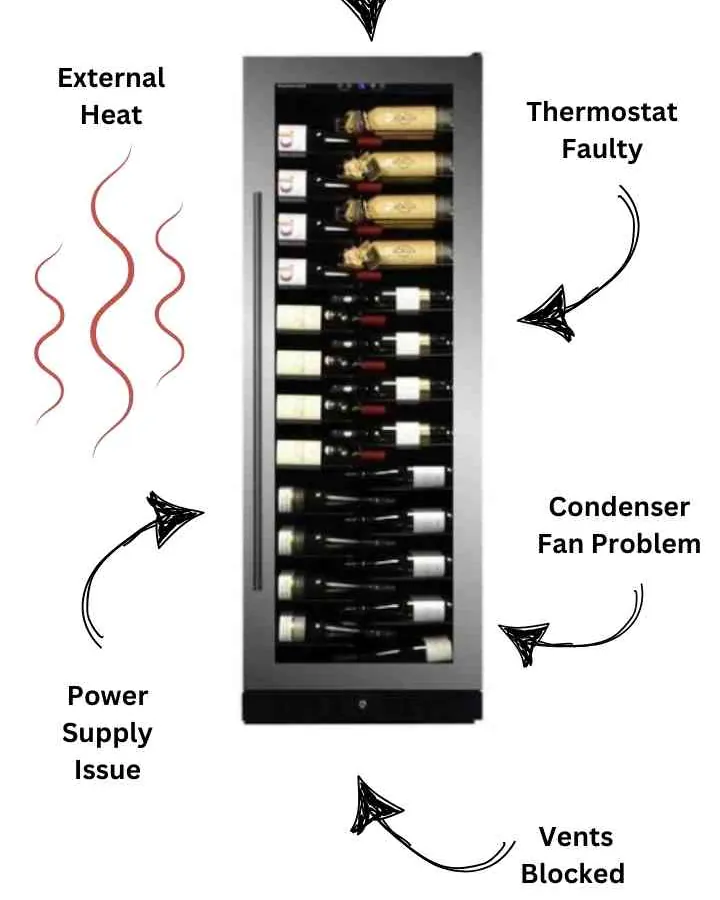
The most frequent cause of temperature instability is a lack of proper ventilation. These cabinets require a clear path for air to circulate behind the unit to release heat gathered by the cooling system. If the grill is dusty or the unit is pushed directly against a wall, the compressor works harder than it should, which leads to overheating or uneven cooling.
A second common issue is a faulty door seal. If the rubber gasket is cracked, stiff, or not sitting flush against the frame, cool air leaks out and warm air enters constantly. This forces the unit to run cycles that never end, preventing it from reaching the set temperature. You should inspect the seal for any gaps or debris that might stop it from closing tightly every time you shut the door.
Finally, internal ice buildup often signals a problem with the drain or the door seal. If water can’t drain properly or moist air enters from the room, ice forms on the cooling plate. This layer of ice acts as an insulator, which stops the unit from chilling the wine effectively. You can read the official EuroCave user instructions to see the recommended settings for your specific model and how to maintain the drainage port.
Safety: Inside a mains-powered machine, the parts behind the outer cover can hold a dangerous electrical charge even after it has been unplugged — that’s why they sit behind a cover. Opening the housing, or testing or replacing anything behind it, is a job for a qualified technician, never a home repair.
Check the power and airflow
If your unit has no power, verify that the circuit breaker hasn’t tripped and that the outlet is live. Plug a lamp into the same socket to see if it turns on; if the lamp stays off, the issue is with your home’s electrical system, not the appliance. If the power is fine but the unit is silent, the control board may be in a lockout mode.
Clear any dust from the external condenser coils located at the back of the cabinet. Use a soft brush or a vacuum with a brush attachment to remove lint, as buildup here traps heat and reduces efficiency. This is a simple task that takes five minutes, but it’s critical for longevity. If the unit remains warm after cleaning, check that the internal fan is spinning; you should hear a faint hum when the door is closed.
This fix is for users who can safely reach the power source and the rear of the cabinet. If you suspect an electrical short or if the unit smells like burning plastic, pull the plug immediately and contact a professional. Attempting to repair internal wiring or sealed cooling systems without a license can void your warranty and poses a fire risk.
Inspect the door seal
A bad door seal is the primary reason a unit fails to hold a steady temperature. Run your finger along the entire length of the magnetic gasket to feel for cold air leaks or stiff, brittle spots. If the seal is dirty, wipe it down with a damp cloth and a mild soap solution to restore its grip.
If the seal is visibly damaged or doesn’t pull the door shut with a noticeable “snap,” it needs to be replaced. You can test the seal by closing the door on a piece of paper; if you can pull the paper out with almost no resistance, the seal is too loose. A loose seal causes the compressor to cycle constantly, which increases your electricity bill and puts unnecessary stress on the motor.
This maintenance is for anyone who notices condensation on the glass or a “sweating” cabinet. If you decide to replace the seal, ensure you have the exact model number from the interior label. Using a generic gasket will result in a poor fit and continued temperature leaks. If you’re uncomfortable removing the old gasket, contact a qualified appliance technician to perform the swap to ensure a perfect fit.
Reset the temperature controller
If the digital display shows a temperature that doesn’t match the actual conditions, the controller might need a reset. Locate the power button or the main switch on the display panel and turn the unit off for at least 30 minutes. This allows the internal sensor to reset and clears any temporary glitches in the computer board.
After you turn it back on, wait at least 24 hours for the cabinet to stabilize before you change the settings again. People often make the mistake of adjusting the temperature every hour, which prevents the unit from ever reaching a steady state. If the display shows an error code, note the specific letters or numbers and refer to your manual for the exact meaning.
This step is for those who experience erratic readings despite the unit sounding like it’s running. If the error code persists after a full power cycle, the temperature sensor itself is likely failing. Sensor replacement is a technical job that requires specific tools and knowledge of the unit’s internal wiring. If a reset doesn’t clear the error, stop trying to fix it yourself and call the manufacturer’s authorized service center for help.
Avoid these cooling mistakes
Overloading the shelves: Filling every inch of space prevents air from moving, which creates hot spots and forces the unit to work overtime. Aim to leave at least two inches of clearance between items and the rear wall. If you can’t see light through the gaps, you have blocked the circulation path.
Placing the unit in sunlight: Direct heat on the cabinet walls causes the cooling system to struggle, which often leads to total motor failure. If your unit feels warm to the touch during the afternoon, relocate it to a shaded corner.
Frequent door opening: Every time you open the door, you let in room-temperature air, which forces the compressor to run longer to stabilize the internal climate. Keep a list of contents taped to the front to minimize time spent browsing.
Using extension cords: These units pull a specific load. An extension cord causes a voltage drop that damages the compressor. Always plug directly into a grounded wall outlet.
How to prevent future problems
You can ensure your wine cellar lasts for many years by keeping the environment stable and the airflow clear. The following table highlights common habits and the better alternatives to keep your unit running at its best.
| If you’re doing this | Do this instead | Why |
|---|---|---|
| Pushing the unit to the wall | Leave 2-3 inches of space | Heat must escape to avoid overheating |
| Storing the unit in a garage | Keep it in a climate-controlled room | Extreme heat or cold stresses the motor |
| Cleaning with harsh chemicals | Use damp cloth and mild soap | Chemicals can damage the door gasket |
| Keeping the door open while browsing | Use the light to see labels | Less time open means less temperature loss |
Frequently asked questions
How long should it take to reach the set temperature?
It takes 24 to 48 hours for a unit to reach the desired temperature after being turned on. This assumes a stable ambient room temperature of 60 to 75 degrees Fahrenheit. Avoid adjusting the thermostat during this time, as it may delay the cooling process.
Is it safe to leave the unit running if it makes a clicking sound?
You should unplug the unit and contact a technician if you hear a loud or persistent clicking sound. This noise often indicates that the compressor is failing to start, which can lead to motor burnout. A faint click as the thermostat engages is normal, but loud clicking requires professional repair.
Why is there water at the bottom of the unit?
Water at the bottom is usually caused by a blocked drainage hole preventing condensation from exiting the cabinet. Locate the small hole at the back of the interior and use a soft wire to gently clear any debris. If the hole is blocked by ice, leave the door open to thaw it.
How often should I clean the condenser coils?
Clean the condenser coils at least every six months to ensure proper airflow and efficiency. If you have pets or a dusty home, you should check them every three months. Vacuuming the rear grill prevents dust from insulating the coils and keeps the compressor from overheating.
What happens if the power goes out?
The unit will stop cooling and the internal temperature will slowly rise to match the room temperature. If the door remains closed, the insulation will keep the wine at a safe temperature for several hours. Once power returns, the unit should restart automatically and begin cooling.
Can I place the unit in a tight cabinet?
You can’t place a freestanding unit in a tight cabinet unless there’s sufficient ventilation for heat to escape. Built-in models are designed for tight spaces but still require specific gaps for airflow. If you trap hot air, the compressor will run continuously until it fails.
Conclusion
Proper maintenance of your wine cellar ensures that your collection stays in the best condition without the need for constant repairs. Keeping the airflow clear and the seals tight are the two most effective ways to avoid the most common cooling issues. If you follow these simple habits, your unit will continue to provide the consistent, cool environment your wine needs for years to come.