To resolve a power or movement issue, you should perform ev rider troubleshooting by checking the battery connection, the circuit breaker, and the freewheel lever status. Most users find that a simple loose cable or a disengaged drive mode is the cause of their mobility scooter not starting. If these quick checks don’t restore function, you must stop and contact a certified technician to avoid damaging the internal electronics or voiding your warranty.
EV Rider troubleshooting for when your scooter won’t move
When a mobility scooter fails to operate, the issue usually stems from a break in the electrical flow or a mechanical safety lock. The most common cause is a tripped circuit breaker, which acts as a fuse to protect the motor from power surges. If the scooter was recently bumped or overloaded, the breaker may have popped out to prevent damage to the main control board.
Another frequent cause is the freewheel lever. This lever allows you to push the scooter manually when it isn’t powered. If the lever is left in the “neutral” or “manual” position, the motor won’t engage the wheels, even if the scooter is turned on and the battery is full. Always ensure this lever is locked firmly into the “drive” position before operating the unit.
Finally, battery health plays a critical role in performance. If the connection at the battery pack is loose, oxidized, or dirty, the scooter may experience intermittent power loss or refuse to move entirely. Cold weather can also reduce the chemical reaction inside lead-acid batteries, leading to a sudden drop in available range or power. Check your battery terminals for any visible corrosion or white powder, as this prevents a solid electrical connection.
Safety: Inside a mains-powered machine, the parts behind the outer cover can hold a dangerous electrical charge even after it has been unplugged — that’s why they sit behind a cover. Opening the housing, or testing or replacing anything behind it, is a job for a qualified technician, never a home repair.
Reset the circuit breaker and connections
If your scooter has power to the lights but won’t drive, the circuit breaker is the first place to look. Locate the small button, usually found near the battery pack or under the seat, and press it firmly to reset the connection. If you hear a click, the breaker was indeed tripped. If the button doesn’t stay in, you may have an ongoing electrical short that requires a professional inspection.
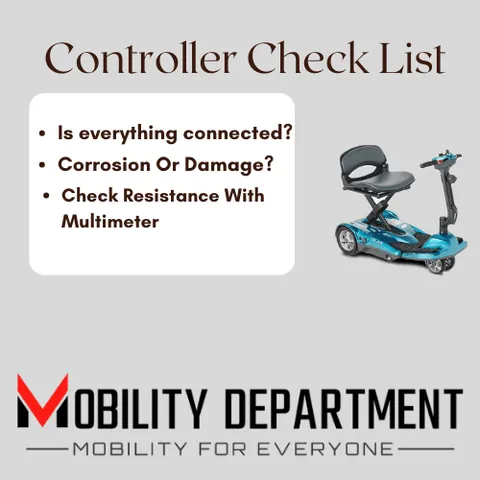
Next, inspect the main power cable that connects the battery pack to the controller. Ensure the plug is pushed all the way into the socket. If you notice any fraying or exposed wires, don’t attempt to repair these yourself with tape. A damaged cable is a fire risk and should be replaced by the manufacturer or an authorized dealer to ensure the scooter meets safety specifications.
If the scooter still doesn’t respond, verify that the key is turned fully to the “on” position. Sometimes, a key that’s slightly loose or worn won’t make contact with the ignition switch. Wiggle the key gently while trying to move the throttle. If the scooter suddenly powers up, your ignition switch is worn and will need to be replaced soon by a technician.
Check the freewheel and drive settings
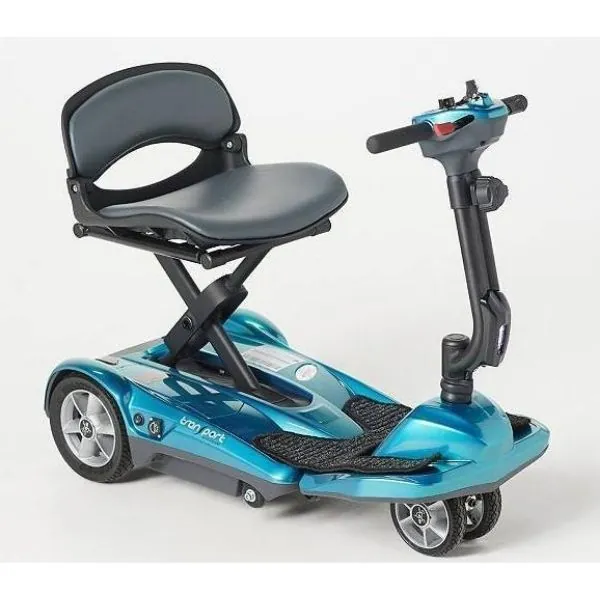
The freewheel lever is a mechanical override that disconnects the motor from the transaxle. If this lever isn’t in the correct position, the scooter will remain in neutral, and the wheels will spin freely without any power from the motor. Look for a lever, usually located near the rear wheels, and move it until it clicks into the “drive” or “engaged” position.
If you’re unsure where your specific lever is, consult your owner’s manual for the exact location. Never force this lever if it feels stuck, as you could break the internal linkages. If it doesn’t move smoothly, use a small amount of silicone-based lubricant on the joints, but keep all oils away from the tires and brakes. Once the lever is engaged, the scooter should resist being pushed manually.
This fix is for users who have verified the battery has a charge but the motor remains silent. If the motor makes a grinding noise when you engage the throttle, the gears may be damaged. In this case, stop using the unit immediately. Operating a scooter with grinding gears can destroy the entire transaxle, which is a very expensive part to replace.
Consult a professional for motor issues
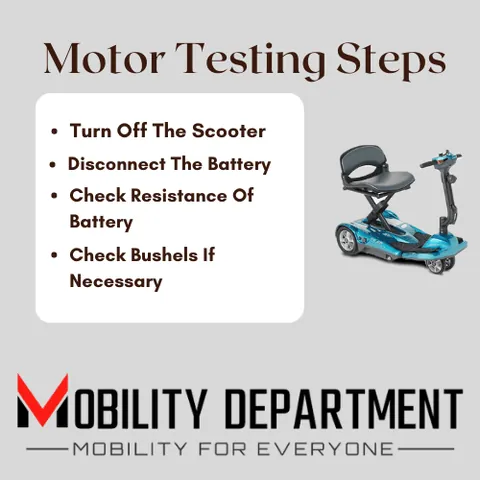
When the basic electrical and mechanical resets fail, the fault likely lies within the motor or the controller. These components are complex and require specialized tools to diagnose safely. If the scooter shows an error code on the display panel, write down the number of flashes or the code displayed. This information is vital for a technician to identify the exact electronic fault.
Don’t attempt to open the motor housing or the controller box under any circumstances. These areas contain components that can hold a high electrical charge even when the battery is disconnected. Professionals use specific diagnostic software to communicate with the scooter’s brain, allowing them to pinpoint whether the problem is a sensor failure, a faulty potentiometer in the throttle, or a burnt-out motor winding.
If your device is still under warranty, contact the dealer where you purchased the scooter before seeking outside help. A repair by an unauthorized person will void your warranty and may leave you responsible for the full cost of a new motor. If the warranty has expired, ask the dealer for a list of authorized repair centers in your area to ensure you receive genuine parts.
Common mistakes that cause damage
Charging after every single use: This is unnecessary and can shorten the life of lead-acid batteries; only charge when the indicator shows a significant drop. If your battery level remains above 40 percent, skip the plug. Failing to charge the battery promptly after use allows lead sulfate crystals to form, which permanently reduces capacity.
Ignoring the charging light color: Many users unplug the charger as soon as the light turns green, but some systems require a “float charge” period to balance the cells. Leave the unit plugged in for an extra hour after the indicator shifts. This ensures every cell reaches full capacity, preventing an uneven voltage load.
Leaving the scooter in the rain: Moisture enters the controller housing and causes internal corrosion, leading to random stalls or total system failure. If you get caught in a storm, dry the exterior immediately. Never store the unit in a damp garage, as condensation will eventually destroy the motherboard.
Driving on steep inclines constantly: This causes the motor to overheat and the circuit breaker to trip repeatedly, which weakens the connection over time. If you smell ozone or notice a sudden power cut, stop immediately. Let the motor cool for fifteen minutes before resuming your commute.
Using an extension cord for charging: This causes a voltage drop that prevents the charger from completing its cycle, potentially damaging the battery chemistry. Always plug the charger directly into a wall outlet. If you must use an extension, ensure it’s a heavy-duty, 12-gauge cord no longer than ten feet.
Prevent future mobility issues
To keep your scooter running, you should align your maintenance schedule with how often you use the device. If you use it daily, check the tires and battery connections once a week. If you only use it for occasional outings, a monthly check is sufficient.
| If you’re doing this | Do this instead | Why |
|---|---|---|
| Storing in a cold garage | Keep inside at room temperature | Protects battery chemical output |
| Ignoring loose screws | Tighten all visible frame bolts | Prevents vibration-related damage |
| Driving through deep puddles | Avoid water and wet grass | Prevents short-circuiting electronics |
| Forcing the throttle | Use steady, smooth pressure | Protects the delicate potentiometer |
Frequently asked questions
How long does an ev rider battery last?
Batteries typically last 12 to 18 months when following manufacturer charging guidelines. Lifespan depends heavily on discharge frequency and storage temperatures. If your scooter loses power faster than when new, the cells may no longer hold a full charge and will require replacement.
Why does my scooter beep when I turn it on?
A series of beeps usually indicates a specific fault code designed to warn you about a system error. The number of beeps corresponds to a chart in your manual that identifies the exact problem, such as a low battery, a disconnected motor, or a faulty throttle. Count the beeps carefully and refer to your owner’s manual to determine if the issue is a simple fix or requires professional service.
Is it safe to drive my scooter in the rain?
No, it isn’t safe to drive your mobility scooter in heavy rain or through deep puddles. Most electronic components are water-resistant but not waterproof, meaning water can easily seep into the controller or battery terminals and cause a short. If you get caught in the rain, dry the scooter thoroughly with a soft cloth as soon as you get inside and let it sit for several hours before charging.
How often should I perform maintenance?
You should perform a basic safety check every 30 days to ensure all connections are tight and the tires are inflated properly. This routine maintenance prevents small issues, like a loose bolt or a dirty terminal, from turning into a complete breakdown while you’re away from home. If you notice any unusual sounds or sluggish movement, perform these checks immediately regardless of your usual schedule.
What happens if I lose my key?
If you lose your key, you must contact your authorized dealer to order a replacement that matches your unit’s specific ignition lock. Never attempt to bypass the ignition switch with wires, as this is a fire hazard and will permanently damage the controller. Keep a spare key in a safe, accessible location at home to avoid being stranded if your primary key goes missing.
Can I replace the tires myself?
No, you shouldn’t attempt to replace the tires yourself because it requires specialized tools to remove the wheels without damaging the drive system. Improper removal can misalign the transaxle or cause the wheel to wobble, which makes the scooter unsafe to operate. Contact a professional mobility service technician to handle tire replacements to ensure the work is done correctly and the scooter remains stable.
Conclusion
Regular care keeps your mobility scooter reliable for your daily needs. By keeping the connections clean, the battery charged correctly, and the freewheel lever in the proper position, you can avoid most common operation problems. Should you encounter a persistent issue that these steps don’t fix, reach out to your local dealer for expert support.