To fix a stuck or rotating base, you should check for debris in the track and verify that the harness is fully tightened, as most evenflo revolve 360 troubleshooting starts with these simple physical checks. If the seat doesn’t spin, a small object often blocks the internal gear path or a loose strap interferes with the release mechanism. You can find the official Evenflo child restraint manual on the manufacturer’s website to confirm the correct installation path for your specific model.
Troubleshooting Evenflo Revolve 360 rotation problems
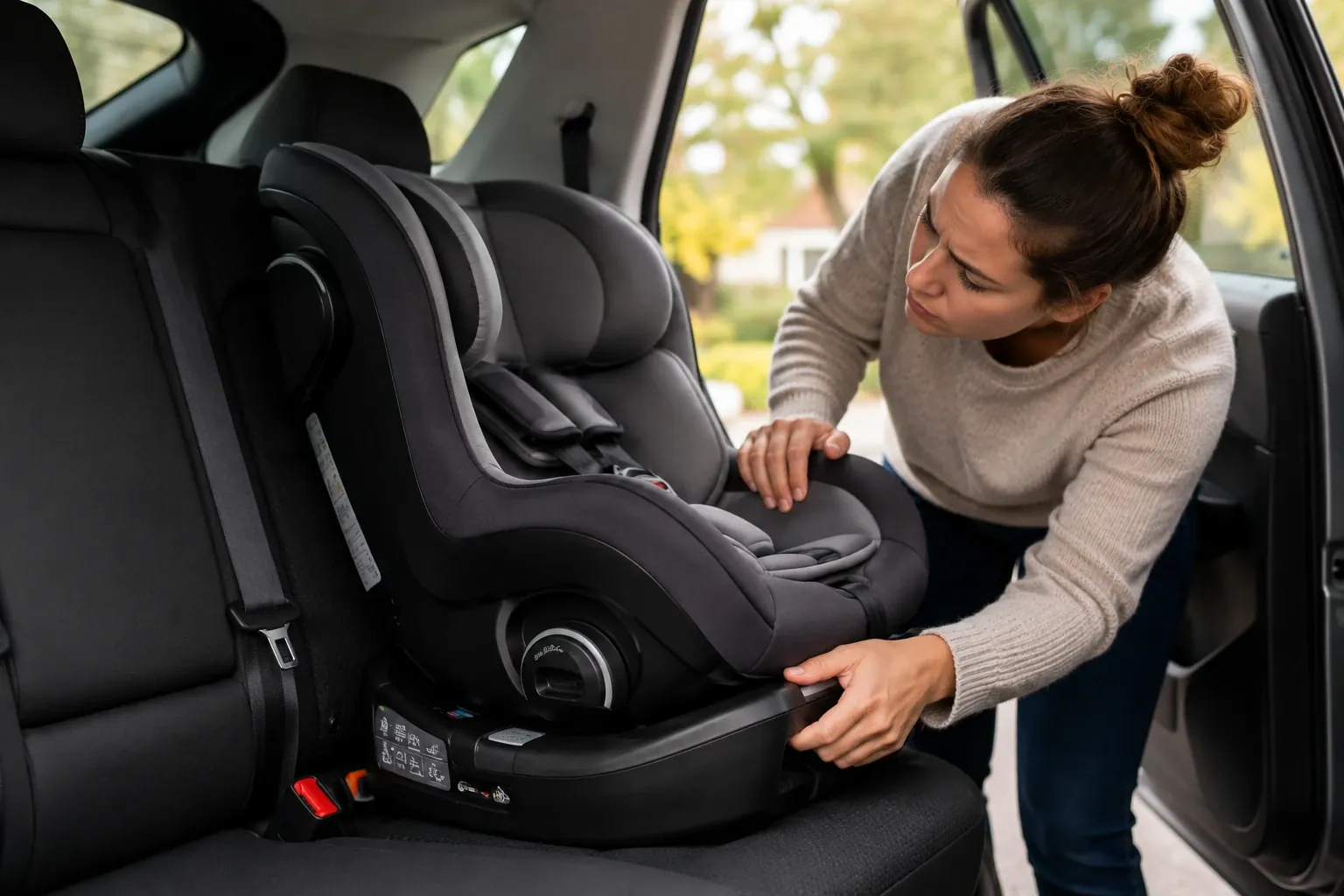
The most frequent reason a rotating car seat stops working is the accumulation of crumbs, toys, or small debris within the circular base track. This mechanism relies on a precise fit to slide smoothly; even a tiny pebble can act like a wedge, preventing the locking pins from disengaging.
If the seat feels gritty or stops mid-turn, you must clear the entire perimeter of the base. Use a compressed air canister to reach deep into the track, as wiping the surface often pushes grit further into the gears.
Another major cause is a misaligned installation or an overtightened vehicle seat belt. If the base is compressed too tightly against the vehicle upholstery, the plastic housing may flex slightly. This pressure causes the internal rotation ring to bind against the outer shell.
You should ensure the base sits level and firm, but avoid using excessive force that distorts the plastic frame. A simple test is to check if the base rotates freely before you tighten the seat belt; if it binds only after tightening, back off the tension by half an inch.
Finally, the safety indicators may trigger a lock if the seat isn’t in the correct position. The Evenflo design includes safety interlocks that prevent rotation if the seat isn’t fully locked into the forward or rear-facing orientation.
If the indicator shows red, the seat won’t spin regardless of how hard you pull the handle. Always verify that the seat is clicked into a locked position before trying to rotate it again. If the indicator remains red despite a firm click, check for a jammed debris piece blocking the sensor pin.
Clear the rotation track
You should perform this check if the seat feels stuck or makes a grinding noise during movement. First, remove the child from the seat and unbuckle all harness straps. Use a flashlight to inspect the gap between the rotating part of the base and the stationary outer ring. If you see any food, small toys, or debris, use a vacuum with a narrow nozzle to pull the items out of the track.
Avoid using sharp tools like screwdrivers to pry out debris, as this will scratch the plastic and make future rotation even harder. If the track looks clean but still resists, wipe the area with a damp cloth to remove sticky residue from spilled drinks. Once the track is clean, try rotating the seat through its full range of motion. If it still doesn’t move smoothly, check if your floor mat is bunching up against the base.
This fix is for parents who notice physical resistance during a turn. If you feel the mechanism is broken inside the sealed housing, don’t attempt to take it apart. The internal springs and locking pins are under tension and require professional handling. If the seat remains stuck after cleaning the track, contact the Evenflo customer support team directly to discuss your warranty options.
Verify the installation tension
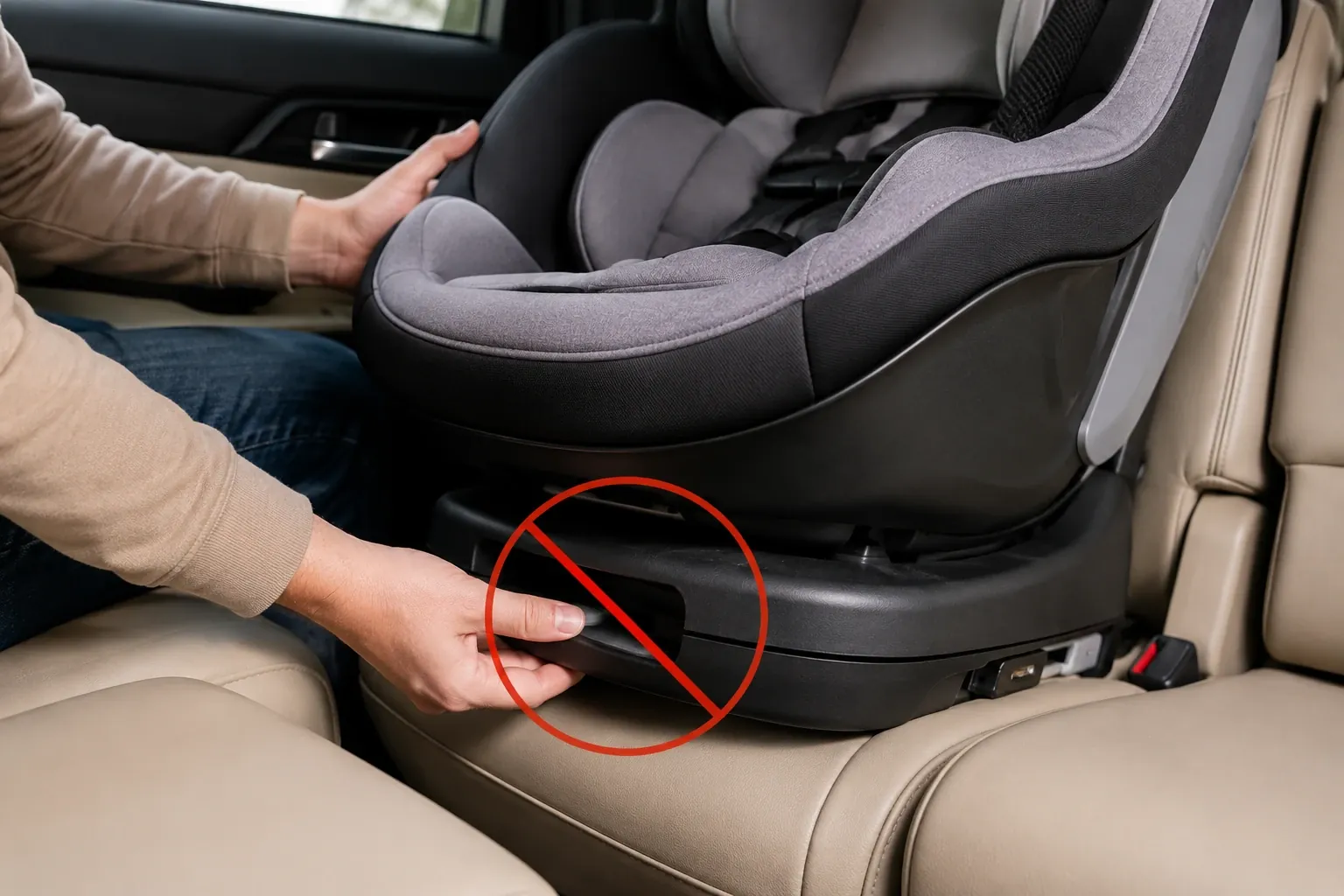
This method helps when the base seems to bind because it’s installed too tightly or at an awkward angle. Start by loosening the vehicle seat belt or the LATCH connectors slightly. The base should be secure, meaning it doesn’t move more than one inch at the belt path, but it shouldn’t be so tight that the plastic base shows signs of warping or bending.
Check the level indicator on the side of the base after loosening the tension. If the bubble or line is outside the acceptable range, the locking mechanism may experience friction because the seat isn’t sitting on a flat plane. Adjust the recline angle until the indicator rests within the allowed zone. This relieves pressure on the rotation bearings, which often solves the issue of a handle that feels stiff.
If your seat still doesn’t rotate after adjusting the tension, check that the vehicle seat headrest isn’t pushing against the back of the car seat. A headrest can force the seat into a position that prevents the release handle from engaging fully. Move the headrest up or remove it entirely if your vehicle manual allows. This creates the necessary space for the seat to turn without hitting the rear of the vehicle.
Inspect the harness and indicators
This step is for when the seat is physically clean and installed correctly, but the rotation handle still feels dead or locked. Inspect the harness webbing for any twists that might be caught in the rotation mechanism underneath the shell. Even a small loop of fabric can get pulled into the moving parts, causing the seat to lock up as a safety precaution.
Check the red and green status indicators found on the base. If the indicator shows red, the seat isn’t locked into a “travel” position. You must push the seat down and rotate it until you hear a distinct click and the indicator turns green. If the seat won’t lock into the green position, verify that the base isn’t sitting on any seat belt buckles or objects on the vehicle floor.
If you find that the internal plastic parts are cracked or the handle is loose, stop using the rotation feature immediately. This isn’t a user-serviceable part. You should reach out to the manufacturer for a safety inspection or a replacement unit. Using a damaged rotation mechanism can lead to the seat failing to lock in a crash, which is a major safety risk for your child.
Mistakes that cause rotation failure
Using heavy-duty cleaners on the base track strips the factory-applied synthetic grease. This leaves the plastic surfaces raw, causing them to bind and squeak during rotation. If you notice a grinding sound, stop immediately and inspect the track for debris; don’t apply any lubricants.
Installing the seat on a heavily sloped vehicle cushion tilts the base, which misaligns the internal rotation gears. Check your base level indicator; if the bubble is outside the green zone, use the seat’s integrated recline adjustment to level it.
Forcing the handle when it feels stuck often snaps the internal release cable. This turns a simple debris issue into a permanent mechanical failure requiring a full unit replacement. If the handle resists, check the track for stray crumbs or small toys first.
Finally, leaving the LATCH strap loose allows the base to shift. This prevents the lock from aligning with the base holes.
Proper care for the rotation mechanism
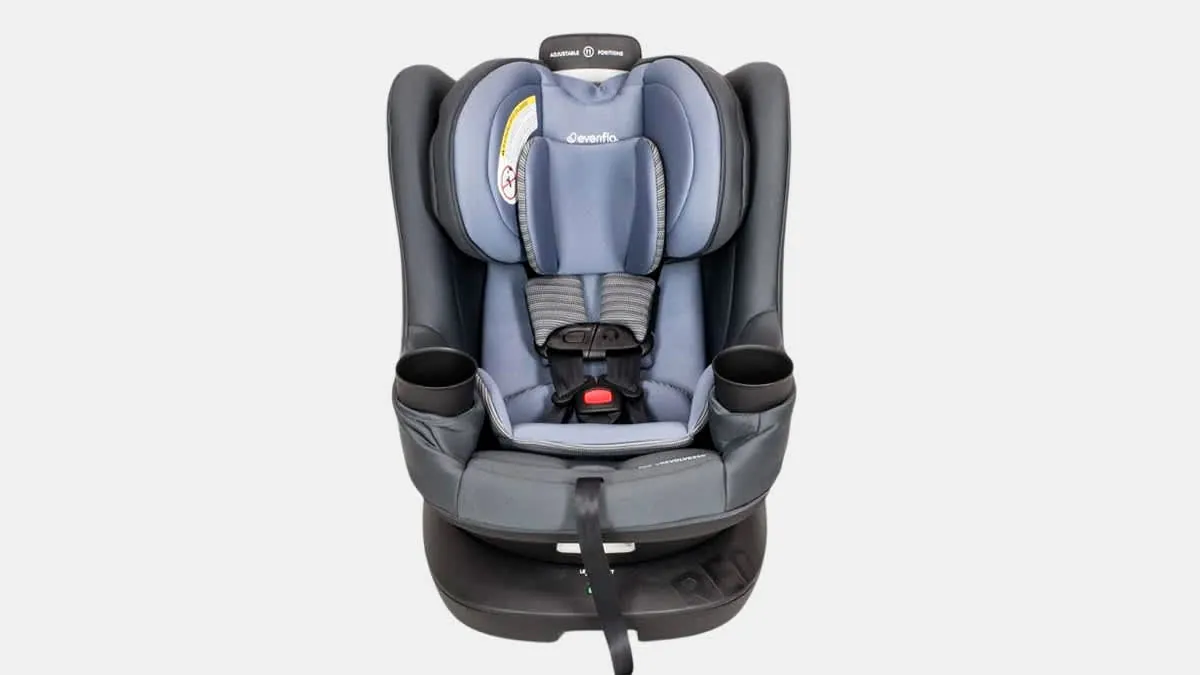
You can keep the seat working well by following a simple maintenance routine every month. If you’re currently struggling with a stiff seat, you should compare your current setup to the recommended practices in the table below.
| If you’re doing this | Do this instead | Why |
|---|---|---|
| Leaving crumbs in the base | Vacuum the track monthly | Debris causes friction and mechanical jams |
| Overtightening the seat belt | Secure to one-inch movement | Prevents the base housing from warping |
| Ignoring red lock indicators | Re-click until it turns green | Safety interlocks stop rotation when unsafe |
| Prying with metal tools | Use a soft brush or vacuum | Metal scratches the track and ruins movement |
Most users make the mistake of applying heavy-duty silicone spray to the track. This is a critical error. Lubricants attract dust, turning a smooth rotation mechanism into a grinding paste within weeks. If the seat remains stiff after cleaning, check for hairline cracks in the plastic housing. A crack indicates the base has warped, which requires a full replacement rather than maintenance.
If you hear a clicking sound during rotation, stop immediately. This usually means a ball bearing has slipped out of its race. If you can move the seat freely while it’s locked, the internal tension spring has snapped. In both cases, don’t attempt a repair. These components are factory-sealed for safety.
Frequently asked questions
How long does the evenflo revolve 360 last?
The base and seat shell expire 10 years after the manufacture date found on the unit’s white sticker. This timeframe accounts for plastic degradation and wear on internal rotation mechanisms. Always verify the date on your specific sticker, as production batches vary.
Why does my car seat make a clicking noise?
A clicking sound is the normal function of internal locking pins passing over base detents. This confirms the seat is moving along the rotation track correctly. If you hear loud grinding or cracking, inspect the track for trapped debris or housing interference.
Can I lubricate the rotation track?
Never apply grease, oil, or silicone spray to the rotation track or internal mechanism. Lubricants attract dust and hair, creating a sticky paste that jams the gears. These components are designed to operate dry; contact support if the seat remains stuck.
What happens if the rotation handle breaks?
If the handle breaks, stop using the rotation feature immediately and contact the manufacturer for warranty repair. Forcing the seat may damage the locking pins required for collision safety. Ensure the seat remains locked in a travel position until you receive professional guidance.
Is it safe to use the seat if it doesn’t rotate?
Yes, the seat is safe to use as a standard car seat if properly installed and locked in a travel position. You don’t need the rotation feature for safety. Ensure the indicators show green, confirming the seat functions like a non-rotating model.
Conclusion
If you can’t clear the track or the seat remains stuck after inspecting for debris, the internal locking mechanism has likely reached its limit. At this stage, you should contact the manufacturer for a professional assessment, as attempting to repair the internal housing yourself can compromise the safety of the restraint.