You can resolve most power or cooling issues by checking the shore power connection and the battery voltage, which is the primary step for effective everchill rv refrigerator troubleshooting. When your unit fails to cool or won’t turn on, the problem usually stems from a loose DC connection or a tripped breaker rather than a mechanical failure of the cooling system. If the lights inside are off, start by verifying your RV’s main power supply before checking the fuses located at the power distribution panel.
Why your Everchill refrigerator stops cooling
Another frequent cause is poor ventilation behind the refrigerator cabinet. RV refrigerators need to pull in cool air and exhaust warm air through exterior vents. If the back of the unit is packed with debris, insulation, or storage items, the heat can’t escape. This forces the compressor to run constantly, which eventually leads to a thermal shutdown to protect the components from overheating.
Finally, consider the door seals. If the gasket doesn’t create an airtight seal, warm air enters the cabinet, causing the internal temperature to rise. You can test this by placing a thin piece of paper in the door, closing it, and trying to pull the paper out. If it slides out with no resistance, the seal is likely failing, forcing the system to work harder than it should.
Safety: Inside a mains-powered machine, the parts behind the outer cover can hold a dangerous electrical charge even after it has been unplugged — that’s why they sit behind a cover. Opening the housing, or testing or replacing anything behind it, is a job for a qualified technician, never a home repair.
Check the power supply and fuses
If your unit has no power, your first step is to check the 12-volt DC fuse in your RV’s power distribution center. Locate the panel—usually found near the floor—and look for a blown fuse labeled “Fridge” or “Refrigerator.” If the metal wire inside the fuse is broken or the plastic is charred, replace it with a new fuse of the exact same amperage rating.
You should also inspect the wire connections at the back of the refrigerator. If you’re comfortable removing the exterior access panel on the side of your RV, look for the main DC power wires. Ensure the connections are tight and free of corrosion. If the wires are loose, tighten the terminal screws with a screwdriver. Never attempt to open the sealed compressor housing or touch the internal electrical components, as these require a professional technician.
If the unit still doesn’t turn on after replacing the fuse and tightening the wires, contact an authorized service center to verify that power is reaching the terminal block and to inspect the internal components.
Inspect the ventilation and airflow
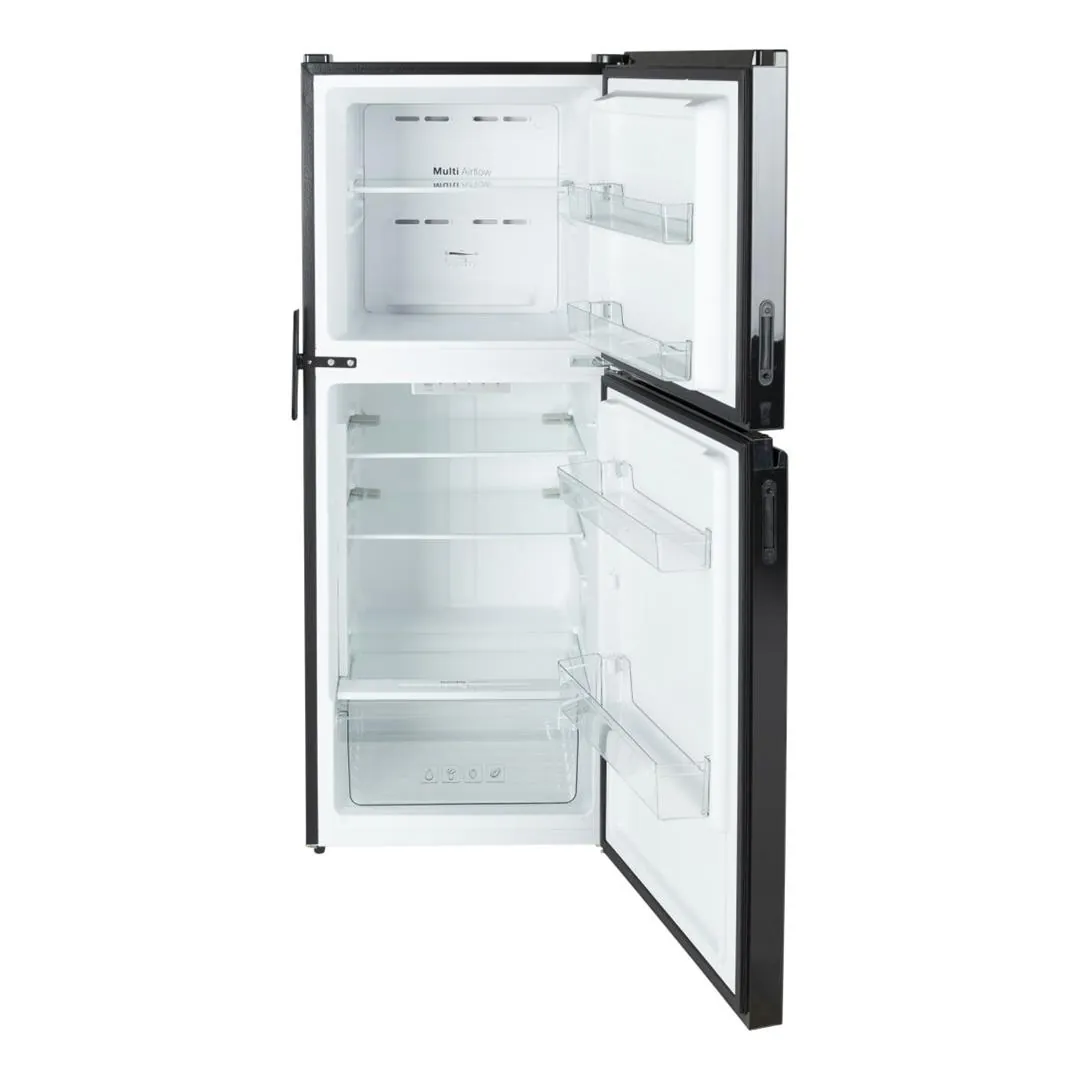
If the refrigerator runs but doesn’t get cold, you must improve the airflow behind the unit. Clear away any items stored in the exterior compartment that might block the bottom intake vent or the top exhaust vent. If you have an RV with a roof vent, ensure that the vent cover isn’t clogged with leaves or debris.
In some cases, the installation might lack a proper baffle to direct air over the cooling coils. If you see large open spaces around the refrigerator, the hot air is likely recirculating instead of exiting the RV. Adding a small foam or metal baffle to guide the air out of the top vent can significantly improve cooling performance. This is a simple fix if you have access to the back of the unit.
If the unit is still struggling in high heat, you may consider adding an aftermarket 12-volt circulation fan. These fans mount to the cooling fins to move air more efficiently. If you aren’t confident in splicing small DC wires to power this fan, ask a qualified RV technician to perform the installation.
Verify the door seals and contents
Sometimes the issue isn’t the power or the venting, but how the unit is being used. If you pack the refrigerator too tightly, the cold air can’t circulate around your food. Always leave at least one inch of space between items so air can flow freely. If the freezer is fine but the fridge is warm, the damper that controls airflow between the two sections might be blocked by ice or food.
Check the door gaskets for any tears or gaps. Perform the dollar bill test: close the door on a bill and try to pull it out. If it slides out with zero resistance, the seal is failing. If the gasket is dirty, clean it with warm soapy water and a soft cloth.
A dry or cracked gasket can often be revived by applying a thin layer of silicone lubricant, which helps it regain its shape and seal against the frame. If the gasket is physically torn, it must be replaced.
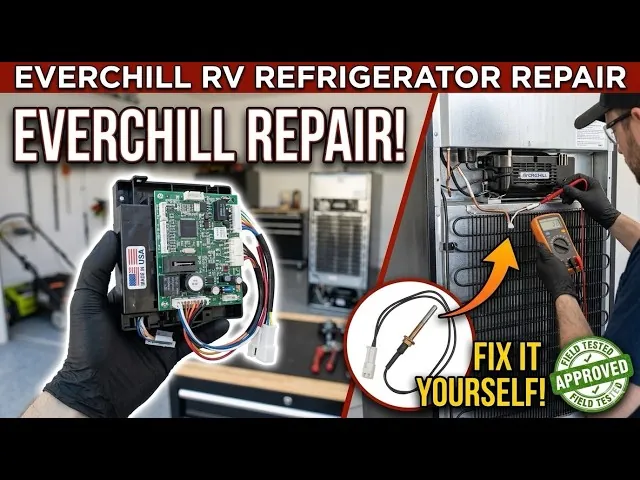
If you find that the unit is constantly freezing food in the fridge section, the internal thermistor might be faulty or improperly placed. The thermistor measures the temperature and tells the compressor when to stop. If it has fallen out of its clip, it won’t read the temperature accurately. Gently clip it back into its designated holder, usually located on the side wall of the fridge.
If the fridge remains too cold after checking the thermistor, the control board may be failing to interpret the signal. In this case, you must replace the main control board to restore proper cycling.
Why common quick fixes fail
Setting the thermostat to the coldest level: This often causes the evaporator coils to freeze over, which blocks airflow and makes the fridge warmer. If your coils are already frosted, dropping the temperature below the standard midpoint only accelerates the ice buildup.
Using a hair dryer to melt ice: The heat can easily warp the plastic interior walls or damage sensitive electronic sensors, causing permanent structural failure. Never use direct heat; if you must clear ice, turn the unit off and use a fan to circulate room-temperature air.
Drilling holes for better ventilation: Modifying the cabinet structure can void your warranty and may interfere with the RV’s fire-safety barriers. Before cutting, check if the issue is actually a blocked exterior vent, which is a common, non-destructive failure point.
Spraying the coils with water: Using a hose to clean the back of the unit can short-circuit the control board or corrode the electrical terminals. Use a soft brush and a vacuum attachment instead.
How to stop it happening again
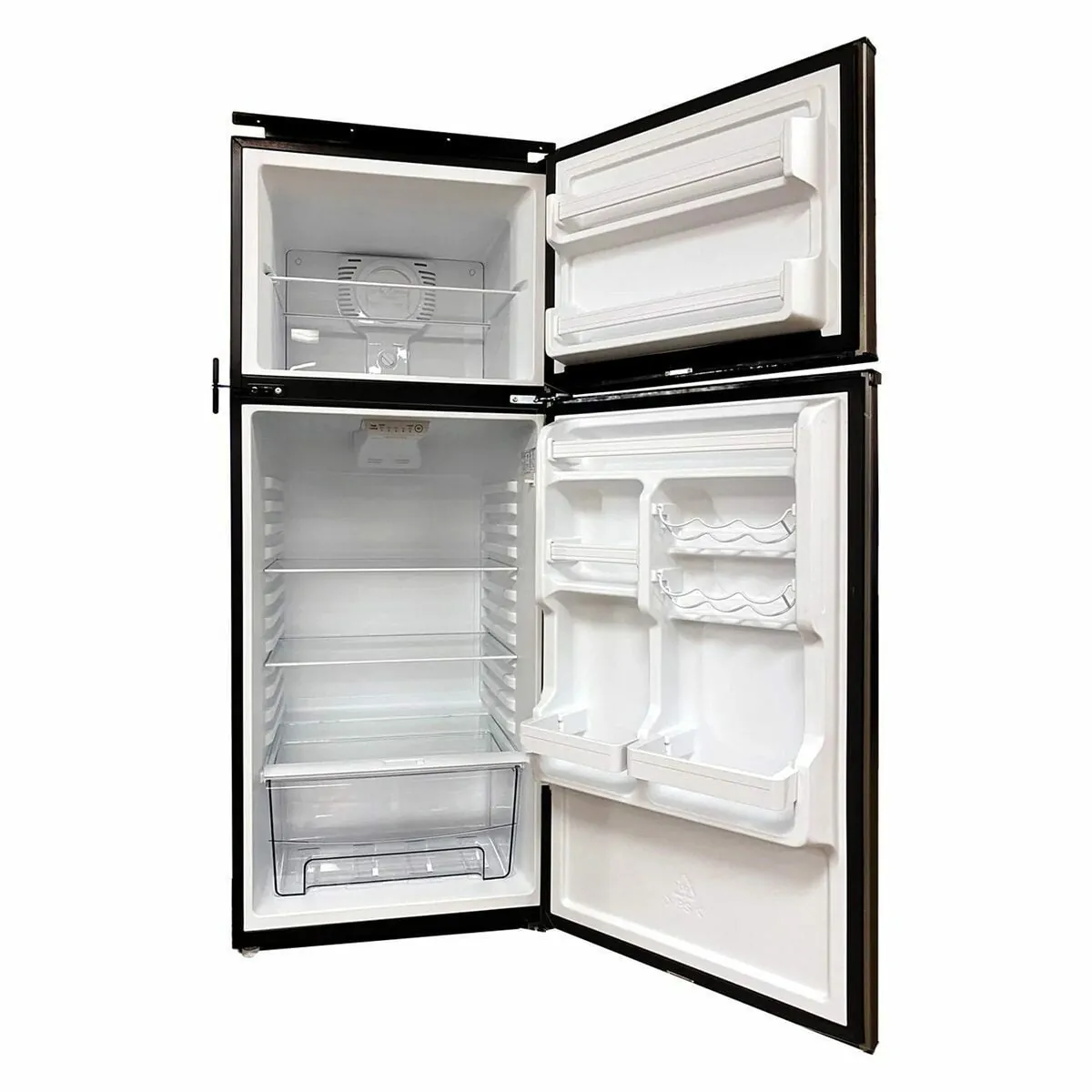
To keep your refrigerator running efficiently, adopt a routine of checking your seals and power levels before every trip. If you’re doing this, you’ll catch minor issues before they lead to spoiled food or a dead compressor.
| If you’re doing this | Do this instead | Why |
|---|---|---|
| Leaving the door open | Close it quickly | Prevents frost buildup |
| Storing hot leftovers | Cool them first | Reduces compressor load |
| Ignoring the battery | Check voltage daily | Prevents low-voltage error |
| Packing it to the top | Leave 20% space | Allows air circulation |
The most common mistake is ignoring the door gasket’s integrity. If you can slide a dollar bill between the seal and the frame while the door is latched, the seal is shot. Replace it immediately to prevent the compressor from running continuously.
If you’re operating in a cool, climate-controlled environment, keep the dial at the midpoint. Over-cooling in mild weather wastes battery life without adding any safety benefit.
Frequently asked questions
How long does an everchill refrigerator take to cool down?
It typically takes 4 to 8 hours to reach a safe operating temperature if the ambient air is below 85°F. If the ambient temperature is higher, stabilization can take up to 24 hours. Avoid adding large amounts of warm food during this initial period to ensure the unit cools properly.
Is it safe to leave the refrigerator on while driving?
Yes, it’s safe to operate your refrigerator while driving, provided your RV’s 12-volt charging system is functioning correctly. Your vehicle’s alternator should supply enough power to keep the house batteries charged while the engine is running. If your battery capacity is low, the refrigerator may drain the power before you reach your destination. Check your battery voltage levels periodically if you’re traveling for more than 6 hours without shore power.
Why does my refrigerator make a loud humming noise?
A loud hum usually indicates the compressor is working at maximum capacity due to a high heat load or poor ventilation. Check the exterior vents for blockages or ensure the unit isn’t in direct sunlight. If the noise becomes a grinding sound, contact a professional for an inspection.
How do I reset my everchill refrigerator?
You can usually reset the unit by disconnecting the 12-volt power for 5 minutes before reconnecting it. This process clears the control board’s temporary memory. If the unit continues to show an error code after a reset, the issue is likely a component failure that requires professional service.
What is the ideal temperature for an rv refrigerator?
The ideal temperature for the refrigerator is 35°F to 38°F, while the freezer should stay at or below 0°F. Use a standalone digital thermometer to verify these readings. If the temperature consistently stays above 40°F, your food is at risk for bacterial growth and the unit may require service.
Can I replace the door gasket myself?
Yes, you can replace the door gasket yourself if you have the correct part for your model. The gasket is typically held in place by a friction fit or screws hidden behind the rubber flap. If the door doesn’t close flush after replacement, contact a technician to align the hinges.
Conclusion
If these basic checks don’t get your fridge running again, it’s time to reach out to a certified technician. Don’t hesitate to contact the manufacturer’s support line if your unit is still under warranty. They’ll help you determine if you need a replacement part to keep your food cold on the road.
Related guides