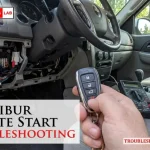
If your car doesn’t start when you press the button, performing excalibur remote start troubleshooting usually fixes the issue by checking your battery levels or the valet mode status. Most problems start because the key fob battery is dead or the system has entered a protective state after a voltage drop. If your vehicle doesn’t respond to the remote, check the remote’s LED light first. If the light doesn’t flash when you press a button, the battery is the likely culprit.
Common Excalibur remote start issues
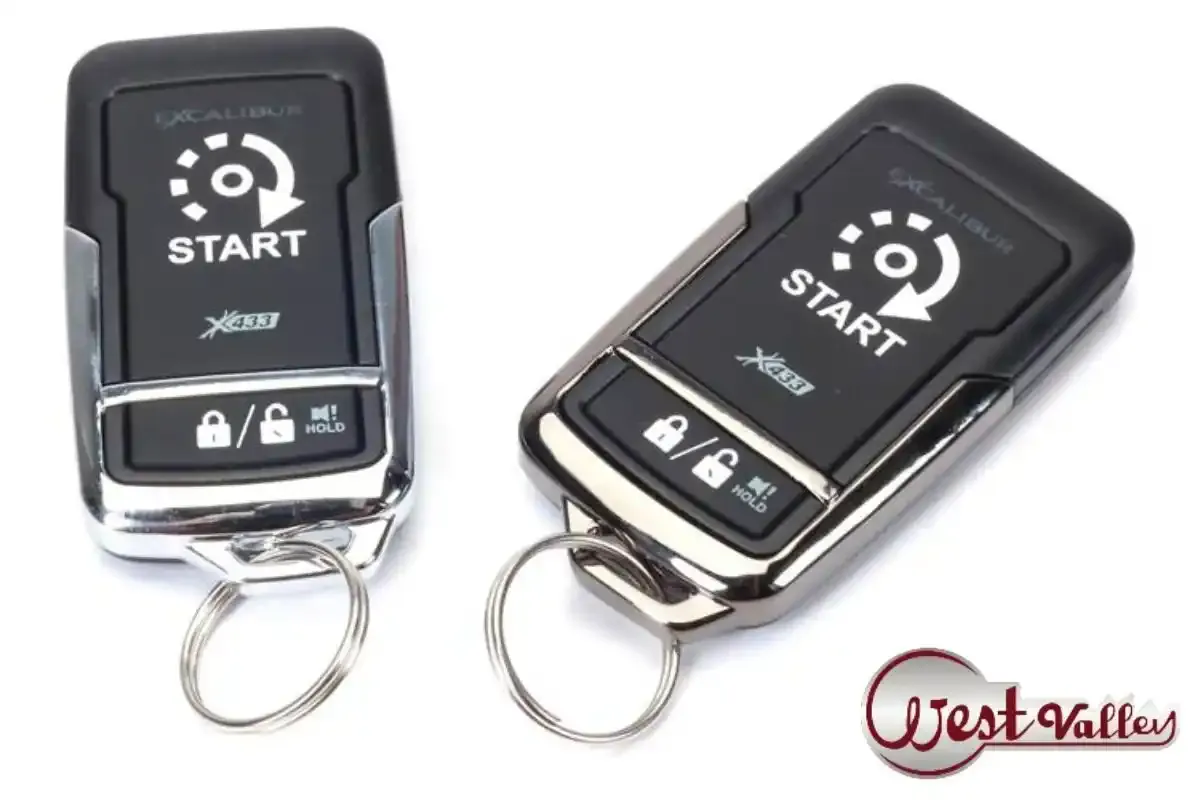
The most common reason for a failed remote start is a low battery in your key fob. When the voltage drops below a certain level, the remote can no longer send a strong enough signal to the antenna mounted in your vehicle.
Replacing this battery is a simple task that solves the majority of connectivity issues without needing professional help. If the battery is new and the remote still fails, the system might have lost its pairing code during a power fluctuation.
Another frequent cause is the system entering “valet mode.” This is a security feature designed to disable the remote start function when you leave your car with a valet or at a repair shop. When the system is in this mode, the car will lock and unlock as normal, but the engine won’t crank.
You can tell if your system is in this mode by checking the status light on your dashboard. If the light is solid rather than blinking or off, the system is likely in valet mode.
Finally, your vehicle might not start if the system detects an open hood or a door that isn’t fully closed. These safety features are built into Omega Research and Development vehicle security systems to prevent the engine from starting while someone is working on the car. If the hood pin switch is stuck or misaligned, the remote start will abort the command immediately to protect the user.
Replace the key fob battery
This fix is for anyone whose remote LED doesn’t light up or is very dim when pressing buttons. A weak battery is the primary reason for signal loss, so swapping it out should be your first step. Most remotes use common CR2032 or CR2016 coin-style batteries. You can usually open the plastic casing by gently prying the seam with a small flat-head screwdriver or a coin.
Once the case is open, take note of the battery’s orientation before removing it. Place the new battery in the exact same position, ensuring the positive side faces the correct way as indicated by the battery holder. After snapping the case back together, test the remote near your vehicle. If the remote’s LED flashes brightly but the car still doesn’t start, the remote might need to be re-synced to the receiver.
Be careful not to touch the internal circuit board or the buttons while the case is open. Static electricity or oils from your fingers can damage the delicate components inside the remote. If you can’t open the case without using force, stop and consult a professional car audio installer to avoid breaking the plastic clips. A broken remote housing won’t seal properly, which can allow moisture to ruin the electronics.
Disable the valet mode
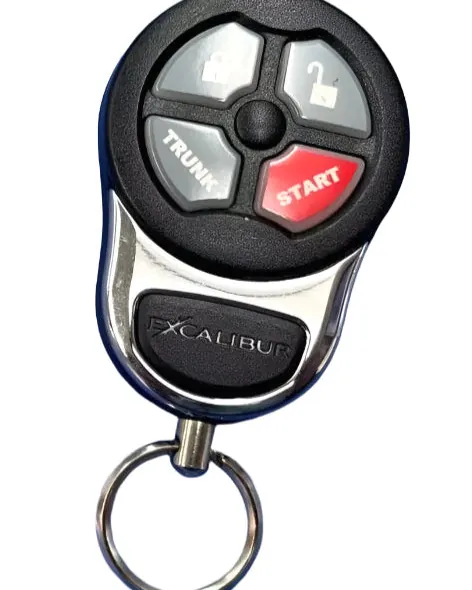
If your remote lights up but the engine doesn’t turn over, your system is likely in valet mode. This mode prevents the remote start from engaging to ensure safety when others are driving your vehicle. To fix this, you need to use the valet switch, which is typically a small button hidden under the dashboard or near the steering column.
Locate the switch and turn your vehicle’s ignition key to the “on” position without starting the engine. Press and hold the valet button for about 5 to 10 seconds. You should see the dashboard status light change or hear the siren chirp, indicating that the system has exited valet mode. Once you have made this change, turn the ignition off and attempt to remote start the car as you normally would.
If you can’t find the valet switch, look for a small hole in the underside of the dash where a button might be recessed. Some installations use a toggle switch instead of a push-button, so feel for a switch that clicks into two positions.
A common mistake is assuming the system is broken when it’s simply in valet mode. If the LED status light remains solid red, the system is locked. If it flashes, the system is active.
If you still can’t locate the switch, contact the shop that performed the original installation. They will know exactly where the switch is hidden and can show you how to toggle it correctly. If you recently disconnected your battery, the system may have defaulted to valet mode as a security precaution.
Reset the hood pin switch
Sometimes the remote start fails because the car thinks the hood is open. The hood pin switch is a small plunger-style sensor located in the engine bay, usually near the front radiator support. If this switch is dirty, stuck, or rusted, it will send a constant “open” signal to the alarm system. Since remote start is a safety risk if the hood is up, the system will refuse to start the engine.
Check the switch for debris or corrosion that might prevent it from being fully depressed when the hood is closed. If it appears stuck, you can try cleaning it with a damp cloth or applying a small amount of electrical contact cleaner. Sometimes, adding a small rubber spacer or adjusting the height of the pin can ensure it makes firm contact with the hood when it shuts.
If the pin switch is physically broken, it must be replaced. This is a simple part, but if you’re uncomfortable working near engine components, have a professional handle it. Never force the hood shut if the switch is blocking it, as this can bend your hood or damage the sensor beyond repair. Once the switch is cleaned or adjusted, try the remote start again to see if the engine cranks.
What not to do
Don’t attempt to open the main control module box under the dashboard. This voids your warranty and often triggers a “check engine” light that requires a dealership-only reset tool to clear.
Never bypass the hood pin switch by cutting wires. This safety feature prevents the engine from cranking while a mechanic is working. If you disable it, you risk accidental remote activation while your hands are in the engine bay.
Use a plastic spudger or a guitar pick instead.
Ensure you use the exact battery type specified by the manufacturer, as using an incorrect battery type can damage the remote. Always check the embossed code on the old battery before buying a replacement.
How to stop it happening again
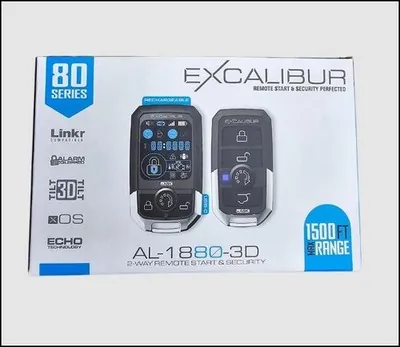
Staying consistent with your system’s maintenance prevents most of these issues. You should treat your remote start as a precision electronic device that requires a stable power supply and clear sensor signals to function.
| If you’re doing this | Do this instead | Why |
|---|---|---|
| Leaving remotes in pockets | Use a protective silicone cover | Prevents accidental button presses |
| Ignoring a dim LED light | Replace the battery immediately | Prevents total signal loss later |
| Forcing the hood shut | Check the hood pin switch | Protects the hood from metal damage |
| Using a spare remote | Test all remotes every season | Ensures all units remain synced |
Most owners fail by waiting for a total failure before checking the hood pin. If your remote flashes but the engine won’t crank, the pin switch is likely stuck or corroded. A simple cleaning with electrical contact spray is an inexpensive fix compared to professional repair.
If you live in a climate with extreme temperature swings, the replacement interval for your remote batteries depends on your specific usage. Consult your owner’s manual for the manufacturer’s recommended maintenance schedule, as cold weather can sap voltage and lead to unexpected system failure.
Frequently asked questions
Can I fix a remote start that stopped working after a battery change?
You can often fix this by re-pairing the remote to the vehicle. Many remotes lose their sync if left without power or if buttons are pressed repeatedly. Check your model manual for the specific “learning” sequence to restore the connection. If the remote still fails, the internal transmitter may be broken.
How long does a key fob battery usually last?
A standard key fob battery typically lasts 12 to 18 months. This duration depends on your daily usage frequency and the environmental temperature. Cold weather can cause faster battery drain, potentially leading to a shorter range or slower response times.
Is it safe to try these fixes myself?
Yes, these steps are safe for any owner to perform. These tasks are limited to replacing external batteries, toggling a valet switch, or cleaning a hood sensor. If the problem persists after these simple steps, consult a professional technician to diagnose potential issues like a failed antenna or blown fuse.
What happens if I press the button too many times?
If you press the button too many times, the system may enter a lockout mode to protect the engine. Most systems ignore excessive commands to prevent starter motor damage or engine flooding. If you trigger a lockout, wait for the system to reset before trying one firm press.
How do I know if my remote is broken?
You can tell if your remote is broken if the LED light doesn’t flash after installing a fresh battery. Internal circuit board damage often occurs if the remote is dropped or exposed to water. If a second remote works fine, the first is likely faulty and requires replacement.
Conclusion
If these simple checks don’t get your engine running, it’s best to reach out to a local car audio shop for professional help. They’ll have the right tools to diagnose deeper wiring issues quickly. Don’t worry if you’re still stuck; getting an expert’s opinion won’t take long and you’ll be back on the road soon.