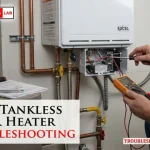
To restore hot water, you should check your unit’s power supply and water flow settings because effective excel tankless water heater troubleshooting often starts with these two simple components. Most issues stem from a tripped breaker, a clogged inlet filter, or a flow rate that’s too low to trigger the burner. If your water stays cold, check the circuit breaker panel first to ensure the unit has power. If the screen is blank, the issue is almost always electrical.
Why your tankless water heater stops heating
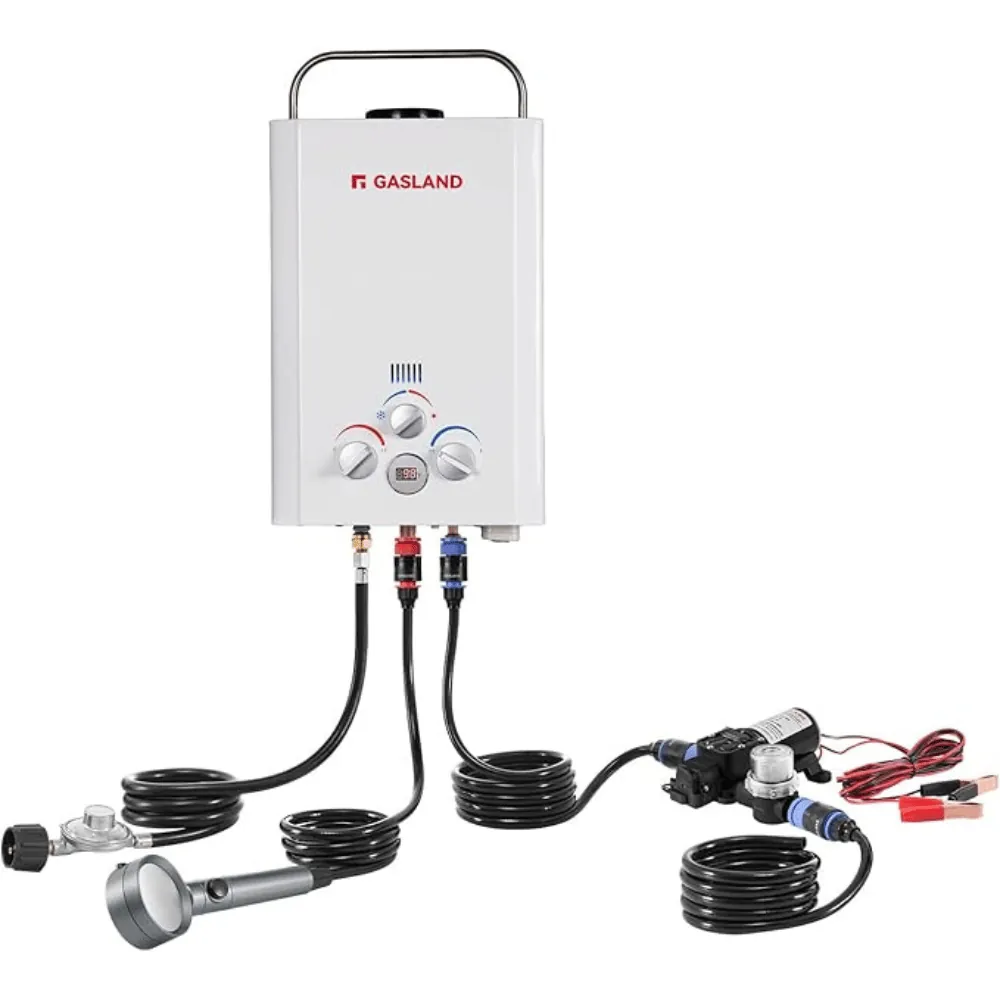
When a system fails to heat, the cause is usually a simple mechanical or electrical hiccup rather than a major hardware failure. The most common cause is a lack of flow, as these units require a minimum amount of water movement to activate the heating element. If your faucet aerator is clogged, the system may never “see” the water, so it stays in standby mode.
Another frequent issue involves the power supply. Because these units draw high amperage, a loose wire or a tripped breaker can cut the heat while leaving the display on. If you live in an area with hard water, scale buildup inside the heat exchanger can also restrict flow and cause the internal sensors to shut the unit down to prevent overheating.
Temperature fluctuations often occur when the incoming water is too cold for the unit to heat at your desired flow rate. If the unit is sized for a specific temperature rise, it can’t keep up if you open multiple taps at once.
Safety: Inside a mains-powered machine, the parts behind the outer cover can hold a dangerous electrical charge even after it has been unplugged — that’s why they sit behind a cover. Opening the housing, or testing or replacing anything behind it, is a job for a qualified technician, never a home repair.
Resetting the power and flow
If your unit has no power, your first step is to check the electrical panel. Locate the double-pole breaker dedicated to your heater and ensure it’s in the “on” position. If it has tripped, flip it completely to “off” and then back to “on” to reset it. If it trips again immediately, stop and call a licensed electrician, as this indicates a short circuit that you can’t safely fix yourself.
Next, check the inlet water filter. This is usually a small screen located where the cold water enters the unit. Turn off the cold water supply valve, unscrew the fitting, and pull out the screen. If you see sand, grit, or white scale, rinse it under clean water until the mesh is clear. Put it back, tighten the fitting, and turn the water back on.
This fix is for homeowners whose units have power but fail to heat water consistently. If the unit still doesn’t turn on after you clear the filter, check the display for an error code. Write down any letters or numbers showing on the screen, as these indicate specific sensor faults. If the screen remains blank even after you confirm the breaker is on, the internal control board may have failed, which requires a professional service technician.
Adjusting the temperature settings
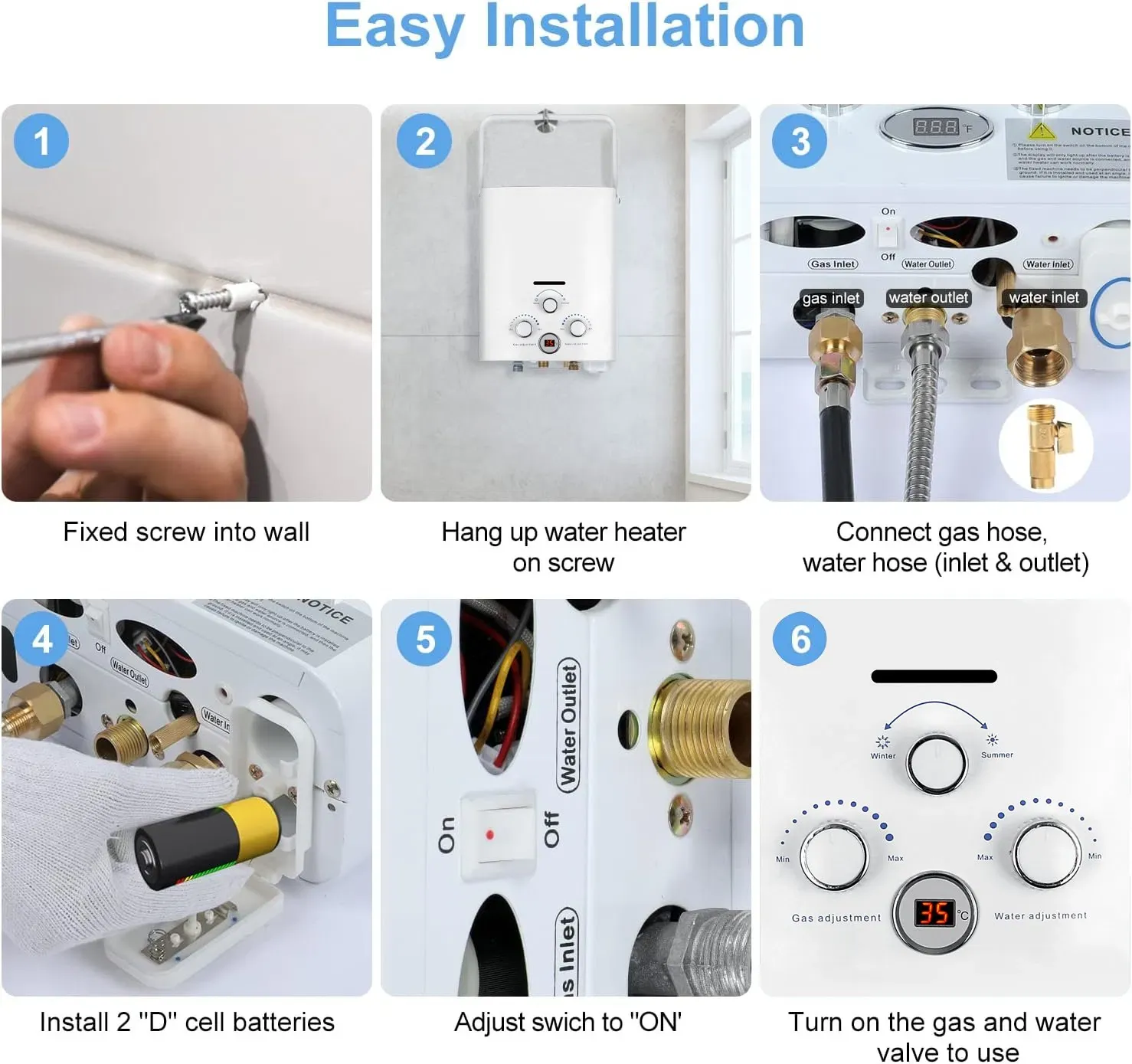
If the water is warm but not hot enough, your temperature setting might be too low. Access the control panel on the front of the unit and look for the up and down arrows. Increase the set point by five-degree increments and wait for the water to run at a tap for a full minute to see the change. Don’t set it above 120 degrees Fahrenheit to prevent scalding.
If the water is too hot, check your mixing valve or the unit’s dial. Some models have a physical dial on the side or inside the cabinet that limits the maximum temperature. If you have recently changed the flow in your home—such as installing low-flow showerheads—the unit might be struggling to sense the flow. Try opening the hot water tap fully to see if the burner engages.
This process is for users who have a digital interface that’s active but not producing the desired heat. If you can’t change the temperature or the display is unresponsive, try a hard reset. Turn the power off at the breaker, wait 60 seconds, and turn it back on. If the system still doesn’t respond to your settings, the internal thermostat may be faulty.
Cleaning the heat exchanger
Scale buildup is the enemy of efficiency, especially in homes with hard water. If your unit is relatively new, it’s likely fine, but older units often need a flush. This involves circulating a mild descaling solution through the unit to dissolve minerals. You’ll need a pump, a bucket, and food-grade white vinegar to complete this task.
If you’re comfortable with basic plumbing, you can attach a hose to the service valves. If your installation didn’t include service valves, you can’t perform this task yourself. In that case, you must hire a plumber to install the valves and perform the flush. Attempting to force chemicals into the unit without the correct bypass setup can damage the internal seals and void your warranty.
Check your water hardness level before starting. If your local utility report shows more than 7 grains per gallon, plan to flush the system every 12 months. If you have soft water or a water softener installed, you can safely extend this interval to 24 months.
This is worth the effort if you notice the water pressure dropping over time or if the unit makes a “rumbling” sound while heating. That noise indicates sediment has hardened into a crust on the heat exchanger. If the water remains lukewarm even after a professional flush, the heat exchanger may be permanently damaged, and the unit may require replacement. Ignoring this maintenance reduces heating efficiency and forces the burner to work significantly harder, shortening the unit’s lifespan.
Mistakes that cause damage
Ignoring error codes on the display can lead to a total system shutdown. The unit is designed to lock out for safety if a sensor fails. If you see a code, note the specific alphanumeric sequence before resetting; ignoring a recurring code often masks a failing pump that will eventually seize entirely.
Turning the gas or electric supply on before the unit is full of water will instantly burn out the heating elements or damage the heat exchanger. Always open a hot water tap until the flow is steady and air-free before flipping the breaker.
Using harsh chemicals like bleach or heavy drain cleaners to clear scale will corrode the copper pipes inside and cause a permanent leak. Use only food-grade citric acid or white vinegar for descaling.
Removing the outer cover is dangerous. Internal capacitors can hold a lethal high-voltage charge even when the power is off.
Over-tightening fittings during a filter clean often cracks plastic threads. Hand-tighten only, then turn a quarter-turn with a wrench. Overtorquing costs a full housing replacement.
Preventing future system failures
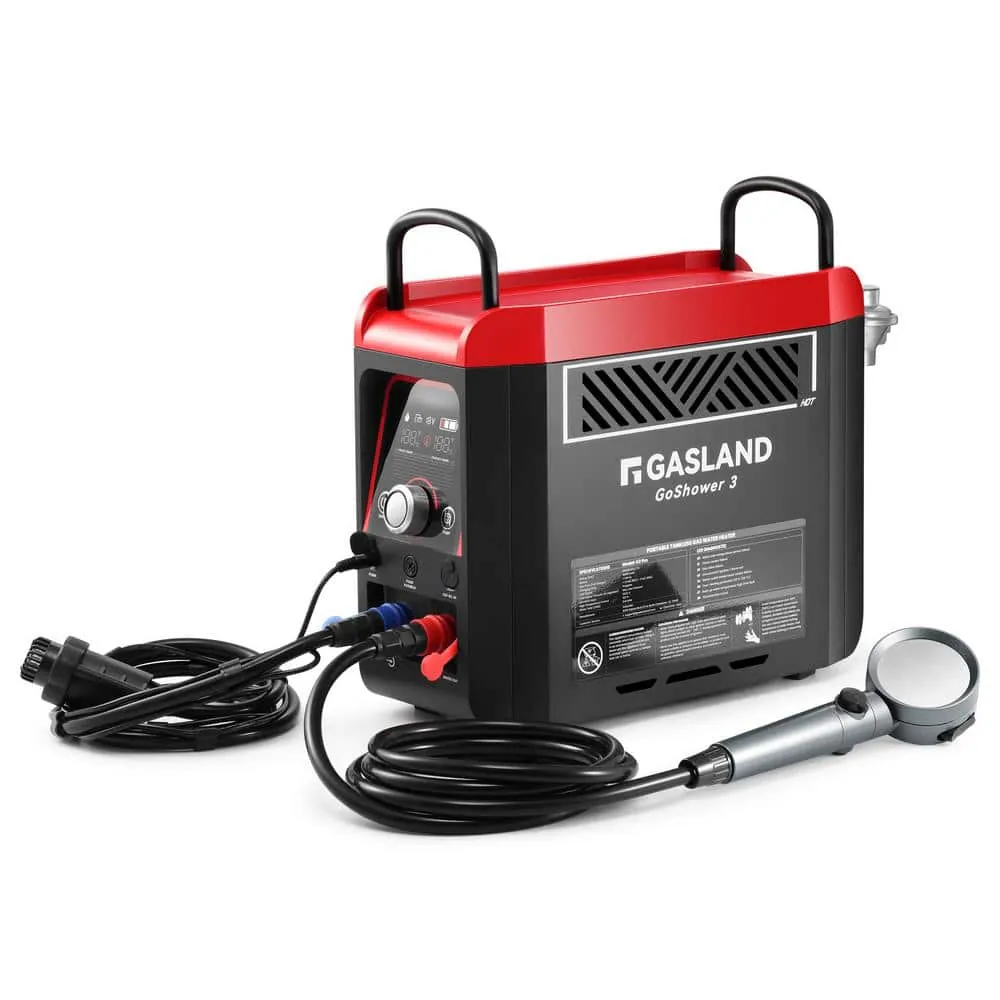
The key to a long life for your system is regular maintenance. If you’re currently cleaning the filter, you should adjust the frequency based on usage and consult your owner’s manual for the recommended schedule if you notice mineral buildup.
| If you’re doing this | Do this instead | Why |
|---|---|---|
| Ignoring the filter | Clean it every 6 months | Prevents flow-related burner failures |
| Using high temperatures | Set to 120 degrees | Reduces scale and prevents scalding |
| Guessing error codes | Read the user manual | Prevents unnecessary service calls |
| Ignoring leaks | Tighten or call a pro | Prevents water damage to the floor |
| Skipping annual flushes | Flush with vinegar yearly | Removes scale before it clogs pipes |
Most owners fail by waiting for a total breakdown before acting. This mistake often turns a simple gasket replacement into a full system failure.
Use this decision rule: if the system makes a rhythmic clicking sound, check the ignition sensor immediately. If the sound is a low rumble, it indicates sediment buildup and requires a professional flush.
If you live in an area with hard water, treat your system as a high-maintenance appliance. You must flush the tank according to the frequency dictated by your usage and the owner’s manual to prevent permanent heating element damage. Ignoring this cycle typically cuts the system’s functional lifespan.
Frequently asked questions
How long does a tankless heater last?
A standard unit typically lasts between 15 and 20 years, provided you perform regular maintenance like flushing the heat exchanger. If you live in an area with very hard water and don’t use a water softener, the lifespan can be significantly shorter. You can check the specific lifespan estimate for your brand by looking at the warranty documentation provided by the manufacturer.
Is it safe to fix a leaking tankless heater?
No, you should never attempt to repair a leaking unit yourself because water and electricity are a dangerous combination. If you see water dripping from the bottom of the housing, turn off the water supply valve and the circuit breaker immediately. Call a professional plumber to inspect the seals and internal plumbing, as a small leak can turn into a major flood very quickly.
Why is my water temperature fluctuating?
Your water temperature fluctuates because the unit can’t keep up with the flow rate, or because a mixing valve is struggling to balance the hot and cold water. This often happens when you use multiple faucets at the same time. Try running only one tap to see if the temperature stabilizes; if it does, your unit is likely undersized for your home’s total water demand.
How do I know if my heater is too small?
You can determine if the unit is too small by checking the “temperature rise” specification against your home’s incoming water temperature. If your unit is rated for a 40-degree rise but your water is 35 degrees, it will never reach a comfortable temperature. Check the label on the side of your unit for its flow rate capacity and compare it to the flow required by your showers and appliances.
What happens if I ignore an error code?
If you ignore an error code, the unit will eventually enter a safety lockout mode and stop heating water entirely. These codes are warnings that a specific component, such as a flame sensor or ignition probe, isn’t working correctly. Resetting the power might clear the code temporarily, but the underlying issue will remain and will likely cause the unit to shut down again soon.
Can I change the temperature setting myself?
Yes, you can change the temperature setting using the buttons on the front control panel of your unit. Most systems allow you to adjust the output in one-degree or five-degree increments. Always check the manual for your specific model before making changes, as some units have a physical dial inside the cabinet that acts as a maximum temperature limit for safety.
Conclusion
If these adjustments don’t get your unit running smoothly, it’s time to consult your owner’s manual or call a professional plumber. Don’t hesitate to reach out for help if you’re unsure about the wiring. Staying proactive with regular maintenance will keep your system reliable and ensure you’ve always got hot water.
Related guides