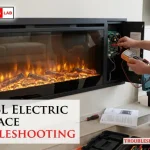
If your unit won’t turn on or is blowing cold air, you can perform basic f18v66l electric fireplace troubleshooting by checking your home’s power supply and the unit’s remote settings. Most issues with these heaters start with a tripped circuit breaker or a loose power connection at the wall outlet. If the device remains unresponsive after you verify that the outlet has power, you must stop your efforts and contact a certified electrician or the manufacturer for further technical support.
Why your F18V66L electric fireplace stops working
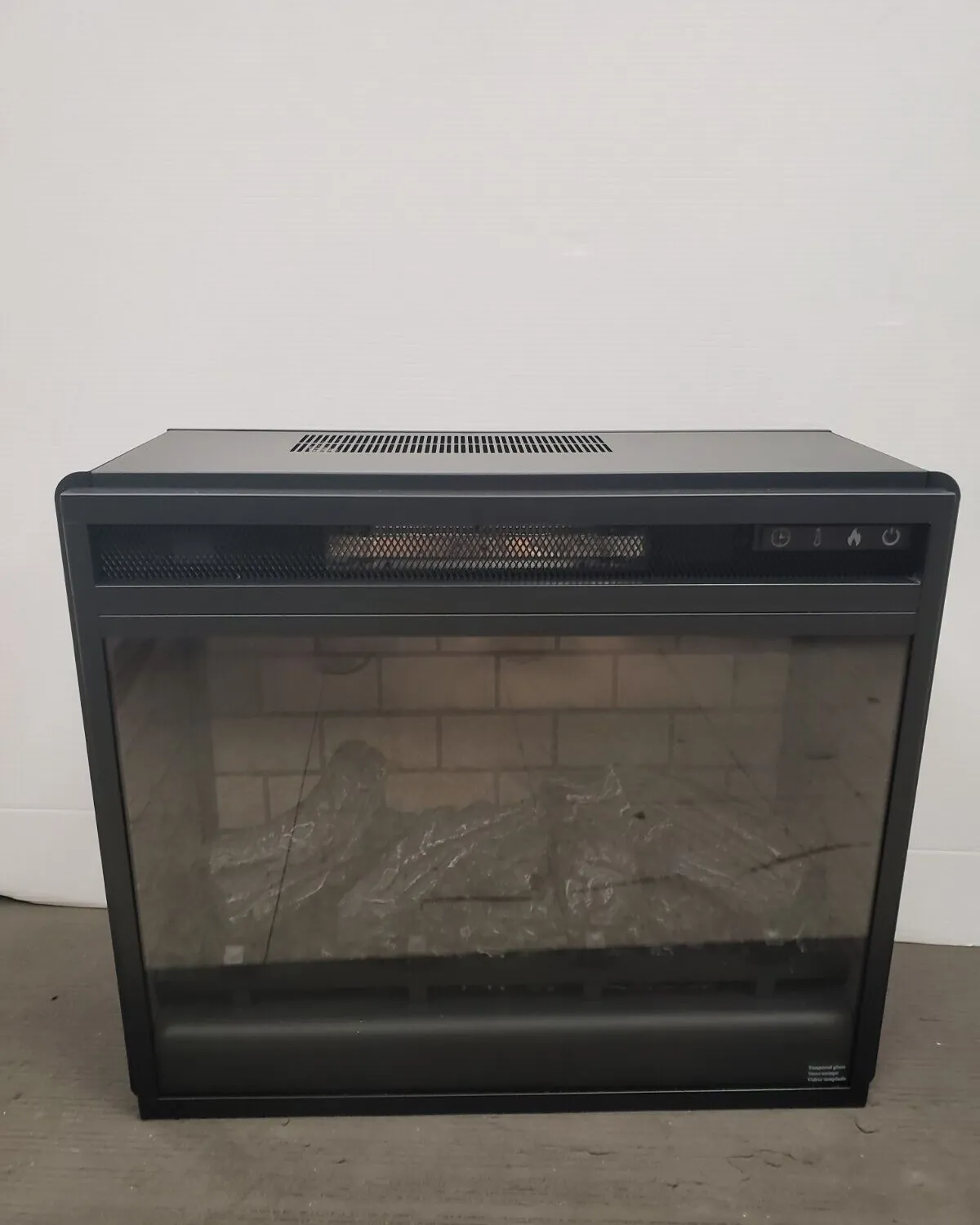
The main reasons your fireplace stops working usually relate to power flow or internal safety sensors. Electric fireplaces are designed to shut down automatically if they detect an obstruction or overheating to prevent fire hazards. This is a built-in safety feature, not necessarily a sign that your device is broken beyond repair.
Another frequent cause is a simple communication error between the remote control and the unit. If the batteries in your remote are dying, the fireplace might not receive the signal to activate the heating element or the flame effect. Always start by replacing the batteries with fresh ones before assuming the internal electronics have failed.
Finally, check the circuit breaker in your home’s electrical panel. These units draw a significant amount of power, and if you have other high-wattage appliances running on the same circuit, the breaker will flip to protect your home’s wiring.
Reset the power connection
This fix is for users who have a fireplace that shows no lights or signs of life despite being plugged into a wall. Start by unplugging the unit from the wall outlet and leaving it disconnected for at least one minute to allow the internal capacitors to discharge. While the unit is unplugged, inspect the power cord for any visible signs of damage, such as fraying or heat marks.
Once the time has passed, plug the cord directly into a wall outlet that you know is working by testing it with a lamp or a phone charger. Don’t use an extension cord, as these often can’t handle the high current required by the heating element. If the unit turns on, your problem was likely a temporary safety trip or a faulty power strip.
If the unit still doesn’t turn on, look at your home’s main breaker box to see if the switch for that room has moved to the “off” or “middle” position. If it has, flip it all the way to “off” and then back to “on.”
If the breaker trips again immediately after you turn the fireplace on, you have a short circuit and must call a licensed electrician immediately. Never open the fireplace housing to attempt internal repairs, as the internal components can retain a lethal charge even when unplugged.
Adjust the thermostat settings
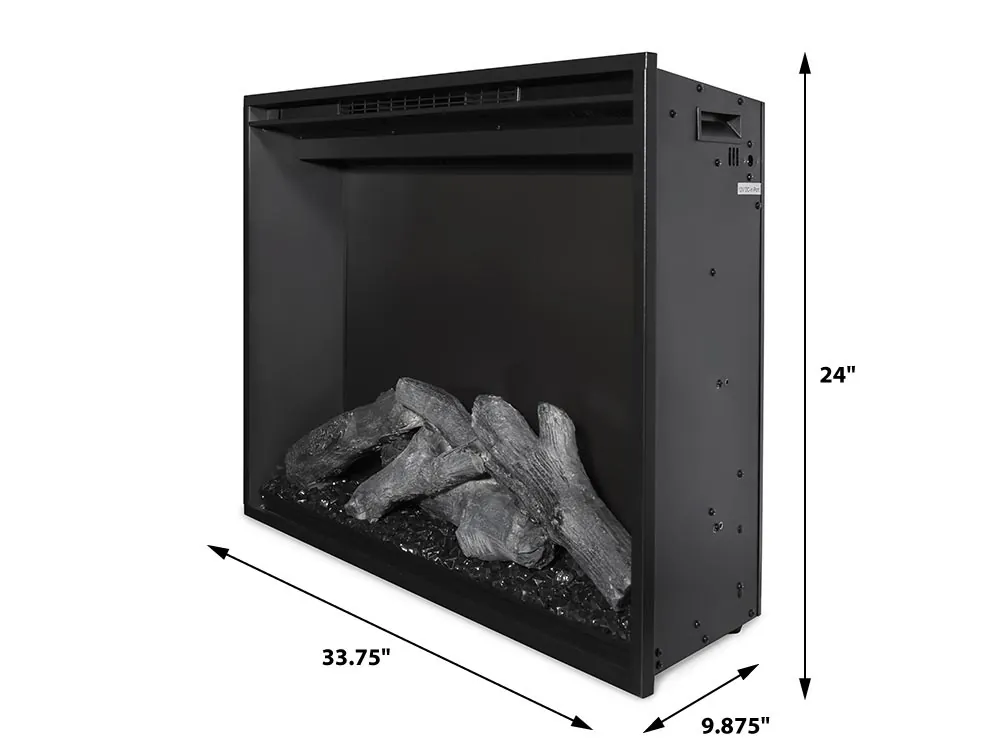
This step is for when your fireplace turns on and shows lights, but blows cold air instead of heat. Many electric fireplaces have a thermostat that prevents the heater from turning on if the room is already warmer than the set temperature. First, turn the thermostat setting to the highest possible level to see if the heating element kicks in.
If the unit has a “fan only” mode, ensure it isn’t selected, as this will blow air without engaging the heat. If the heater engages on the high setting, the issue was simply your temperature threshold. If it still blows cold air, check for any dust or debris blocking the air intake vents located at the top or bottom of the unit.
Use a vacuum with a soft brush attachment to gently clear the vents of any lint or pet hair. If you have pets, you should perform this cleaning at least once a month to prevent overheating. If the heater still fails to produce warmth after cleaning, the internal thermal cutoff switch may have failed. This is a professional repair task; don’t attempt to replace internal thermal sensors yourself, as this requires specialized knowledge and poses a risk of electrical shock.
Check the remote and display
The remote control is often the culprit when the unit seems unresponsive to your commands. If the display on the fireplace doesn’t change when you press buttons on the remote, the remote signal might be blocked. Ensure there’s a clear line of sight between the remote and the infrared receiver on the front of the fireplace.
If the remote still doesn’t work, replace the batteries with fresh, high-quality alkaline batteries of the correct size. Even if the remote light flashes, low voltage can prevent the signal from reaching the unit correctly. If you have a universal remote or a spare, test it to see if the unit responds.
If the fireplace buttons on the unit itself work but the remote does not, the infrared receiver inside the fireplace may be faulty. This is a minor inconvenience that doesn’t affect the heat output, but you’ll need to operate the unit manually. If the unit doesn’t respond to either the remote or the manual buttons, the control board has likely failed, and you should contact the manufacturer for a replacement part or unit service.
Mistakes that cause further damage
Using extension cords: These often melt or overheat because they can’t handle the high amperage, which creates a serious fire hazard. If your cord feels warm to the touch, unplug it immediately; a standard household cord is rarely rated for the continuous high-draw load of a space heater or AC unit.
Blocking air vents: Placing furniture or curtains within twelve inches of intake or output vents forces the motor to work harder, triggering internal safety shutdowns. If the unit cycles on and off every few minutes, check for obstructions before assuming the thermostat is faulty.
Cleaning with liquids: Spraying water or cleaners directly into vents shorts the control board. Instead, use a dry microfiber cloth or a vacuum attachment to remove dust.
Ignoring a tripped breaker: Resetting a breaker multiple times when it trips immediately is dangerous. This indicates a dead short; continuing to force the switch can melt insulation inside your walls, creating a permanent fire risk.
Prevent future fireplace issues
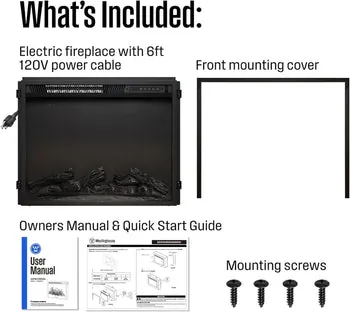
Proper care keeps your unit running safely and efficiently throughout the colder months. The following table helps you compare current habits with better maintenance practices to ensure your device lasts as long as possible.
| If you’re doing this | Do this instead | Why |
|---|---|---|
| Leaving it on all night | Set a timer for 1-2 hours | Prevents component wear and saves energy |
| Using an extension cord | Plug directly into wall | Prevents cord melting and fire risks |
| Ignoring dust buildup | Vacuum vents monthly | Improves airflow and prevents overheating |
| Using high heat constantly | Use “Eco” or low setting | Reduces strain on the internal heater |
| Pushing against furniture | Keep 3 feet of space | Allows air to circulate properly |
Frequently asked questions
Can I leave my electric fireplace on while I sleep?
No, you shouldn’t leave your electric fireplace on while sleeping or away from home. Most units include automatic shut-off timers to ensure the device turns off after a set period. Leaving high-wattage heating appliances unattended increases the risk of fire if a malfunction occurs.
Why is my fireplace making a loud clicking noise?
A loud clicking noise usually indicates that the flame effect motor is struggling or obstructed. Turn off the unit and unplug it to prevent further damage to the motor. If the area is clear and the noise persists, the internal motor assembly is likely failing and requires professional repair.
How long should an electric fireplace last?
Most electric fireplaces last between 10 and 20 years, depending on how often you use the heating element. The heating element typically wears out the fastest, especially when run on the highest setting. You can extend the unit’s lifespan by using the flame-only mode for ambiance.
Is it safe to use my fireplace if it smells like burning plastic?
No, you must turn off and unplug the unit immediately if you smell burning plastic, as this indicates an electrical short. This is a fire hazard that requires professional inspection before you use the device again. Don’t attempt to use the fireplace even if the smell dissipates.
What happens if the flame effect stops working?
If the flame effect stops working but the heater functions, the issue is typically a failed LED strip or a broken motor. This doesn’t affect the safety of the unit, but it does mean the visual component is broken. Contact the manufacturer to see if they offer replacement kits.
Can I plug my fireplace into a power strip?
No, you should never plug your fireplace into a power strip, surge protector, or extension cord. These devices are generally not rated for the high current draw of a space heater and can easily overheat, melt, or cause a fire. Always plug the fireplace directly into a dedicated wall outlet that can handle the power requirements specified in your owner’s manual to ensure safe operation.
Conclusion
If you find that your fireplace is consistently tripping the breaker, it’s likely that the circuit is overloaded. You should move the fireplace to a different outlet that’s on a separate circuit or reduce the number of other appliances running on that same line. If you’re uncertain about which outlets are on which circuits, a licensed electrician can map your home’s electrical panel and advise you on the best way to power your unit safely.
Related guides