Are your fluorescent bulbs flickering, buzzing, or just not lighting up like they used to? It can be frustrating when your lights don’t work properly, especially when you rely on them every day.
But don’t worry—most problems with fluorescent bulbs are easier to fix than you think. You’ll discover simple troubleshooting tips that can save you time and money. Keep reading to find out how to bring your fluorescent lights back to life quickly and safely.
Common Fluorescent Bulb Problems
Fluorescent bulbs are common in homes and offices. They save energy but sometimes cause problems. Knowing common issues helps fix them quickly. This saves time and money.
Below are the most frequent fluorescent bulb problems. Understanding these can make troubleshooting easier.
Flickering Lights
Flickering is a typical sign of trouble. It may mean the bulb is loose or the ballast is failing. Sometimes, temperature changes cause flickering. Check the bulb’s connections first. Tighten any loose parts. If flickering continues, the ballast might need replacement.
Bulb Won’t Turn On
A bulb that won’t light up can be frustrating. This may happen due to a bad bulb or faulty starter. Check if the bulb is properly installed. Test the starter by swapping it with a working one. If the bulb still doesn’t turn on, the ballast or wiring could be the problem.
Dim Or Dull Light
Dim lights reduce visibility and comfort. Dust or dirt on the bulb can cause dullness. Clean the bulb gently with a dry cloth. Older bulbs tend to lose brightness. Replace bulbs that look worn out. Also, faulty ballasts can cause dim lighting.
Buzzing Or Humming Noise
A buzzing sound often comes from the ballast. It may mean the ballast is old or damaged. Loose parts in the fixture can also cause noise. Tighten screws and check for loose wiring. Replacing a noisy ballast usually solves the problem.
Diagnosing The Issue
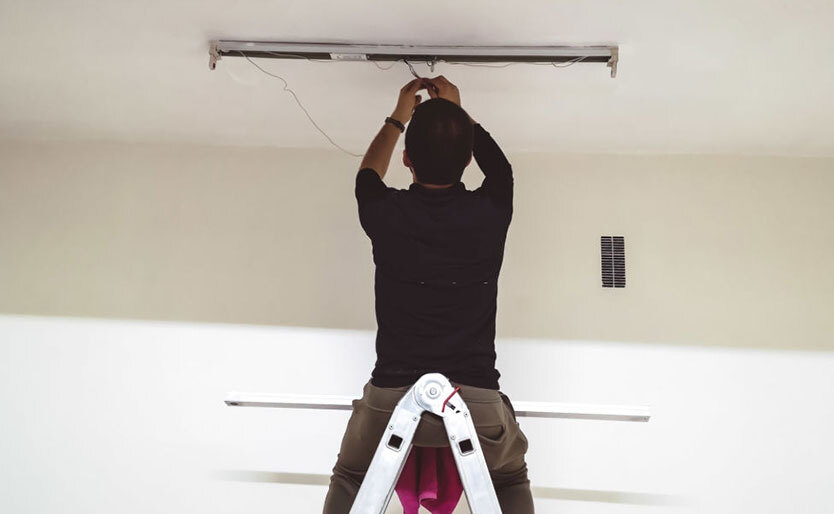
Diagnosing issues with fluorescent bulbs requires a clear, step-by-step approach. Start by checking the simplest parts and move toward the complex components. This method helps find the cause quickly and saves time. Each part plays a key role in the bulb’s function. Understanding these parts helps in fixing the problem effectively.
Check The Bulb Condition
Look at the fluorescent tube carefully. Check for dark spots or blackened ends. These signs show the bulb may be worn out. A damaged bulb often flickers or does not light at all. Replace the bulb with a new one to see if it solves the problem. This is the easiest and first step in troubleshooting.
Inspect The Starter
The starter helps the bulb light up by sending a pulse. It is a small cylindrical part near the tube. Remove the starter and shake it gently. If you hear a rattling sound, the starter is likely bad. Replace it with a new starter to check if the bulb works. Starters are cheap and simple to change.
Examine The Ballast
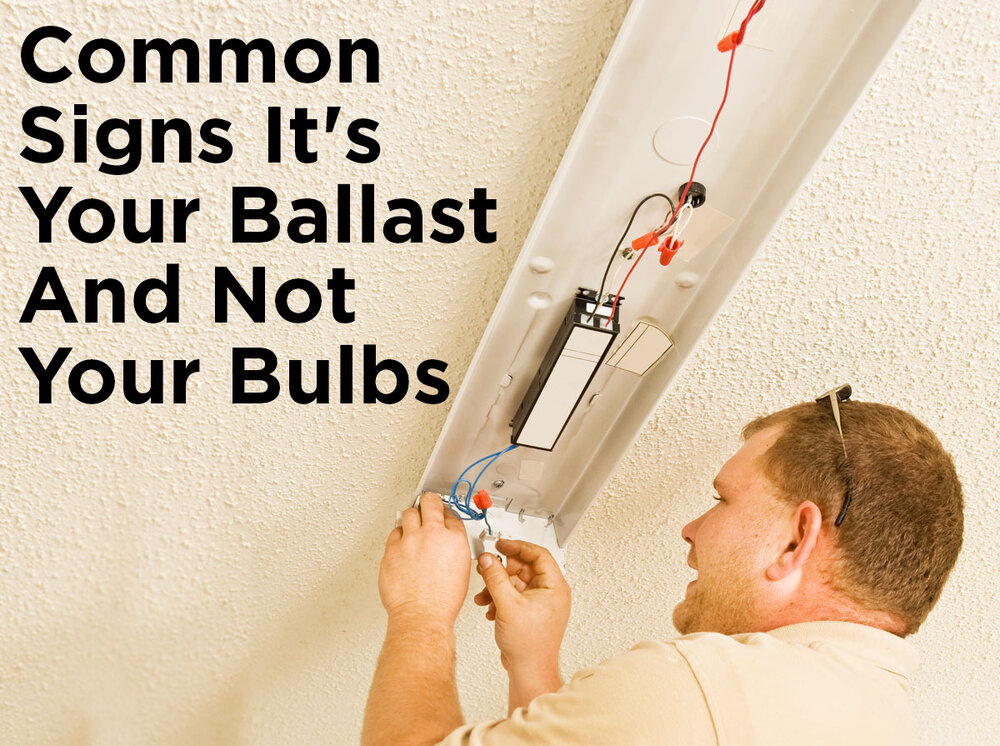
The ballast controls the current to the bulb. A faulty ballast causes flickering or no light. Look for signs of damage like burn marks or a burnt smell. Tap the ballast gently; if the light flickers, the ballast might be failing. Testing with a multimeter can confirm the issue. Replace the ballast if it is broken.
Verify Power Supply
Ensure the light fixture receives power. Check the switch and circuit breaker. Use a tester to confirm electricity flows to the fixture. Loose wiring or no power stops the bulb from lighting. Fix any wiring issues or reset the breaker. Without proper power, the bulb cannot work.
Quick Fixes For Flickering
Flickering fluorescent bulbs can be annoying and waste energy. Often, the problem has simple solutions. Quick fixes can save time and money. Try these easy steps to stop the flicker and get steady light again.
Tighten Or Replace The Bulb
Loose bulbs often cause flickering. Turn off the light first. Gently twist the bulb to make sure it is tight. If the flicker continues, try replacing the bulb. Old bulbs wear out and flicker more.
Replace The Starter
The starter helps the bulb light up. A failing starter causes flickering or no light. Find the starter near the bulb inside the fixture. Remove it and replace it with a new one. This fix is quick and cheap.
Test And Swap The Ballast
The ballast controls the bulb’s current. A bad ballast can cause flickering or buzzing. Use a tester to check the ballast. If it is faulty, replace it with the same type. This step may need a professional’s help.
Solutions For Bulbs That Don’t Light
Fluorescent bulbs sometimes fail to light. This can happen for several reasons. Knowing simple solutions can save time and effort. Start with easy fixes before calling a professional. This section offers clear steps to get your bulb working again.
Replace The Bulb
Old or damaged bulbs often stop lighting. Remove the bulb carefully from the fixture. Check for any cracks or dark spots on the glass. Replace it with a new bulb of the same type. Test the fixture to see if the new bulb works. This step solves many common problems quickly.
Check The Fixture Wiring
Loose or broken wires can prevent the bulb from lighting. Turn off the power before inspecting the fixture. Look for any disconnected or damaged wires. Tighten loose connections with a screwdriver. Replace damaged wires or parts if needed. Secure wiring ensures the bulb receives power properly.
Test The Power Source
The power source might be the problem. Use a voltage tester to check the outlet or switch. Ensure the power is turned on at the circuit breaker. Try plugging another device into the same outlet. No power means the issue is with the electrical supply. Contact a qualified electrician if needed.
Improving Dim Or Dull Lighting
Dim or dull lighting from fluorescent bulbs can make a room feel gloomy and tired. Bright, clear light improves comfort and productivity. Small fixes often bring big improvements. Focus on cleaning, replacing, or upgrading bulbs for better light quality.
Clean The Bulb And Fixture
Dust and dirt block light from shining fully. Use a soft cloth to wipe the bulb gently. Clean the fixture, especially the reflector and diffuser. This helps light spread evenly. Regular cleaning keeps light bright and clear.
Replace Old Bulbs
Fluorescent bulbs lose brightness over time. Old bulbs glow dimly and unevenly. Swap out bulbs every few years for fresh light. Check for flickering or color changes as signs to replace. New bulbs restore full brightness quickly.
Upgrade To Newer Technology
Consider switching to LED tubes or bulbs. They use less energy and last longer. LED lights provide steady, bright light without flicker. Upgrading reduces electricity bills and improves lighting quality. Modern options fit most fluorescent fixtures easily.
Fixing Buzzing Noises
Buzzing noises from fluorescent bulbs can be annoying and distracting. These sounds often signal a problem inside the light fixture. Fixing buzzing helps improve your room’s comfort. It also extends the life of your lighting system.
Secure Loose Components
Loose parts inside the fixture often cause buzzing. Check all screws and clips holding the bulb and ballast. Tighten any loose parts carefully. Vibrations create noise when components move. Securing them stops this movement. This simple step often ends buzzing quickly.
Replace The Ballast
The ballast controls the bulb’s power. An old or damaged ballast can cause buzzing sounds. Turn off the power before touching the ballast. Remove the faulty ballast and install a new one. New ballasts run more quietly and efficiently. This fix is common and effective.
Use Electronic Ballasts
Electronic ballasts make less noise than magnetic ones. They run cooler and use less energy. Installing electronic ballasts reduces buzzing significantly. They also improve bulb performance and lifespan. Consider upgrading to electronic ballasts for quiet lighting.
Preventive Maintenance Tips
Preventive maintenance helps keep fluorescent bulbs working longer and better. It stops common problems before they start. Simple steps can save time and money. These tips ensure bright, steady light and fewer repairs.
Regular Cleaning
Dust and dirt reduce light output and cause flickering. Clean bulbs and fixtures often using a soft cloth. Turn off the power before cleaning. Avoid using water or harsh chemicals. Keep bulbs dry and free of grime for clear light.
Routine Inspections
Check bulbs and fixtures regularly for signs of wear. Look for flickering, dim light, or buzzing sounds. Inspect wiring and sockets for damage or loose connections. Early detection helps fix small issues fast. It prevents total bulb failure and keeps safety high.
Timely Replacements
Replace bulbs before they burn out completely. Use the right type and wattage for your fixture. Old bulbs waste energy and cause uneven light. Change starters and ballasts if bulbs flicker or fail often. Timely swaps keep lighting reliable and efficient.

Frequently Asked Questions
Why Is My Fluorescent Bulb Flickering Constantly?
Flickering often means the bulb or ballast is failing. Check if the bulb is loose or needs replacement. Sometimes, cold temperatures cause flickering too.
How Do I Fix A Fluorescent Bulb That Won’t Start?
A bulb that won’t start may have a bad starter or ballast. Try replacing the starter first, then the ballast if needed. Ensure the bulb is properly seated.
What Causes Fluorescent Bulbs To Dim Over Time?
Dimming bulbs usually indicate aging or a weak ballast. Dust and dirt can also reduce brightness. Regular cleaning and timely replacement help maintain light quality.
Can A Bad Ballast Damage My Fluorescent Bulb?
Yes, a faulty ballast can shorten bulb life and cause flickering. It controls the current to the bulb, so problems affect performance. Replace a noisy or warm ballast promptly.
How Often Should Fluorescent Bulbs Be Replaced?
Replace bulbs every 7,000 to 15,000 hours, depending on usage. Dim or flickering bulbs need replacement sooner. Regular checks improve lighting and save energy.
Conclusion
Troubleshooting fluorescent bulbs can save time and money. Start by checking the power source and connections. Replace bulbs that flicker or fail to light up. Clean the fixtures to remove dust and dirt. Test the ballast if problems continue. Small fixes often solve common issues quickly.
Regular maintenance keeps bulbs working longer. Stay patient and follow these easy steps. Bright, steady light is possible with simple care. Keep your space well-lit without hassle or cost.