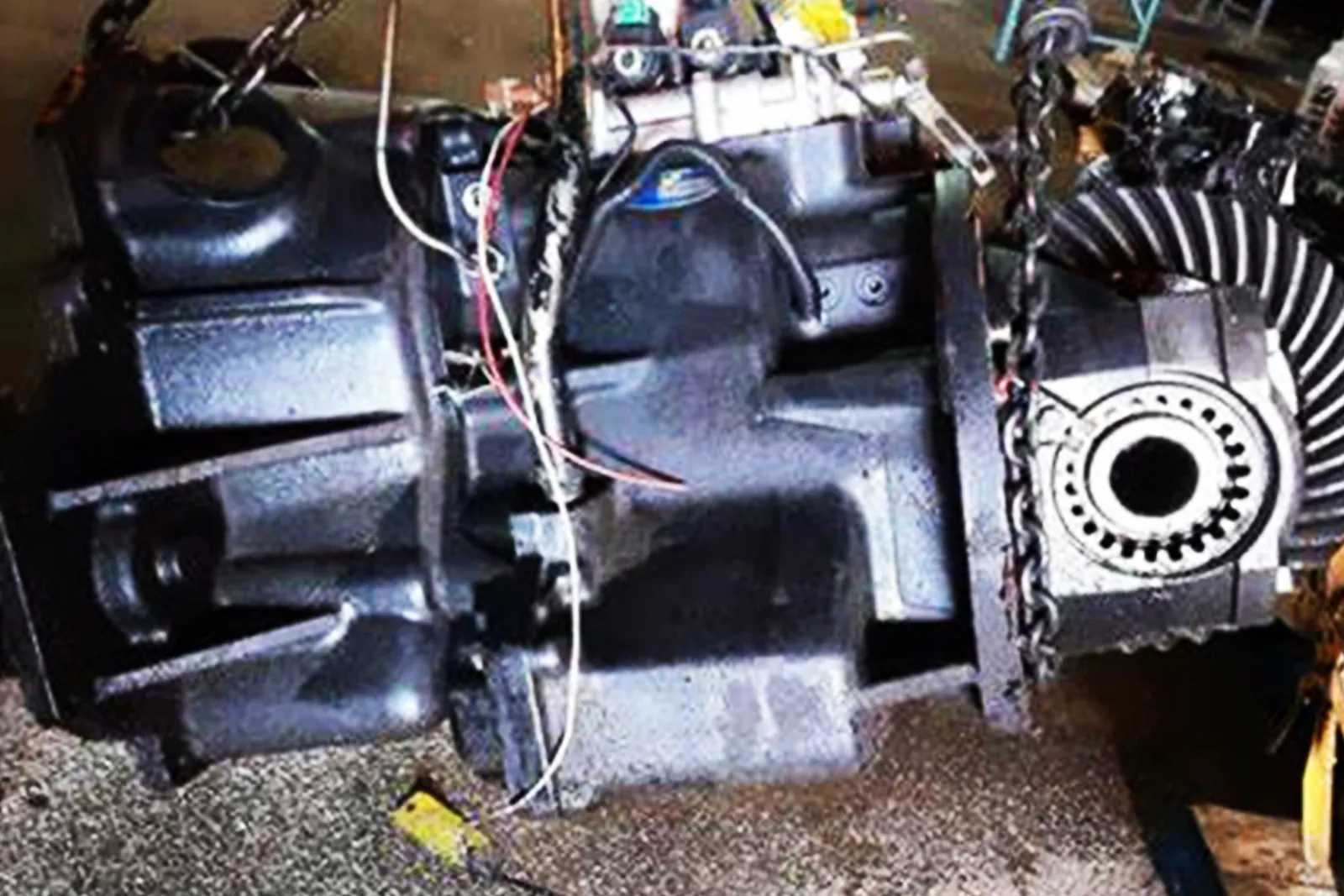
When a lift truck fails to move or exhibits erratic behavior, conducting a thorough forklift transmission troubleshooting process is the first step toward restoring operational efficiency. Transmission issues can manifest as slipping gears, overheating, loud mechanical grinding, or a complete loss of power to the drive wheels. Whether your equipment uses a power-shift or hydrostatic system, isolating the root cause early prevents minor seal leaks or fluid contamination from escalating into a total powertrain failure that requires a complete unit replacement.
Key Takeaways
- Check fluid levels and quality immediately, as dirty or low oil is the most common cause of poor performance.
- Inspect the inching pedal linkage to ensure the transmission is fully engaged when the pedal is released.
- Monitor operating temperatures, as excessive heat is a primary indicator of internal friction or cooling system blockages.
- Document specific error codes if your lift truck features an electronic control module to narrow down sensor failures.
- Schedule preventive maintenance at least every 500 to 1,000 hours to extend the lifespan of internal clutch packs.
Common Transmission Failure Symptoms
Most mechanical issues provide audible or tactile warnings before the machine stops moving entirely. Recognizing these signs early allows you to address the underlying fault before internal metal components are damaged beyond repair.
- Delayed Engagement: The engine revs, but the lift truck doesn’t move for several seconds after shifting into gear.
- Slipping Gears: The transmission loses power under load or while climbing a ramp, often indicating worn clutch discs.
- Excessive Noise: Grinding, whining, or humming sounds usually suggest worn bearings or damaged gear teeth.
- Fluid Leaks: Puddles of red or brown oil under the machine point to failed output shaft seals or cracked housing gaskets.
- Overheating: The transmission temperature warning light illuminates, often caused by a clogged cooler or restricted oil flow.
Steps for Forklift Transmission Troubleshooting
Following a structured diagnostic path ensures you don’t overlook simple external fixes while chasing complex internal problems. Use the following table to categorize the symptoms you observe during daily operation.
| Symptom Category | Likely Root Cause | Recommended Action |
|---|---|---|
| Mechanical Noise | Worn Bearings | Inspect and replace gear sets |
| Power Loss | Low Fluid Pressure | Check pump and relief valve |
| Gear Slipping | Worn Clutch Packs | Overhaul the transmission unit |
| Oil Overheating | Blocked Oil Cooler | Clean or replace radiator fins |
| No Movement | Broken Drive Axle | Inspect axle shafts and hubs |
Inspecting Hydraulic and Transmission Fluids
The transmission fluid serves as both a lubricant and a hydraulic medium for shifting gears. If the fluid is burnt, smells like sulfur, or contains metal shavings, it indicates significant internal wear. Always check the fluid when the engine is at the operating temperature specified by the manufacturer, typically after the machine has been running for at least fifteen minutes.
Warning: Never check the transmission fluid level while the engine is cold or shut off, as the fluid volume expands significantly once it reaches operational heat, leading to inaccurate readings and potential overfilling.
Fluid Contamination Signs
- Dark Brown/Black Color: Indicates thermal breakdown of the oil additives.
- Milky White Appearance: Suggests coolant has leaked into the transmission, likely from a failed heat exchanger.
- Metallic Particles: Indicates physical disintegration of gears or internal bushings.
- Burnt Odor: A strong chemical smell confirms the clutch plates have experienced severe friction heat.
Evaluating Inching Pedal Performance
The inching pedal is unique to forklifts, allowing the operator to slow the travel speed while maintaining high engine RPM for faster hydraulic lifting. If the linkage is improperly adjusted, the transmission may never fully lock into gear, leading to premature wear.
Pro Tip: If the lift truck feels sluggish or lacks torque under load, verify that the inching valve is fully retracting when the pedal is released; a sticky cable or misaligned rod can cause the transmission to constantly “slip” by keeping the clutch partially disengaged.
Electrical and Sensor Diagnostics
Modern forklifts utilize electronic control units (ECUs) to manage shifting patterns and safety interlocks. If your machine is computer-controlled, check the digital display for fault codes. Common electrical failures include faulty solenoid valves, damaged wiring harnesses, or defective speed sensors.
Electronic Troubleshooting Checklist
- Check Fuse Panels: Ensure no electrical surges have tripped the transmission control circuit.
- Clean Connectors: Corrosion on harness plugs often causes intermittent shifting issues.
- Verify Neutral Safety Switch: If the engine starts but the truck won’t move, the switch may be stuck in the “open” position.
Causes of Transmission Overheating
Heat is the primary enemy of any automatic transmission. When fluid temperatures exceed the design limit, the oil loses its lubricating properties, causing seals to harden and clutch material to glaze.
- Debris in Cooler: Dust and plastic wrap often block the air intake for the transmission oil cooler.
- Low Fluid Level: Insufficient oil volume prevents effective heat dissipation through the cooling system.
- Excessive Idling: Prolonged periods of high-RPM stationary operation without airflow can raise fluid temperatures.
- Heavy Load Cycling: Repeatedly lifting loads beyond the rated capacity puts extreme stress on the torque converter.
What is the Typical Repair Cost?
The price to fix these systems varies based on the severity of the damage and the labor rates in your region. Minor repairs, such as replacing external seals or adjusting linkages, typically cost between $450 and $1,200. If the transmission requires a full teardown and rebuild, the total expenditure usually ranges from $3,500 to $8,500, depending on the availability of OEM parts and the complexity of the specific drivetrain.
Comparing Transmission Maintenance Options
Deciding whether to repair or replace a transmission depends on the remaining service life of the forklift and the cost of downtime.
| Option | Pros | Cons |
|---|---|---|
| Component Repair | Lower upfront cost | Doesn’t address aging internal parts |
| Full Rebuild | Restores factory specifications | High labor time and cost |
| Unit Replacement | Reliability and warranty | Most expensive option |
Identifying Worn Clutch Pack Symptoms
Clutch packs are the “friction” components of the transmission. They engage and disengage to change gears or control direction. When these wear down, the friction material eventually peels away, clogging the filter and causing the transmission to lose its ability to transfer power from the engine to the wheels.
- Delayed Direction Change: The truck hesitates when switching from forward to reverse.
- Jerky Shifting: Sudden “clunking” sensations during gear transitions.
- High Engine RPM, Low Speed: The engine is working hard, but the wheels aren’t receiving the proportional power.
Preventive Maintenance Schedule
Adhering to a strict maintenance schedule is the most effective way to avoid unexpected downtime. Most manufacturers recommend a tiered approach based on usage hours rather than calendar time.
- Daily: Check fluid levels, look for leaks, and listen for unusual noises during the initial startup.
- 250 Hours: Inspect the inching pedal linkage and check for loose mounting bolts on the transmission housing.
- 500 Hours: Change the transmission fluid and filter; inspect the magnetic drain plug for metal debris.
- 1,000 Hours: Perform a pressure test on the transmission pumps to ensure they’re within specification.
Frequently Asked Questions
Why does my forklift jerk when I switch directions?
Jerking during direction changes is often caused by low transmission fluid, a faulty directional control valve, or worn clutch packs. Start by checking your fluid level and color. If the fluid is clean, the issue is likely a mechanical delay in the directional solenoid or a pressure regulation problem within the valve body that prevents smooth engagement.
How do I know if my torque converter is failing?
A failing torque converter typically causes a significant loss of power, excessive heat buildup, or a distinct “shuddering” sensation during acceleration. If the engine revs high but the lift truck moves slowly, or if you hear a clicking sound coming from the bell housing, the internal blades of the converter may be damaged or the lock-up clutch may be failing to engage.
Can I drive the forklift if the transmission light is on?
No, you should stop the vehicle immediately. The transmission warning light indicates that the system has detected abnormal temperatures, low pressure, or an electronic fault. Continuing to operate the equipment while this light is illuminated will likely result in permanent internal damage, turning a minor sensor or fluid issue into a major mechanical overhaul that requires removing the entire transmission.
How often should the transmission filter be changed?
You should change the transmission filter every 500 to 1,000 hours of operation, or whenever you perform a fluid flush. If the forklift is used in high-dust environments like paper mills or recycling centers, you may need to reduce this interval to every 250 hours to prevent the filter from becoming clogged and starving the transmission of necessary pressure.
Does the inching pedal affect transmission life?
Yes, the inching pedal significantly impacts transmission longevity. Using the inching pedal to “ride” the transmission while accelerating or using it as a brake will cause the clutch packs to slip and overheat. Always use the inching pedal only for its intended purpose: to gain high hydraulic speed while slowing travel speed. Overusing it will burn out the clutch material in a fraction of the expected time.
Conclusion
To ensure your equipment remains reliable, consult your operator’s manual to identify the exact fluid type and pressure specifications for your specific model. If simple adjustments like fluid changes and linkage lubrication don’t resolve the issue, contact a certified technician to perform a formal pressure test before the internal components sustain further damage.