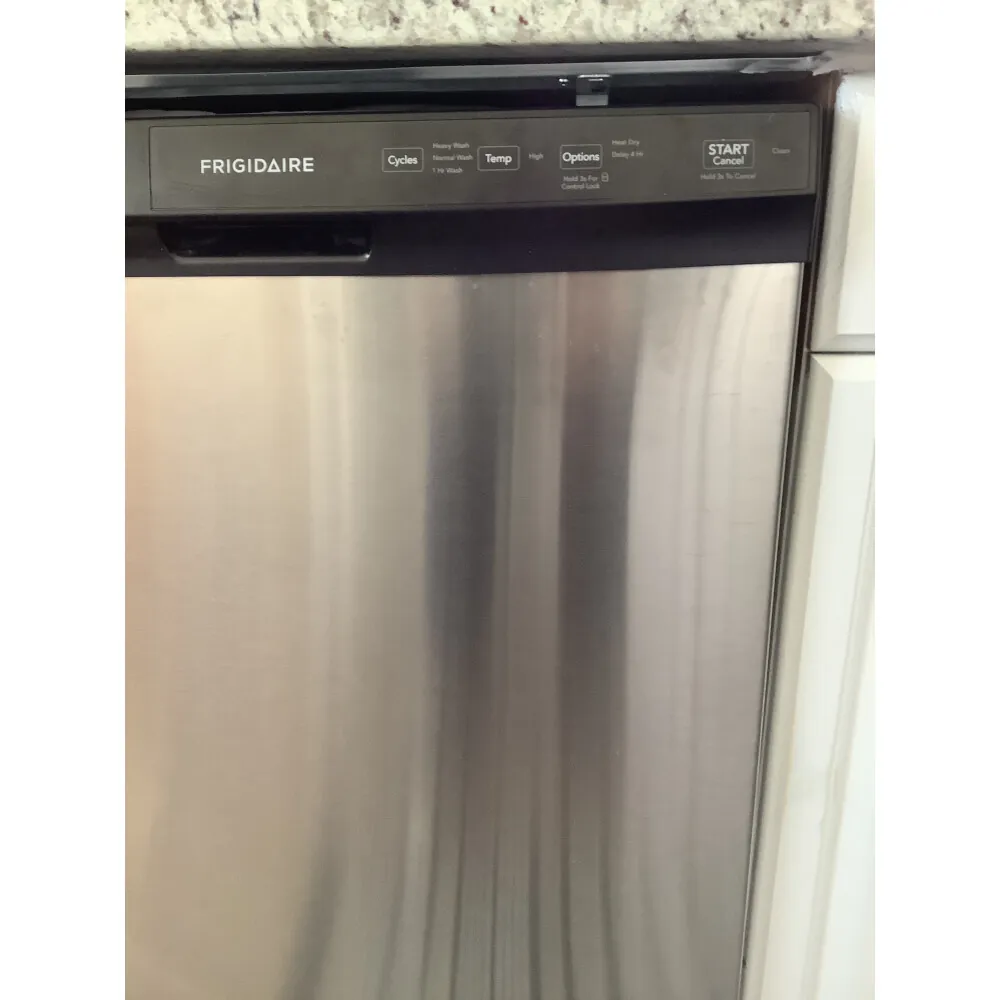
The Frigidaire FFCD2413US is a reliable, entry-level dishwasher, but like any major kitchen appliance, it can experience performance issues over time. When you’re looking for frigidaire ffcd2413us troubleshooting tips, the goal is to isolate whether the problem is mechanical, electrical, or related to your home’s plumbing setup. Most common issues, such as poor cleaning performance or drainage failures, can be resolved with basic tools and a bit of patience. If your unit requires professional repair, expect to pay between $150 and $450 for a standard service visit, depending on the complexity of the internal component failure.
Key Takeaways
- Check the air gap or garbage disposal connection first if your dishwasher fails to drain water.
- Ensure your water heater is set to at least 120°F to guarantee effective detergent activation.
- Clean the filter screen manually every month to prevent food debris from clogging the pump.
- Verify that the door latch is fully engaging, as a faulty switch will prevent the cycle from starting.
- Use a rinse aid to improve drying performance and reduce spotting on glassware.
Safety: Inside a mains-powered machine, the parts behind the outer cover can hold a dangerous electrical charge even after it has been unplugged — that’s why they sit behind a cover. Opening the housing, or testing or replacing anything behind it, is a job for a qualified technician, never a home repair.
Troubleshooting Frigidaire FFCD2413US Drainage Issues
If your dishwasher is leaving standing water at the bottom of the tub, the drainage system is likely obstructed. The most frequent cause is a clogged drain hose or a blockage in the air gap. Before calling a technician, inspect the hose for kinks or debris. If you have a garbage disposal, ensure the knockout plug was removed during the initial installation. A clogged drain hose often prevents the pump from cycling water out, leading to standing pools.
Inspecting the Filter and Sump
The filter assembly is the first line of defense against food particles. If this screen becomes coated in grease or solid waste, water flow is restricted. Remove the bottom rack, twist the filter assembly counterclockwise, and lift it out. Rinse it under hot water and use a soft brush to remove stubborn residue. A clean filter screen is essential for maintaining proper water circulation and drainage efficiency.
| Component | Inspection Frequency | Potential Failure Sign |
|---|---|---|
| Drain Hose | Every 6 months | Kinks or water backflow |
| Filter Assembly | Monthly | Standing water after cycle |
| Drain Pump | Annually | Humming noise or no drainage |
| Door Gasket | Every 12 months | Water leaking at the bottom |
Why Is My Dishwasher Not Cleaning?
When dishes come out dirty, the issue usually involves water temperature, water pressure, or detergent quality. Your dishwasher requires an inlet water temperature of at least 120°F to dissolve detergent tablets and cut through grease. If your water heater is set too low, the soap won’t activate properly, leaving a film on your plates. Additionally, ensure the spray arms aren’t blocked by tall items like baking sheets or large serving spoons, which can physically obstruct the water jets.
Spray Arm Maintenance
The spray arms contain tiny nozzles that can become clogged with mineral deposits or small food particles. If water can’t spray freely, the cleaning power drops significantly. Remove the spray arms by unscrewing the retaining nut or pulling the arm off the mounting hub. Use a thin wire or a toothpick to clear each individual hole. A clear spray nozzle ensures that water reaches every corner of the tub during the wash cycle.
Troubleshooting Electrical Start Problems
If the unit won’t start, the most likely culprit is the door switch assembly. Dishwashers are designed with a safety mechanism that prevents the motor from running if the door isn’t perfectly latched. If the latch is loose or the switch is damaged, the control board won’t receive the signal to begin the cycle. Check for any obstructions in the door frame, such as stray food debris or a damaged seal, that might be preventing the latch from fully engaging.
Control Board and Power
Verify that your circuit breaker hasn’t tripped. If the dishwasher has power but the display is unresponsive, the control board may have experienced a power surge. You can perform a hard reset by flipping the circuit breaker off for five minutes and then turning it back on. This allows the internal capacitors to discharge. If the display remains dark, the control board assembly may require a professional diagnostic test to confirm a hardware failure.
Addressing Unusual Noises
Strange noises during a cycle usually indicate a mechanical issue. A grinding or rattling sound often points to debris caught in the chopper blade or the drain pump impeller. If the noise is a high-pitched whine, the motor bearings may be failing. Conversely, a thumping sound is often caused by a spray arm hitting a dish that was loaded incorrectly. Always ensure that large dish items are positioned so they don’t interfere with the rotation of the spray arms.
| Noise Symptom | Likely Cause | Recommended Action |
|---|---|---|
| Grinding | Debris in chopper | Clean pump and chopper area |
| Humming | Failed drain pump | Replace the pump motor |
| Thumping | Spray arm obstruction | Rearrange the bottom rack |
| Clicking | Faulty door latch | Inspect and replace latch |
Troubleshooting Poor Drying Performance
The FFCD2413US utilizes a passive drying system, meaning it relies on residual heat to evaporate moisture. If dishes remain wet, you may be unloading them too quickly or failing to use a rinse aid. Rinse aid isn’t optional; it breaks the surface tension of water, allowing it to slide off dishes rather than pooling. Furthermore, ensure you aren’t overloading the racks, as restricted air flow prevents the heated moisture from escaping during the cool-down phase of the cycle.
- Always select the “Heated Dry” option.
- Ensure the rinse aid dispenser is filled.
- Open the door slightly after the cycle finishes to let steam escape.
- Avoid using plastic items, as they don’t retain heat well.
Leaking Water During Operation
Leaks are often caused by a damaged or dirty door gasket. The rubber seal around the perimeter of the door must be free of debris to create a watertight barrier. If the gasket is cracked or brittle, replace it immediately to prevent water from damaging your kitchen floor.
Another common cause of leaking is the use of excessive detergent, which creates too many suds. These suds can push through the door seal, appearing as a leak even when the door itself is functioning correctly.
Warning: Always disconnect the electrical power supply at the breaker before attempting to remove any internal components or accessing the wiring harness to prevent accidental electric shock during your repair process.
Maintaining Your Dishwasher Pump
The drain pump is a high-wear component that moves water from the tub through the drain hose. If your dishwasher makes a loud humming sound but fails to remove water, the pump impeller might be jammed. Access the pump area by removing the bottom rack and the filter assembly. Carefully inspect the impeller for bits of broken glass, plastic, or hard food remnants. A functional drain pump is critical to the longevity of your appliance and prevents water stagnation.
Pro Tip: When reassembling the filter or pump components, ensure all plastic tabs click firmly into place; a loose component can lead to vibration noises or water bypass, which will negatively impact your overall cleaning results.
Understanding Water Supply Issues
If the dishwasher doesn’t fill with water, the water inlet valve may be the problem. This valve opens to allow hot water into the tub at the start of the cycle. If the valve is stuck closed or the solenoid has failed, the unit will remain dry.
You can check for a restricted water line by disconnecting the supply line under the sink and checking for proper flow. If water flows freely from the line but not into the machine, the inlet valve likely needs a replacement.
According to the Energy Star Dishwasher Guidelines, modern machines are designed to optimize water usage, which makes maintaining the integrity of the inlet and drain systems vital for meeting these efficiency standards.
Dealing With White Residue
If you notice a cloudy white film on your glassware, you likely have “hard water” deposits. This is a common issue in areas with high mineral content. To combat this, increase the amount of rinse aid used in each cycle.
You can also run a cycle with a specialized dishwasher cleaner or a cup of white vinegar to dissolve the mineral buildup on the heating element and the interior walls. Avoid using harsh chemical cleaners that could damage the internal seals.
Related guides
- Frigidaire Dishwasher Model Ffcd2413Us4A Troubleshooting
- Frigidaire Dishwasher Troubleshooting: Quick Fixes & Expert Tips
- Frigidaire Dishwasher Troubleshoot: Quick Fix Guide
Frequently Asked Questions
How do I reset my Frigidaire dishwasher?
To reset the dishwasher, locate the circuit breaker in your home’s main electrical panel that controls the unit. Turn the breaker to the off position and leave it for approximately five to ten minutes. This allows the internal control board to fully power down and clear any temporary electronic glitches. After waiting, flip the breaker back to the on position and attempt to start a new cycle.
Why is my dishwasher smelling bad?
Odors are typically caused by food particles trapped in the filter, the drain hose, or the door gasket. Clean the filter screen thoroughly with hot, soapy water. Check the drain hose for trapped debris that may be rotting. Additionally, run a cleaning cycle using a dishwasher-safe cleaning tablet or a cup of white vinegar to eliminate bacteria and buildup from the interior basin and pump area.
Can I use regular dish soap in my dishwasher?
Never use standard liquid dish soap designed for hand washing in your dishwasher. These soaps are formulated to create high volumes of suds, which will overflow the dishwasher, leak onto your floor, and potentially damage the motor or control board. Only use detergents specifically labeled for automatic dishwashers, which are designed to be low-sudsing and effective under the high temperatures and pressures of an appliance cycle.
How often should I clean the filter?
For optimal performance, you should inspect and clean your dishwasher filter at least once every month. If you frequently wash heavily soiled dishes or don’t pre-rinse your plates, you may need to clean it more often to prevent clogs. A clean filter ensures that water circulates properly, prevents odors from developing, and helps your dishes come out cleaner while protecting the pump from damage caused by debris.
Is it normal for the dishwasher to be loud?
While dishwashers make noise during the wash and drain cycles, an excessively loud or grinding noise isn’t normal. A rattling sound often indicates that a dish or utensil is hitting the spray arm. A grinding or growling noise usually points to debris in the pump or a failing motor bearing. If the noise is significantly louder than when the unit was new, investigate the spray arms and pump area.
Why does my dishwasher leave water on the dishes?
If dishes remain wet, the heating element may not be functioning, or the rinse aid dispenser is empty. Ensure you’re using a quality rinse aid, which helps water sheet off surfaces. Additionally, check that your hot water supply is at least 120°F. Unloading the bottom rack first can also cause water from the top rack to spill onto the dry dishes below, contributing to residual moisture.
Conclusion
Regular maintenance is the most effective way to keep your Frigidaire FFCD2413US running efficiently for years to come. By keeping the filter clear, using the correct rinse aid, and ensuring the spray arms can rotate freely, you address the vast majority of common performance issues. If you have exhausted these troubleshooting steps and the machine still fails to operate, contact a certified technician to inspect the internal electrical components.