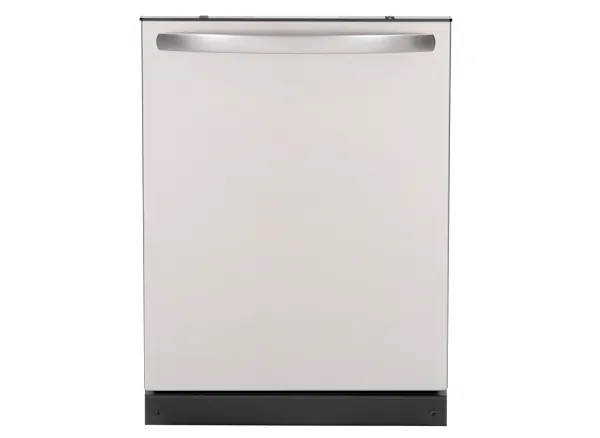
The Frigidaire FFID2426TS is a popular stainless steel built-in dishwasher known for its efficiency, but like any major appliance, it can occasionally run into operational hurdles. When you find yourself performing frigidaire ffid2426ts troubleshooting, the goal is to isolate whether the issue stems from a simple user error, a clogged component, or a mechanical failure. Most common problems, such as failure to drain or dishes remaining wet after a cycle, can be resolved with a few targeted steps without needing a professional technician.
Key Takeaways
- Always disconnect the power supply before inspecting internal components or removing the kickplate.
- Check the garbage disposal connection first, as a clogged drain hose is the most frequent cause of standing water.
- Ensure the rinse aid dispenser is filled to prevent poor drying performance during heated cycles.
- Verify that the door latch is fully engaged, as a sensor error will prevent the cycle from starting.
- Clean the filter assembly monthly to maintain water pressure and prevent food debris buildup.
Common Dishwasher Start-Up Issues
If your dishwasher fails to initiate a cycle, the control board may be detecting a safety fault. The most frequent culprit is the door interlock switch. If the door isn’t perfectly aligned or the latch is damaged, the unit will refuse to start to prevent flooding.
Inspect the latch for debris or physical breakage. Additionally, ensure the child lock feature isn’t active, as this will disable the buttons on the control panel. If the lights are flashing, the unit may be in an error state; try a hard reset by flipping the circuit breaker for sixty seconds.
Why Is Water Not Draining?
Standing water at the bottom of the tub is a classic sign of a drainage obstruction. Before assuming the pump is broken, inspect the drain hose for kinks or sharp bends. If the hose is clear, check your garbage disposal. If the dishwasher is connected to a disposal, the knockout plug inside the disposal inlet may not have been removed, or the disposal itself may be clogged with food waste.
| Component | Potential Issue | Solution |
|---|---|---|
| Drain Hose | Kinks or clogs | Straighten or clear debris |
| Drain Pump | Debris blockage | Clear pump impeller |
| Check Valve | Stuck or damaged | Replace valve assembly |
| Air Gap | Blocked vent | Clean the vent cover |
Addressing Poor Cleaning Performance
When dishes come out with spots or food residue, it’s usually a matter of water flow or chemistry. Check the spray arms for clogs; food particles can easily lodge in the small nozzles, preventing water from reaching the upper rack.
Use a toothpick to clear these openings. Furthermore, verify your water temperature. Dishwashers require water at approximately 120°F to dissolve detergent effectively. If your water heater is set too low, the soap won’t activate properly, leaving a cloudy film on your glassware.
Improving Your Drying Results
The FFID2426TS relies on a heating element and a rinse aid system to achieve dry dishes. If your items remain wet, the first step is to confirm the rinse aid dispenser is full. Rinse aid reduces the surface tension of water, allowing it to slide off the dishes rather than pooling.
If the dispenser is full and performance is still poor, check the heating element for visible damage. If the element is cracked or shows signs of burning, it won’t heat the interior air sufficiently to evaporate moisture.
Is the Control Panel Unresponsive?
An unresponsive control panel is often caused by a communication error between the interface and the main control board. If the buttons don’t register, try wiping the interface with a dry, lint-free cloth to remove grease or moisture that might be interfering with the capacitive sensors. If that fails, inspect the ribbon cable behind the console for any loose connections.
How to Clean the Filter
A dirty filter is the leading cause of poor performance and odors. The filter system typically consists of a fine mesh screen and a coarser cup. You must remove these parts manually to ensure they’re free of grease and mineral deposits.
- Remove the bottom rack to access the tub floor.
- Twist the filter assembly counter-clockwise to unlock it.
- Lift the filter out and rinse it under hot running water.
- Use a soft brush to scrub away stubborn grease.
- Reinstall by twisting clockwise until it clicks into place.
Pro Tip: Avoid using harsh chemical drain cleaners in your dishwasher, as these can damage the plastic seals and the pump housing over time.
Diagnosing Strange Noises
If the unit makes grinding or rattling sounds, it’s likely a mechanical issue. A rattling noise during the wash cycle is often a loose object, such as a silverware utensil, that has fallen into the bottom of the tub or is hitting the spray arm.
A grinding noise, however, typically indicates a worn-out drain pump motor or a piece of hard debris, such as a piece of broken glass, stuck in the pump housing. Always inspect the pump area carefully if you hear persistent grinding.
Troubleshooting Frigidaire FFID2426TS Error Codes
Frigidaire dishwashers use specific light patterns or digital codes to communicate failures. If your model displays a code, consult the official Frigidaire support documentation to identify the specific fault. Common codes often relate to temperature sensors, water level sensors, or heater circuit continuity. Knowing the exact code saves time during the diagnostic process by pointing you directly to the faulty sensor rather than forcing you to test every component in the machine.
When to Call a Professional
Sometimes, the complexity of the repair exceeds basic troubleshooting. If you have replaced the drain pump or checked the electrical connections and the unit still fails to function, the control board itself may have failed. Replacing a control board requires working with high-voltage electronics and internal wiring. If you’re uncomfortable handling electrical components, it’s safer to contact a certified service technician.
| Symptom | Difficulty Level | Potential Cost Range |
|---|---|---|
| Clogged Filter | Easy | $0 |
| Drain Pump Failure | Moderate | $85 – $250 |
| Door Latch Issue | Moderate | $45 – $120 |
| Control Board Fault | Advanced | $150 – $400 |
Frequently Asked Questions
Why does my dishwasher smell bad?
Odors are usually caused by food debris trapped in the filter or the door gasket. Clean the filter assembly monthly and wipe the rubber door seal with a damp cloth to remove mold or old food particles. Running a cycle with a bowl of white vinegar on the top rack can also help neutralize lingering smells and break down mineral buildup inside the tub.
How often should I run a cleaning cycle?
You should run a maintenance cycle using a commercial dishwasher cleaner or vinegar once every three to six months. This frequency depends on your water hardness; if you have hard water, you may need to clean it more often to prevent lime scale from affecting the heating element and the spray arm nozzles. Regular maintenance prevents long-term mineral damage.
Can I use regular dish soap?
Never use standard hand dish soap in your dishwasher. Doing so will create an excessive amount of suds that can leak out of the door, damage the floor, and potentially ruin the pump motor. Always use detergent specifically formulated for automatic dishwashers, ensuring it’s the correct type for your specific water hardness and cycle preferences to avoid damaging the unit.
Why is the water not hot enough?
What should I do if the door won’t latch?
If the door fails to latch, check for obstructions such as large plates or improperly loaded silverware handles sticking out. If the path is clear, inspect the latch mechanism for broken plastic or a loose spring. If the mechanism is physically intact but the unit doesn’t register the door as closed, the door switch sensor is likely failing and needs a replacement.
Conclusion
Maintaining your appliance through consistent cleaning and proper loading habits ensures that frigidaire ffid2426ts troubleshooting remains a rare event rather than a regular chore. By regularly inspecting the filter, monitoring the drain hose for obstructions, and using the correct detergent, you can significantly extend the lifespan of your machine.
When minor issues arise, start with the simplest solutions—like checking the door latch or clearing the spray arms—before moving to more complex mechanical inspections. If you continue to experience persistent issues or error codes that don’t clear after a reset, consult the manufacturer’s service manual for specific part numbers or contact a professional repair service to avoid further damage to the electrical system.