When your kitchen appliance stops working, the immediate stress of preparing meals can feel overwhelming, but performing your own frigidaire induction cooktop troubleshooting is often the fastest way to restore functionality. Whether the unit is failing to heat, displaying cryptic error codes, or simply refusing to turn on, most issues stem from basic power, cookware compatibility, or sensor calibration problems. Understanding how these electromagnetic surfaces interact with your pots and pans is the first step toward a quick resolution.
Key Takeaways
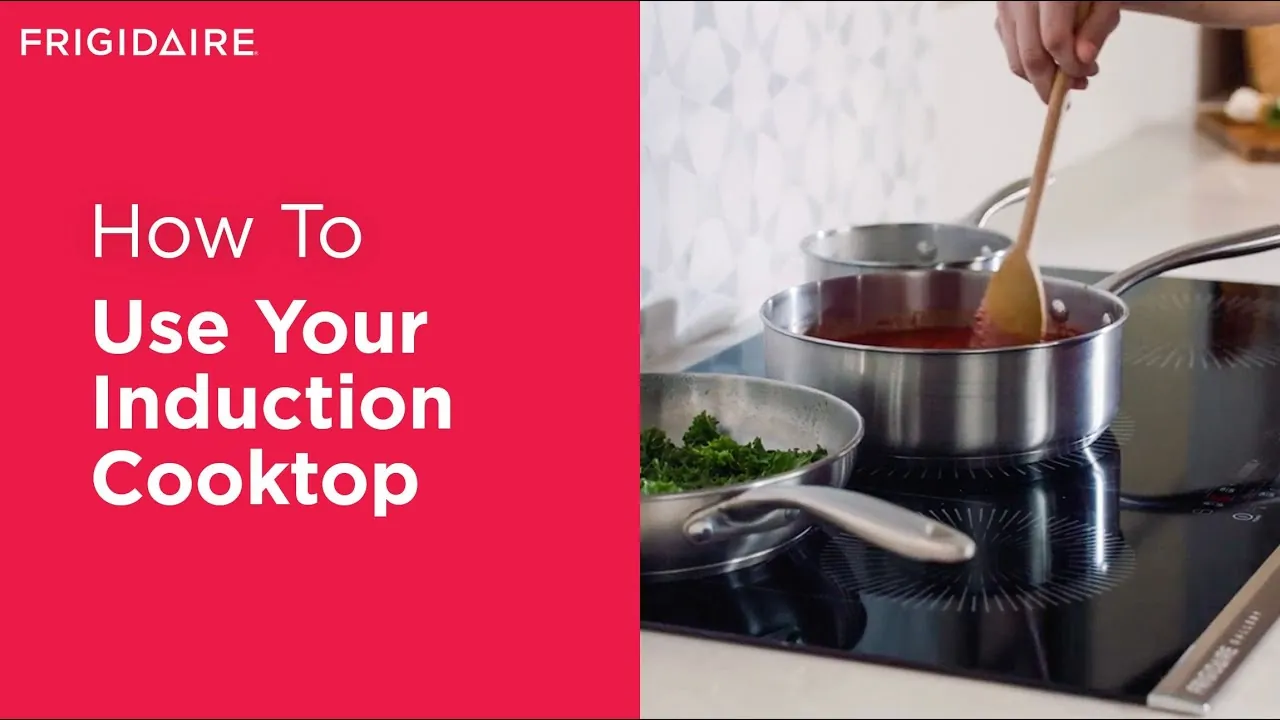
- Check your circuit breaker first, as induction units require a dedicated, high-voltage power supply.
- Verify your cookware is induction-compatible by performing a simple magnet test on the bottom of the pan.
- Clear the cooktop surface of spills, moisture, or metal utensils that may trigger safety sensors.
- Reset the control board by disconnecting power for sixty seconds to clear temporary software glitches.
- Consult the official Frigidaire appliance support documentation to identify specific error codes displayed on your digital interface.
Safety: Inside a mains-powered machine, the parts behind the outer cover can hold a dangerous electrical charge even after it has been unplugged — that’s why they sit behind a cover. Opening the housing, or testing or replacing anything behind it, is a job for a qualified technician, never a home repair.
Is My Cookware Actually Compatible?
Induction technology relies entirely on electromagnetic fields to generate heat directly within the metal of your cookware. If your pan doesn’t have a high iron content, the cooktop won’t detect it, often resulting in a flashing light or an “E” error code.
The Magnet Test
To determine if your current set is suitable, place a standard refrigerator magnet on the bottom of the pan. If the magnet sticks firmly, the pan is induction-ready. If it slips or fails to attach, the cooktop won’t recognize the vessel.
| Cookware Material | Induction Compatible | Why It Works |
|---|---|---|
| Cast Iron | Yes | High iron content creates resistance |
| Stainless Steel | Yes (Most) | Requires a magnetic steel core |
| Aluminum | No | Lacks magnetic properties |
| Copper | No | Non-ferrous metal properties |
| Ceramic/Glass | No | Insulative material blocks current |
Why Is The Cooktop Not Heating?
If your unit is powered and the cookware is compatible, but the burner still refuses to heat, you may have triggered a safety lockout or a thermal protection mode. Induction cooktops are designed to shut down if they detect overheating or if the pan isn’t properly centered on the element.
- Surface Obstructions: Wipe the glass surface with a damp cloth to remove grease or debris.
- Pan Alignment: Ensure the center of the pan aligns directly with the marked circle on the glass.
- Thermal Shutdown: If you were boiling water for an extended period, the internal components might be too hot; let the unit cool for twenty minutes.
- Control Lock: Check if the “Lock” icon is illuminated, which prevents accidental operation.
How To Reset The Electronics
Modern appliances use complex control boards that occasionally experience software freezes. A hard power reset is often the most effective way to clear a persistent error code or a non-responsive touch panel. Locate the circuit breaker in your home electrical panel that controls the kitchen range and switch it to the “Off” position. Leave it off for at least one full minute before flipping it back to “On.” This forced reboot often restores normal operation.
Troubleshooting Frigidaire Induction Cooktop Error Codes
Frigidaire displays specific codes to help you isolate the problem. These codes usually relate to communication errors between the touch interface and the induction coils beneath the glass.
- E1 or E2: Usually indicates a communication failure between the control board and the user interface.
- E3: Suggests an overheating sensor has been triggered; ensure the ventilation slots under the unit aren’t blocked.
- E4 or E5: Indicates a voltage issue, often caused by a loose connection at the terminal block or an unstable power supply.
- E6: Means the unit has detected a hardware failure on the induction generator board.
Checking The Power Supply
Induction cooktops are heavy-duty appliances that require a stable 240-volt connection. If you experience intermittent power, a flickering display, or burners that shut off randomly, you should inspect the terminal block connections.
Warning: Always shut off the main power at the circuit breaker before opening any panels or inspecting electrical connections to prevent accidental shock.
If the internal wires appear charred or loose, you may need a technician to replace the terminal block or the power cord. If the house wiring itself is faulty, a licensed electrician must perform the necessary repairs to ensure your home meets safety standards.
Dealing With Sensitive Touch Controls
The touch-sensitive glass interface on your cooktop is calibrated to detect the capacitance of human skin. If you have wet hands, a damp cleaning cloth, or even a heavy layer of grease on the surface, the sensors may become confused or unresponsive. Always keep the control area dry and clean. If the surface is clean and the buttons still don’t respond, perform the power reset described earlier to recalibrate the touch interface.
Ventilation And Airflow Issues
Induction units generate significant heat beneath the glass during operation. To protect internal components, they utilize internal cooling fans. If these fans can’t move air effectively, the cooktop will enter a protection mode and shut down. Ensure that the cabinet space beneath your cooktop isn’t being used to store pots, pans, or cleaning supplies that could block the ventilation intake.
When To Call A Professional
While many issues can be resolved at home, some failures require specialized parts or internal diagnostics that are beyond the scope of a standard repair.
| Symptom | Likely Cause | Recommended Action |
|---|---|---|
| Glass surface cracked | Physical impact | Replace glass/contact service |
| Clicking sounds under glass | Relay failure | Call authorized technician |
| Burner never detects pan | Coil sensor defect | Replace induction module |
| No display/lights at all | Blown control fuse | Replace board or fuse |
Maintenance Tips For Longevity
To prevent future troubleshooting, adhere to a regular maintenance schedule. Daily cleaning with a non-abrasive cooktop cleaner prevents the build-up of carbonized food, which can interfere with sensors. Never use cast iron pans that have a rough, unpolished bottom, as these can scratch the glass surface, leading to potential moisture ingress. By keeping the surface smooth and the ventilation paths clear, you significantly reduce the likelihood of sensor-related failures.
Related guides
- Ge Profile Induction Cooktop Troubleshooting: Quick Fixes
- Frigidaire Refrigerator Troubleshooting Codes: Quick Fixes
- Frigidaire Dishwasher Troubleshooting Codes: Quick Fixes
Frequently Asked Questions
Can I use aluminum pans on induction?
Standard aluminum pans aren’t magnetic and won’t work on induction cooktops. However, many modern aluminum pans are manufactured with a magnetic stainless-steel base specifically designed for induction use. Always check the bottom of your cookware for an “induction-ready” symbol or test it with a magnet. If the magnet doesn’t stick, the cooktop won’t generate heat.
Why does my cooktop make a humming noise?
It’s normal for induction cooktops to produce a low-level humming, buzzing, or clicking sound during operation. This is caused by the electromagnetic vibration of the cookware itself, especially at high power settings or when using pans with multiple layers of metal. If the sound is unusually loud or sounds like grinding, it may indicate a loose component or a failing cooling fan.
How do I unlock my Frigidaire cooktop?
Most models feature a dedicated “Lock” or “Control Lock” button. To unlock the interface, press and hold this button for three to five seconds. A light should turn off, indicating that the controls are once again active. If the lock doesn’t disengage, perform a hard power reset by turning off the circuit breaker for one minute to clear the digital command.
Will a power surge damage my cooktop?
Yes, induction cooktops are highly sensitive to voltage fluctuations because they contain sophisticated electronic control boards. A significant power surge can blow internal fuses or damage the main power board. If you live in an area prone to frequent electrical storms or unstable power, consider installing a whole-home surge protector to safeguard your sensitive kitchen appliances from unexpected electrical damage.
Should I clean the cooktop while it’s hot?
You should wait for the cooktop to cool down before performing a deep clean. While the glass itself is heat-resistant, cleaning agents can evaporate too quickly on a hot surface, leaving streaks or residue that are difficult to remove. Use a dedicated induction cleaner and a soft microfiber cloth to wipe the surface only after the “Hot Surface” indicator light has turned off.
Conclusion
Addressing these technical challenges requires a methodical approach, starting with the simplest solutions like power cycling and cookware verification before assuming a hardware failure. If your unit remains non-functional after following these troubleshooting steps, check your warranty documentation to see if a professional repair is covered. Your next step should be to locate your model number on the underside of the unit and search the official manufacturer website for a specific wiring diagram or service manual.