The quickest way to start furnace inducer motor troubleshooting is to listen for a hum without the fan spinning, which usually means the part is stuck or failing. If the motor doesn’t start when your thermostat calls for heat, the system won’t ignite because the safety sensor doesn’t detect the required airflow. This is a common failure point in modern forced-air systems. You should first confirm the thermostat is set to “heat” and that your furnace power switch is in the “on” position.
Troubleshooting a failing inducer motor
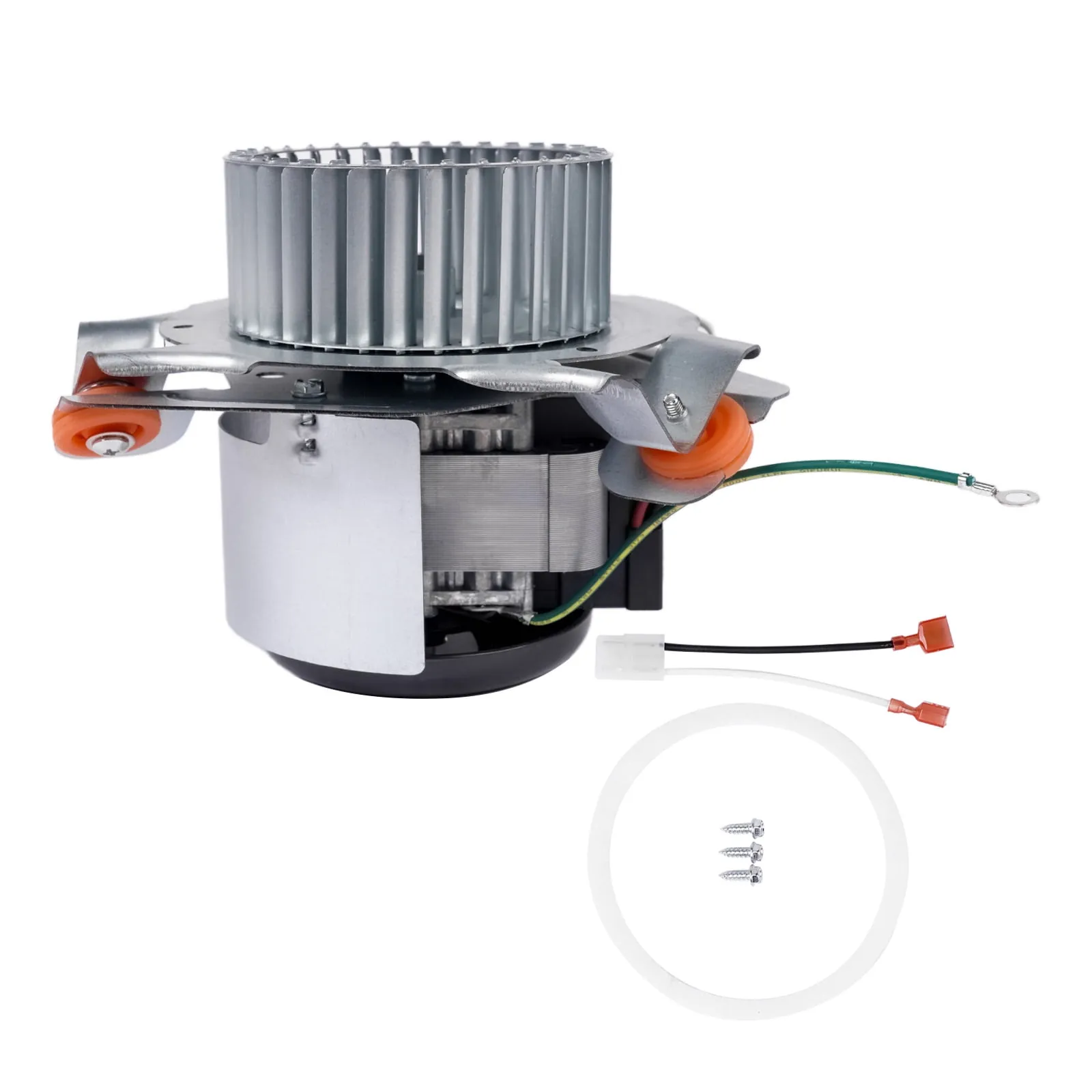
The main reason for failure is often a buildup of debris or dust inside the housing, which causes the internal bearings to seize. Over years of operation, the motor shaft can become stiff, preventing it from spinning freely even when it receives power. If the motor is blocked, it will hum loudly as it tries to turn, but the physical resistance keeps it from reaching the necessary speed to trigger the pressure switch.
Another frequent cause involves the pressure switch itself. This safety device monitors the vacuum created by the inducer motor. If the tubes connected to the switch are cracked, blocked with condensation, or clogged with dirt, the furnace control board won’t receive the signal that the motor is running. The system then enters a lockout mode to prevent gas from entering the burners without proper ventilation.
Finally, internal electrical components can wear out over time. If the motor makes no sound at all, the issue may be a blown fuse on the control board or a faulty relay. You should check the furnace status light, often visible through a small glass window on the blower door.
According to the Department of Energy, keeping your blower and motor area clean is essential to prevent these mechanical failures and ensure efficient airflow. If the light is flashing a specific code, consult the label on the inside of your furnace door for the exact meaning of that sequence.
Clear debris from the venting
This fix is for anyone who hears the motor hum but sees no movement in the fan wheel. Turn off the power to the furnace at the main breaker before doing anything else. Once the power is off, inspect the exhaust pipe leading out of the furnace for any bird nests, leaves, or obstructions.
If the pipe is clear, look for the small plastic tubes running from the inducer motor to the pressure switch. Pull them off gently and check for water droplets or dirt inside. If you find water, blow through the tubes to ensure they’re clear, then reattach them firmly. If the motor starts after you clear these lines, the issue was likely a false “blocked vent” reading.
Note that this process involves working near internal wires and delicate sensors. If you see any charred wires, loose connections, or smell burning plastic, don’t attempt further repairs. This is a sign of an electrical short that requires a professional HVAC technician to fix safely. A mistake people make is trying to force the fan wheel with a screwdriver while the power is on, which can break the plastic blades or cause a serious electric shock.
Inspect the furnace door switch
This fix is for when the furnace appears completely dead. Most furnaces have a safety interlock switch on the blower door that cuts all power when the door is removed. If the door isn’t perfectly aligned, the switch won’t depress, and the motor will never receive a signal to start.
Remove the blower door and inspect the metal tab or button that the door usually hits. Make sure the area is clean and that the switch moves freely when you press it by hand. Sometimes, the door itself can become bent or warped, failing to push the button in far enough to complete the circuit. If you find the door is loose, try to realign it or check if the hinges are damaged.
If you have to hold the door in place for the furnace to start, you have identified a mechanical alignment problem. You can usually fix this by tightening the screws on the door frame or adjusting the strike plate. If the switch itself feels loose or appears cracked, it needs a replacement. Never bypass this switch by taping it down, as it’s a vital safety feature that prevents the furnace from running while the cabinet is open.
When to call a professional
This fix is for when you have checked the power, the vent, and the door switch, but the motor still refuses to run. If you have confirmed the motor is receiving voltage but it remains silent or stuck, the internal windings have likely failed. At this point, the motor requires a full replacement, which is a job for a licensed HVAC technician.
Professional repair is necessary because replacing an inducer motor requires removing the assembly from the heat exchanger and ensuring a gas-tight seal upon reinstallation. A poor seal can lead to carbon monoxide leaking into your home, which is a severe health risk. If you aren’t comfortable working with gas appliances, call a professional immediately.
The cost of this repair varies based on your specific furnace model and the labor rates in your area. You can identify the correct replacement part by looking for the model number on the sticker attached to the motor housing. Before you pay for a new part, ask the technician to verify the control board is sending the correct voltage to the motor. If the board is the issue, replacing the motor won’t fix your problem.
Common mistakes to avoid
Bypassing the safety switch: Never tape down the door switch. This removes a primary safety barrier against moving parts and high-voltage electricity. If you bypass this, you lose the automatic kill-switch that prevents accidental electrocution during routine maintenance.
Forcing the fan wheel: Don’t push the fan blades with tools. They’re often made of brittle plastic that snaps under pressure. A single broken blade creates an imbalance that destroys the motor bearings, turning a simple cleaning job into an expensive repair.
Ignoring error codes: Don’t reset the furnace repeatedly without checking the status light. If the light flashes a specific sequence, the board is trying to tell you why it stopped. Ignoring this can cause the system to lock out permanently, requiring a professional to clear the memory.
Using generic parts: Avoid “universal” motors that don’t match your exact specifications. They rarely provide the correct airflow, which leads to overheating. If the heat exchanger cracks from this stress, you face a total system replacement.
Preventing future inducer failures
The most important step is regular cleaning of the intake and exhaust vents to keep airflow consistent. If you’re doing this, ensure you aren’t using harsh chemicals that could corrode the metal components inside the furnace.
| If you’re doing this | Do this instead | Why |
|---|---|---|
| Changing filters rarely | Change every 90 days | Keeps dust out of the motor |
| Ignoring unusual noises | Check the motor right away | Prevents the bearing from seizing |
| Leaving vents blocked | Clear 3 feet of space | Allows the motor to spin freely |
| Using high-MERV filters | Use standard pleated filters | Prevents the motor from overworking |
Frequently asked questions
Can I fix a stuck furnace inducer motor myself?
You can only clear minor debris from the vent tubes or align the door switch yourself. Motor replacement involves dangerous gas connections and ventilation seals that require professional expertise. If the motor doesn’t spin after checking the tubes and power, call a certified HVAC technician to handle the replacement safely.
How long does a furnace inducer motor last?
An inducer motor typically lasts between 10 and 15 years, depending on your climate and air filter maintenance. Dust buildup in the bearings can cause the motor to fail sooner. If your furnace is over 15 years old, consider having a professional perform a full safety inspection during your next tune-up.
Is it safe to leave the furnace on if the motor hums?
Turn off the furnace immediately if the motor hums but doesn’t spin. A failed motor prevents the furnace from exhausting dangerous gases, which can trigger safety lockouts or incomplete combustion. Shut off the power at the breaker until you have identified and fixed the cause.
What happens if the pressure switch doesn’t close?
If the pressure switch doesn’t close, the control board prevents the gas valve from opening, so your burners won’t light. This safety measure ensures the exhaust path is clear before gas is introduced. The furnace will usually flash an error code on the control board to indicate this issue.
How much does it cost to replace an inducer motor?
Replacement motor costs vary based on your furnace model and whether you perform the labor yourself or hire a professional. Hiring a technician includes the part, diagnostic fee, and installation labor. Always ask for a written quote that includes the part number to ensure you get the correct component.
Why does my furnace inducer motor run constantly?
If the motor runs without stopping, the thermostat may be set to “on” or the control board has a stuck relay. Check your thermostat settings first to ensure the fan is set to “auto.” If the motor continues to run while the thermostat is “off,” call a professional to inspect the board.
Conclusion
Properly maintaining your furnace inducer motor ensures that your heating system remains both reliable and safe during the coldest months of the year. By keeping the intake clear and monitoring the system for unusual noises, you can prevent most common failures before they become expensive repairs. Always prioritize your safety by leaving complex electrical and gas-related work to qualified professionals.