If your furnace won’t start, you may need to perform furnace pressure switch troubleshooting to clear a blocked vent or a faulty sensor. The most common cause is a simple blockage in the small plastic tube that connects the switch to the blower housing, which prevents the switch from sensing the necessary air pressure. If you’re comfortable checking basic connections, you can often fix this without calling a technician. Always ensure the thermostat is set to “off” before you inspect any part of your heating equipment.
Troubleshooting a furnace pressure switch failure
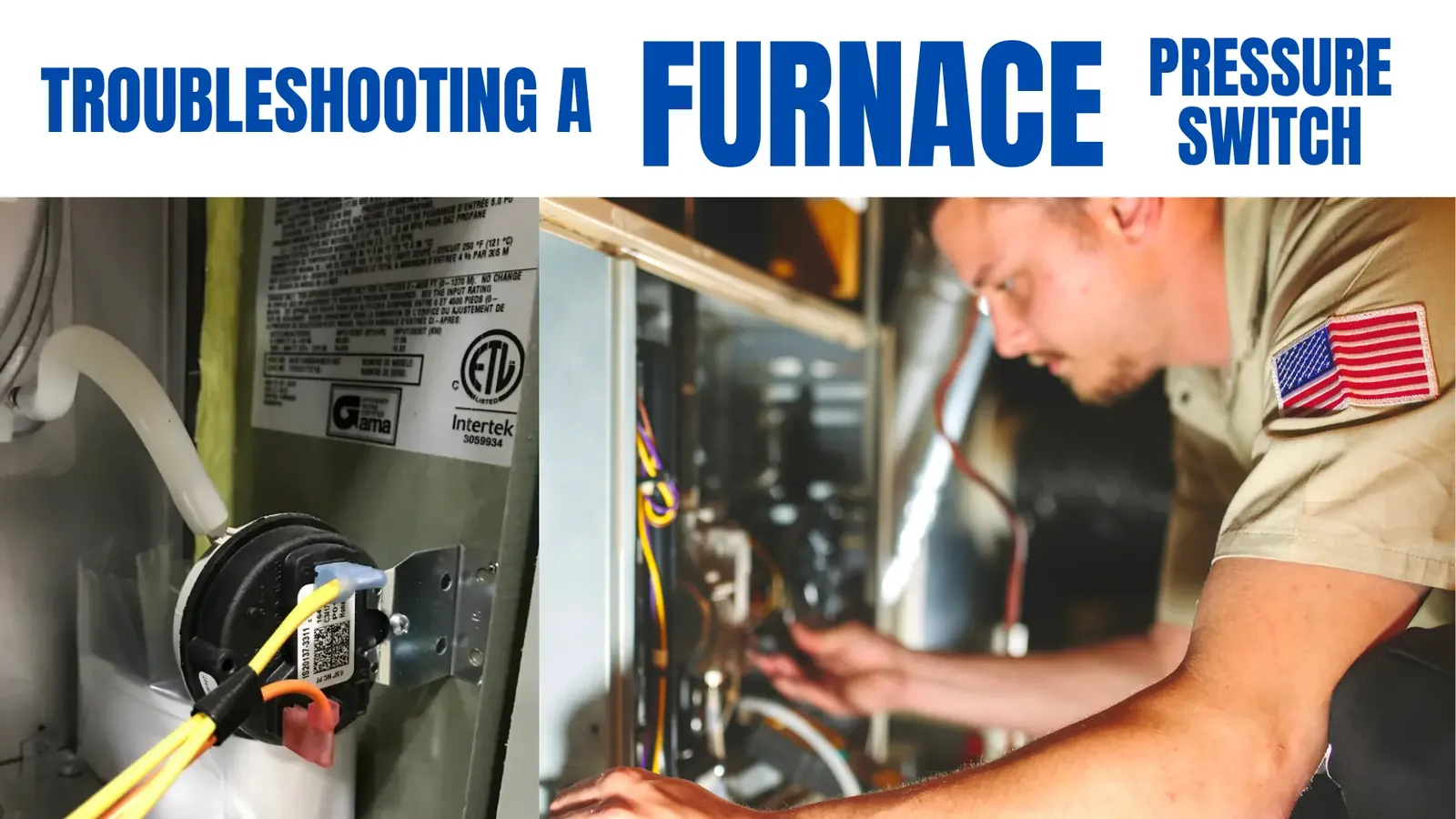
The pressure switch acts as a safety device that confirms the inducer motor is moving enough air to safely vent combustion gases outside. If the switch doesn’t detect this pressure, it prevents the furnace from igniting to avoid a dangerous buildup of carbon monoxide inside your home. This is a critical safety mechanism required by most modern building codes to protect occupants from toxic fumes.
The most frequent reason for a failure is debris or condensation inside the narrow sensing tube. Over time, dust, spider webs, or water droplets can block the flow of air. When this happens, the switch stays in its open position even though the motor is running. This creates a feedback loop where the control board detects the lack of pressure and cuts power to the burners as a precaution.
Another common cause is a failing inducer motor or a blocked external vent pipe. If the motor is old, it might not spin fast enough to create the required pressure.
If the outdoor exhaust pipe is clogged by ice, leaves, or a bird’s nest, the air can’t move, and the switch will correctly identify the restricted flow. You can find more information on preventing carbon monoxide buildup from equipment issues through the U.S. Environmental Protection Agency guide on indoor air quality.
Safety: Inside a mains-powered machine, the parts behind the outer cover can hold a dangerous electrical charge even after it has been unplugged — that’s why they sit behind a cover. Opening the housing, or testing or replacing anything behind it, is a job for a qualified technician, never a home repair.
Clear the sensing tubes
If you suspect a blockage, start by locating the thin rubber or plastic tube that runs from the pressure switch to the furnace inducer housing. Turn off the power to your furnace at the main breaker or the service switch before touching any components. Gently pull the tube off at both ends. Inspect the tube for water, dirt, or cracks. If you find water, blow through the tube to clear it or replace it if it’s brittle or cracked.
Check the small metal or plastic ports where the tube connects. Use a thin, soft wire or a pipe cleaner to ensure these ports aren’t clogged with debris. Don’t force anything sharp into the ports, as you might damage the internal diaphragm of the switch. Once clear, reattach the tube securely. If the tube was loose, it might have been leaking pressure, causing the switch to fail.
This fix is intended for homeowners who can safely access the furnace cabinet. If the tube is clear but the furnace still doesn’t fire, the switch itself may have failed internally. The diaphragm inside can wear out after years of use.
If you see signs of rust or physical damage on the housing, the switch needs to be replaced. Only a qualified HVAC technician should perform electrical testing or replace the pressure switch, as incorrect wiring can bypass vital safety limits.
Inspect the venting system
If the sensing tube is clear, the problem may be an actual restriction in the airflow through the furnace venting system. Go outside and check the exhaust pipe for any physical blockages. Common culprits include snow buildup, bird nests, or leaves that have fallen into the pipe. If you find a blockage, clear it away carefully. Ensure the vent pipe isn’t sagging or disconnected, as this can also prevent proper pressure from building up.
For high-efficiency furnaces that use PVC piping, check that the joints are sealed and not leaking. A leak in the intake or exhaust pipe can confuse the pressure switch. If the vent pipe is long or has many turns, it might be undersized for the unit, causing the switch to trigger frequently. This often happens if a new furnace was installed without upgrading the existing vent lines.
If you find no external obstructions, the inducer motor itself might be the issue. Listen for unusual grinding or whining noises when the furnace tries to start. If the motor sounds sluggish, it can’t move enough air to satisfy the pressure switch. This is a mechanical failure that requires a professional. Never attempt to open the motor housing or perform repairs on the electrical components inside the furnace control panel.
Verify electrical connections
Loose or corroded wiring can prevent the switch from communicating with the furnace control board. With the power off, check the two small wires connected to the terminals on the pressure switch. Ensure the spade connectors are tight and free of green or white corrosion. If a wire is loose, gently crimp the connector with pliers to ensure a firm fit.
If the wires look damaged or the insulation is melted, don’t try to repair them yourself. Melted insulation is a sign of an electrical short that could cause a fire. In this case, you must stop all troubleshooting and call a professional technician. They have the tools to test the circuit safely and replace the wiring harness according to the manufacturer’s specifications.
This step is for those who are comfortable handling simple, low-voltage connections. If you have any doubt about the state of the wires, leave them alone. A mistake here could cause the control board to fail, which is a much more expensive repair than a simple switch replacement. If the connections are clean and tight but the error persists, the fault is likely internal to the switch or the main circuit board.
What to avoid during troubleshooting
- Never bypass the switch: Jumping the wires to “trick” the furnace into running is extremely dangerous and can lead to carbon monoxide poisoning.
- Don’t attempt to test the part yourself: A technician confirms whether the part has failed.
- Avoid forcing the switch: Pushing on the diaphragm or housing can break the internal mechanism, making a minor issue impossible to repair.
- Don’t ignore grinding noises: If the inducer motor is loud, the pressure switch is likely doing its job by stopping the furnace, so the motor is the real problem.
- Never clean with chemicals: Using harsh cleaners or solvents on the plastic tubes can cause them to melt or crack, creating new vacuum leaks.
Prevent future pressure issues
Regular maintenance keeps your furnace running smoothly throughout the winter. The most important step is to change your air filter every 1 to 3 months, depending on your household size. A dirty filter restricts airflow, which can affect the entire system’s pressure balance. Use the table below to compare common issues with proper maintenance habits.
| If you’re doing this | Do this instead | Why |
|---|---|---|
| Ignoring strange noises | Call a professional | It prevents total motor failure |
| Using old, clogged filters | Use high-quality replacements | It improves overall system airflow |
| Leaving vents obstructed | Clear 3 feet of space | It ensures proper heat exchange |
| Forcing the furnace to start | Inspect the vent pipe | It avoids carbon monoxide risks |
Frequently Asked Questions
How do I know if my pressure switch is bad?
You can identify a bad switch if the inducer motor runs continuously but the burners never ignite. The control board detects a stuck switch as a safety fault and locks out the system. If the switch shows physical damage or heavy corrosion, it requires replacement.
Can I clean the pressure switch with water?
No, you should never put water inside the pressure switch. The switch contains a delicate internal diaphragm and electrical contacts that are permanently ruined by moisture. If water enters the switch, it’s likely damaged beyond repair and must be replaced.
How much does a pressure switch replacement cost?
The cost varies based on your furnace model and local labor rates. While the part is generally affordable, a technician charges for the expertise required to ensure the new switch is correctly installed. Always obtain a quote from a licensed professional before starting repairs.
Is it safe to run the furnace with a faulty switch?
No, it isn’t safe to operate a furnace with a faulty pressure switch. This component prevents operation if combustion gases can’t be safely vented outside. Bypassing the switch risks filling your home with carbon monoxide, a silent and invisible danger.
How long does a pressure switch last?
Environmental factors like humidity or dust can cause the internal diaphragm to wear out sooner. If your furnace is older, have a technician check the switch.
What happens if I ignore a pressure switch error?
If you ignore the error, the furnace will continue to shut down or fail to ignite. This leaves you without heat, which can lead to frozen pipes during cold weather. Addressing the issue early prevents secondary failures and ensures your home stays warm.
Is there a reset button on the pressure switch?
No, there’s no manual reset button on a standard furnace pressure switch. The switch resets automatically once the pressure conditions inside the vent system are satisfied. If the furnace remains locked out, the system still detects an unsafe condition or mechanical failure.
Conclusion
If your system still won’t ignite after you’ve cleared the tubing, there might be a deeper electrical issue or a failing inducer motor. Don’t hesitate to contact a professional if you’re feeling unsure. They’ll have the right tools to get your home warm again before the next cold snap hits.