To restore heat, you should check your power supply and thermostat settings, but leave all internal electrical work to a professional who can confirm whether a part has failed.
Troubleshooting why your furnace stops heating
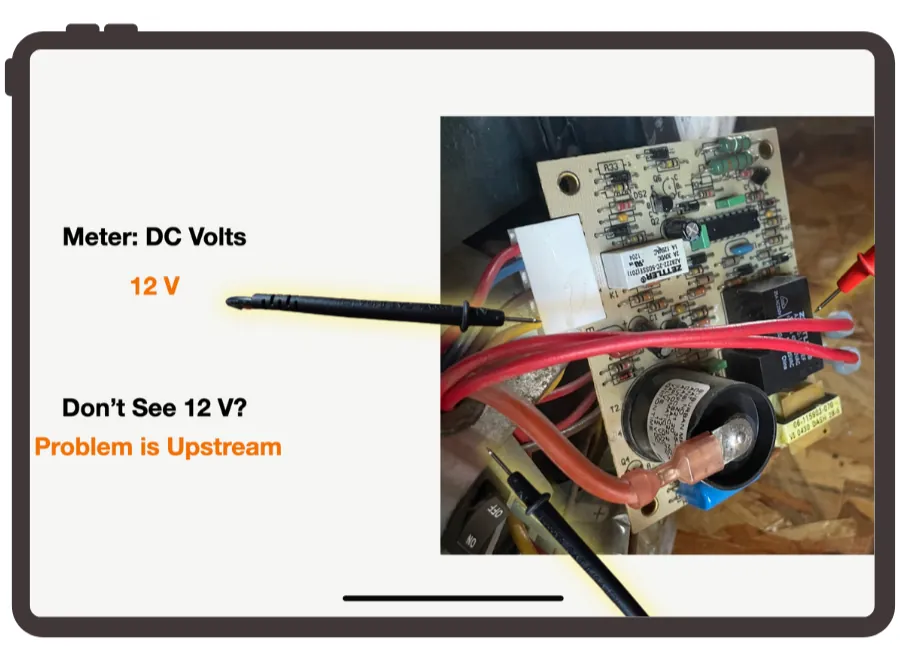
Furnaces often stop working because of simple safety mechanisms designed to prevent fires or equipment damage. When a component fails or a condition isn’t met, the control board cuts power to the burner to keep your home safe. This isn’t a failure of the machine, but a sign that a specific safety threshold has been reached.
The most common cause is a lack of airflow, which makes the heat exchanger overheat. If the filter is clogged, the high-limit switch shuts the system down to prevent the metal from warping or cracking. Another frequent cause is an electrical fault, such as a tripped breaker or a loose wire at the thermostat connection. These external issues prevent the ignition sequence from starting, leaving your house cold despite the thermostat calling for heat.
Finally, you may have a fuel supply issue. If you have a gas furnace, ensure the gas valve is fully open and that your utility provider is delivering gas to your home.
If the furnace attempts to ignite but clicks repeatedly without flames, the flame sensor may be dirty or the igniter may be burnt out. These parts require specialized knowledge to inspect and replace. If you’re unsure about the state of your gas line or internal wiring, contact your local HVAC service provider for a professional inspection.
Inspecting power and thermostat connections
This fix is for homeowners who want to verify that the furnace is receiving the electricity it needs to function. You should start at your home’s main electrical panel to ensure the breaker dedicated to your heating system hasn’t tripped. If the switch is in the middle position, flip it all the way to “off” and then back to “on” to reset it.
Next, examine your thermostat to ensure it’s set to “heat” and that the temperature is at least five degrees higher than the current room temperature. If the display is blank, replace the batteries immediately. A low-battery signal can prevent the thermostat from sending the “call for heat” signal to the furnace control board. If the display is active but the furnace doesn’t start, check that the wiring behind the thermostat plate is secure and free of corrosion.
If you have a manual service switch on the side of the furnace unit, ensure it’s in the “on” position. This switch often looks like a light switch and can be accidentally turned off during basement storage or cleaning.
If you perform these checks and the furnace still doesn’t respond, the fault is likely internal. Don’t attempt to bypass switches or test wires inside the unit. A capacitor can hold a lethal charge unplugged, so consult Energy Star heating maintenance guidelines to understand when you must call a licensed professional for service.
Checking airflow and filter status
This fix is for users experiencing intermittent heating or a furnace that runs for a few minutes before shutting down. Restricted airflow is the primary reason for short-cycling, where the furnace turns off prematurely because it can’t move enough air to keep the heat exchanger cool. Begin by locating your air filter, which is typically found near the return air duct or at the base of the furnace.
If the filter is grey, dusty, or has visible debris, it’s restricting the air supply. Replace it with a new filter of the exact same dimensions as the old one. Using a filter that’s too thick or dense can actually make the airflow problem worse by putting extra strain on the blower motor. After installing the new filter, turn the thermostat to “heat” and wait ten minutes to see if the system runs consistently.
If the furnace still shuts down, check the supply registers and return vents in every room of your house. Ensure that no furniture, rugs, or curtains are blocking these vents. A furnace needs a clear path to pull in cool air and push out warm air.
If the system continues to cycle on and off after clearing all vents, you have reached the limit of what you can safely do. An internal blockage or a faulty limit switch requires a technician to diagnose and repair.
Evaluating gas supply and venting
This fix is for those who have confirmed the furnace has power but still can’t get flames to ignite. First, verify that the gas valve on the pipe leading to your furnace is aligned parallel to the pipe, which indicates it’s in the open position. If the valve handle is perpendicular to the pipe, the gas supply is shut off.
Next, look at the exhaust flue or chimney connected to the top of your furnace. Ensure there are no obstructions like bird nests or debris that might be blocking the exhaust. A blocked flue triggers a pressure switch that prevents the burners from lighting to stop carbon monoxide from backing up into your living space. If you see signs of rust or damage on the vent pipe, don’t use the furnace.
This check is only for visual inspection of the exterior piping and gas valve. If the burner doesn’t light, the issue could be a faulty gas valve, a bad igniter, or a blocked intake pipe. These repairs involve handling gas lines and high-voltage ignition systems. If you suspect a gas leak, such as a rotten egg smell, leave your home immediately and call your utility company or emergency services. Never attempt to adjust gas pressure or ignition components yourself.
Common mistakes to avoid
Don’t attempt to bridge or bypass any safety switches. This disables the protection that prevents fire or carbon monoxide leaks. If your system refuses to ignite, check for a loose wire before assuming the switch itself is the culprit.
Avoid using a metal tool to clean a flame sensor. Abrasives like sandpaper or steel wool scratch the surface and cause premature failure. Use a soft, non-abrasive scouring pad instead to preserve the sensor’s sensitivity.
Never leave the furnace cabinet door open while running the system. The safety interlock switch cuts power to prevent contact with high-speed fans. Running the furnace with the door ajar disrupts internal airflow, which can cause the heat exchanger to overheat and crack.
Don’t spray cleaning chemicals or water directly onto the control board. Moisture causes permanent electrical shorts. If the board is dusty, use a dry, soft-bristled brush or low-pressure compressed air.
Avoid resetting a tripped circuit breaker more than once. If it trips again immediately, you have a hard short. Continuing to force the breaker risks melting the internal wiring.
Maintaining your heating system
If you find yourself constantly troubleshooting your furnace, you likely need a change in your maintenance habits. Most small problems are prevented by simple, consistent care that ensures the furnace runs efficiently throughout the winter months.
| If you’re doing this | Do this instead | Why |
|---|---|---|
| Changing filters once a year | Change filters every 3 months | Prevents overheating and motor wear |
| Ignoring unusual furnace noises | Call a technician immediately | Stops small issues from becoming expensive |
| Blocking vents with furniture | Keep all floor vents clear | Ensures proper air circulation |
| Using a generic filter | Use the manufacturer’s rating | Protects the blower motor from strain |
The most common mistake is ignoring the “dust bunny” test. If your return vents have visible gray fuzz clinging to the slats, your blower motor is already struggling against restricted airflow.
Use this rule: If your furnace is aging, schedule a professional inspection every autumn. Regardless of the age of your unit, you should schedule a professional inspection every year to ensure safe operation. Always check your pilot light color before the first freeze. A healthy flame is crisp and blue; a flickering yellow flame indicates carbon monoxide risks and requires an immediate emergency service call.
Frequently asked questions
Can I use a multimeter to test furnace sensors?
No, you shouldn’t test furnace sensors unless you’re a trained HVAC professional. Internal components carry high-voltage electricity that poses a serious risk of injury. Please contact a qualified technician to handle all internal electrical diagnostics and repairs.
Why does my furnace click but not light?
A furnace that clicks but fails to light usually indicates a problem with the ignition sequence or flame sensor. The system shuts off the gas supply if it can’t detect a flame to ensure safety. You should contact a licensed HVAC technician to inspect these gas-related components.
How long does a furnace usually last?
A standard gas furnace typically lasts for a long period, provided it receives regular annual maintenance. The lifespan depends on how often you change your air filters and the intensity of your local climate. If your furnace requires frequent, expensive repairs, consult a professional about the cost-effectiveness of a replacement.
Is it safe to leave the furnace on if it smells like gas?
No, it’s never safe to leave a furnace running if you smell gas in your home. If you detect a sulfur or rotten egg odor, evacuate the building immediately and call your gas utility company or 911. Don’t operate any electrical switches or phones until you’re safely outside.
How much does it cost to have a furnace repaired?
Repair costs depend entirely on which component has failed and local labor rates. Simple fixes like replacing a dirty sensor are much cheaper than replacing a blower motor or control board. Ask a local HVAC contractor for an estimate after they perform a diagnostic visit.
Conclusion
If your system still won’t start, don’t hesitate to reach out to a local heating technician. They’ll have the right tools to identify hidden issues safely. It’s always better to get an expert’s help than to risk a dangerous mistake. You’ll be back to feeling cozy in no time at all.
Related guides