To fix a common power or drainage issue, you should check the breaker and the filter, as effective ge dishwasher gdp665synfs troubleshooting often starts with these two simple steps. If your machine doesn’t turn on, the most likely cause is a tripped circuit breaker in your home panel. If it fails to drain, debris in the filter or a kinked hose is usually to blame. These checks often resolve the problem without needing a professional technician or expensive parts.
Troubleshooting your GDP665SYNFS dishwasher issues
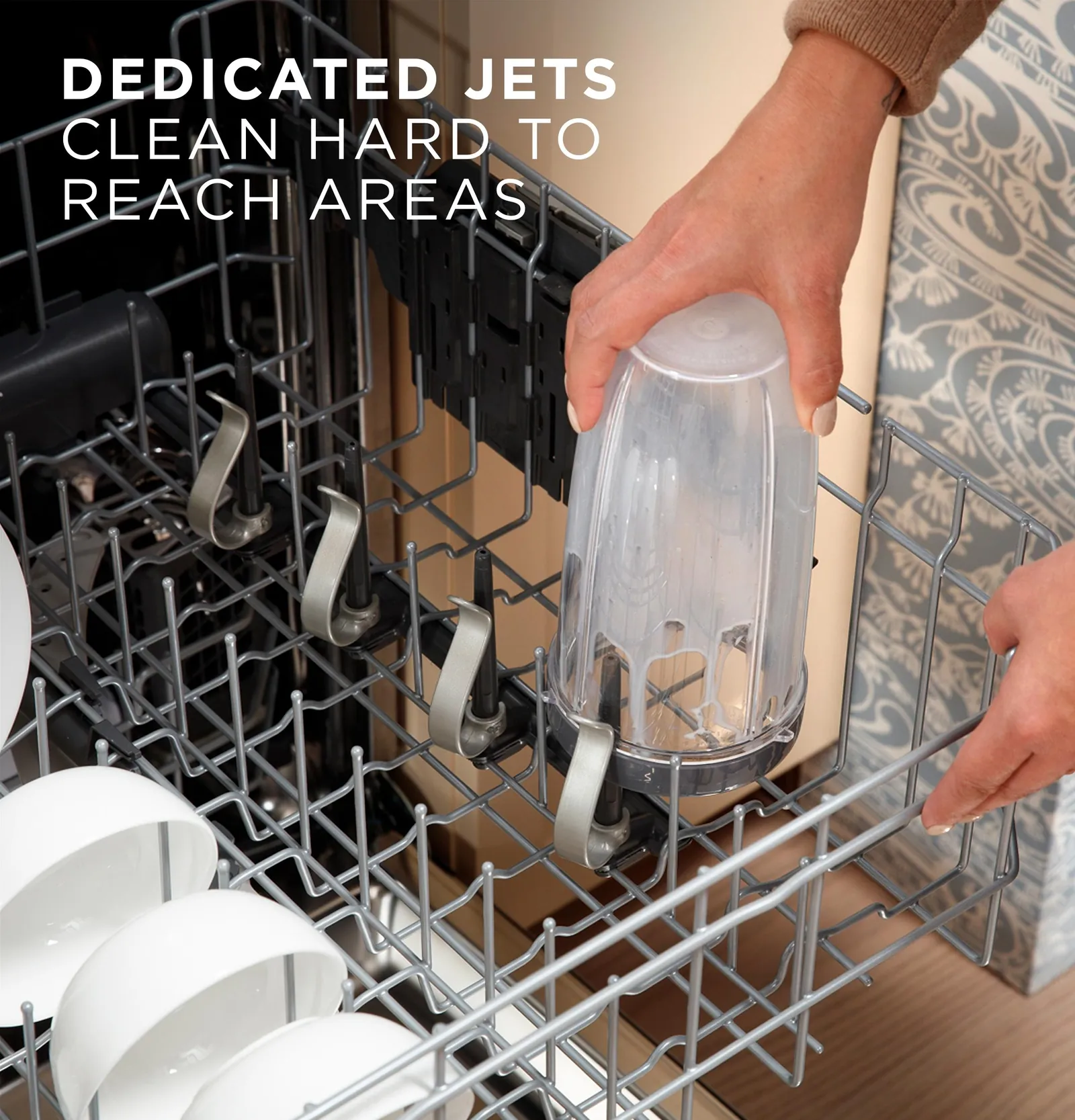
Mechanical issues in this model often stem from water flow restrictions or power supply interruptions. The most frequent cause for a failure to start is a door that isn’t fully latched, which prevents the safety interlock from engaging. When the door sensor doesn’t detect a closed seal, the control board disables all operations to prevent leaking.
Drainage problems usually occur because food particles build up in the fine mesh filter at the bottom of the tub. If the drain hose is kinked or if the air gap is clogged, water can’t exit the unit, leading to standing water at the end of a cycle. Always inspect the area under the sink where the hose connects to the disposal or drain pipe.
Another common issue is an incorrect cycle setting or a “delay start” feature that’s accidentally enabled. If the control panel lights are flashing, the dishwasher may be in a protection mode due to a detected error. You can find specific error codes and their meanings in the GE Appliances owner’s manual. If the unit is completely dead and the breaker is on, the control board or internal wiring might have failed, which requires a qualified technician to repair.
Safety: Inside a mains-powered machine, the parts behind the outer cover can hold a dangerous electrical charge even after it has been unplugged — that’s why they sit behind a cover. Opening the housing, or testing or replacing anything behind it, is a job for a qualified technician, never a home repair.
Check the power and door latch
You should begin by verifying that the dishwasher has electricity. Look at your home electrical panel to see if the breaker for the kitchen has moved to the “off” or “tripped” position. If it has, flip it all the way to “off” and then back to “on” to reset the connection. This fix is intended for users who have a basic understanding of their home electrical panel.
Before checking the breaker, confirm the unit is actually plugged into the wall outlet. Many dishwashers are hardwired, but if yours has a visible cord, ensure it hasn’t vibrated loose from the socket during a cycle. A loose plug is a common oversight that mimics a total electrical failure.
Next, inspect the door latch mechanism. Debris or dried food can prevent the latch from clicking into place securely. Wipe the door seal and the latch area with a damp cloth to remove any buildup. If the door feels loose or doesn’t catch when you push it, the strike plate may need adjustment.
If you suspect a wiring fault, don’t attempt to open the control panel housing yourself. Capacitors inside can hold a dangerous electrical charge even when the power is disconnected. If the unit still doesn’t power on after checking the breaker and the latch, contact an authorized service provider for further assistance.
Never use tools to force the latch, as this can break the plastic housing and void your warranty. If the latch clicks but the cycle fails to start, the door switch is likely faulty.
Clean the filtration system
A clogged filter is the most common reason for standing water or poor cleaning performance. To clean it, remove the bottom rack and locate the cylindrical filter assembly at the base of the tub. Twist the center of the filter counter-clockwise to unlock it, then lift it straight out of the unit.
Rinse the filter under hot running water in your kitchen sink. Use a soft-bristled brush to scrub away any stuck-on grease or food particles from the fine mesh screen. If the mesh is torn or damaged, you must replace the filter, as a damaged screen allows debris to enter the pump and cause severe mechanical failure.
Before you put the filter back, clear any debris from the sump area where the filter sits. Ensure the filter locks firmly into place by turning it clockwise until you feel it click. If the unit still fails to drain after you have cleaned the filter, the problem may be a blockage in the drain hose itself.
Check the hose under your sink for bends or kinks that restrict flow. If the hose is clear and the unit still holds water, the drain pump might be faulty, which is a task for a professional repair technician.
Reset the control board
Sometimes the electronic control board experiences a temporary software glitch that prevents it from responding to your inputs. To perform a hard reset, unplug the dishwasher from the wall outlet or turn off the circuit breaker for 30 seconds. This allows the capacitors on the control board to discharge fully and clears the temporary memory.
After 30 seconds, restore the power and wait a moment for the display to light up. Attempt to start a simple cycle, such as a “rinse only” or “short wash,” to see if the buttons respond. This method is safe for all users and doesn’t require any tools or disassembly of the machine.
If the control panel remains unresponsive or shows a persistent error light after a reset, you may have a failed user interface board. This is a common issue for units that have been exposed to high humidity or steam over many years of use.
Distinguishing between a software glitch and a hardware failure is critical. If the lights on the panel flicker or dim when you press a button, you’re likely dealing with a dying power supply rather than a software lock. In this case, a reset won’t fix the underlying electrical degradation.
If the unit is within its warranty period, contact the manufacturer before attempting any further troubleshooting. If the warranty has expired, a professional will confirm whether the board has failed and needs a full replacement. Avoid attempting to jump the board yourself, as improper contact can fry the delicate main processor.
Avoid these common mistakes
Using excessive soap: Adding more than two tablespoons of detergent creates a foam blanket that confuses the pressure sensor. This leads to cycle stalls or pump failure. If your dishes are still greasy, check your water temperature rather than increasing the soap dose.
Ignoring the air gap: The small cylinder on your sink rim prevents backflow. If water pools on your counter, clear the debris from this cap immediately. A blocked gap forces dirty water back into the unit, ruining your cleaning results.
Forcing the door: Pulling hard on a stuck handle usually snaps the plastic latch assembly. This repair is inexpensive relative to the cost of replacing the entire unit. If the door won’t budge, check for physical obstructions or a jammed latch mechanism.
Using harsh chemicals: Never pour drain cleaner into the basin. These caustic agents melt the internal rubber seals, which leads to permanent, unfixable leaks. Always use a manual snake for clogs.
Prevent future drainage issues
You can prevent most issues by changing how you load and maintain the machine. A consistent routine keeps the system clear and ensures the pump runs efficiently every time you use it.
| If you’re doing this | Do this instead | Why |
|---|---|---|
| Pre-rinsing all dishes | Scrape off large chunks | Modern detergents are designed to clean soiled dishes effectively |
| Cleaning the filter yearly | Clean the filter monthly | Prevents long-term grease buildup |
| Using “heavy” cycles always | Use “auto” or “normal” | Saves energy and reduces wear |
| Ignoring the rinse aid | Fill the rinse aid dispenser | Helps water slide off surfaces |
Most owners fail by overloading the bottom rack, which blocks the spray arm rotation. If your dishes feel gritty after a cycle, you have likely obstructed the water flow.
Check your drain hose for kinks as needed based on your specific usage; consult your owner’s manual for the recommended frequency. If the hose sits too low, water may siphon back into the unit. Ensure the hose creates a high loop before entering the drain to prevent backflow. If you notice standing water, clean the air gap immediately. This small device often clogs with debris, causing the sink to back up into the dishwasher.
Frequently asked questions
Can I use a screwdriver to force the door latch open?
No, you should never use a metal tool to force the door latch, as this can snap the plastic components or scratch the finish. If the door remains stuck after a power cycle, the latch assembly is likely broken and requires a professional to replace it.
How long should a normal wash cycle take?
A normal cycle on this model typically takes between 90 and 150 minutes, depending on the sensor settings and water temperature. The dishwasher senses how dirty the dishes are and adjusts the time to ensure they’re cleaned. If your cycles are consistently running much longer than this, it often means the water isn’t reaching the required temperature, which forces the unit to wait longer to heat up.
Is it safe to run the dishwasher with a broken filter?
No, it isn’t safe to run the dishwasher if the filter is missing or broken. The filter protects the drain pump from large debris like glass, plastic, or food scraps. If you run the machine without it, these items can enter the pump and cause a total failure, which is a costly repair. Always ensure the filter is locked securely in place before you press the start button for any cycle.
Why does my dishwasher smell like mildew?
Mildew odors usually happen because water is trapped in the bottom of the tub or in the filter. Check the filter for trapped food particles that are rotting, and run a cleaning cycle with a cup of white vinegar to kill bacteria. You should also leave the door slightly ajar when the dishwasher isn’t in use to allow air to circulate and keep the interior dry.
What happens if I use regular dish soap?
Using liquid dish soap instead of detergent will create a massive amount of suds that can overflow the unit and leak onto your floor. These suds can also get into the pump and motor, leading to permanent damage that isn’t covered by the manufacturer’s warranty. Always use only detergents specifically labeled for automatic dishwashers to keep the internal system running properly.
How often should I check the drain hose?
You should check the drain hose for kinks or blockages based on your usage and the guidance provided in your owner’s manual. Because the hose is located under the sink, it’s easy to accidentally push items against it, which can restrict water flow and cause standing water. If you notice your sink drain is also slow, the issue might be in the shared plumbing line rather than the dishwasher itself.
Conclusion
If these basic checks don’t get your appliance back in working order, don’t worry. You can easily look up your model’s manual online to find specific error codes or contact customer support for further guidance. They’ll help you figure out if a internal part needs replacing so you’re back to clean dishes soon.