To fix a GE Quiet Power 3 that fails to start or finish a cycle, first check for power interruptions or door latch misalignments. These two issues account for most unresponsive units. If the machine has power but no lights, check your circuit breaker. If lights are on but the cycle won’t start, the door switch is likely failing to detect a secure seal.
Why your Quiet Power 3 is unresponsive
When your machine refuses to operate, the issue usually stems from a break in the safety loop or a software glitch. Modern dishwashers use a series of sensors to ensure safe operation, and if any sensor reports a fault, the controller will prevent the cycle from starting. The most common cause is a door switch that fails to click into place, which prevents the machine from verifying that the water is contained.
Another frequent cause involves the control board resetting due to minor power fluctuations. If the electricity in your home flickers or drops, the board might enter a protective state. You can often clear this by disconnecting the unit from power for a few minutes.
Additionally, check if the child lock feature is active, as this prevents any buttons from responding. Verifying that the water supply is fully turned on is also critical, as the machine requires adequate water flow to operate correctly.
If you find that the unit isn’t draining or is making loud noises, this often points to a physical obstruction in the filter or the drain line. Food debris, such as small seeds or broken glass, can block the pump impeller. If the pump is physically stuck, the motor will stop to prevent overheating. This isn’t a failure of the motor itself but a safety measure to protect the components from excessive strain.
Safety: Inside a mains-powered machine, the parts behind the outer cover can hold a dangerous electrical charge even after it has been unplugged — that’s why they sit behind a cover. Opening the housing, or testing or replacing anything behind it, is a job for a qualified technician, never a home repair.
Resetting the Control Board
A simple power reset is often enough to clear minor electronic errors that stop a cycle from running. To perform this, locate the circuit breaker that controls your dishwasher and flip it to the “off” position. Wait at least 60 seconds to allow the internal capacitors to discharge fully, then flip the breaker back to “on.” This forces the control board to reboot and re-scan its internal sensors.
This method is intended for users who notice a frozen display or a machine that has become completely unresponsive to button presses. If the unit remains dead after the power returns, ensure the power cord is pushed fully into the wall outlet if your model isn’t hardwired.
If you notice a burning smell or see sparks near the electrical connection, stop immediately and contact a licensed electrician. You should never attempt to open the control panel or touch internal wiring if you aren’t trained in appliance repair, as this carries a risk of electrical shock or fire.
Once the power is restored, look at the control panel. If the lights flash or a specific error code appears, note the pattern. A steady light usually means the board is ready for a new command, while a flashing light indicates that the system is still detecting a fault, such as a water leak or a door sensor error.
Clearing the Door Latch
The door latch mechanism is a common point of failure because it experiences mechanical wear over years of daily use. If the door doesn’t click firmly when you push it shut, the internal sensor won’t trigger, and the dishwasher will act as though the door is open. Inspect the latch area on both the door and the frame for any stuck food or debris that might be preventing a clean connection.
To fix this, use a damp cloth to wipe down the latch and the strike plate. If you see visible damage, such as a bent metal tab or a cracked plastic housing, the latch assembly likely needs professional replacement.
You can test if this is the issue by gently pressing and holding the door firmly against the frame while you press the “start” button. If the machine begins its cycle while you hold the door, the latch is definitely the problem.
This fix is suitable for any user who feels comfortable cleaning the interior door edge. If you find the latch feels loose or requires significant force to engage, don’t force it, as you might break the locking pins. If the door still refuses to latch, you must contact a qualified appliance repair technician to replace the sensor or the latch mechanism.
Cleaning the Filter and Drain
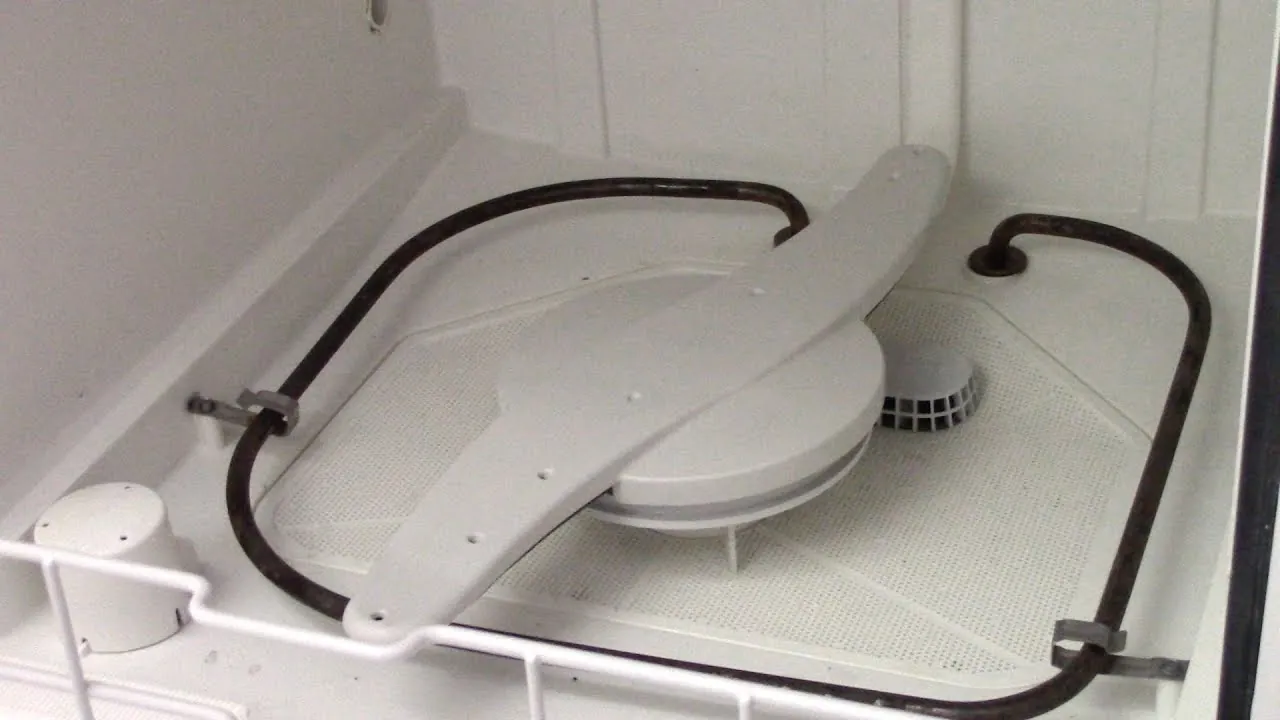
If your dishwasher starts but stops mid-cycle, the system is likely detecting a drainage problem. The machine monitors how quickly water leaves the tub; if the drain is clogged, the water level remains too high, and the sensors will pause the operation. Locate the filter at the bottom of the tub, turn it counter-clockwise to unlock it, and lift it out.
Remove any trapped food particles, grease, or debris that have built up on the mesh screen. Rinse the filter under hot running water until it’s clear of all residue. Once cleaned, place it back into the bottom of the tub and twist it clockwise until it locks securely into place. This process is essential for maintaining the water flow sensors.
If the machine still doesn’t drain after the filter is cleaned, the issue may be in the hose beneath the sink. Check that the drain hose isn’t kinked or pinched by the cabinets.
If the hose is clear but the water still doesn’t move, the pump may be obstructed by an object that requires the removal of the pump cover. This level of repair is where you should stop and call a professional, as it requires specialized tools and risks damaging the internal pump seals.
Common Mistakes to Avoid
Using excessive amounts of soap creates thick foam that confuses water level sensors, causing the cycle to abort prematurely. A simple rule of thumb: if you see suds rising above the bottom rack, you have used too much.
Forcing the door shut when the latch is misaligned often snaps the plastic locking mechanism. This mistake turns a simple alignment fix into a costly repair bill. If the door resists, stop immediately and check the hinge alignment.
Ignoring flashing error lights is a frequent error. These codes are diagnostic tools, not signs of total machine failure. Consult your manual’s index to identify the specific fault code before assuming the unit is broken.
Pouring harsh chemical drain cleaners into the dishwasher ruins rubber gaskets and the internal pump housing. If your drain is clogged, use a baking soda and vinegar solution instead. Corrosive chemicals will permanently degrade the seals, leading to leaks that destroy your kitchen floor.
Preventing Future Issues
The most effective way to avoid these problems is to maintain a consistent cleaning schedule. If you’re currently ignoring the filter, you should start checking it once a month instead.
| If you’re doing this | Do this instead | Why |
|---|---|---|
| Pre-rinsing every dish | Scraping off large food items | Modern detergents and enzymes work more effectively when they have food particles to break down |
| Using the “quick” cycle | Using the “normal” or “auto” cycle | Quick cycles often fail to clear heavy debris |
| Slamming the door shut | Closing the door firmly until it clicks | Slamming weakens the plastic latch over time |
| Ignoring water leaks | Wiping up water immediately | Water inside the base triggers the leak sensor |
Frequently asked questions
How long does a ge quiet power 3 dishwasher cycle usually take?
A standard cycle typically takes between 90 and 150 minutes, depending on the chosen settings and the water temperature. If the machine has to heat the water to a specific temperature during the cycle, the time will increase. You can check the exact timing for your specific model by looking at the manual provided by the manufacturer or checking the display on your control panel when you select a cycle.
Is it safe to use the dishwasher if the control panel is flashing?
No, you shouldn’t use the machine if the control panel is flashing, as this indicates a detected fault that could lead to a leak or a pump failure. The flashing lights are a safety feature designed to prevent the machine from starting when a problem exists. You should consult your user manual to identify what the specific flash pattern means before attempting to run the dishwasher again.
Why does my dishwasher stop halfway through the cycle?
The machine usually stops mid-cycle because the water level sensor detects that the tub isn’t draining fast enough. This happens when the filter is clogged with food debris or the drain hose is blocked. When the sensors detect too much water, the machine pauses to prevent an overflow or damage to the pump motor. Cleaning the filter and checking the drain hose for kinks usually resolves this issue.
How often should I clean the dishwasher filter?
You should clean the filter regularly to ensure that the water flow sensors operate correctly, though the exact frequency depends on your usage; always consult your owner’s manual for the authoritative maintenance schedule. A clean filter prevents food debris from entering the pump, which is the most common cause of mid-cycle pauses and drainage errors.
What happens if I keep running a dishwasher that doesn’t drain?
Running a machine that doesn’t drain will eventually cause the pump motor to burn out due to excessive strain. The water that remains in the tub can also lead to foul odors and bacterial growth inside the machine. If the water doesn’t clear after a cycle, don’t attempt to run it again, as the standing water can eventually leak into the electrical components of the base.
Can I fix a broken door latch myself?
No, you shouldn’t attempt to replace the door latch if it requires taking the door panel apart, as this can void your warranty or cause injury. While you can clean the latch area to remove debris, a mechanical failure requires a professional technician who has the proper tools to ensure the seal remains watertight. If the door doesn’t latch, contact an authorized service center to perform the repair safely.
Conclusion
If you have tried the steps above and the dishwasher still fails to operate, your best path is to contact the manufacturer’s support line or a local appliance repair service. Mention the specific model number and any error codes you saw during your attempts to fix the machine. Providing this information will help the technician bring the correct parts and save you time on the initial service visit.
Related guides