If your machine won’t start or drain, performing ge dishwasher gdt655ssjss troubleshooting steps like checking the power supply and cleaning the filter often solves the issue. The most common cause for a dishwasher that fails to start is a tripped circuit breaker or a loose door latch that prevents the cycle from initiating. If you hear a hum but no water flows, check your home’s water supply valve first. For specific error codes or persistent mechanical failures, you can check the GE Appliances troubleshooting guide to see if your model requires a professional technician.
Troubleshooting your GE dishwasher issues
The primary reason this model stops working is usually a simple interruption in the power or water path. If the control panel remains dark, the issue is almost always electrical. Check your home’s breaker box to ensure the switch for the kitchen is in the “on” position. If the breaker is fine, verify that the electrical connections at the junction box are secure, as vibration can sometimes loosen wire nuts over time.
Another frequent cause involves the door sensor. This machine is designed to pause or refuse to start if it detects that the door isn’t perfectly sealed. Debris trapped in the latch or a warped gasket can prevent the switch from engaging.
Inspect the area around the door frame for food buildup or plastic wrap that might be keeping it slightly open. If the door closes with a firm click but the cycle still fails to start, the internal sensor may have reached the end of its functional life.
Finally, drainage issues are often caused by clogs in the filter or the air gap. If water sits at the bottom of the tub after a cycle, it’s likely that food particles have blocked the mesh screen. This happens most often if you don’t rinse plates before loading them. Always clear the filter manually before assuming the pump has failed, as a simple cleaning often restores full drainage performance.
Clean the filter and spray arms
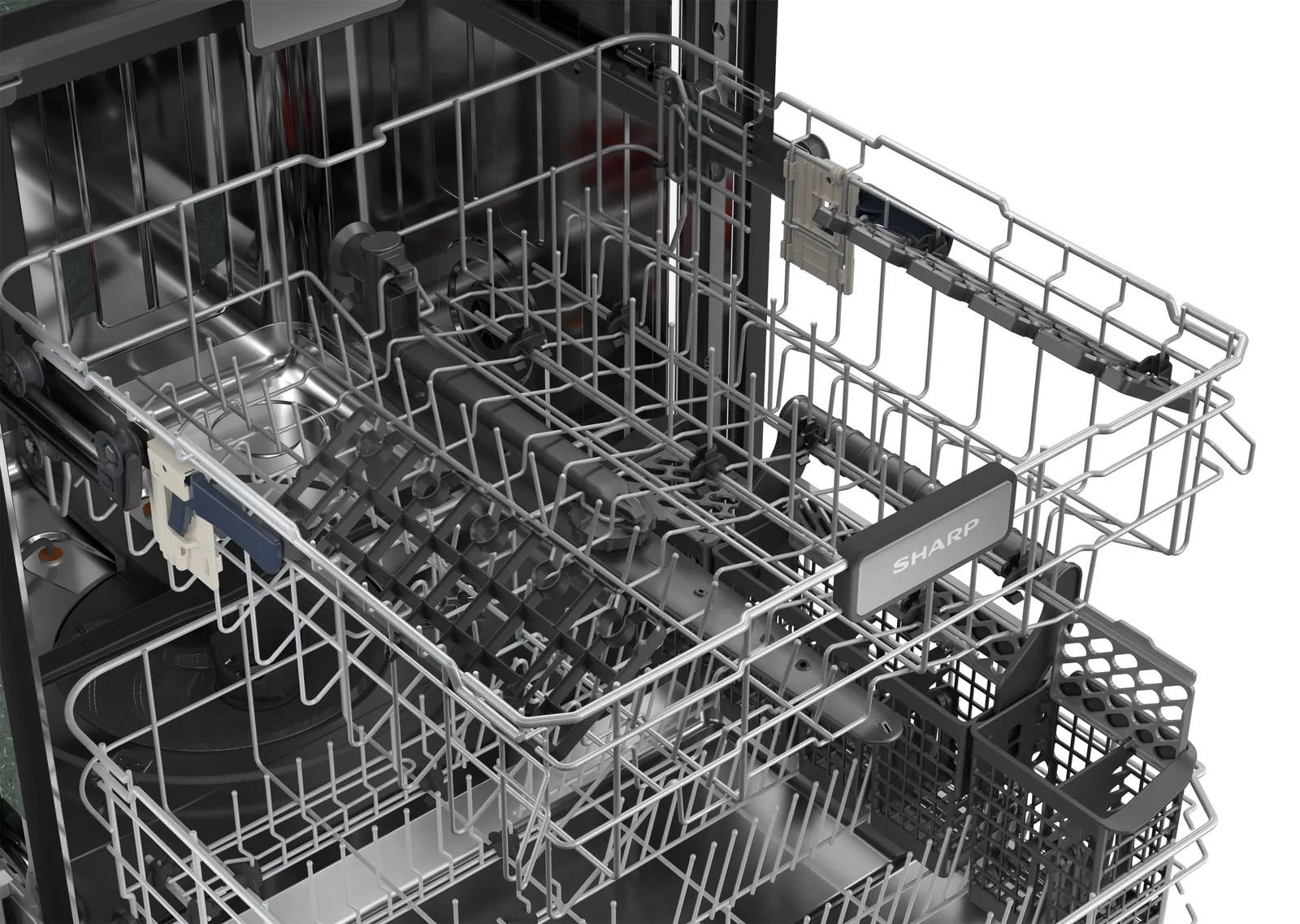
Cleaning the filtration system is the most effective way to solve drainage or poor cleaning performance. To start, remove the bottom rack and locate the cylindrical filter assembly at the base of the tub. Twist the center piece counter-clockwise to unlock it, then lift the entire assembly out. Rinse the mesh under hot running water to remove grease and food residue. If the screen has visible holes, you must replace it to protect the pump from damage.
Next, inspect the spray arms for blocked holes. Food particles can get stuck in the small nozzles, which stops the water from reaching your dishes. Use a thin toothpick or a needle to gently push any debris out of the holes. If you notice the arms don’t spin freely, check for large items in the rack that might be hitting them during the cycle.
This fix is for anyone experiencing cloudy dishes or standing water. If the filter is clean and the arms are clear, but the dishwasher still fails to drain, the issue could be a kinked hose under the sink. If you can’t see the hose clearly or it appears damaged, call a licensed plumber, as this involves disconnecting water lines.
Reset the control panel
Sometimes the electronics simply need a hard reset to clear a temporary software glitch. To do this, locate the circuit breaker for your dishwasher and flip it to the “off” position. Leave the power off for at least 60 seconds to allow the capacitor to discharge and the memory to clear. After the minute has passed, flip the breaker back to the “on” position and attempt to start a new cycle.
This reset is ideal for cases where the control panel lights flash unexpectedly or the unit refuses to accept a button press. If the control panel works fine for a few minutes but then freezes again, there may be a loose wire behind the interface.
Note that this fix is for the software and settings only. If the unit still shows an error code after a reset, it’s a sign that a hardware component, like the water inlet valve or the main control board, needs professional inspection.
If you aren’t comfortable working with your home’s electrical breaker panel, ask a family member or a professional to assist you. Never attempt to open the control panel housing yourself, as there are high-voltage components inside that pose a risk of electric shock. If the reset doesn’t fix the display, it’s time to contact GE support for a service appointment.
Check the door latch assembly
The door latch is a mechanical switch that acts as a safety gate for the entire system. If the dishwasher won’t start, the machine believes the door is still open. Inspect the latch for any physical damage or bent metal. If the door feels loose or does not “snap” shut, the latch assembly might be failing to trigger the internal switch.
Clear any buildup of soap scum or hard water deposits around the latch area using a soft cloth and warm water. If the latch moves smoothly but the machine remains unresponsive, the switch inside the door may have failed. This is a common issue in households where the door is slammed shut regularly.
Replacing a door latch requires removing the inner door panel, which involves specialized tools and careful handling of electrical wires. If you aren’t experienced with appliance repair, this is a job for a qualified service technician.
A professional can test the continuity of the switch and ensure the alignment is correct, which prevents future damage to the door seal. Avoid using force to close a misaligned door, as this often snaps the plastic housing and turns a simple switch repair into a full latch assembly replacement.
Avoid these common troubleshooting mistakes
Don’t use drain cleaners: Harsh chemicals can melt the plastic components of the pump and ruin the seals, costing you a full replacement. If a clog persists, use a plumber’s snake or consult a professional plumber.
Don’t force the door: If it won’t latch, don’t push harder; you may break the plastic catch or damage the alignment of the door hinge. Check for debris blocking the latch first. If the door still resists, the strike plate is likely misaligned.
Don’t disable safety switches: Never attempt to bypass the door sensor or electrical interlocks, as these protect you from water leaks and electrical hazards. Bypassing these triggers voids your warranty instantly.
Don’t ignore error codes: If the display shows a code, look it up in the manual rather than guessing. Ignoring a leak code can lead to significant floor damage. If the code persists after a reset, disconnect the power to prevent a short circuit.
Manage your dishwasher for long life
| If you’re doing this | Do this instead | Why |
|---|---|---|
| Leaving food on plates | Scrape off large solids | Prevents filter clogs |
| Using too much detergent | Use only the recommended amount | Stops soap buildup and leaks |
| Slamming the door shut | Close it gently until it clicks | Protects the latch sensor |
| Ignoring standing water | Clean the filter immediately | Prevents pump strain and odors |
The lifespan of your pump varies based on the hardness of your water and how often you clean the filter, so check your filter monthly to see if it needs a rinse.
Most owners mistakenly believe the dishwasher is self-cleaning. If your dishes retain a grit or cloudy film after a cycle, your filter is already compromised. This buildup forces the motor to work harder, shortening its life by years.
If you have hard water, add a rinse aid to every cycle. This simple step prevents mineral deposits from etching your glassware and clogging the spray arms. If the spray arms stop spinning freely, your dishes will never get clean, regardless of the detergent used. Always verify the arms can rotate fully before you press start.
Frequently asked questions
Can I reset my dishwasher by unplugging it?
You can reset the unit by unplugging it or flipping the circuit breaker for one minute to clear the memory. If the unit is hardwired, you must use the circuit breaker. Avoid accessing the wire connections behind the unit, as this involves handling live electrical wires.
Why is my dishwasher not draining water?
The most likely cause is a clogged filter at the bottom of the tub or a blocked drain hose. Check the filter first by rinsing the mesh screen under hot water. If the hose is clear but the issue persists, the pump may require a professional technician.
How long does a standard wash cycle take?
A standard cycle takes between 90 and 150 minutes, depending on your settings and incoming water temperature. Selecting “Heavy” or “Steam” options will increase the cycle time for better results. If the cycle runs significantly longer, the unit may be struggling to heat the water.
Is it safe to run the dishwasher with an error code?
It isn’t safe to ignore error codes, as they often signal problems that could cause water damage or electrical shorts. Consult your manual to identify the specific issue before running another cycle. Ignoring these alerts can turn a minor repair into a costly replacement.
What happens if I use regular dish soap?
Using regular liquid dish soap creates excessive suds that can overflow and damage your floor. Only use detergent specifically formulated for automatic dishwashers to prevent pump failure. If you accidentally added regular soap, remove as much as possible and run a rinse cycle without detergent.
Conclusion
Taking care of your appliance doesn’t have to be a headache. If these simple fixes don’t get things running smoothly again, don’t hesitate to reach out to a local repair service. They’ll have the right tools to handle the tougher stuff, so you won’t have to worry about the dishes piling up.