You can solve your ge disposall gfc530v troubleshooting by checking the reset button on the bottom of the unit or clearing a physical jam in the grinding chamber. Most issues with this model come from debris blocking the blades or the thermal overload protection tripping during heavy use. If the unit makes a humming sound but doesn’t spin, it’s likely stuck. If it’s silent, it may have cut power to protect the motor. Always turn off the wall switch before you look inside the drain.
Troubleshooting why your disposall stops working
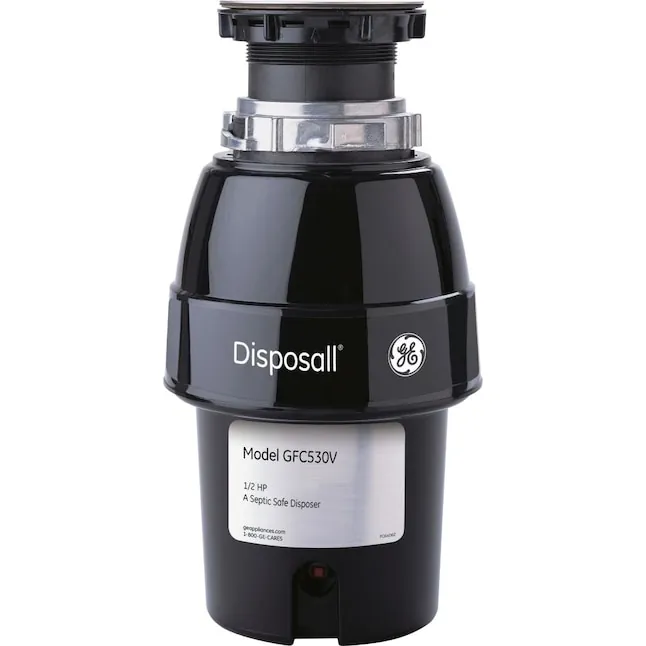
The most common reason for a disposal to stop is a mechanical jam caused by hard food items like bones, fruit pits, or fibrous vegetables. When the impeller can’t turn, the motor draws too much current, which triggers the thermal overload protector. This safety feature stops the motor to prevent it from burning out. You can find more information about these safety systems in the GE Appliances disposal manual.
Another cause is an electrical issue at the wall switch or the circuit breaker. If the disposal doesn’t make any sound when you flip the switch, the power might not be reaching the unit. Check your home’s main service panel to see if the breaker for the kitchen outlet has tripped. If the breaker is fine, the wall switch itself may be faulty or disconnected.
Finally, internal wear can lead to failure over time. If the motor hums loudly but the blades don’t move even after you clear all debris, the motor bearings might be seized. This is a permanent mechanical failure. If you have confirmed the unit is clear of obstructions and has power, but it still fails to operate, it’s time to contact a professional plumber.
Clear the jam manually
If your disposal hums but doesn’t grind, you have a jam. You must first ensure the wall switch is in the off position and the unit isn’t receiving power. Never put your hand directly into the disposal unit. Use a wooden broom handle or a dedicated disposal wrench to gently push against one of the impeller blades.
Try to move the blade back and forth to loosen whatever is stuck. If the obstruction is small, it should break free or fall into the shredder ring. Once you feel the blades turn freely, remove your tool and clear any loose debris with a pair of tongs. Don’t use your fingers for this step, as the shredder teeth are sharp.
After clearing the blockage, press the red reset button located on the bottom of the disposal housing. This button pops out when the motor overheats. If it clicks back into place, the motor is ready to restart. Turn the water on, flip the wall switch, and listen for the normal grinding sound. If the motor remains silent or hums without turning, don’t force it to run, as this can cause permanent damage.
Reset the thermal protection
The thermal protector is a small safety switch that cuts power when the motor gets too hot. This often happens if you try to grind too much food at once or if the unit runs for a long time without enough water. If the disposal suddenly stops mid-cycle, wait about 10 minutes for the motor to cool down before you attempt a reset.
Locate the red button on the underside of the unit. You might need a flashlight to see it clearly, as it’s often tucked near the power cord. Use a firm finger to push it until it clicks. If the button feels loose or won’t stay in the pressed position, the thermal switch may be broken.
Most users make the mistake of pushing the button while the wall switch is still in the “on” position. This can cause a minor electrical arc or an immediate restart that catches you off guard. Always flip the wall switch to “off” before reaching under the sink to ensure your safety.
If the unit starts running after you reset it, run a steady stream of cold water for 30 seconds to flush the system. If it trips again immediately, you’re likely overloading the chamber or have a hidden obstruction.
If this happens, stop using the unit and inspect the drain for any large objects that might have slipped past the splash guard. If the motor hums but doesn’t spin after the reset, the internal impeller is likely jammed and requires a manual wrench turn.
Resolve electrical power issues
When the disposal is completely dead, start by checking the power source. Look for a tripped circuit breaker in your home’s main panel. If the switch is in the “off” position, flip it to “on” to restore power. If you have a plug-in model under the sink, make sure the cord is pushed firmly into the outlet and that the outlet is working.
Test the outlet by plugging in a lamp you know works. If the lamp fails to light, the issue is likely a tripped Ground Fault Circuit Interrupter (GFCI) outlet. Look for a small “reset” button on the face of the outlet itself and press it firmly.
Some homes have a separate wall switch for the disposal. If the switch feels loose or doesn’t click, it could be the source of the failure. Don’t attempt to repair the electrical wiring inside the wall or the switch box yourself. If you aren’t comfortable handling electrical components, call a licensed electrician to inspect the circuit.
This fix isn’t for those who lack basic knowledge of home electrical systems. If you see signs of burning, smell smoke, or notice damaged wires, leave the breaker off and call a professional immediately. Working with household electrical systems carries a risk of shock, so prioritize your safety above all else. Never assume a breaker is safe just because it looks aligned; always use a non-contact voltage tester to confirm the line is truly dead.
Mistakes that cause further damage
Forcing the motor to run while jammed: This causes the motor windings to overheat rapidly, which can lead to a fire or permanent burnout. If you hear a low hum but no grinding, stop immediately.
Pouring chemical drain cleaners into the unit: These harsh liquids corrode internal metal components and degrade rubber seals. This often creates pinhole leaks beneath your sink that go unnoticed until your cabinetry suffers water damage.
Using your fingers to clear debris: The blades and shredder teeth are sharp enough to cause serious injury even when the power is off. Always use long-handled tongs to reach inside. Never rely on the wall switch alone; unplug the unit from the outlet to ensure zero energy flow.
Resetting the button while the unit is on: Keep the wall switch off when pressing the reset button. An unexpected start can catch your hands off guard.
Prevent future disposal failures
| If you’re doing this | Do this instead | Why |
|---|---|---|
| Grinding large chunks | Cut food into small pieces | Prevents the impeller from jamming |
| Using hot water | Use cold water | Keeps fats solid for easier grinding |
| Grinding fibrous stalks | Dispose of celery/corn husks in trash | These wrap around blades and jam them |
| Turning it off early | Run water for 30 seconds after | Flushes debris through the drain pipe |
| Grinding bone or glass | Throw these in the trash | They dull blades and break the unit |
Most failures stem from the “everything goes” fallacy. You must treat your disposal as a secondary waste bin, not a primary one. If you hear a low-frequency hum or a sudden drop in motor speed, turn off the power immediately.
A common mistake is feeding the unit too quickly. If you hear the motor laboring, stop adding scraps. Let the unit clear the chamber entirely before adding more weight.
Use this rule: If the item is stringy, hard, or starchy, it belongs in the trash. Stringy items like asparagus create “nests” that choke the motor. Starchy items like potato peels turn into a thick paste that clogs the P-trap.
If you’re unsure about an item, check the texture. If it’s soft enough to cut with a fork, it’s safe. If it resists, throw it away.
Frequently asked questions
Can I fix a ge disposal that’s leaking?
No, you shouldn’t attempt to repair a leaking disposal unit yourself. Leaks usually come from internal seals or the mounting assembly, which aren’t designed for user-level repair. If you see water dripping from the bottom of the unit, turn off the power and the water supply immediately. You’ll likely need to replace the entire disposal unit or hire a professional plumber to reseal the mounting flange.
Why does my disposal smell bad?
The smell comes from food particles that stay trapped in the splash guard or the grinding chamber. You can clean the unit by grinding a few ice cubes and a half-cup of baking soda, which helps scrub the internal walls. Avoid putting lemon peels or harsh chemicals inside, as these can damage the rubber parts and the internal metal housing over time.
How long should a disposal last?
A standard disposal unit typically lasts for a long period with regular maintenance. The actual lifespan depends on how often you use it and what types of food you put through the chamber. If you notice the motor becoming louder over time or if it starts to vibrate excessively, it’s a sign that the internal bearings are reaching the end of their life.
Is it safe to use a plunger on a disposal?
Yes, it’s safe to use a plunger if the clog is in the drain pipe below the unit, but it won’t fix a jammed motor. Ensure the sink is filled with enough water to cover the head of the plunger before you begin. If the water doesn’t drain after several firm pumps, the clog is likely further down in the plumbing, which requires a professional plumber to clear.
What happens if I drop a metal spoon inside?
The disposal will likely make a loud banging noise and stop spinning immediately to protect the motor. Turn off the wall switch right away and use a pair of long-handled tongs to retrieve the object. Don’t attempt to use the disposal until you’re certain the object is completely removed, as it can severely damage the shredder ring and the impeller blades.
Conclusion
The ge disposall gfc530v troubleshooting process relies on identifying whether the problem is a physical jam or an electrical fault. If you have cleared all obstructions and checked your breakers, but the unit still refuses to operate, you have reached the limit of what can be safely repaired at home. At this point, replacing the unit or consulting a certified plumber is the safest way to restore your kitchen sink to full functionality.