
If your machine stops mid-cycle or fails to drain, you can perform ge top load washer with agitator troubleshooting by checking the balance of your load and ensuring the lid sensor is free of debris. The most frequent cause for a stall is an unbalanced load that triggers the safety shut-off mechanism. You should always verify that your machine is level on the floor before you attempt any other fixes.
Troubleshooting common agitator washer performance issues
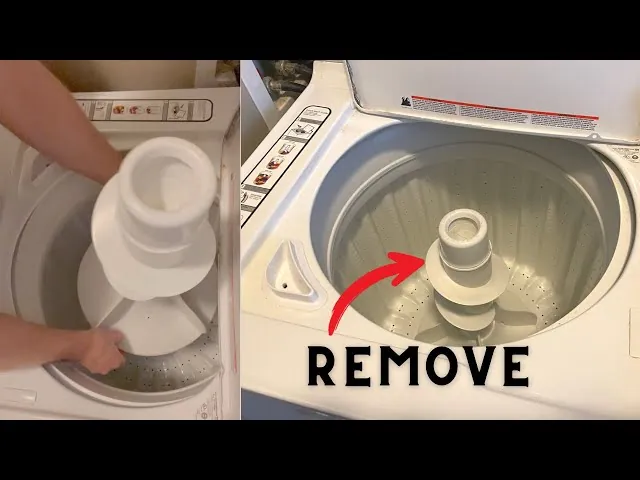
Most operational problems stem from how the machine interacts with its environment. When a washer detects a heavy or uneven load, it will often pause or enter a drain mode to protect the motor from overheating. This isn’t a mechanical failure but a built-in safety feature designed to prevent excessive vibration that could damage the internal components.
Another common cause is a dirty or blocked lid switch. If the sensor can’t confirm the lid is closed, the machine won’t fill or start the agitation cycle. You should check the area around the lid catch for lint, soap buildup, or small items that might prevent a clean contact. If the machine flashes lights or makes a humming sound without moving, it often indicates a communication error between the control board and the drive system.
Finally, water supply issues can mimic mechanical failures. If the inlet hoses are kinked or the filters are clogged with sediment, the machine will wait indefinitely for water that never arrives. This creates a perceived stall. Before deciding the unit is broken, inspect your water supply valves to ensure they’re fully open and providing adequate pressure to the hoses at the back of the cabinet.
Safety: Inside a mains-powered machine, the parts behind the outer cover can hold a dangerous electrical charge even after it has been unplugged — that’s why they sit behind a cover. Opening the housing, or testing or replacing anything behind it, is a job for a qualified technician, never a home repair.
Adjusting the load for better balance
If your washer stops during the spin cycle, you likely have an uneven distribution of clothes. This is a common issue when washing heavy items like blankets or rugs alongside lighter clothing. You must stop the cycle, open the lid, and manually redistribute the items so they’re spread evenly around the agitator.
If the load remains stuck, remove a few heavy items and restart the cycle on a lower speed setting. Never force the machine to continue if it’s shaking violently, as this can damage the suspension rods. If you notice the tub is visibly tilted even when empty, you’ll need to adjust the leveling feet at the base of the machine.
Use a standard bubble level to ensure the unit is perfectly flat on the floor. If the feet are worn down or missing their rubber pads, replace them immediately to prevent the machine from “walking” across your laundry room floor during high-speed spins.
Cleaning the sensor and lid area
Sometimes, the machine simply cannot “see” that the lid is closed. If your washer refuses to start, look closely at the lid latch area for any buildup of detergent residue or lint. These deposits often accumulate in the small crevice where the magnet or pin meets the sensor.
Use a damp cloth to gently wipe the sensor and the mating surface on the lid. Don’t use harsh chemicals or sharp tools that could scratch the plastic or metal finish. A scratch here can create a permanent gap, preventing the sensor from making the necessary contact.
After cleaning, press the Start button firmly to see if the cycle initiates. If the machine still beeps or ignores your input, the lid sensor might be faulty. A simple way to test this is to listen for a faint click when you press the lid down. If you hear no click, the mechanical switch is likely stuck in the open position.
This is a component that requires a specialized technician to test and replace. Don’t attempt to bypass or short-circuit the lid safety switch, as this removes a critical protection against accidental injury. If you have cleaned the area and the machine still fails to start, you should contact a professional repair service to evaluate the control module.
Resolving water supply restrictions
A washer that takes too long to fill or stops mid-wash often has a restricted water flow. Check the inlet screens located where the hoses connect to the back of the washer. Over time, mineral deposits from your home’s water supply can block these small mesh filters.
To clean them, turn off the water supply valves, unscrew the hoses, and use a soft brush to remove any debris from the screen. If you live in an area with hard water, you may need to perform this check every few months to maintain consistent performance.
If the screens appear clear but the flow remains sluggish, check the valve handle itself. Sometimes, the internal gate of a gate-style valve fails to lift fully, creating a hidden bottleneck. If you find that the water pressure at the wall valve is low, you should contact a plumber to inspect your home’s piping.
This fix is only for users comfortable disconnecting water lines. If you’re unsure about your home’s plumbing setup, don’t force the connections. Cross-threading a hose can lead to a significant water leak that ruins flooring. If you feel resistance while reattaching the hose, back it off immediately and realign the threads to avoid a costly repair.
Common mistakes to avoid
Overloading the drum prevents the agitator from moving freely, which causes the motor to strain and eventually shut down. As a rule of thumb, ensure you can fit a vertical hand’s width between your clothes and the top of the tub.
Using too much high-sudsing detergent leaves a film on sensors, which causes erratic behavior and false error codes. If your clothes feel stiff or sticky after a cycle, you’re likely using too much soap.
Forcing the lid open while the machine is spinning can damage the latch mechanism and void your manufacturer’s warranty. Always wait for the “lid lock” light to extinguish completely.
Ignoring a “thumping” sound during the spin cycle often leads to broken suspension rods, which is a costly repair. If the machine vibrates excessively, pause the cycle and redistribute the load.
Adding water manually with a bucket can confuse the control board’s water level sensor and lead to dangerous overflow issues.
Maintaining your washer for longevity
| If you’re doing this | Do this instead | Why |
|---|---|---|
| Cramming the tub full | Fill only to the top row of holes | Allows the agitator to move freely |
| Using “extra” detergent | Use the amount marked on the cap | Prevents sensor-fouled residue |
| Ignoring floor vibrations | Adjust the leveling feet | Protects internal suspension parts |
| Leaving the lid closed | Leave it open after cycles | Prevents mold and sensor corrosion |
Most owners ignore the leveling feet until the machine physically “walks” across the floor. By then, the internal suspension springs are already overstretched. If your washer vibrates during the spin cycle, place a carpenter’s level on the top deck immediately. If the bubble sits off-center, adjust the feet until the frame is perfectly plumb.
Many people also mistake detergent bubbles for cleaning power. In reality, excess suds trap dirt in the pump filter, which can trigger a permanent “drain error” code. If you see suds lingering after the rinse, run a cycle with two cups of white vinegar to clear the buildup.
These items often puncture the seal, leading to slow leaks that eventually short out the control board located directly below.
Frequently asked questions
How long should a normal wash cycle take?
Most cycles take 45 to 60 minutes depending on your settings and load size. If your washer consistently runs for over 90 minutes, it’s likely struggling to balance the load or drain effectively. Check the drain hose for kinks or clogs if the machine pauses frequently.
Can I reset the control board myself?
You can reset the control board by unplugging the washer for at least 60 seconds. This power cycle forces the computer to clear temporary errors and return to its default state. If error codes return immediately, you may have a persistent hardware fault requiring a professional technician.
Is it safe to use the washer if it makes a clicking sound?
A persistent clicking sound often indicates that a mechanical part like the lid lock or drive component is failing. You should stop using the machine immediately to avoid further damage to the motor or transmission. You must call a qualified repair service to inspect these internal components for wear.
Why does my washer stop during the rinse cycle?
The washer stops during the rinse cycle because it can’t detect a successful drain or because water pressure is too low. Check your drain hose to ensure it isn’t pushed too far into the standpipe, which can cause a siphon effect. Ensure your cold water supply valve is fully open.
What happens if I ignore a flashing error light?
Ignoring a flashing error light will usually result in the machine refusing to start new cycles to prevent internal damage. These lights are diagnostic codes that identify exactly which part of the system is failing. Addressing the underlying cause early is much cheaper than replacing a major component later.
How often should I check the drain filter?
While many top-load washers lack a user-accessible lint filter, you should still inspect the drain hose for debris. Perform this check sooner if you notice water draining slowly to prevent pump damage.
Conclusion
Taking care of your machine through regular load balancing and keeping the sensors clean will help it run for many years. If you follow these simple steps and the machine continues to struggle, don’t hesitate to contact a professional. A minor repair today is always better than a full machine replacement tomorrow.
Related guides