To fix a washer that doesn’t fill or drain, you should perform ge washer pressure switch troubleshooting by checking the air hose for clogs or leaks. The most common cause of a faulty pressure reading is a blocked air tube, which prevents the sensor from detecting the water level correctly. If the tube is clear and secure, the switch itself may have failed. You can find the official GE Appliances service and repair information on their website to see if your specific model requires a professional diagnostic.
Why the washer pressure switch fails during troubleshooting
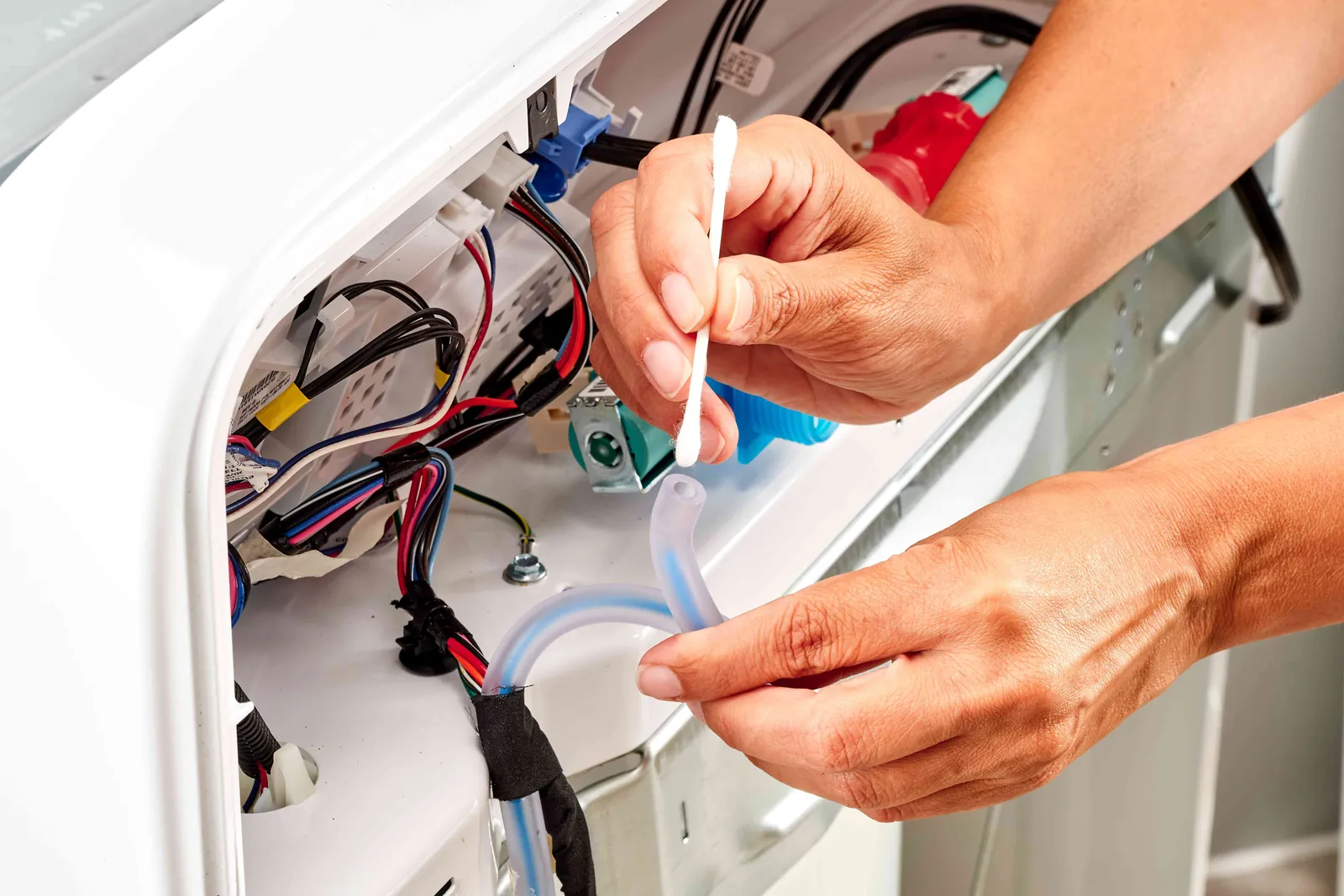
The pressure switch, or water level sensor, acts as the brain for your washer’s fill cycle. It uses a small tube that traps air as water enters the tub. As the water rises, the air pressure in the tube increases, pushing against a diaphragm inside the switch. When the pressure reaches the set point, the switch clicks to stop the water flow and start the wash cycle.
If this system fails, your washer might overfill, fail to fill at all, or skip the spin cycle entirely. The most frequent cause of this is debris clogging the small air tube, which traps old water or soap scum. If the air can’t move freely, the switch never receives the signal that the tub is full.
A common mistake is replacing the sensor before checking the tube for pinhole leaks. If you hear a faint hissing sound during the fill cycle, air is escaping. Test the tube by submerging it in a bucket of water while blowing into one end; bubbles indicate a leak that requires a full hose replacement.
Another issue is a loose connection at either the pressure switch end or the tub end. If the hose is cracked, the air escapes before it can trigger the sensor. This makes the machine think the tub is empty, even when it’s full. If the machine continues to fill until it overflows, disconnect the power immediately to prevent water damage to your floor.
Safety: Inside a mains-powered machine, the parts behind the outer cover can hold a dangerous electrical charge even after it has been unplugged — that’s why they sit behind a cover. Opening the housing, or testing or replacing anything behind it, is a job for a qualified technician, never a home repair.
Inspect the air hose for leaks
You can check the air hose easily by looking for signs of wear, moisture, or blockages. Start by unplugging the washer and turning off the water supply to ensure you’re working in a safe environment. Locate the small plastic tube that runs from the side of the outer tub up to the pressure switch. Check the entire length for cracks, pinches, or holes where air might escape.
If you find a crack, the hose must be replaced immediately. Even a tiny pinhole prevents the pressure from building up, which causes the washer to overfill or fail to start the cycle entirely. Don’t attempt to patch these leaks with tape, as the vibration of the tub will cause the seal to fail within days.
If the hose looks fine, remove it from the connection points and blow through it to ensure there’s no blockage inside. A clear tube should allow air to pass through without any resistance. If you feel a blockage, use a small wire or compressed air to clear the debris.
After you reconnect the hose, ensure the clamps are tight on both ends. If the washer fills correctly after this, the problem was simply a lack of pressure, not a broken switch. If the machine still fails to sense the water level, the pressure switch diaphragm itself is likely torn and requires a full replacement.
Reset the washer control board
Sometimes the issue isn’t the mechanical switch but the electronic board that reads the signal. You can try a hard reset to clear any temporary errors that might be preventing the fill cycle from starting. To do this, unplug the power cord from the wall outlet for at least 5 minutes. This allows the internal capacitors to discharge fully and resets the memory of the control board.
After waiting, plug the machine back in and run a test cycle. If the machine begins to fill and stops at the correct level, the software was likely stuck. However, if the washer still ignores the water level or overfills, the fault is likely in the switch hardware.
This method is only for electronic glitches; it won’t fix a physical leak or a broken sensor diaphragm. If the machine shows an error code, contact a qualified technician. A professional confirms whether the part has failed.
Replace the pressure switch sensor
When the hose is clear and the control board has been reset, but the washer still fails to manage water levels, the internal diaphragm of the switch is likely worn out. This component is a mechanical part that eventually fatigues after thousands of cycles. You’ll need to order the exact replacement part using your washer’s model number to ensure the pressure settings match your specific tub size.
This repair is for those who are confident in removing the top or front panel of the machine. If you have never opened your appliance, it’s worth the extra cost to hire a pro to avoid damaging the plastic clips or wiring harnesses. Once you reach the switch, it usually pops out of a mounting bracket.
Take a photo of the wire connections before unplugging them so you can put them back in the exact same spots. If you replace the switch and the machine still doesn’t work, the issue may be a faulty control board, which is a more complex and expensive repair that typically requires a professional technician’s expertise.
Common mistakes during repair
Blowing air into the switch: Never blow compressed air directly into the pressure switch. The high pressure can destroy the delicate internal diaphragm instantly. If you suspect a clog, use a soft, dry cotton swab to gently clear the port instead.
Ignoring the hose clamps: Many people leave the clamps loose after cleaning the tube. This creates immediate air leaks that force the machine to cycle endlessly. Always ensure the clamp sits flush against the housing to maintain a vacuum-tight seal.
Using the wrong part: Always match the part number to your exact serial number. Different models have varying pressure sensitivity levels. Installing a mismatched switch can cause an overfill, potentially leading to water damage in your home.
How to stop it happening again
The best way to prevent future pressure issues is to keep the tub clean and avoid using too much detergent. Excess soap creates a thick film that eventually travels up the air hose and hardens, which leads to the blockages described above.
Most users make the mistake of adding extra soap for heavily soiled loads. This costs you a functional machine, as the residue acts like glue for lint. If your water is “soft,” cut the recommended detergent dose by twenty percent to prevent this buildup.
| If you’re doing this | Do this instead | Why |
|---|---|---|
| Using extra detergent | Use the manufacturer’s suggested amount | Reduces soap scum buildup in the tube |
| Leaving wet clothes in the drum | Remove laundry as soon as it finishes | Prevents moisture from creating mold |
| Ignoring small leaks | Fix or replace the hose immediately | Stops air pressure from escaping early |
| Using high-sudsing soaps | Switch to HE (High Efficiency) soap | Fewer suds mean less residue in the hose |
If your cycle consistently stalls, check the pressure switch hose for visible white crust. If the hose is clear but the problem persists, the switch itself is likely fouled by debris. In that case, replace the switch entirely rather than attempting to clean it.
Frequently asked questions
Can I test the pressure switch with a multimeter?
You can test the switch for continuity using a multimeter, but ensure the washer is unplugged from the power source before accessing any internal components. If you suspect the switch is faulty, call a professional technician to perform electrical testing.
How long does a pressure switch last?
A pressure switch typically lasts for a long period under normal household use. This lifespan varies based on the amount of laundry you do and the type of detergent you use. If you use too much soap, residue can build up in the air tube, which may cause the switch to fail earlier than expected. Always keep the machine clean to help the sensor reach its full life expectancy.
Is it safe to use the washer if it overfills?
No, it isn’t safe to use a washer that overfills because it can lead to water damage and electrical shorts. If the water level rises past the door seal, you must stop the cycle immediately. Contact a professional to inspect the pressure switch or air hose.
What happens if I blow air into the pressure switch?
If you blow air into the pressure switch, you’ll almost certainly break the internal diaphragm and render the part useless. The sensor is calibrated to respond to very slight changes in air pressure, and the force of human breath or a compressor is far too strong for it to handle. If you need to clear a blockage, only blow air through the hose while it’s disconnected from the switch.
Why does my washer skip the spin cycle?
Your washer may skip the spin cycle if the pressure switch doesn’t send a signal that the water has drained. The control board must receive a “no water” signal from the sensor before it will engage the motor for a high-speed spin. If the air tube is blocked with water or debris, the sensor stays in the “full” position, and the machine will simply sit idle or repeat a drain sequence.
How do I know if the air hose is the problem?
You can identify a hose problem if the washer fills to the wrong level or fails to fill entirely. If you see water, thick soap residue, or a visible crack in the hose, it’s likely the cause. Replacing the hose often restores the machine to working order.
Conclusion
If your machine still won’t cooperate after these checks, don’t worry. It’s often best to reach out to a local technician who can safely inspect the internal wiring for you. They’ll help you get things running smoothly again so you won’t have to deal with any more laundry day headaches.