You can fix a generator won’t start troubleshooting issue by checking your fuel levels and ensuring the choke is set correctly. The most common cause is stale fuel that has clogged the carburetor, preventing the engine from drawing in the gas it needs to run. If you check these basics and the unit still refuses to turn over, you may need to look at the spark plug or the battery connection. Always perform these checks on a flat, dry surface to ensure your own safety.
Why your generator fails to start
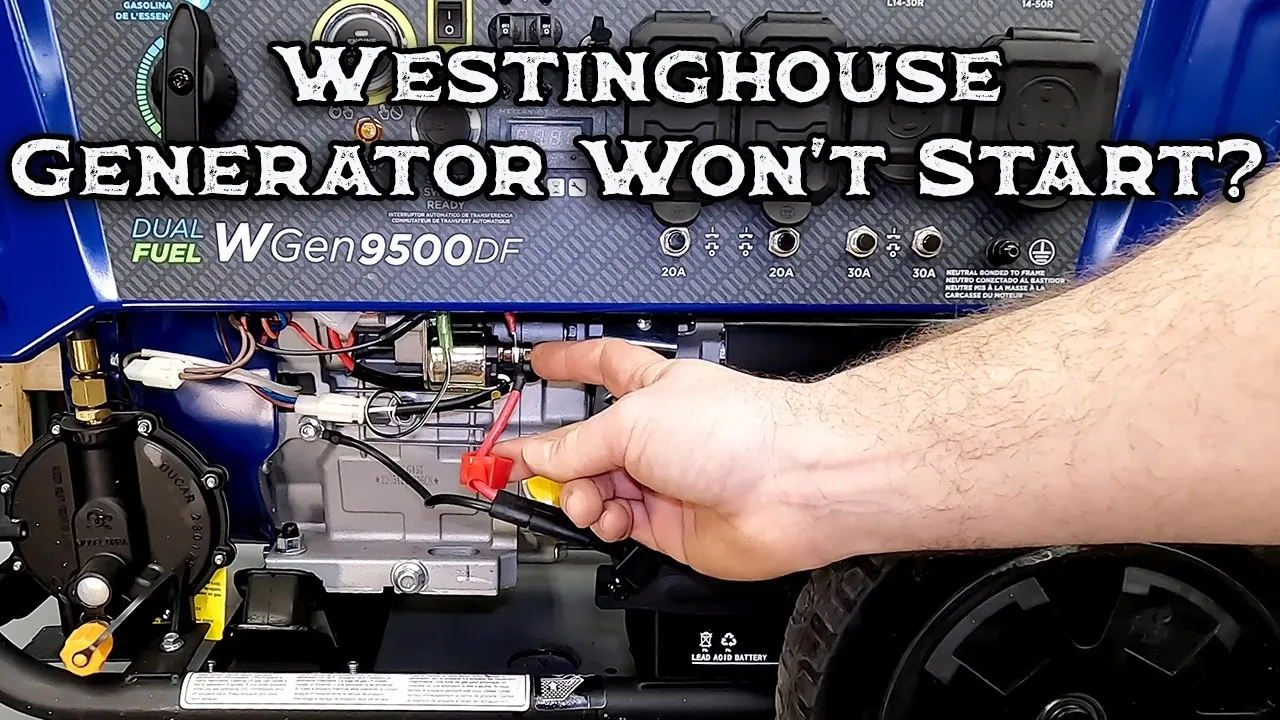
When a machine sits idle for a long time, the fuel inside the tank and lines can break down. This process creates a sticky residue that blocks the tiny passages in the carburetor. If the engine can’t get fuel, it won’t start no matter how many times you pull the cord. You should check your fuel quality if the machine has been sitting for more than 30 days without a stabilizer.
Another common issue is a flooded engine. This happens if you leave the choke on for too long while trying to start it. The excess fuel prevents the spark plug from igniting the mixture. If you smell strong gasoline near the unit, it’s likely flooded. You must let it sit for several minutes to allow the excess gas to evaporate before you try again.
Finally, check your safety switches. Many portable units have an oil-level sensor that prevents the engine from starting if the oil is too low. This is a protective feature to prevent permanent damage to the internal parts of the engine. If your unit is in a garage or shed, move it outside to a well-ventilated area before attempting any further troubleshooting.
Safety: Inside a mains-powered machine, the parts behind the outer cover can hold a dangerous electrical charge even after it has been unplugged — that’s why they sit behind a cover. Opening the housing, or testing or replacing anything behind it, is a job for a qualified technician, never a home repair.
Check the fuel and choke settings
The first step in any successful restart is verifying the fuel system. Start by checking the tank to see if there’s enough clean, fresh gasoline. If the fuel is older than a month, drain it and replace it with fresh fuel. If your generator has a fuel shut-off valve, ensure it’s in the “on” or “open” position. Many people accidentally leave this closed, which starves the engine of fuel immediately.
Next, look at the choke lever. If the engine is cold, the choke must be in the “closed” or “start” position to restrict airflow and create a rich fuel mixture. Once the engine catches and begins to run, you must move the lever to the “run” or “open” position. If you leave the choke closed while the engine is warm, it will choke out and stall.
This fix is for those whose engines turn over but don’t fire. If the engine doesn’t move at all when you pull the cord or press the start button, this isn’t a fuel issue. If you find the fuel lines are cracked or leaking, don’t attempt to fix them yourself. Fuel leaks are a major fire hazard. Contact a certified small engine mechanic to replace damaged hoses or clean a blocked carburetor professionally.
Inspect the spark plug and connections
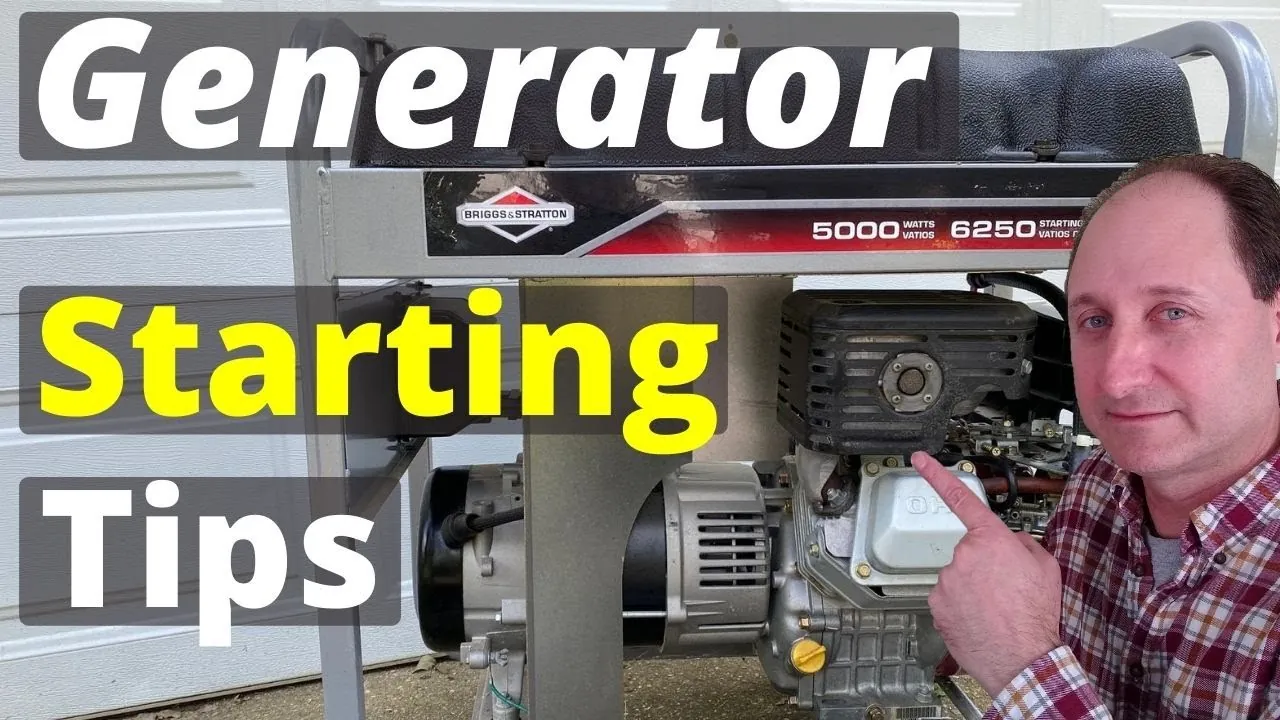
If the fuel is fresh and the choke is set correctly, the problem might be the spark plug. A fouled, wet, or corroded spark plug can’t create the electrical arc needed to ignite the gas. Locate the spark plug wire and ensure it’s pushed firmly onto the top of the plug. If the wire is loose, the engine will never get the signal to fire.
If the wire is tight, the plug itself might be the issue. A dirty or black-tipped plug needs to be removed and cleaned, or replaced entirely with a new one that matches the manufacturer’s specifications. Always ensure the engine is completely cool before you touch the spark plug. The metal around the engine gets hot enough to cause serious burns during operation.
This fix is for people comfortable working with basic hand tools like a spark plug socket. If you don’t have the right size socket or feel unsure about removing the plug, stop and call a professional. Over-tightening a spark plug can strip the threads in the cylinder head, which is an expensive repair. Never force the plug into place; it should thread in easily by hand before you snug it down with a wrench.
Test the battery and electrical system
For generators with an electric start feature, a dead battery is a frequent cause of a failure to start. If the lights on the control panel are dim or the starter motor makes a clicking sound, the battery likely lacks the power to turn the engine. Check the battery terminals to ensure they’re clean and securely attached. Corrosion looks like a white or blue powder on the metal contacts.
If you have a battery charger, connect it to the battery and let it charge according to the charger’s instructions for your specific battery type. If the battery is fully charged but the unit still doesn’t start, the starter motor might be stuck or the starter solenoid could be faulty. This requires testing with specialized electrical equipment.
This method is for units with an electric start button. It isn’t for pull-start models, as they don’t rely on a battery to turn the engine. If you see signs of bulging on the battery casing or smell a rotten egg odor, the battery is damaged. Don’t attempt to charge a damaged battery, as it can leak acid or cause a fire. Take the battery to a local recycling center or auto parts store for proper disposal and replacement.
Avoid these common troubleshooting mistakes
Using old gasoline: Stale fuel loses its volatility after about a month. If your fuel has sat for more than 30 days, drain the tank completely. The engine can’t ignite old fuel even if the spark is perfect.
Leaving the choke on: Keeping the choke closed after the engine starts floods the combustion chamber. If the engine sputters or emits black smoke, open the choke immediately.
Overfilling the oil: Adding too much oil forces liquid into the air filter or carburetor. This blocks the air intake, preventing startup. Check the dipstick; if the oil level is above the “full” mark, drain the excess before attempting to start.
Forcing the pull cord: Yanking the cord with extreme force damages the recoil mechanism. Use a steady, firm pull instead. Jerking the cord often snaps the internal spring, turning a simple start into a costly professional repair.
Ignoring the oil sensor: Modern engines include a low-oil sensor that prevents ignition. If the engine cranks but refuses to start, check the oil level first. Never bypass this sensor; doing so risks permanent internal damage, which often costs more than the machine is worth.
Prevent future starting problems
The best way to ensure your generator starts when you need it’s to follow a regular maintenance schedule. If you run your generator for a few minutes once a month, you keep the fuel moving through the carburetor and the battery topped off.
| If you’re doing this | Do this instead | Why |
|---|---|---|
| Leaving fuel in the tank | Add fuel stabilizer | Prevents the gas from turning into gum |
| Storing in a damp area | Store in a dry, covered spot | Prevents rust on electrical contacts |
| Using old, dirty oil | Change oil every 50 hours | Keeps internal parts moving smoothly |
| Running until it dies | Use the fuel shut-off valve | Drains the carburetor bowl properly |
Frequently asked questions
Can I use starting fluid to help my generator start?
You can use a small amount of starting fluid in the air intake as a temporary test. If the engine fires but dies immediately, your carburetor is clogged and needs cleaning. Avoid frequent use, as starting fluid can damage internal engine components.
How long should a battery last on a generator?
A standard generator battery typically lasts between 2 and 4 years with proper maintenance. This assumes the battery is kept charged and terminals remain free of corrosion. Extreme temperatures may cause the battery to fail sooner.
Why does my generator click but not turn over?
A clicking sound usually means the starter solenoid is engaging but the battery lacks sufficient power to turn the engine. This is typically caused by a dead battery or loose terminal connections. If clicking persists after a full charge, the starter motor may be failing.
Is it safe to leave fuel in the generator over winter?
No, you shouldn’t leave untreated fuel in the tank for more than 30 days. Fuel degrades over time, creating deposits that block the fuel system. If storing the unit, add a fuel stabilizer or drain the tank and carburetor completely.
How often should I change the spark plug?
Replace the spark plug every 100 to 200 hours of use, or at least once per season. The electrode gap widens over time, which makes the engine harder to start. Inspect the plug for heavy carbon buildup or a worn electrode to determine if replacement is necessary.
What happens if I overfill the oil?
Overfilling the oil can cause the engine to smoke, foul the spark plug, or force oil into the air filter. Excess oil creates too much crankcase pressure, pushing fluid into restricted areas. Drain the excess oil until the level reaches the mark on the dipstick.
Conclusion
If you still can’t get the engine running after trying these tips, it’s time to consult your owner’s manual or reach out to a local repair shop. Don’t force the pull cord if it feels stuck, as you don’t want to cause extra damage. A professional’s help will get you back on track.
Related guides