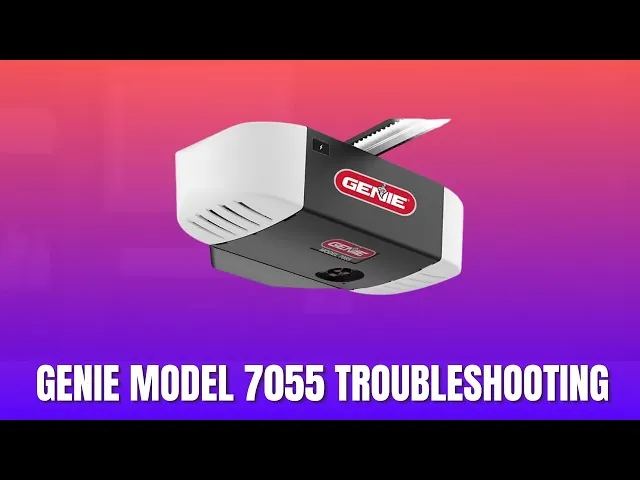
To fix issues with your motor, the most common genie garage door opener model 7055 troubleshooting step is to check if the safety beams are blocked or misaligned. When the sensors don’t see each other, the door won’t close, and the lights on the motor unit will often blink to signal an error. You should clear any objects from the path and ensure the small indicator lights on the sensors are solid green. If the lights are red or off, you need to adjust them until they face each other perfectly.
Why your garage door opener stops working
The main reason for failure in this model is a break in the communication between the safety sensors or a power interruption. Garage doors rely on a light beam that must remain unbroken for the motor to engage. If you move a box or a broom near the wall-mounted sensors, the system automatically stops the door to prevent closing on an object. This is a standard safety feature required by federal regulations to protect people and pets from harm.
Another frequent cause is a loss of power or a tripped circuit breaker. If the wall button is unresponsive and the motor lights don’t turn on when you press the button, the unit might have lost its connection to the home electrical system.
You can verify this by checking if other outlets in your garage are working. If the power is fine but the remote doesn’t work, the issue is often a drained battery inside the handheld remote. The Genie Company support page provides specific guides for identifying these light patterns.
Safety: Inside a mains-powered machine, the parts behind the outer cover can hold a dangerous electrical charge even after it has been unplugged — that’s why they sit behind a cover. Opening the housing, or testing or replacing anything behind it, is a job for a qualified technician, never a home repair.
Adjust the safety sensor alignment
This fix is for users whose door stops or reverses immediately after starting to close. First, look at the two small sensors mounted near the floor on each side of the door frame. Both sensors should show a solid green light when properly aligned. If either light is flickering or off, the sensors aren’t aligned. Loosen the wing nut on the sensor bracket slightly and move it until both lights remain solid.
A common mistake is assuming the sensors are aligned just because the door eventually closes. If the light is dim or flickering, the system remains prone to “ghosting,” where the door reverses randomly due to vibration. You should test the alignment by gently tapping the sensor housing; if the light flickers, tighten the bracket further.
Once the lights are steady, tighten the wing nut firmly so the sensor doesn’t shift again. If you can’t get the lights to turn solid, check the wires running from the sensors to the motor for any cuts or loose connections.
Never cut or splice these wires if you aren’t comfortable with basic electrical work, as a bad connection can cause permanent damage to the motor board. If the wiring appears perfect but the lights remain dark, the sensors themselves may have failed. Replace them as a pair to ensure signal compatibility.
Replace the remote control batteries
This method works if the wall-mounted button functions correctly but your handheld remotes don’t open the door. Most Genie remotes use a standard 3-volt coin cell battery, typically a CR2032. To replace it, slide the cover off the back of the remote and remove the old battery. Insert the new one with the positive side facing up, then snap the cover back into place. Test the remote while standing near the garage door to confirm it responds.
If the remote still fails after a battery change, the signal might have been lost. You’ll need to follow the manufacturer’s pairing process to reconnect the remote to the motor head. This process usually involves pressing a “Learn” button on the motor and then pressing the remote button within 30 seconds.
If you have several remotes, you must repeat this for each one. This fix isn’t for users who have a solid light on the motor but hear no sound when pressing the button, as that indicates a deeper mechanical or electrical fault.
Reset the travel limit settings
If your door closes partially and then reverses, or if it doesn’t touch the floor when fully closed, the travel limits likely need a reset. These limits tell the motor exactly how far to travel before stopping. You can usually adjust these by pressing the “Program” button on the motor unit until the LED indicator light flashes. Follow the prompts on the motor display to set the open and close positions by moving the door to the desired height.
This procedure is worth the effort if the door is physically intact but stops at the wrong spot. However, if the door is heavy, uneven, or makes grinding noises, don’t attempt to force the motor to move it. A door that doesn’t move smoothly suggests a problem with the springs or rollers, which are under high tension. If you see broken cables or frayed springs, stop immediately and contact a professional garage door technician to handle the repair.
The most common mistake owners make is attempting to adjust limits to compensate for a door that’s physically binding. If you can manually lift the door halfway and it drops or rises on its own, the spring balance is failing.
In this case, adjusting the travel limits will only strain the motor gear, leading to a stripped drive sprocket within months. If the door moves freely by hand, the issue is electronic. If the door requires significant force to move, the issue is mechanical.
Common Genie model 7055 garage door opener mistakes
Spraying grease on the tracks: Applying oil or lubricant to the tracks makes them slippery, causing the wheels to spin without moving the door properly. Tracks should remain dry; if the door binds, clean the metal with a degreaser rather than adding slick agents.
Forcing the door when blocked: Pushing the button repeatedly while the door is stuck can cause the motor to overheat and trip the internal safety switch. Check for a broken spring or an obstruction under the seal.
Ignoring the safety beam lights: Many users assume the motor is broken when the sensors are simply misaligned. If the LED on the sensor is blinking instead of glowing solid, realign them until the light stabilizes. This simple fix saves the cost of a professional service call.
Using the wrong battery type: Putting a different voltage battery into the remote won’t provide enough power to send the signal, even if it fits inside the slot. Always match the exact voltage and chemistry listed on the old battery. Using a lower voltage often results in intermittent signal loss during cold weather.
Stop the opener from failing again
If you’re currently struggling with inconsistent performance, you can prevent future issues by following a simple maintenance schedule. Keeping the hardware clean and the path clear is the best way to ensure the system lasts for years.
| If you’re doing this | Do this instead | Why |
|---|---|---|
| Storing boxes near sensors | Move items away from the door | Prevents beam blockage |
| Using old remote batteries | Ensures a strong signal | |
| Ignoring grinding sounds | Call a professional technician | Prevents spring failure |
| Forcing a stuck door | Check for debris in the track | Avoids motor damage |
Most homeowners make the mistake of waiting until the door fails entirely. This oversight usually doubles your repair costs because a snapped spring often ruins the motor gears.
Test your safety sensors monthly by waving an object in front of the beam while the door closes. If the door doesn’t reverse immediately, your sensor alignment is faulty. Adjust the bracket until the indicator light remains solid.
If the door reverses without hitting an obstruction, your sensitivity setting is too high. Consult your owner’s manual to locate and adjust the force settings for your specific model. Repeat this until the door closes smoothly without triggering a false stop.
Frequently asked questions
How long does the genie garage door opener model 7055 last?
Garage door openers typically last 10 to 15 years with proper maintenance. Lifespan decreases if the door is unbalanced or the motor is frequently overloaded. Note that heavy daily usage will accelerate wear on internal gears.
Why does my garage door blink when I press the button?
A blinking light indicates your safety sensors are blocked or misaligned. The system stops the door instantly to prevent accidents when the beam is interrupted. Ensure both sensors at the door base are pointed directly at each other to restore a solid light.
Is it safe to fix the motor by myself?
It’s safe to perform basic troubleshooting like cleaning sensors, changing batteries, and resetting travel limits. You should never attempt to adjust the springs, cables, or the internal motor housing, as these parts are under extreme tension and can cause severe injury. If the problem involves the metal springs or the internal wiring of the motor head, you must contact a qualified garage door professional to perform the work safely.
How do I know if the sensors are broken?
Sensors are likely failing if they remain unlit despite correct alignment and intact wiring. You should inspect the connections to the motor unit to rule out simple disconnections. If the sensors remain dark, you’ll need to purchase a compatible replacement kit.
What happens if I lose my remote?
You can pair a replacement remote by pressing the learn button on the motor and holding the button on your new remote. This syncs the device without erasing your existing remotes. Clear the opener’s memory if you have security concerns regarding the lost remote.
How often should I test the safety reverse?
Test the safety reverse feature monthly by placing a roll of paper towels in the path of the closing door. The door must reverse immediately upon contact to ensure it’s safe. If the door continues to close, your force settings are too high.
Conclusion
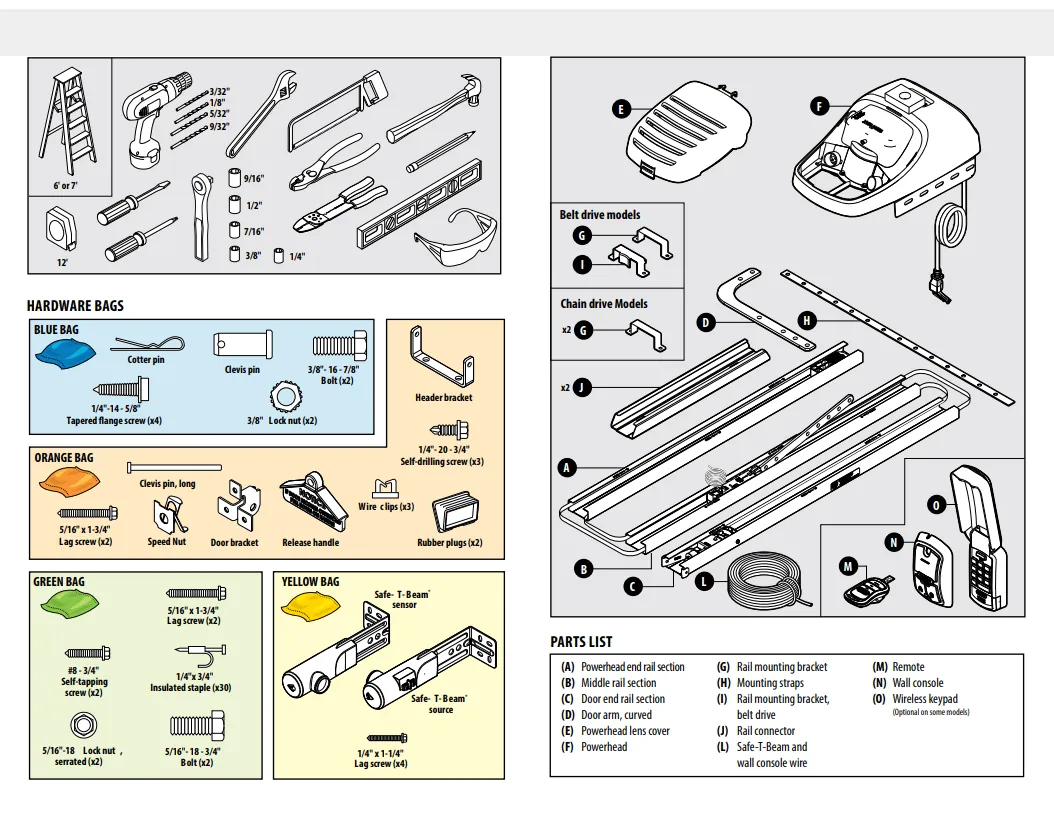
If these adjustments don’t get your door moving smoothly again, it’s a good idea to check your owner’s manual for specific wiring diagrams. Don’t hesitate to reach out to a professional if you’re still stuck. They’ll help you get things back to normal so you won’t have to worry about your garage security.
Related guides